How a New Mexico Bear Zone Closes
There’s a unique sting that comes with planning a bear hunt in New Mexico, only to wake up and find your chosen zone suddenly closed. It's not just a minor inconvenience; it can completely derail your carefully laid plans, leaving you scrambling or worse, out of a hunt entirely. This guide is here to walk you through exactly how New Mexico’s bear zones are managed and how they close, ensuring you understand the system and can stay ahead of the game.
Understanding New Mexico's Bear Management Philosophy
New Mexico's approach to black bear management is rooted in a science-based effort to maintain healthy, viable populations across the state, ensuring bears thrive for generations to come. Unlike some other species, bear seasons often have dynamic closure mechanisms, making them particularly challenging for hunters to navigate.
Why Harvest Limits Exist
Harvest limits aren't put in place to frustrate hunters; they're a fundamental tool for wildlife management. Black bears, while relatively abundant in many parts of New Mexico, have specific biological characteristics that make their populations sensitive to overharvest. They generally have lower reproductive rates compared to deer or elk, with sows not breeding every year and often having smaller litters. This means that a population can take longer to recover if too many individuals are removed.
The New Mexico Department of Game and Fish (NMDGF) sets these limits based on extensive research, population models, and ongoing field data, aiming for sustainable harvest levels. These limits ensure that hunting remains a recreational opportunity without jeopardizing the long-term health and stability of the bear population in any given area. It's a delicate balancing act to provide hunting opportunities while upholding conservation principles, and the limits are a key part of that balance. These regulations are detailed in publications like the Reading the New Mexico Rules and Info Booklet, which every hunter should review.
The Role of Female Harvest Limits
Perhaps the single most critical factor in how a New Mexico bear zone closes is the female harvest limit. While there's an overall limit for total bears, the number of sows (female bears) taken is closely monitored and often acts as the primary trigger for a season closure. Why such a focus on females? It comes down to reproduction. Sows are the reproductive engine of any bear population. Remove too many, and the population's ability to replace itself diminishes rapidly.
If too many sows are harvested in a season, it can have a disproportionately negative impact on future bear numbers. The NMDGF sets a specific "female harvest limit" for each bear management zone, acknowledging this biological reality. Once that female limit is met, or even approached, the entire zone can close, regardless of whether the overall total bear harvest limit has been reached. This specific focus on female harvest is crucial for ensuring the long-term health and stability of the black bear population and is a key aspect of Female Harvest Limits on New Mexico Bears.
Unit Groupings and Bear Management Zones
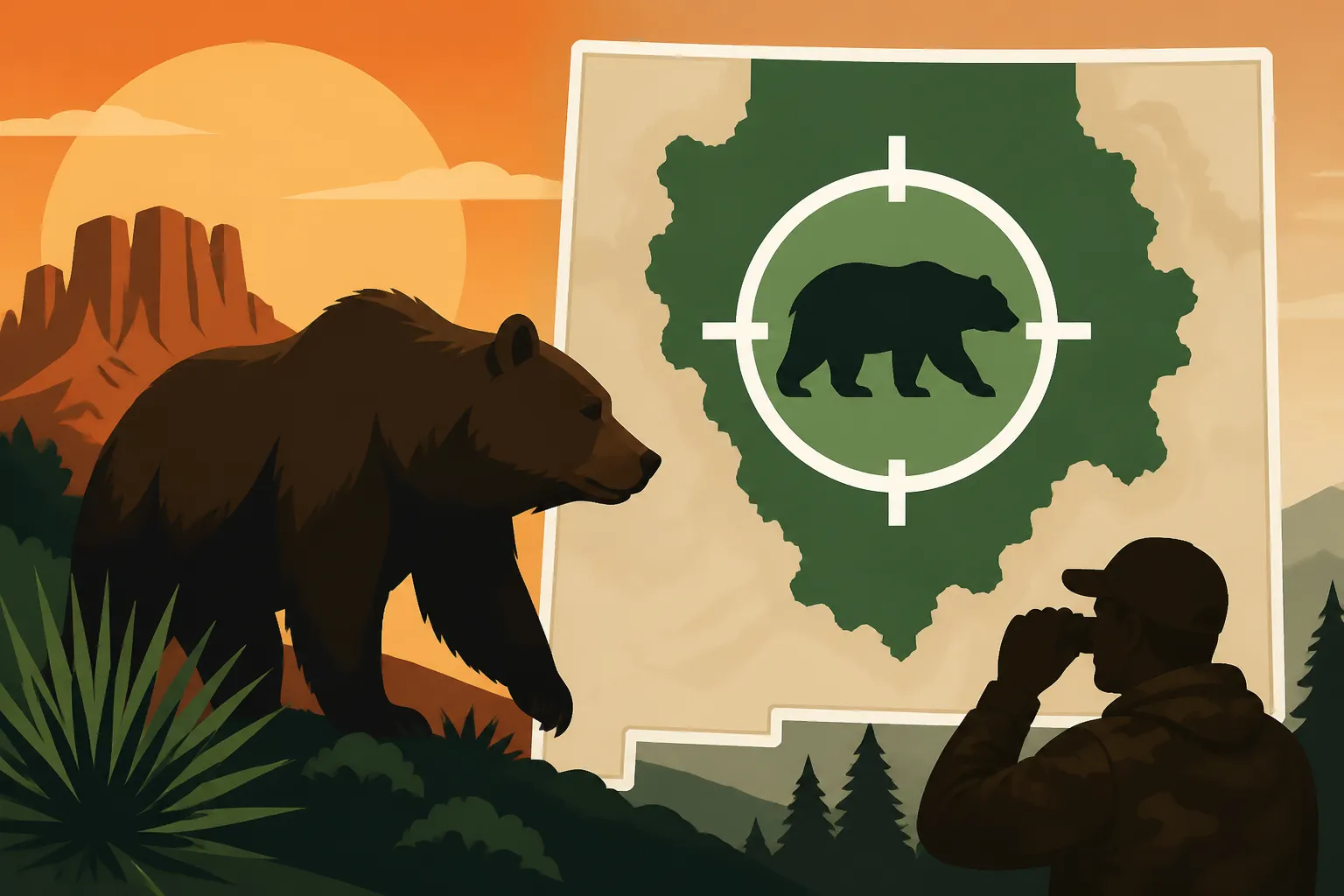
New Mexico doesn't manage bear populations on a unit-by-unit basis for closures. Instead, it groups several individual Game Management Units (GMUs) into larger "Bear Management Zones." This is a practical approach because bears are wide-ranging animals that often move across unit boundaries. Managing them at a larger zone level provides a more accurate picture of regional population health and harvest impacts.
For instance, several geographically contiguous units that share similar habitat or bear populations might be grouped into one zone. When a closure trigger is hit (either total bear harvest or female bear harvest), the entire bear management zone closes to hunting. This means you need to know which units belong to which bear management zone to understand the closure system. This is crucial for hunters when planning, as a closure in one part of a zone affects all units within it, even if you weren't hunting near the specific area where the limits were met. Familiarizing yourself with these zones is just as important as understanding New Mexico Black Bear Density Across New Mexico in your chosen area.
The Mechanics of a Bear Zone Closure
Understanding the "why" behind harvest limits is one thing, but knowing the "how" of a closure is critical for any hunter. The system relies on hunter cooperation and constant monitoring by the NMDGF.
Tracking Harvest Numbers
The NMDGF diligently tracks harvest numbers throughout the bear season. This tracking isn't passive; it relies heavily on hunters reporting their successful harvests. Every hunter who successfully takes a bear in New Mexico has a mandatory and time-sensitive reporting requirement. You typically need to report your harvest by calling a specific NMDGF phone number or using an online reporting system within a very short timeframe after the kill, often within 24 hours. This immediate reporting is vital because it allows the department to update their harvest figures as quickly as possible. The process for Mandatory Reporting After a New Mexico Harvest is clear and must be followed.
As these reports come in, the NMDGF compiles the data for each bear management zone, keeping a running tally of both the total bears harvested and, more importantly, the number of female bears. This real-time data collection is what allows them to monitor progress towards the established harvest limits for each zone. While the NMDGF website is the ultimate authority, many hunters find it helpful to use third-party resources like GoHunt, which often compile and present this data in an easily digestible format, sometimes even with alerts.
Triggers for Closure
A New Mexico bear management zone will close once one of two primary triggers is met:
- Total Bear Harvest Limit: Each bear management zone has an overall quota for the total number of bears that can be harvested in a season. If the reported harvest reaches this number, the zone will close.
- Female Bear Harvest Limit: As discussed earlier, this is often the more immediate trigger. Each zone also has a specific limit on the number of female bears that can be harvested. If the reported female harvest reaches this limit, the zone will close, regardless of whether the overall total bear limit has been met.
The NMDGF continuously monitors these two metrics. Because bears are widely dispersed and harvests can come in quickly, especially early in a season, these limits can sometimes be met faster than anticipated. When a limit is hit, the NMDGF acts quickly to initiate the closure process. It’s not about hitting the exact number and then closing; sometimes, due to reporting lag, the actual harvest might slightly exceed the limit before the closure can be fully implemented and announced. This is just an inherent challenge in managing wild populations across vast landscapes. New Mexico Bear Harvest Limits by Zone outlines these specific thresholds.
Notification Process for Hunters
Once a bear management zone reaches its harvest limit (either total or female), the NMDGF will issue an official closure notice. This isn't just a quiet update on a webpage; it's an active effort to inform hunters as quickly and widely as possible.
The primary official channels for notification include:
- NMDGF Website: The NMDGF website will be updated with a prominent announcement indicating which bear management zones are closed. This is your absolute first stop for official news.
- Press Releases and Public Advisories: The department will issue press releases to news outlets and public advisories to hunting organizations, licensing vendors, and other relevant stakeholders.
- Social Media: Updates are often posted on the NMDGF's official social media channels.
- Email Lists: If you're signed up for NMDGF email newsletters or alerts, you'll likely receive a notification directly in your inbox.
Many savvy hunters also rely on community forums and third-party apps like GoHunt, which often have systems in place to aggregate and alert users to these closures. While these can be helpful for quick alerts, always verify any information with the official NMDGF website. It's the hunter's responsibility to stay informed, and ignorance of a closure is not a valid defense if you're found hunting in a closed zone. Paying attention to these announcements is as vital as understanding Baiting Rules That Apply to New Mexico Bears or any other regulation.
What to Do When a Zone Closes (or Nears Closure)
Knowing how zones close is only half the battle; knowing what to do about it is where preparation truly pays off.
Checking Real-Time Updates
The number one rule for bear hunters in New Mexico is to check for updates constantly, especially if you're planning a hunt or are already in the field. "Constantly" might sound like overkill, but it's not. These closures can happen suddenly, sometimes mid-week, and once a zone is closed, all bear hunting activity within it must cease immediately.
Before you even head out, and certainly during your hunt, make it a daily habit to check the NMDGF's official website. Look for specific bear harvest update pages, which often show a running tally against the limits. Sites like GoHunt can also be invaluable for offering quick glances at the current harvest data, sometimes even providing projected closure dates based on harvest rates. Treat these external resources as helpful tools, but always cross-reference with the NMDGF's official announcements for definitive confirmation. This proactive approach can save you a lot of disappointment and prevent potential legal issues. E-Scouting a New Mexico Unit Before the Season should include checking current harvest data.
Planning for Contingencies
Because bear seasons can be unpredictable, a smart hunter always has a backup plan. If your primary bear management zone is approaching its limit, or if you're hunting in a zone known for early closures, consider having a secondary plan ready.
This might involve:
- Alternative Zones: Research other bear management zones in New Mexico that might still be open and have available harvest quotas. Understand their boundaries, access points, and the type of terrain.
- Different Species: For some, an early bear closure might mean shifting gears entirely to another species, if you have the appropriate tags and seasons available.
- Flexibility with Dates: If possible, try to build flexibility into your hunting schedule. A planned week-long hunt might need to be cut short or delayed if your zone is at risk.
Having these contingencies in place can turn a potential disaster into a minor adjustment, ensuring you still get to enjoy your time in the field. When you are Planning a DIY Public Land Hunt in New Mexico, you are especially responsible for these checks.
Ethical Considerations and Compliance
If you learn that your bear management zone has closed, the ethical and legal obligation is clear: you must immediately cease all bear hunting activity within that zone. Continuing to hunt, or attempting to harvest a bear after the official closure, constitutes a serious violation of hunting regulations and can result in significant fines, license revocation, and other legal penalties.
It’s about respecting the wildlife, the management efforts, and the integrity of the hunting community. The NMDGF makes every effort to disseminate closure information widely and quickly. As a licensed hunter, it is your responsibility to be aware of and comply with all current regulations. This commitment to compliance is fundamental to preserving hunting privileges for everyone.
Impact and Hunter Experience
The dynamic nature of bear season closures in New Mexico significantly shapes the hunter experience, creating both unique challenges and opportunities.
Frustration and Flexibility
Let's be real: having your hunt plans upended by an unexpected closure is incredibly frustrating. You've invested time, money, and emotional energy into scouting, preparing, and dreaming of that hunt. To have it end prematurely or before it even begins due to a harvest limit can feel like a punch to the gut. This sentiment is completely valid. It's tough when you've done your due diligence, maybe even reviewed When New Mexico Bear Applications Close and Why Bear Has an Earlier Deadline, only for the season itself to dictate the outcome.
However, experienced New Mexico bear hunters learn to embrace a high degree of flexibility. The dynamic nature of the season means that rigid plans often don't survive first contact with reality. Success often comes to those who can pivot quickly, adapting their strategies, scouting alternative areas, or even shifting their focus to other species if they have other tags. It’s a true test of adaptability and patience, but it also reflects a robust conservation system designed to protect the resource. Using tools like GoHunt or onX maps with Using onX Layers for New Mexico Public Land can help quickly assess alternative spots.
Season Length and Early Closures
One of the most noticeable impacts of the harvest limit system is how it affects the actual length of the bear season in different zones. While the NMDGF might publish a season framework that appears to run for several months, the reality is that many zones, particularly those with higher bear densities or more hunting pressure, can close much earlier than the published end date. Some zones might not even make it a few weeks, especially if the weather is favorable and hunters are out in force.
This means that booking early season hunts, while potentially offering better conditions, also carries a higher risk of early closure. Later season hunts might avoid the initial rush and have a better chance of remaining open longer, but they come with their own challenges, such as colder weather or bears that are already densing. Hunters need to carefully weigh these factors when planning their applications and their actual hunting dates, understanding that the printed season dates are merely the potential duration, contingent upon not hitting those crucial harvest limits.
New Mexico Bear Management Zone Example
To give you a clearer picture, here's a hypothetical example of how harvest limits and current reports might look for a single bear management zone:
| Bear Management Zone (Hypothetical) | Total Bear Limit | Female Bear Limit | Current Total Harvest (Reported) | Current Female Harvest (Reported) | Status |
|---|---|---|---|---|---|
| Bear Zone "Gila Peaks" (Units 15, 16A, 16D) | 20 | 8 | 12 | 7 | OPEN, Nearing Female Limit |
| Bear Zone "Desert Watch" (Units 21, 23, 24) | 15 | 6 | 10 | 3 | OPEN |
| Bear Zone "Northern Ranges" (Units 48, 49) | 25 | 10 | 26 | 9 | CLOSED (Total Exceeded) |
| Bear Zone "Ponderosa West" (Units 9, 10, 12) | 18 | 7 | 5 | 7 | CLOSED (Female Limit Hit) |
As you can see, "Gila Peaks" is still open, but hunters would need to be extremely cautious as the female limit is almost met. "Northern Ranges" closed because the total bear harvest was exceeded, even though the female limit wasn't. And "Ponderosa West" closed because the female limit was met, despite the overall total being well below its cap. This table provides a visual representation of the New Mexico Cougar Harvest Limits by Zone and the dynamic nature of these harvest quotas.
This intricate system, while sometimes challenging for hunters, is a testament to New Mexico's dedication to managing its black bear populations responsibly. By staying informed and being flexible, you can still have a successful and ethical bear hunting experience in the Land of Enchantment.
Disclaimer
This article is for general informational purposes only and does not constitute professional advice. Laws, prices and regulations vary by location and change over time. Consult a qualified professional for guidance on your specific situation.