New Mexico Units 16A and 16D Elk Reputation
For many elk hunters, the mere mention of New Mexico’s Gila National Forest units conjures images of massive bulls bugling in September. Yet, the reality of pursuing these magnificent animals in Units 16A and 16D is far more complex than just a dream; it’s a demanding, physical endeavor that tests every fiber of a hunter’s resolve. This guide will unpack the esteemed reputation of these Gila units, detailing their unique characteristics, the challenges they present, and what makes them such sought-after destinations for elk enthusiasts.
The Allure of Units 16A and 16D: A Legacy of Giants
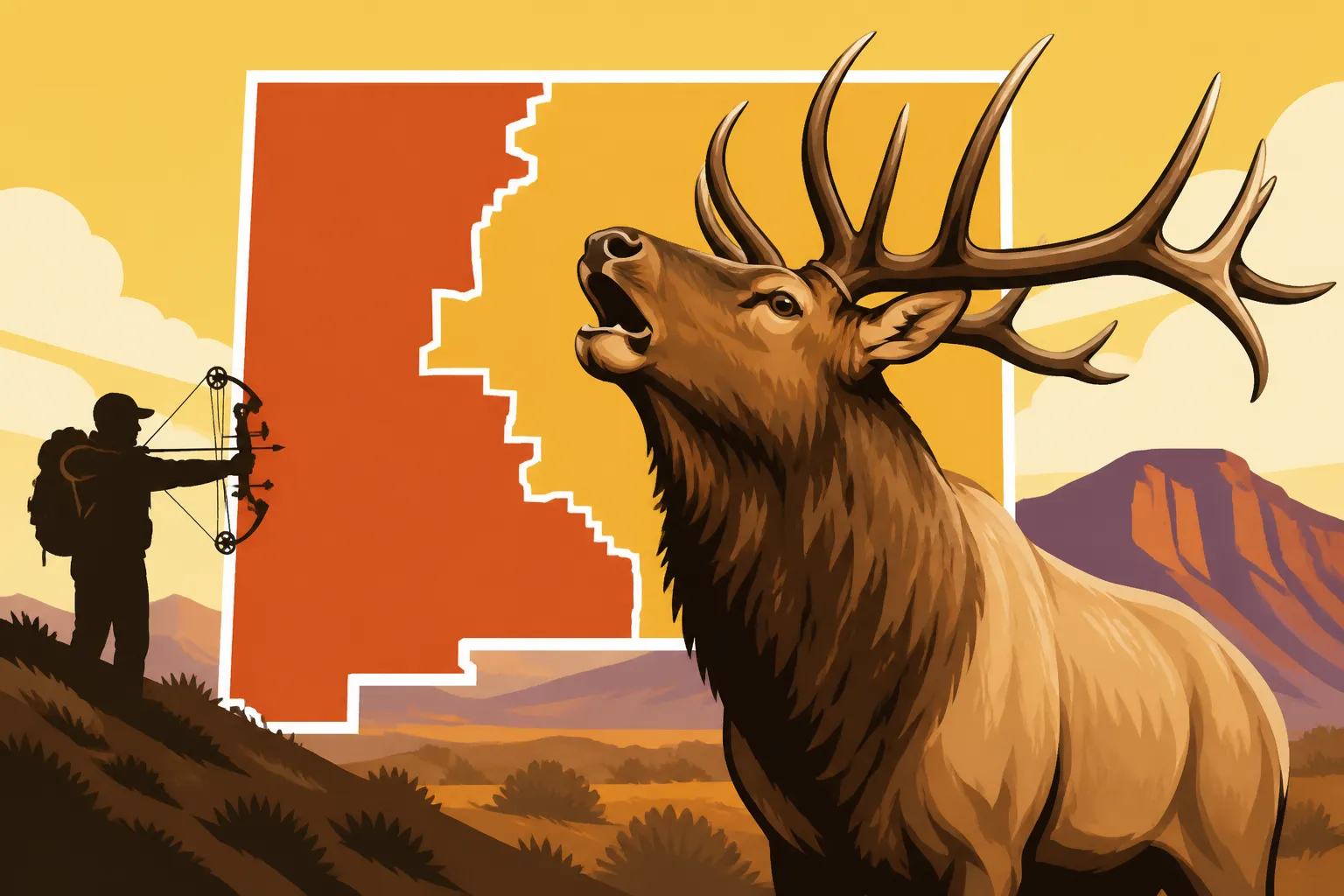
When hunters talk about New Mexico elk, Units 16A and 16D are almost always at the forefront of the conversation. These units, nestled deep within the vast Gila National Forest, are not just hunting grounds; they are icons of western elk hunting, renowned for their rugged beauty and the potential to harvest a truly trophy-class bull. It’s a reputation earned through years of consistent big elk harvests and the sheer challenge of the hunt itself.
The Gila's Wilderness Mystique
The Gila National Forest, home to the world’s first designated wilderness area, the Gila Wilderness, embodies an untamed spirit that draws hunters year after year. Units 16A and 16D contain significant portions of this wilderness, meaning access is primarily by foot or horseback, stripping away modern conveniences and forcing hunters to truly immerse themselves in the wild. This remoteness naturally creates an environment where elk can grow old, wise, and, consequently, large. It’s not uncommon to spend days without seeing another human, fostering a sense of solitude that's increasingly rare in today's crowded hunting landscape. This commitment to a wilderness experience is a huge part of the draw, making any success here feel profoundly earned. The sheer expanse and lack of roads mean that elk often find refuge in areas that are simply too difficult for most hunters to reach, contributing to the trophy potential that these units are famous for.
Reputation for Trophy Potential
The Gila's reputation for producing big bulls isn't just campfire talk; it’s backed by harvest data and anecdotal evidence from generations of hunters. While no hunt is a guaranteed trophy, Units 16A and 16D consistently yield some of the largest elk taken in the state. This is largely due to the excellent habitat, which supports a healthy, mature herd, and the challenging terrain that limits hunting pressure in the most remote areas. When considering applying for a tag here, many hunters spend countless hours dissecting past harvest data and success rates. Resources like GoHunt are invaluable for sifting through this information, offering insights into which hunt codes might align best with a hunter's specific goals, whether it's maximizing draw odds or targeting a specific season. The Gila's rich forage, abundant water sources, and protective timber provide everything a bull needs to reach its full potential. To learn more about this, explore why these particular areas contribute to the impressive elk found here by reading "Why New Mexico's Gila Grows Big Bulls".
Understanding the Terrain and Habitat
Hunting in Units 16A and 16D isn't just about finding elk; it's about mastering the terrain. The Gila is a land of dramatic contrasts, from high-elevation timbered ridges to deep, labyrinthine canyons, all contributing to a complex and challenging hunting environment. Knowing what to expect from the landscape is crucial for any hunter hoping to succeed here.
High Elevation Timber and Aspen Grooves
As you gain elevation in 16A and 16D, you'll encounter extensive stands of ponderosa pine, Douglas fir, and mixed conifers, often interspersed with aspen groves. These dense timbered areas provide crucial cover and forage for elk, especially during the archery and muzzleloader seasons. The higher elevations offer cooler temperatures, which elk prefer, particularly during the early archery hunts when temperatures can still be quite warm. Hunting these areas often involves still-hunting through thick timber, relying on keen senses and quiet movement. It's a game of patience and stealth, where a sharp eye for fresh sign and an understanding of elk behavior in dense cover are paramount. The timber can also be incredibly confusing, making navigation a constant challenge, even with modern GPS devices.
Deep Canyon Systems and Riparian Areas
The backbone of Units 16A and 16D consists of immense canyon systems carved by the Gila River and its tributaries. These canyons, like those of the Middle Fork, East Fork, and main Gila, provide vital water sources and lush riparian corridors, attracting elk during drier periods and offering thermal cover in colder months. Navigating these canyons is an exercise in endurance. Steep, rocky slopes, thick brush, and constant elevation changes make every mile hard-earned. However, these same features can funnel elk movements, offering strategic ambush points if a hunter understands their patterns. Hunters often find themselves constantly gaining and losing elevation, a grueling test of physical fitness that requires specific preparation, as highlighted in "Altitude Preparation for a Gila Elk Hunt".
Water Sources and Their Importance
In the arid West, water is life, and the Gila is no exception. While the main river systems provide consistent water, scattered springs, seeps, and stock tanks throughout 16A and 16D become critical focal points for elk, especially during dry periods. Identifying these water sources on maps and scouting them thoroughly can reveal active elk sign and provide clues to their daily movements. During the early seasons, these water points can be exceptional ambush locations, as elk will often visit them during the heat of the day or just before heading to bedding areas. Knowing where these water sources are, and how to approach them silently, is a skill honed over many hunts.
Elk Population and Herd Dynamics in Units 16A and 16D
Understanding the health and behavior of the elk herd in Units 16A and 16D is fundamental to a successful hunt. New Mexico Game and Fish biologists meticulously monitor these populations, and their management strategies directly influence the quality of hunting opportunities.
Herd Health and Management
New Mexico's Game and Fish Department (NMDGF) manages the Gila elk population to maintain a healthy balance between animal numbers and available habitat. This involves setting harvest quotas, adjusting season lengths, and conducting surveys to assess herd size, bull-to-cow ratios, and calf recruitment. The goal is to ensure sustainable hunting opportunities while promoting the growth of mature bulls. Due to the vastness of the Gila, elk in 16A and 16D often exhibit natural behaviors less influenced by human presence than in more accessible units. This means they can be more predictable in their movements but also incredibly wary. Hunters serious about these units often consult NMDGF reports and online data sources, including tools like GoHunt, to analyze trends in herd health and hunter success rates over several years.
Rut Activity Windows
The elk rut is the electrifying period when bull elk are most vocal and active, making it a prime time for many hunters. In Units 16A and 16D, as in much of the Gila, the rut typically peaks in mid-September. This aligns perfectly with New Mexico's split archery seasons, offering hunters two distinct windows to pursue bugling bulls. The first archery season usually falls at the very beginning of September, catching the pre-rut and early bugling, while the second season lands right in the heart of the screaming, fighting action. This split season structure, unique to New Mexico, provides varied opportunities depending on a hunter's preferred rut phase. For a deeper dive into this timing, refer to "When the Elk Rut Peaks in New Mexico". These periods are physically demanding, requiring hunters to be constantly on the move, chasing bugles and calling in aggressive bulls, sometimes for miles through challenging country.
Winter Range and Migration Patterns
While elk are present in 16A and 16D year-round, their movements can be influenced by weather patterns, particularly the onset of winter snows. As temperatures drop and snow begins to accumulate at higher elevations, elk will often migrate to lower, more sheltered winter ranges. Understanding these broad migration patterns can be crucial for late-season hunts or for anticipating where elk might concentrate. However, within the vastness of the Gila, many elk may simply move to lower, south-facing slopes within the unit rather than undertaking long-distance migrations out of the area entirely. This knowledge helps hunters predict where elk might be found depending on the specific timing of their tag, and how the animals adjust to changing conditions.
Hunting Strategies and Challenges Unique to 16A and 16D
Hunting the Gila units demands a unique blend of physical prowess, mental toughness, and finely honed hunting skills. These aren't units for the faint of heart; they require a serious commitment to preparation and an adaptable strategy.
Spot and Stalk in Timber
Unlike the wide-open country often associated with western hunting, much of 16A and 16D is characterized by dense timber and broken terrain, making classic long-range glassing less effective in many areas. Here, spot and stalk often means slow, methodical still-hunting through the trees, constantly scanning for movement, elk sign, or the faint outline of an animal. This tactic requires extreme patience and the ability to move silently through leaf litter and fallen timber. Hunters must be proficient at reading the wind, understanding thermal currents in deep canyons, and utilizing every piece of cover to their advantage. It's an intimate form of hunting where getting within bow range often means being within earshot before you ever see the animal. Learning to effectively "Reading Wind in a Deep Gila Canyon" is absolutely vital for success here.
Calling Tactics for Pressured Elk
During the peak rut, calling can be incredibly effective in the Gila. However, the elk here are not always easily fooled. While locator bugles can pinpoint animals, successful calling often involves nuanced strategies, mimicking cow calls, chirps, and even subtle grunts to entice wary bulls. Aggressive bugling can work, but it can also pressure bulls that have heard it all before. A common strategy involves a two-person setup, where one caller stays back and the shooter moves forward, creating the illusion of a herd moving toward the bull. Knowing when to be aggressive and when to be subtle, and how to read a bull’s response to your calls, is a skill developed through experience. For more on this, check out "Calling Bulls That Have Heard It All".
Physical Demands and Logistics
Make no mistake: hunting 16A and 16D is a true backcountry experience. The vast majority of the units require significant hiking, often with steep elevation gains and losses, far from any roads. This means hunters must be in peak physical condition and prepared for multi-day excursions away from their vehicles. Packing an elk out of these remote areas can be an arduous undertaking, often requiring multiple trips or the use of pack animals. Proper planning for food, water, and emergency supplies is critical. Many choose to utilize outfitters for drop camps or fully guided hunts to manage the logistical complexities. If you're planning on going it alone, preparing for the inevitable challenge of "Packing an Elk Out of the Gila Alone" is a must.
Navigating Draw Odds and Application Considerations
Getting a tag for Units 16A or 16D is notoriously difficult, especially for non-residents. New Mexico does not use a preference point system, meaning every applicant has an equal chance in the lottery each year. This makes applying a strategic game of balancing desire for a trophy unit with realistic expectations.
Resident vs. Non-Resident Realities
New Mexico allocates tags through three distinct pools: 84% for residents, 10% for residents or non-residents applying with a registered outfitter, and 6% for non-residents applying independently. For non-residents, drawing a tag in 16A or 16D is often a long shot, with single-digit draw odds being common. Residents have significantly better odds, but even for them, these prime units remain highly competitive. This allocation system means that non-residents often consider applying with an outfitter to improve their odds, though it comes with a significant increase in cost and commitment. It’s important for every hunter to meticulously review the "New Mexico Elk Season Structure by Unit" to understand the available hunt codes and their associated draw odds before applying.
Choosing the Right Hunt Code
Each unit offers various hunt codes based on weapon type (archery, muzzleloader, any legal weapon) and specific dates. Understanding the nuances of each code is vital. Archery hunts, particularly during the September rut, are extremely popular and often have the lowest odds. Muzzleloader and any legal weapon hunts often occur later in the season, after the primary rut, and may offer slightly better odds in some instances, though they still remain challenging draws in these sought-after units. Researching past draw statistics for each specific hunt code is crucial, and tools like GoHunt provide excellent databases for this. You'll want to carefully study the historical success rates and draw probabilities to make an informed decision when applying. Knowing "Reading a New Mexico Hunt Code Before You Apply" will set you up for success.
Considerations for Group Applications
New Mexico allows group applications, which can be a double-edged sword. While applying with a group means if one person draws, everyone in the group draws, it also means the group’s application is essentially weighted by the lowest odds member. For highly sought-after units like 16A and 16D, many choose to apply individually to maximize their own slim chances, rather than dragging down everyone else's. This is a personal decision based on hunting partners' priorities and willingness to take a chance.
Comparison of Units 16A and 16D
While often discussed together, Units 16A and 16D have subtle differences that can influence a hunter's choice. Both are quintessential Gila units, but their specific characteristics might appeal to different hunting styles or offer varying challenges.
| Feature | Unit 16A | Unit 16D |
|---|---|---|
| Primary Access | Primarily trailheads off NM 15 and forest roads | Similar trailheads, some access via NM 35 |
| Terrain Focus | More expansive high-elevation mesas and timbered ridges | Deep, rugged canyons and extensive riparian zones |
| Wilderness % | Significant portion of Gila Wilderness | Significant portion of Gila Wilderness |
| Elk Density | Generally high, known for consistent bull quality | High, perhaps slightly more concentrated in canyon bottoms |
| Physical Demand | Extremely High – long hikes, significant elevation changes | Extremely High – very steep climbs and descents |
| Water Sources | Springs, seeps, and tributaries, some stock tanks | Dominated by the Gila River and its major forks |
| Notable Areas | Mogollon Mountains, Negrito Creek, Turkey Creek | Middle Fork, East Fork, main Gila River canyons |
This table provides a generalized overview, and micro-terrain within each unit can vary dramatically. However, it illustrates that while both units demand extreme physical effort and offer incredible potential, 16A might appeal to those who prefer hunting timbered plateaus, while 16D leans heavily into deep canyon exploration. Regardless of the unit, successful hunting in the Gila requires a deep understanding of "New Mexico Elk Are Why the Gila Draws Everyone", and what makes these areas so special.
Beyond the Hunt: Conservation and Future Outlook
The reputation of Units 16A and 16D for producing exceptional elk is not a given; it's the result of diligent conservation efforts, responsible management, and the commitment of hunters who support wildlife. The future of these units, and the elk within them, depends on continued stewardship.
Conservation Efforts in the Gila
Conservation groups, alongside the NMDGF, work tirelessly to maintain and improve the habitat within the Gila National Forest. This includes projects focused on forest health, water development, and protecting critical winter range. Hunters contribute significantly to these efforts through license fees and excise taxes on hunting equipment, directly funding habitat restoration and wildlife management programs. The health of the forest, including managing wildfires and promoting diverse forage, directly impacts the ability of the Gila to sustain its trophy elk herds. It's a holistic approach that recognizes the interconnectedness of all elements within this fragile ecosystem.
Sustainable Management for Future Generations
The NMDGF employs adaptive management strategies, constantly monitoring elk populations and adjusting harvest recommendations to ensure long-term sustainability. This means that while draw odds may fluctuate, the underlying goal is to preserve the exceptional hunting experiences that Units 16A and 16D offer for generations to come. The challenge lies in balancing hunter demand for these coveted tags with the ecological capacity of the Gila to support its wildlife. Hunters who are passionate about these units often advocate for policies that prioritize habitat protection and responsible public land use. The reputation of these units isn't just about the elk they hold, but about the enduring legacy of wild places and wild opportunities that New Mexico strives to protect.
Disclaimer
Please note that hunting regulations, season dates, and draw odds are subject to change annually. Always consult the most current New Mexico Game and Fish Hunting Rules and Information Booklet before planning any hunt or submitting an application. This guide provides general information and should not be taken as legal or definitive advice.