The Meat Salvage Requirements for Big Game
There's nothing quite like the satisfaction of a successful hunt, especially when you've put in the hard work in New Mexico's rugged landscapes. But that moment of triumph comes with a significant responsibility: ensuring every ounce of edible meat from your harvested big game animal is salvaged. Many hunters, especially those new to the state or to big game hunting, grapple with exactly what "meat salvage" entails, often fearing accidental non-compliance. This guide will thoroughly break down New Mexico's specific requirements, offering practical advice to help you honor your harvest and stay well within the law.
Understanding the Ethical and Legal Imperative of Meat Salvage
For many, hunting is a deeply rooted tradition, connecting us to the land and the animals we pursue. Part of that connection is a profound respect for the game, which translates directly into the ethical imperative to utilize as much of the animal as possible. This isn't just about avoiding waste; it's about acknowledging the life taken and ensuring its purpose extends beyond a trophy. New Mexico, like many states, has codified this ethical responsibility into law, making meat salvage a non-negotiable part of every big game harvest.
The legal framework around meat salvage serves to uphold the integrity of hunting, preventing instances where animals are harvested purely for antlers or hides, with the valuable meat left to rot. Such actions not only disrespect the animal but also cast a negative light on the entire hunting community. These regulations ensure that hunters are accountable for their take and that the resource is managed responsibly. Ignoring these rules can lead to serious consequences, undermining conservation efforts and the public perception of hunting.
It’s crucial to remember that what constitutes "edible portions" can sometimes feel vague, leading to uncertainty. Factors like terrain, weather, and proximity to a vehicle can make proper salvage a monumental task. The law, however, generally expects a reasonable and diligent effort. It’s not just about getting the prime cuts; it’s about making sure that if it's edible and accessible, it comes out with you. This commitment to full utilization is a cornerstone of ethical hunting and a testament to the hunter's respect for wildlife.
New Mexico's Specific Requirements for Big Game Animals
New Mexico Department of Game and Fish (NMDGF) regulations are clear: it is unlawful to abandon or fail to retrieve the edible portions of any harvested game vertebrate. This applies to all big game species, including elk, mule deer, Coues deer, pronghorn, oryx, ibex, barbary sheep, and bear. While the general principle is straightforward, understanding the nuances of "edible portions" and "failure to retrieve" is vital.
The NMDGF considers the "edible portions" to include all muscle tissue that is fit for human consumption. This broadly encompasses the meat from the hindquarters, front shoulders, backstraps (loins), and tenderloins. It also often includes any other substantial muscle groups, such as the neck meat or rib meat, that can reasonably be removed and utilized. The intent is to prevent hunters from simply taking the trophy (antlers, horns, or hide) and leaving the majority of the carcass to waste.
What if certain parts are heavily damaged by a shot? The regulations typically account for such situations. If a portion of meat is so damaged by the shot or contaminated by digestive matter that it is genuinely unfit for human consumption, you are generally not required to salvage it. However, this exception does not extend to meat that could have been saved with proper field dressing or meat that is merely inconvenient to retrieve. The burden of proof would likely fall on the hunter to demonstrate why certain edible portions were left behind. This is why quick, efficient field dressing and a clear understanding of the rules are paramount.
Here's a breakdown of commonly required parts for salvage:
| Species | Required Edible Portions | Additional Considerations |
|---|---|---|
| Elk | Both hindquarters, both front shoulders, backstraps (loins), tenderloins, and all other substantial muscle tissue fit for human consumption. | Elk are large animals, requiring significant effort. Consider quartering in the field. Rapid cooling is critical to prevent spoilage, especially during Heat Management on an Early Season Hunt. Ensure rib meat is taken if practical. |
| Mule Deer | Both hindquarters, both front shoulders, backstraps (loins), tenderloins, and all other substantial muscle tissue fit for human consumption. | Smaller than elk, but still a significant amount of meat. Field dressing quickly is essential. |
| Coues Deer | Both hindquarters, both front shoulders, backstraps (loins), tenderloins, and all other substantial muscle tissue fit for human consumption. | These smaller desert deer still require full salvage. Often hunted in warmer southern New Mexico units, making immediate cooling paramount. |
| Pronghorn | Both hindquarters, both front shoulders, backstraps (loins), tenderloins, and all other substantial muscle tissue fit for human consumption. | Known for rapidly spoiling meat in warm weather, immediate field dressing and cooling are critical. |
| Oryx | Both hindquarters, both front shoulders, backstraps (loins), tenderloins, and all other substantial muscle tissue fit for human consumption. | Oryx meat is highly prized. These hunts often occur in very remote, hot conditions (like on White Sands Missile Range), demanding extreme diligence in Field Dressing in Desert Heat and rapid cooling to preserve the meat. |
| Bear | All edible meat. Additionally, specific tags or regulations may require the salvage of the skull and hide. | Check your specific bear tag and the current NMDGF regulations booklet. Bear meat must be cooked thoroughly due to potential parasites. |
| Ibex/Barbary Sheep | Both hindquarters, both front shoulders, backstraps (loins), tenderloins, and all other substantial muscle tissue fit for human consumption. | These animals inhabit steep, rugged terrain. Retrieval can be extremely challenging. Plan your approach and exit carefully to facilitate meat removal. |
The key takeaway is that "reasonable effort" is expected. This means you can't just leave significant amounts of good meat behind because it's a long pack out or the weather is warm. Tools like those offered by GoHunt, including their detailed unit profiles and access to regulations, can help you plan ahead for potential retrieval challenges in specific areas, ensuring you understand the terrain and remoteness you might face.
Practical Steps for Ensuring Compliance
Understanding the law is one thing; putting it into practice in the field is another. New Mexico's diverse terrain and often challenging weather conditions demand a thoughtful approach to meat salvage. Here are some practical steps to ensure you're always compliant and ethical:
Pre-Hunt Preparation and Planning
Your commitment to meat salvage starts long before you pull the trigger. E-scouting tools are invaluable here. Use satellite imagery to identify potential game retrieval routes, water sources, and terrain features. Knowing the unit you're hunting, whether it's the rugged Gila wilderness or the open plains, helps you anticipate how difficult it might be to get an animal out. For instance, if you're Packing an Elk Out of the Gila Alone, you need to be physically ready and have the right gear. GoHunt's mapping features can help you gauge public land access points and estimate pack distances, allowing you to mentally prepare for the effort.
Beyond mapping, prepare your gear. Invest in high-quality game bags that allow meat to breathe and cool. Carry a sharp, sturdy knife and a small saw or hatchet for quartering. Having a lightweight tarp can keep meat clean while processing on the ground. For warmer hunts, Water You Must Carry on a Desert Day Hunt isn't just for you; it can also be used to rinse off meat, though care must be taken not to introduce contamination. A good backpack frame or pack board is essential for efficiently carrying heavy loads of meat.
Efficient Field Dressing and Quartering
Once an animal is down, time is of the essence, especially in warmer temperatures. Begin field dressing immediately to remove internal organs, which rapidly generate heat and cause spoilage. Learn proper field dressing techniques that allow for quick cooling and minimal contamination. This includes understanding how to remove the guts efficiently without rupturing the stomach or intestines.
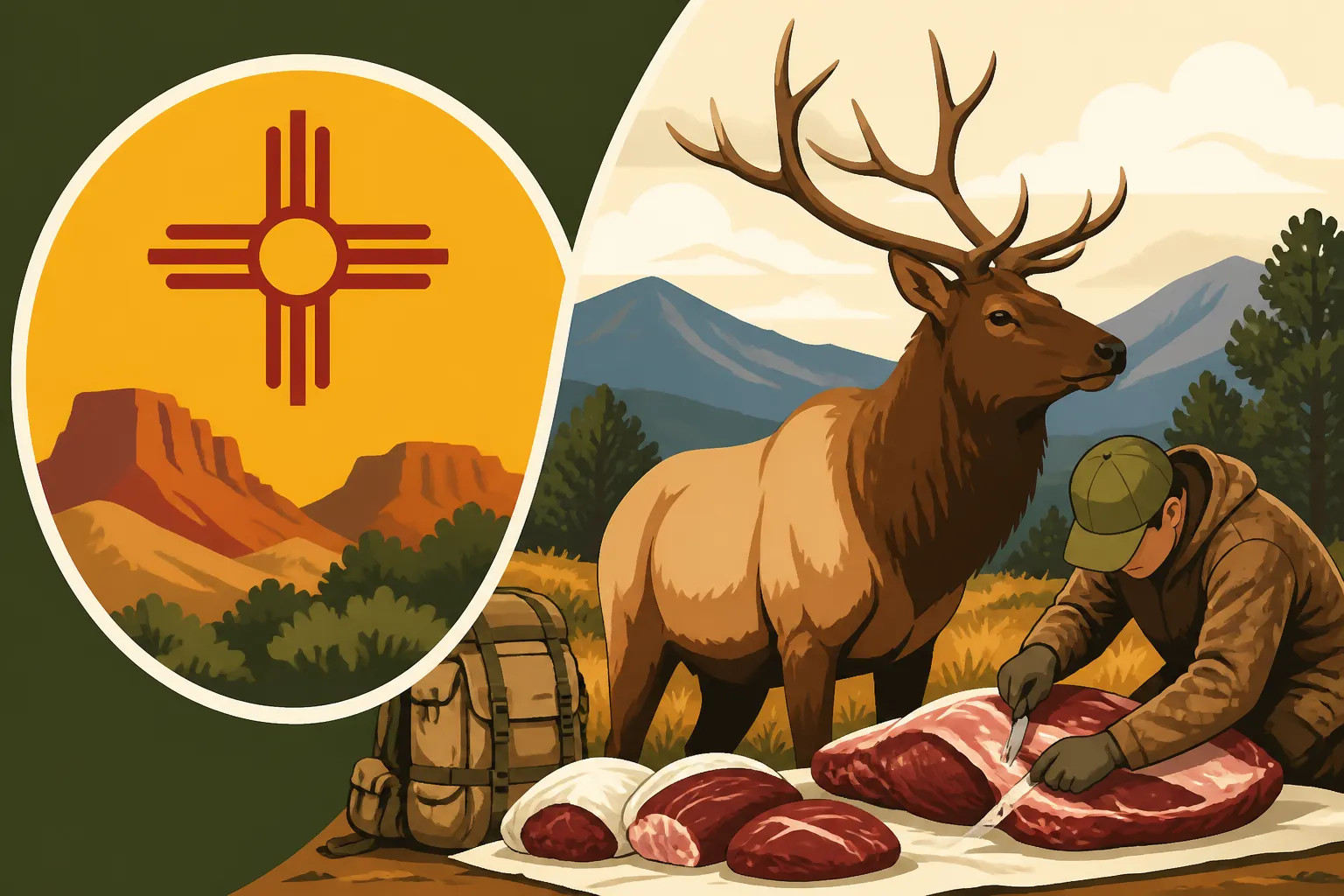
For larger animals like elk or oryx, quartering in the field is often the most practical, and sometimes only, way to get the animal out. This involves breaking the animal down into manageable sections (hindquarters, front shoulders, backstraps, tenderloins). Skinning the animal as soon as possible, even before quartering, dramatically aids in cooling the meat. Ensure all edible portions, as defined by NMDGF, are accounted for during this process. Placing the quartered meat into game bags and hanging them in the shade, off the ground, immediately after processing can make a world of difference in meat quality. This aligns perfectly with the advice on Getting Meat Cooled on an Early Season Hunt to prevent spoilage.
Retrieval and Storage
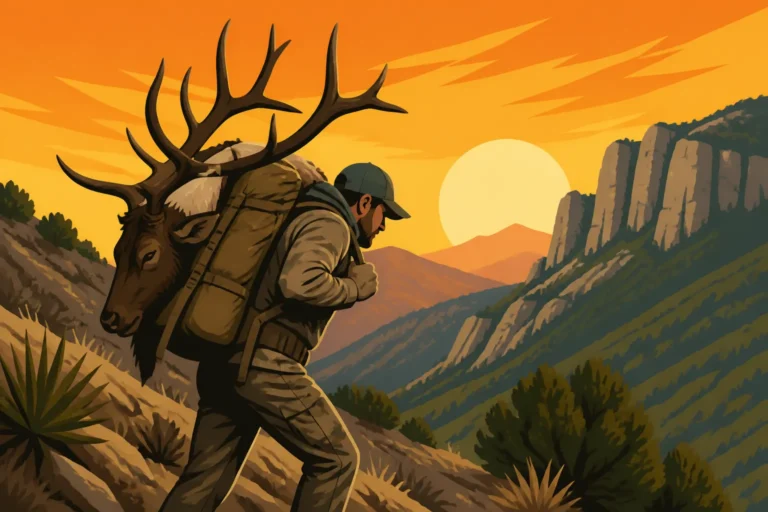
Once the meat is field-dressed and bagged, the next challenge is retrieval. Plan your extraction route to minimize unnecessary exertion and keep the meat cool. If you have a long pack out, consider making multiple trips or recruiting partners. The physical demands of Preparing Physically for a High Elevation Hunt become very real when carrying 50-100 pounds of meat over rugged terrain.
Upon reaching your vehicle or camp, transfer the meat into coolers filled with ice. Ensure the ice doesn't directly contact the meat by placing it in sealed bags or using dry ice if available. Keep the cooler drains open to allow melted water to escape, as sitting in bloody water will degrade meat quality. Your goal is to keep the meat as cold and dry as possible until you can get it to a processor or your home freezer. Don't forget that after all this work, you still have the legal requirement for How Soon You Must Tag a Downed Animal and Mandatory Reporting After a New Mexico Harvest. The rules don't end once the meat is in the cooler. Familiarize yourself with all the current NMDGF regulations, which you can typically find linked on the official website or through platforms like GoHunt that compile state-specific hunting information.
Consequences of Non-Compliance
Let's be blunt: failing to comply with New Mexico's meat salvage requirements isn't just an ethical misstep; it's a serious legal violation with tangible repercussions. The NMDGF takes waste of game meat very seriously, and for good reason. Violations undermine the very principles of wildlife conservation and responsible hunting.
The penalties for abandoning edible portions of big game can be substantial. These typically include significant fines, potentially ranging from hundreds to thousands of dollars, depending on the species and the severity of the waste. Beyond monetary penalties, offenders often face the suspension or revocation of their hunting licenses, which can mean being barred from hunting in New Mexico, and sometimes other states through interstate compacts, for several years. Imagine all the time and effort you put into Reading a New Mexico Hunt Code Before You Apply or scouting, only to lose your hunting privileges.
In some cases, especially egregious violations might even lead to criminal charges. The NMDGF and local law enforcement actively patrol and investigate reports of abandoned carcasses. Wildlife officers are trained to determine if edible meat has been left intentionally or due to truly unavoidable circumstances. They'll look at the amount of meat remaining, the condition of the carcass, and the accessibility of the location. The concept of "reasonable effort" will be a key factor in their assessment.
The impact extends beyond the individual hunter. Incidents of game waste reflect poorly on the entire hunting community, fueling anti-hunting sentiment and making it harder for wildlife agencies to secure public support for vital conservation programs. Every hunter has a responsibility to uphold the highest ethical standards, and proper meat salvage is a fundamental part of that commitment. Make sure you know Where the Current New Mexico Regulations Are Posted and review them annually. It's a small investment of time that protects your hunting future and the reputation of hunters everywhere.
Disclaimer
Please note: The information provided in this guide is for general informational purposes only and does not constitute legal advice. Hunting regulations can change, and interpretations may vary. It is the individual hunter's responsibility to consult the most current New Mexico Department of Game and Fish (NMDGF) regulations and laws before hunting. Always verify specific rules and requirements directly with the NMDGF or a qualified legal professional.