Getting a Mentor Number From New Mexico
It can feel overwhelming when you're a parent or guardian wanting to introduce a young person to the incredible world of hunting in New Mexico, especially with all the rules and regulations. Trying to figure out how to do it legally and safely through the state's Mentored Youth Program often leads to confusion, particularly around the elusive "mentor number." This guide is here to cut through that complexity, explaining exactly what a mentor number is, why it's crucial, and walking you through the straightforward process of obtaining one so you can share your passion with the next generation.
Understanding the New Mexico Mentored Youth Program
New Mexico has a fantastic program designed to get young, aspiring hunters out in the field safely and effectively, even before they complete a formal hunter education course. It’s a bridge for new hunters, allowing them to gain invaluable hands-on experience under the watchful eye of an experienced adult.
What the Program Is All About
At its heart, the New Mexico Mentored Youth Program is about mentorship. It recognizes that sometimes the best way to learn is by doing, right alongside someone who knows the ropes. This program allows youth who haven't yet completed hunter education to participate in hunts for big game, small game, and even migratory birds, provided they are accompanied by a licensed, certified adult mentor. It’s not just about pulling a trigger; it’s about teaching ethical hunting, wildlife conservation, firearm safety, and respect for the land and animals. Many states have similar initiatives, but New Mexico’s program is particularly well-structured to encourage participation while maintaining safety. For a deeper dive into the program's overall structure, you can read our comprehensive article, The New Mexico Mentored Youth Program Explained.
Who Qualifies as a Mentored Youth
The program is specifically tailored for young hunters who are eager to learn but haven't yet fulfilled the state's hunter education requirement. Generally, mentored youth must be under 18 years of age. The rules can be a little nuanced depending on their exact age, with some distinctions for those under ten compared to those over ten. The critical component is that the mentored youth must be a first-time hunter in the context of hunter education certification – they can't have already completed the course and then decide to go back to being a mentored youth. This ensures the program genuinely serves its purpose of introducing new participants to the sport. Understanding these age boundaries is key to ensuring your young hunter qualifies, and you can explore more specifics in our guide on Age Limits Inside the Mentored Youth Program. For instance, certain species or hunting methods might have different age considerations for the youth, and our article What Mentored Youth Under Ten May Hunt outlines what younger participants are eligible to hunt.
Why You Need a Mentor Number
You might be an experienced hunter with decades in the field, but without a specific "mentor number" from the New Mexico Department of Game and Fish (NMDGF), you cannot legally act as a mentor in this program. It's more than just a formality; it's the state's way of formally recognizing your commitment and eligibility to guide a new hunter.
The Legal Requirement for Mentors
To put it simply, the mentor number is your official badge of approval from the NMDGF. It signifies that you’ve registered with the state specifically to serve in this capacity. This isn't just good practice; it's a legal requirement. When you’re out in the field with a mentored youth, having that number means you’re compliant with the program’s regulations. It ensures that the person taking responsibility for a young, uncertified hunter has gone through the proper channels and understands the gravity of their role. This responsibility includes direct, uninterrupted supervision of the youth while hunting, ensuring all legal requirements for the hunt itself are met, and prioritizing safety above all else. New Mexico takes this seriously, and so should every aspiring mentor. Knowing How Old a New Mexico Mentor Must Be is also part of understanding the requirements for this vital role.
Distinguishing a Mentor Number from Hunter Education
This is where a lot of confusion often creeps in. Many seasoned hunters already possess a hunter education certificate from New Mexico or another state. This certificate is crucial for you to hunt legally on your own. However, your personal hunter education number is not the same as a mentor number. Think of your hunter education certificate as your driver's license for hunting; the mentor number is like a special endorsement that allows you to instruct a learner driver. The mentor number is a separate registration with the NMDGF that specifically designates you as eligible to guide a youth who does not yet have hunter education. While most mentors will have their own hunter education certification (and it's highly recommended), having that certification alone doesn't automatically grant you the mentor number. You still need to apply for the mentor number separately. It's a distinct credential for a distinct role, and clarity on this point is essential to avoid any misunderstandings in the field. Our guide, Can a Hunter Education Number Replace a Mentor Number?, provides further detail on this important distinction.
Step-by-Step Guide to Obtaining Your Mentor Number
Getting your mentor number isn't a complex ordeal, but it does require you to follow a specific process through the New Mexico Department of Game and Fish. Don't let the paperwork deter you; it's a small hurdle for a huge reward: introducing someone new to the outdoors.
Eligibility and Prerequisites
Before you even start the application process, it’s important to confirm you meet the fundamental requirements to be a mentor. First and foremost, you must be at least 18 years old. You should also hold a valid New Mexico hunting license for the current season, as this demonstrates your legal standing as an active hunter in the state. The NMDGF also expects mentors to have a clean record, meaning no prior game law violations that would deem you unfit to supervise a youth. While not explicitly stated as a prerequisite for the number, having significant hunting experience and a solid understanding of ethical hunting practices and wildlife conservation is paramount to being an effective mentor. You’re not just supervising; you’re teaching and instilling values. Additionally, if the youth is not your child, you'll need to secure Parental Consent Requirements for Mentors to ensure all parties are aware and agreeable to the arrangement. This groundwork ensures that only responsible and knowledgeable individuals are mentoring New Mexico's next generation of hunters.
The Application Process Online
The most straightforward way to obtain your mentor number is through the New Mexico Department of Game and Fish online licensing system. This is typically the same portal where you purchase your licenses and apply for draws.
Here’s a general rundown of what to expect:
- Visit the NMDGF Website: Head to the official New Mexico Department of Game and Fish website. Look for sections related to "Licenses," "Online Services," or "Hunter Education/Mentored Youth."
- Log In or Create an Account: If you already have a customer account with NMDGF (which you likely do if you've ever bought a license or applied for a hunt), log in using your customer ID and password. If you're completely new, you'll need to create a profile first. This typically involves providing personal details like your name, address, date of birth, and driver's license number.
- Navigate to Mentor Registration: Once logged in, search for an option like "Register as a Mentor," "Mentored Youth Program," or something similar. The exact wording might change from year to year, so don't be afraid to use the search function on their site if you can't find it immediately. Sometimes, external resources like GoHunt can provide up-to-date navigation tips or direct links to specific NMDGF forms, which can save you a lot of clicking around.
- Complete the Form: The online form will likely ask you to confirm your eligibility, perhaps acknowledge that you understand the rules of the Mentored Youth Program, and input your current hunting license information. This is where your details are officially linked to your new role as a mentor.
- Review and Submit: Double-check all the information you've entered. Once satisfied, submit the application. There typically isn't a fee associated with obtaining the mentor number itself, though you will, of course, need a current New Mexico hunting license to be eligible.
What Happens After You Apply
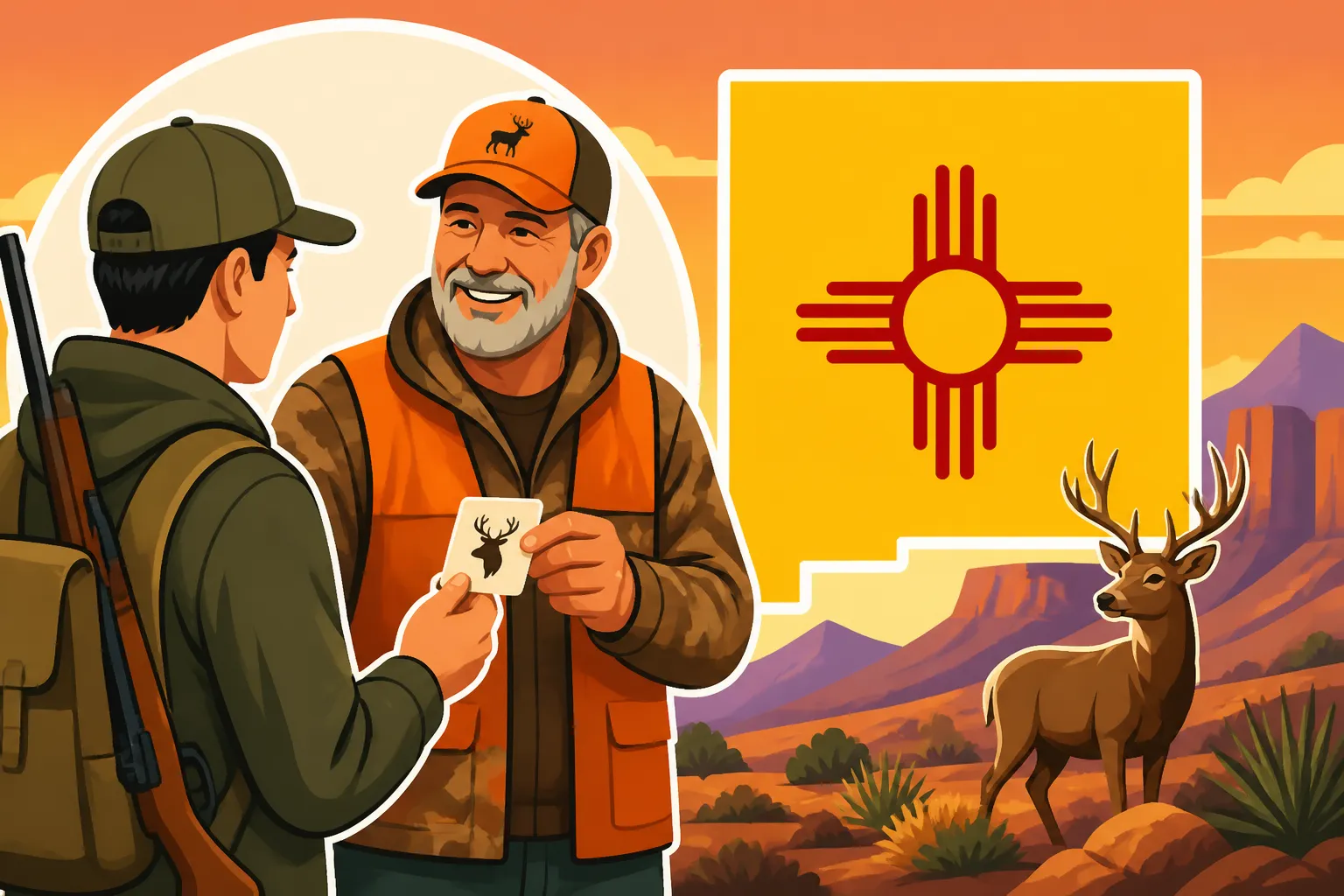
Once you've successfully submitted your application online, the NMDGF system will process your request. In most cases, if everything is in order, your mentor number will be issued almost immediately. This number will typically appear on your customer profile within the NMDGF online system. You might also receive a confirmation email with the number. It's not usually a physical card you carry, but rather a number associated with your hunting profile.
It’s crucial to know this number and be able to provide it if asked by a Game and Fish officer in the field. I highly recommend taking a screenshot of it on your phone or writing it down and keeping it with your hunting license and other permits. This way, you’re always prepared. This seamless online process is designed to make it as easy as possible for qualified individuals to participate in fostering future hunters, ensuring that the critical "mentor number" is readily accessible.
Maximizing the Mentored Youth Experience
Getting the mentor number is just the first step. The real journey begins when you take that young hunter into the field. This program is an incredible opportunity to create lasting memories and instill a deep appreciation for the outdoors.
Planning Your First Hunts
Choosing the right hunt for a mentored youth is crucial for building enthusiasm and confidence. You want to set them up for success, not frustration. Start with species that offer good opportunities and less demanding hunting conditions. Small game hunts for rabbits or squirrels can be excellent introductions, as they often provide more action and less pressure than pursuing a trophy elk. Dove or quail seasons are also fantastic for getting youth accustomed to shooting and field etiquette.
Consider the time of year and weather. An early archery deer season hunt might be too hot and physically demanding for a novice, while a crisp fall day for upland birds could be perfect. Focus on creating positive, safe experiences. Prioritize teaching proper shooting fundamentals, tracking, and ethical shot placement over simply harvesting an animal. Remember, the goal is to spark a lifelong passion. For specific guidance on what a mentored youth is permitted to hunt, make sure to check Which Species a Mentored Youth May Hunt in New Mexico. Also, being fully aware of Legal Shooting Hours and Blaze Orange in New Mexico will ensure compliance and safety during any mentored hunt.
Essential Gear and Preparation
Proper gear is vital for a comfortable and safe hunting experience for both you and your mentored youth. For firearms, ensure the youth is using a caliber they can handle comfortably, with manageable recoil. Many youth-sized rifles are available that fit smaller frames better, improving accuracy and reducing flinching. For archery, ensure the bow has a draw weight appropriate for their strength, as detailed in our guide on Minimum Bow Draw Weight for Big Game. Safety glasses and hearing protection are non-negotiables for any shooting activity.
Beyond weapons, think about clothing layers suitable for New Mexico's often unpredictable weather, sturdy boots, and plenty of water, especially for desert hunts. Practice, practice, practice! Before stepping foot into the hunting grounds, spend ample time at the range. Familiarity with their chosen weapon builds confidence and ensures ethical shots. Creating a routine for this, as discussed in Building a Practice Routine Before Opener, will pay dividends in the field. Tools like GoHunt can also be great for researching gear, reading reviews, and even e-scouting potential hunting locations to prepare the youth for what to expect.
Beyond the First Season: Continued Learning
The Mentored Youth Program is a fantastic starting point, but it's not the end of their hunting education. The program typically allows youth to participate for a couple of seasons or until they reach a certain age without needing hunter education, but the goal is always to transition them to certified hunters. Our article How Long Mentored Youth Status Lasts can provide more specific details on the duration.
Once your mentored youth has gained some experience and confidence in the field, encourage them to take a formal hunter education course. This comprehensive training covers everything from firearm safety and wildlife identification to ethical hunting practices and game laws in much greater detail than you can typically cover in the field. This step ensures they become fully independent and responsible hunters for life. Don't forget, the state requires The New Mexico Hunter Education Requirement for most hunters to obtain licenses independently, so it’s a crucial step in their progression. Continuing their education solidifies their foundation and commitment to responsible hunting, enriching both their outdoor experiences and the future of conservation.
Mentor Number and Hunter Education Overview
To clarify the distinct roles of a mentor number and a hunter education certification, here's a quick comparison:
| Feature | Mentor Number | Hunter Education Certification |
|---|---|---|
| Purpose | Allows an adult to supervise a youth hunter without hunter education. | Certifies an individual has passed hunter safety requirements. |
| Required For | Adults supervising uncertified youth hunters. | Most individuals (18+) to purchase a hunting license in New Mexico. |
| Issued By | New Mexico Department of Game and Fish (NMDGF) upon application. | NMDGF or approved hunter education provider after course completion. |
| Duration | Generally tied to your active hunting license and NMDGF account. | Lifetime (certificate does not expire). |
| Transferable | No, specific to the individual mentor. | No, specific to the individual. |
| Cost | Typically no separate fee, but requires a valid NM hunting license. | Course fees may apply (online/field day components). |
| What it Replaces | Allows youth to hunt without their own hunter education for a period. | Does not replace the need for an adult mentor number if supervising. |
Disclaimer
The information provided in this guide is for general informational purposes only and is not a substitute for the official New Mexico Department of Game and Fish regulations. Hunting laws and regulations can change, and it is the sole responsibility of every hunter to consult the most current NMDGF rules and information booklet before participating in any hunting activity.