Do Nonresidents Need New Mexico Hunter Education?
Navigating the myriad of regulations when planning an out-of-state hunt can be incredibly frustrating. One of the most common questions nonresidents grapple with is whether they need to jump through the hoops of a hunter education course, especially if they've hunted for years in their home state. This comprehensive guide is here to untangle the New Mexico hunter education requirements, specifically addressing how they apply to you as a nonresident, so you can focus on the excitement of planning your next adventure.
The Foundation: New Mexico's Hunter Education Requirement for All
Let's cut right to the chase: New Mexico takes hunter safety seriously, and that's a good thing for everyone in the field. Generally speaking, anyone born after January 1, 1957, who wants to purchase a hunting license in New Mexico, does need to provide proof of completing a hunter education course. This isn't just a rule for residents; it absolutely applies to nonresidents too. It’s a common misconception that if you’re certified in one state, you’re automatically good to go everywhere. While there’s a reciprocity aspect, it’s crucial to understand the nuances. The state wants to ensure that every hunter, regardless of where they hail from, has a baseline understanding of firearms safety, ethical hunting practices, wildlife conservation, and New Mexico-specific regulations.
Why Hunter Education Matters
Beyond just fulfilling a legal requirement, hunter education serves a vital purpose. It’s designed to create safer hunting environments by teaching responsible firearm handling, shot placement, and field care of game. It also instills a strong sense of ethical behavior, which is paramount when we're sharing the field and pursuing game. Think about it – if everyone understands the rules of the road and respects wildlife, our hunting heritage is stronger, and experiences are better for all involved. This is especially true in a state like New Mexico, where diverse landscapes, from high alpine forests to vast deserts, present unique challenges and demand a thoughtful approach. The goal isn't just to pass a test; it's to cultivate responsible, knowledgeable hunters who contribute positively to the conservation effort.
Who Needs to Take the Course
As mentioned, the core rule is for anyone born on or after January 1, 1957. If you were born before that date, you're typically exempt from the requirement. However, for those of us born later, regardless of residency, you'll need to demonstrate proficiency. This can be a bit of a hurdle for nonresidents who might have hunted for decades but never officially obtained a hunter education card because their home state didn't require it at the time or they fell outside their state's age requirement when it was implemented. It can feel like an unnecessary step, but it's a non-negotiable part of securing your license here. Always double-check your current certification status and the specific requirements, as rules can occasionally see updates. For a deep dive into the specifics, you can always refer to "The New Mexico Hunter Education Requirement" on our site.
Are There Exceptions to the Rule? Navigating Exemptions for Nonresidents
While the general rule is clear, there are indeed a few specific situations where a nonresident might be exempt from taking a New Mexico hunter education course. It’s not a free pass, but rather a recognition of equivalent training or specific circumstances designed to encourage youth participation.
Previous Certifications and Age Exemptions
If you’re a nonresident hunter and you’ve already completed a hunter education course that was certified by another state, province, or country, you’re usually in luck. New Mexico recognizes hunter education certifications from other jurisdictions as long as they meet the standards set by the International Hunter Education Association (IHEA). This is a huge relief for many experienced hunters. When you go to purchase your New Mexico hunting license, you'll typically need to provide your hunter education card number or documentation. Make sure this documentation is official and easily verifiable.
The age of the hunter also plays a significant role. If you were born before January 1, 1957, you are simply exempt, full stop. No card needed. For younger hunters, specifically those under the age of 11, New Mexico has specific provisions. Generally, hunters under 11 cannot hunt big game, but there are exceptions for mentored youth. For a full breakdown, check out "Who Is Exempt From Hunter Education".
The Mentored Youth Program: A Special Path
New Mexico offers a fantastic "Mentored Youth Program" that can be a game-changer for getting young hunters into the field, even before they complete a hunter education course. This program allows eligible youth, under the direct supervision of a certified adult mentor, to hunt certain species. The mentor must be 18 years or older, have a valid New Mexico hunting license, and be hunter education certified (or exempt due to age). They also need to obtain a specific mentor number from the department.
This program is specifically designed for first-time hunters and offers a two-year window for youth to gain experience before they must complete their own hunter education. It’s an invaluable way to introduce the next generation to our hunting traditions in a safe and structured manner. For nonresidents, this means a younger family member might be able to accompany you and hunt under your mentorship, opening up incredible opportunities for shared experiences. The exact age ranges and what species can be hunted vary, so familiarize yourself with "The Age Range for New Mexico Mentored Youth" and "What Mentored Youth Under Ten May Hunt" for all the details.
Here's a quick overview of who needs hunter education:
| Hunter Category | Born Before Jan 1, 1957 | Born After Jan 1, 1957 | Mentored Youth (First-Time Hunter) |
|---|---|---|---|
| New Mexico Resident Adult | Exempt | Required | N/A |
| New Mexico Resident Youth | N/A | Required | Permitted (2-year window) |
| Nonresident Adult | Exempt | Required (or certified in home state) | N/A |
| Nonresident Youth | N/A | Required (or certified in home state) | Permitted (2-year window) |
Getting Your New Mexico Hunter Education Certification
So, you've determined you need hunter education. What's next? New Mexico offers flexible options to ensure you can meet the requirements, whether you prefer online learning or a traditional classroom setting. The key is to plan ahead, especially if you're a nonresident, to ensure everything is in order before your hunt.
Online vs. In-Person Courses
For many nonresidents, the convenience of an online hunter education course is incredibly appealing. Several online platforms are approved by the New Mexico Department of Game and Fish (NMDGF) and are IHEA-certified, meaning they’ll be recognized. These courses allow you to complete the bulk of the coursework at your own pace, from anywhere. They cover all the critical information, from safe firearm handling and archery basics to game identification and wildlife conservation principles.
While the online portion is comprehensive, it often needs to be paired with a mandatory "field day" or practical component. This hands-on session is where you demonstrate practical skills like safe gun handling, shooting proficiency, and often participate in mock hunting scenarios. This ensures that simply memorizing facts isn't enough; you can actually apply the safety principles in a real-world setting. To understand the time commitment for the online modules, you might want to look at "How Long the Online Hunter Education Course Takes".
If you prefer a more traditional learning environment, in-person courses are also available, typically offered through various community organizations, sporting goods stores, or NMDGF offices. These courses combine classroom instruction with the practical field experience. For nonresidents, finding and scheduling an in-person field day or full course in New Mexico might require a bit more coordination, so be sure to check the NMDGF website for schedules and locations well in advance of your planned hunt.
Field Days and Practical Experience
The field day is often the most critical and sometimes overlooked part of hunter education. It’s one thing to read about muzzleloader safety; it’s another to demonstrate loading and unloading safely under supervision. For bowhunters, it involves proving proficiency and understanding broadhead requirements. These practical sessions are invaluable for reinforcing safety habits that can prevent accidents in the field. They usually include live-fire exercises, where you'll demonstrate your ability to shoot accurately and safely, adhering to commands and best practices. Expect to learn about responsible firearm care, proper carrying techniques, and ethical shot placement on various game animals. It's truly where the rubber meets the road. For more on what to expect, refer to "Does Hunter Education Include a Field Day?".
Replacing a Lost Card
Life happens, and sometimes those little plastic cards or paper certificates get lost, misplaced, or chewed up by the family dog. If you find yourself in this predicament, don't panic! The NMDGF has a process for replacing lost hunter education cards. Typically, you can request a duplicate online or by contacting the department directly. They’ll usually verify your completion records and issue a new card. It’s always a good idea to keep a digital copy or a photo of your card on your phone, just in case. Having that documentation readily available is crucial when purchasing licenses or if you're ever asked to present it by a game warden. For the step-by-step process, our guide on "Replacing a Hunter Education Card You Lost" has you covered.
Planning Your New Mexico Hunt: Beyond Hunter Education
Once you've got your hunter education squared away, you're past a significant hurdle, but the journey to a successful New Mexico hunt is just beginning. As a nonresident, there's a lot more to consider, from navigating the draw system to understanding the diverse landscapes and species you might encounter.
Understanding Licensing and Fees
New Mexico operates on a draw system for many big game species, especially elk and quality deer tags. This means you’ll need to apply for a tag well in advance – typically by mid-March for most species. Even if you draw a tag, you’ll still need to purchase a general game hunting license, which is required for anyone hunting big game. Nonresident fees can be significantly higher than resident fees, so it's essential to budget accordingly. Understanding the fee structure, the application process, and the odds of drawing a tag is paramount. New Mexico allocates tags into different pools: 84% for residents, 10% for outfitters, and 6% for nonresidents. This means nonresident odds can be tougher. Take some time to read up on "New Mexico Splits Every Hunt 84, 10 and 6 Percent" to grasp the tag allocation system. You'll also want to familiarize yourself with "New Mexico Application Fees Per Species" to avoid any surprises.
Scouting and Unit Selection
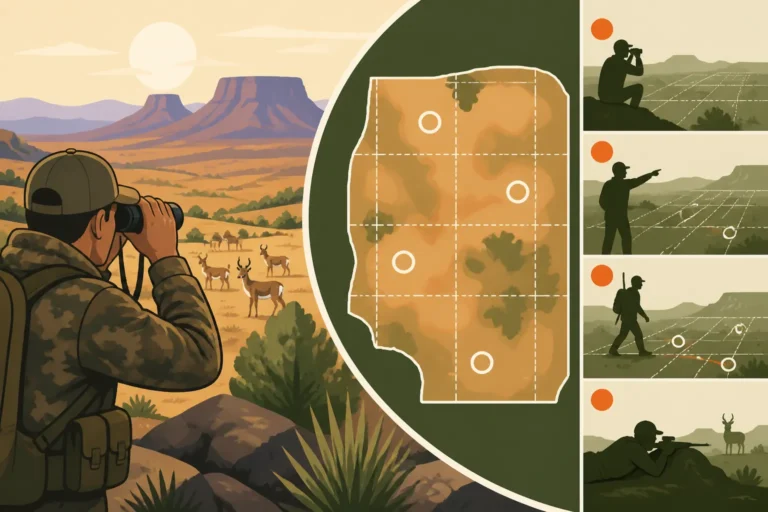
New Mexico boasts an incredible array of hunting opportunities, from mule deer in the high country to pronghorn on the eastern plains, and of course, the legendary elk of the Gila National Forest. Selecting your unit is a critical step, especially as a nonresident, as public land access, terrain, and game densities vary wildly. Tools like GoHunt's Insider platform can be invaluable here. They offer detailed draw odds, unit profiles, and filtering options that can help you identify units that best match your physical capabilities, desired species, and hunting style. You can compare hunt codes, analyze success rates, and even overlay land ownership maps to ensure you're applying for an accessible and promising area. Before you apply for any tag, make sure you've spent significant time e-scouting. Resources like "E-Scouting a New Mexico Unit Before the Season" can provide a fantastic starting point, utilizing modern technology to understand the terrain and potential animal movements.
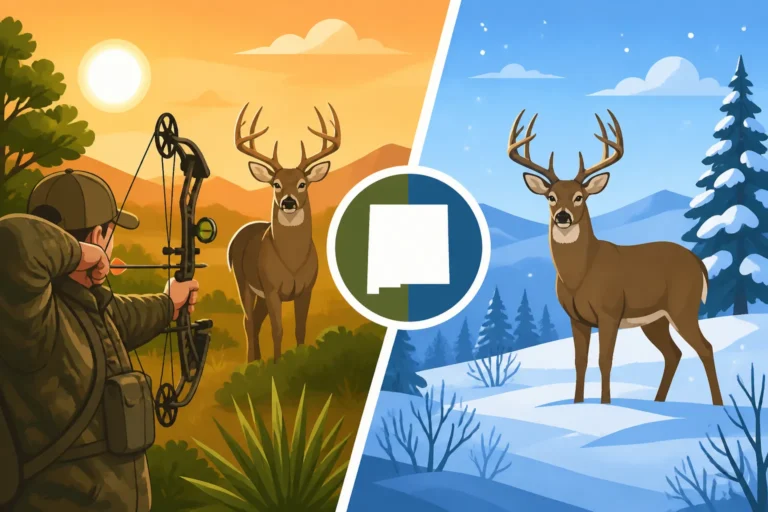
You’ll want to research specific season dates for your chosen species and unit. For instance, New Mexico has unique structures like "New Mexico's First and Second Archery Deer Seasons", which might impact when you plan your trip. Early scouting, whether through satellite imagery or even boots on the ground if feasible, will vastly increase your chances of success. Understanding the terrain, water sources, and potential bedding areas will pay dividends. Many nonresidents hire outfitters to guide them through the process and the rugged terrain, but a do-it-yourself approach is entirely possible with thorough preparation.
Disclaimer
Please note: Hunting regulations and requirements can change. While every effort has been made to provide accurate and up-to-date information, it is the hunter's responsibility to consult the official New Mexico Department of Game and Fish regulations booklet or website for the most current rules and requirements before applying for a license or heading into the field. This guide is for informational purposes only and should not be considered legal advice.