Getting on an Outfitter Waiting List
It’s a familiar story for many New Mexico hunters, especially non-residents: you pour over the regulations, strategize your choices, pay your application fees, and then the draw results hit. More often than not, it's disappointment. Finding a way into a coveted hunt after the draw closes or after all the early bookings are gone can feel impossible, but that's precisely where an outfitter waiting list becomes a potential lifesaver. This guide will walk you through how to navigate these often-overlooked opportunities, giving you a fighting chance to get into the field when you thought your season was over.
Why Outfitter Waiting Lists Are Your Best Kept Secret
The New Mexico draw system, with its unique allocation pools and lack of preference points, means every year is essentially a fresh start. While this offers hope to new applicants, it also means that drawing a tag for a prime unit or species can feel like winning the lottery, even for seasoned hunters. Outfitter waiting lists offer a pragmatic alternative, a kind of second chance, for those who didn't beat the odds.
The Frustration of the New Mexico Draw System
Let's be honest, the New Mexico draw can be brutal. You spend weeks dreaming of a big bull elk or a massive mule deer, meticulously picking your units and hunt codes, only to receive that dreaded email or see "unsuccessful" on your application status. It’s a gut punch, especially when you know that New Mexico Draw Odds Do Not Improve With Time. Unlike some other states where years of applying might eventually pay off with a guaranteed tag, New Mexico's pure lottery system keeps everyone on an equal, often frustrating, footing. For many, after the dust settles from the main draw, the prospect of hunting that year feels dim.
This frustration is compounded by the fact that many of the best hunts, particularly for species like elk and Oryx, are heavily oversubscribed. Even with the New Mexico Outfitter Draw and Its Two-Day Rule offering a slightly different pool for guided clients, drawing a tag remains a long shot. This means that a significant number of hunters, both residents and non-residents, find themselves without a primary tag and scrambling for options. It's during this scramble that the concept of an outfitter waiting list moves from a niche idea to a vital strategy. You've invested time, hope, and money into the draw process, and a waiting list could very well be the key to salvaging your hunting season.
Understanding How Waiting Lists Work
So, what exactly is an outfitter waiting list? It's not a magic bullet, but rather a dynamic inventory management system for guides. Reputable outfitters often book out their prime hunts months, sometimes even a year or more, in advance. However, life happens. Clients might have unexpected medical issues, job changes, or family emergencies that force them to cancel their hunts. Sometimes, an outfitter might acquire a few extra landowner tags (EPLUS tags) late in the game, or simply have a spot open up due to unforeseen circumstances. These are the openings that waiting lists are designed to fill.
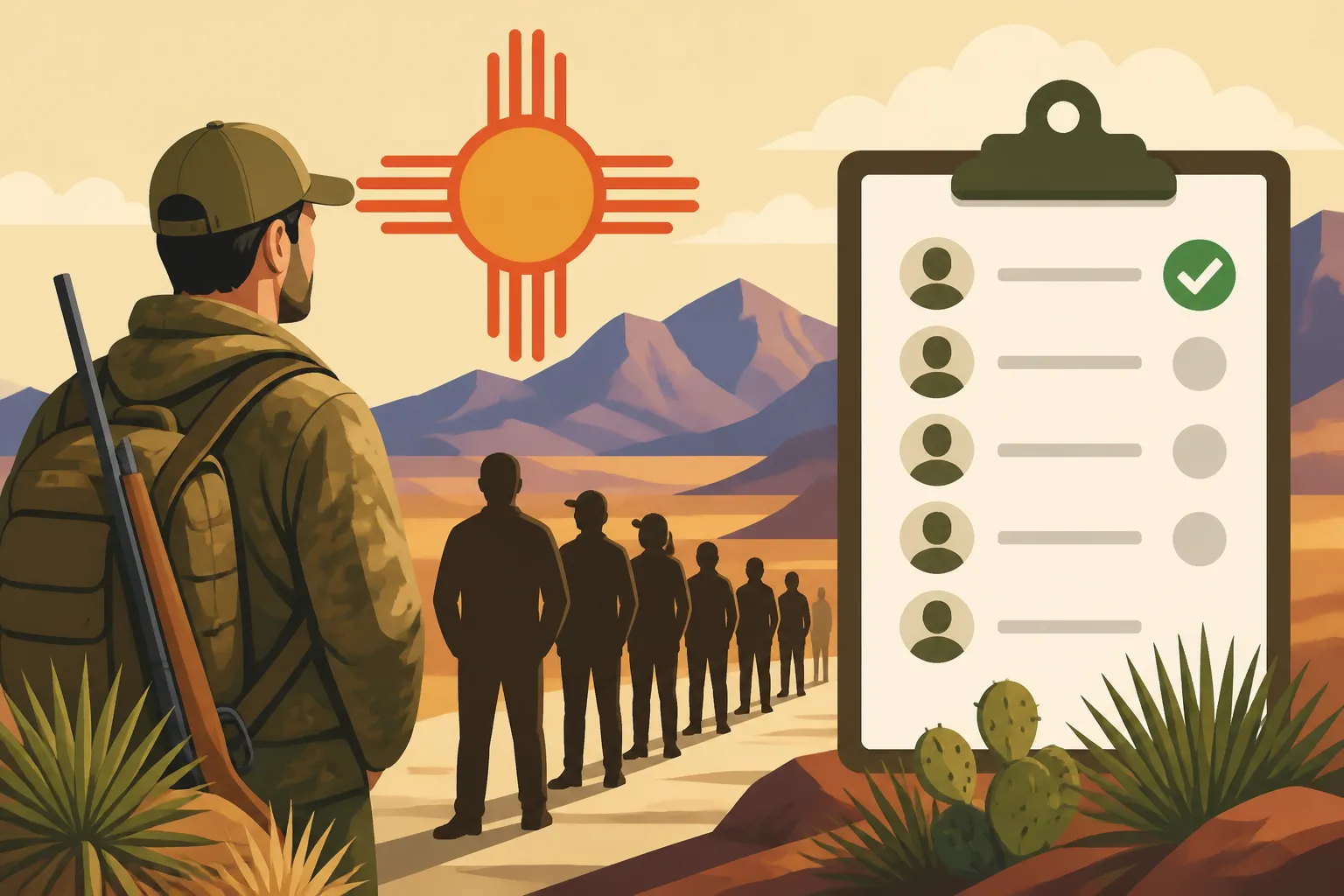
When a spot opens, outfitters don't want it to go unfilled. An empty spot means lost revenue and potentially a missed opportunity to provide a great experience. This is where your name on their waiting list comes in. Instead of starting from scratch to find a new client, they can quickly call down their list of eager hunters. These openings can happen for various reasons: perhaps a client failed to draw their desired unit tag after applying through the outfitter pool, or a late cancellation due to a conflict closer to the hunt date. The outfitter has a vested interest in filling that spot efficiently, and a well-maintained waiting list is their most effective tool for doing so. It’s essentially a priority queue for hunters who are flexible and ready to commit at short notice.
How to Get Your Name on a New Mexico Outfitter Waiting List
Getting on a waiting list isn't just about sending a quick email; it's about a strategic, proactive approach. You need to present yourself as an ideal client who is serious, prepared, and flexible enough to seize an opportunity when it arises. Many hunters wait until they fail the draw to even consider this, but the smart move is to start before draw results come out.
Researching and Contacting Outfitters Proactively
The first step is to identify reputable New Mexico outfitters who specialize in the species and units you’re interested in. Don't wait until August to start this process. Begin your research well in advance, even when applications for the draw are still open. Websites like BookYourHunt and GoHunt can be excellent starting points for discovering outfitters operating in New Mexico. These platforms often feature outfitter profiles, client reviews, and details on the types of hunts they offer. Use these resources to compile a list of 5-10 outfitters that align with your hunting goals.
Once you have your list, don't just send a generic inquiry. Personalize your outreach. Visit the outfitter’s direct website, check their social media, and try to get a feel for their operation. Then, reach out directly via email or phone. Explain your interest in their services, mention the species you're targeting, your preferred weapon (e.g., archery, muzzleloader, rifle), and your desired hunt dates. Crucially, explicitly state that you're interested in being added to their waiting list for any potential openings, especially if you anticipate not drawing a primary tag or if you're looking for a last-minute opportunity. This proactive approach shows you're serious and organized, making you a more attractive candidate when a spot opens up.
What Information Outfitters Need From You
When you contact an outfitter to get on their waiting list, be prepared to provide clear, concise information. While you don't need a full resume, outfitters are looking for reliable clients who can quickly commit and fit into their existing schedule and group dynamics. Here's what they'll typically want to know:
- Contact Information: Obvious, but ensure you provide reliable phone numbers and email addresses.
- Target Species and Weapon Type: Be specific. Are you looking for elk (bull or cow), mule deer, Oryx, or something else? Is it an archery, muzzleloader, or rifle hunt? Reading a New Mexico Hunt Code Before You Apply will help you understand the options.
- Desired Season/Dates: While flexibility is key, give them a general idea of your availability. Are you hoping for a September archery elk hunt, or are you open to a late-season rifle deer hunt?
- Flexibility: This is huge. Are you tied to specific dates, or can you drop everything and go with a week's notice? Are you willing to consider different units or even different species if an opportunity arises?
- Hunter Profile: Briefly mention your experience level and physical condition. For example, if you're looking at a backcountry elk hunt in the Gila, being able to say you're physically prepared for high-elevation, rugged terrain is important. Outfitters want to know you'll be able to keep up and have a successful hunt. This includes your Preparing Physically for a High Elevation Hunt efforts.
- Commitment: Make it clear you are genuinely ready to book and make a deposit if a suitable opening appears.
Outfitters often deal with many inquiries, so making their job easier by providing relevant details upfront increases your chances. Some might even have a specific form or questionnaire for their waiting list applicants. Fill it out completely and accurately.
The Importance of Flexibility
If there's one golden rule for successfully landing a hunt from a waiting list, it's flexibility. The openings that come up are often unpredictable in terms of timing, location, and even the exact species or sex of animal available. An outfitter might call you on a Tuesday morning with an offer for a hunt that starts that Friday. If you can't drop everything and commit, that opportunity will likely go to the next person on the list.
Consider the following aspects of flexibility:
- Dates: Can you take time off work at short notice? Are you able to shift your plans if a prime mid-week hunt opens up instead of your ideal weekend slot?
- Units/Locations: While you might have a dream unit in mind, a waiting list spot might come from an entirely different area. Be open to exploring new terrain. An outfitter might suddenly have an opening for a Hunting New Mexico From 4,000 Feet to 10,000 hunt that isn't exactly where you envisioned, but it's a hunt!
- Species/Sex: Maybe you applied for a bull elk, but a cow elk tag becomes available on a waiting list. For some, getting any elk hunting experience is the priority.
- Group Size: Could you join an existing partial group, or would you be willing to hunt solo if that's the only opening?
The more flexible you are, the higher your chances of getting a call and securing a spot. This isn't about compromising on your fundamental hunting values, but rather about being realistic that waiting list opportunities are often about seizing the moment. Having your bags packed, your finances in order, and your calendar cleared can make all the difference when that call comes in.
Managing Expectations and What to Do While You Wait
Getting on an outfitter waiting list is a proactive step, but it's important to set realistic expectations. It's not a guaranteed ticket, and many factors are out of your control. However, there are still things you can do to maximize your readiness and keep other options open.
Understanding the Likelihood of a Call
While waiting lists are fantastic opportunities, they aren't a guarantee that you'll get a call. The number of openings an outfitter has varies wildly from year to year, depending on cancellations, draw results for their clients, and whether they acquire additional tags. Some years might be flush with last-minute spots, while others are completely booked solid. Highly desirable hunts, like prime Gila elk tags, might have long waiting lists, meaning your chances are still competitive.
The "sweet spot" for receiving a call is often closer to the season. Clients sometimes back out a month or two before the hunt, or even in the final weeks, as unexpected life events materialize. Don't be discouraged if you don't hear anything for months after getting on the list. Many outfitters prioritize filling spots quickly, so when they call, they expect a prompt decision. Be honest with yourself about your ability to drop everything and go. If you know you absolutely cannot commit to a hunt with short notice, a waiting list might not be the most effective strategy for you.
Preparing for a Last-Minute Opportunity
Being on a waiting list isn't just a passive activity; it requires preparation. If you do get that call, you'll need to be ready to commit financially and logistically almost immediately.
- Financial Readiness: Know your budget and have the funds accessible for a deposit and the full hunt cost. Outfitters typically require a deposit right away to secure the spot, with the remainder due closer to the hunt. Understand the New Mexico Application Fees Per Species you'd pay for a tag, and the outfitter's total fee structure.
- Gear Preparedness: Don't wait until you get the call to realize your boots are shot or your rifle isn't sighted in. Keep your hunting gear in a state of readiness. If it's a rifle hunt, ensure your rifle is zeroed. For archery, keep practicing your shot cycle.
- License and Hunter Education: Make sure your basic hunting license is in order. For non-residents, this means the Nonresident New Mexico Game Hunting License. If you're new to hunting or haven't taken a course, consider getting your Hunter Education certificate completed, as it's required for most hunters unless Who Is Exempt From Hunter Education.
- Physical Conditioning: Even a semi-guided or fully guided hunt can be physically demanding, especially in New Mexico's rugged terrain. Maintaining a reasonable level of fitness means you'll be ready for any opportunity, from a mountain elk hunt to a desert Oryx stalk. Altitude Preparation for a Gila Elk Hunt can be crucial depending on the unit.
- Travel Logistics: Have a rough idea of how you'd get to New Mexico on short notice. If flying, research potential flight options. If driving, ensure your vehicle is ready for a road trip.
Being prepared not only increases your chances of accepting an offer but also makes the transition smoother once you've committed. It shows the outfitter you're a serious and organized hunter.
Booking Alternatives and Backup Plans
While waiting lists are a great option, they shouldn't be your only option. Always have backup plans in place.
- Future Draw Applications: Even if you're on a waiting list, continue to apply in the New Mexico draw each year. It's still the primary way to get a tag. You never know when your luck might turn.
- Leftover Tags: New Mexico often has New Mexico Leftover License Sales for undersubscribed hunts after the main draw and first-come, first-served sales. These are usually for less popular units or species, but they can offer an affordable and accessible hunting opportunity. Keep an eye on the Game and Fish website for these announcements, usually in July or August.
- DIY Public Land Hunts: Don't discount the possibility of a Planning a DIY Public Land Hunt in New Mexico. New Mexico boasts over 30 million acres of public land, and with proper research and scouting, a self-guided hunt can be incredibly rewarding, even if it requires more effort. Learning to e-scout and understanding public land access can open up many doors.
- Private Land Leases/Trespass Fees: In some areas, particularly the Eastern Plains for antelope or private ranches for deer, you might be able to secure a trespass fee arrangement with a landowner, often providing access without the full services of an outfitter. This might also be a good backup for hunting New Mexico's Eastern Plains.
By exploring multiple avenues, you increase your odds of punching a tag in New Mexico, whether through the draw, a waiting list, or a different hunting strategy entirely.
Key Considerations for Non-Residents and Specific Hunts
For non-residents, the journey to a New Mexico tag can be particularly challenging, making outfitter waiting lists an even more critical tool. Certain species and hunt types also lend themselves better to this strategy.
Non-Resident Challenges and Opportunities
New Mexico allocates tags through a tiered system: 84% to residents, 10% to clients of registered outfitters, and a mere 6% to non-residents who apply without an outfitter. This significant disparity means that for non-residents, drawing a tag in the general pool is an uphill battle. The 10% outfitter pool can slightly improve odds for non-residents if they book with an outfitter and apply through that pool, but even then, it's not a guarantee.
This is where waiting lists become even more valuable for out-of-state hunters. An outfitter who has a cancellation from another non-resident client, or who acquires a landowner tag that they can sell, might find themselves with an unexpected opening. Because the general non-resident pool is so competitive, having your name on multiple outfitter waiting lists can significantly increase your chances of finding a guided hunt. You're essentially casting a wider net for those scarce non-resident opportunities. Just be sure you understand the nuances of the New Mexico Outfitter Draw and Its Two-Day Rule and the requirements for How Many Days a New Mexico Outfitter Must Accompany You if you apply through that pool.
Specific Hunts Where Waiting Lists Shine
While a waiting list can potentially help with any species, some hunts are particularly well-suited to this strategy due to their high demand or unique booking patterns.
- Elk Hunts: New Mexico is renowned for its trophy elk, especially in units like the Gila. New Mexico Elk Are Why the Gila Draws Everyone is a common refrain. These tags are incredibly difficult to draw. Many outfitters specialize in elk, meaning they are likely to have cancellations or EPLUS tags become available, particularly for archery or muzzleloader seasons.
- Oryx Hunts: The unique and highly sought-after Oryx hunts, especially those on the White Sands Missile Range, are often once-in-a-lifetime opportunities. Hunting Oryx on an Active Missile Range is an experience like no other, and the tags are extremely limited. Outfitters who have these permits often maintain waiting lists for clients who missed out in the draw or are looking for a rare chance.
- Bighorn Sheep and Ibex: These are "dream hunts" for many, with draw odds that can be astronomically low. While openings are rare, being on a waiting list with an outfitter who specializes in these hunts might be your best bet if you ever hope to chase a Desert Bighorn or Persian Ibex in the Florida Mountains.
- Barbary Sheep: Often less in demand than elk or Oryx, Barbary sheep hunts can still be challenging to book. An outfitter specializing in chasing Aoudad in the rugged canyon country might have more consistent waiting list opportunities.
By targeting specific outfitters based on the species you're most interested in, you can strategically place yourself in line for the types of hunts that are most meaningful to you. Always remember to perform your due diligence, asking questions and vetting any outfitter thoroughly before committing, as described in Vetting a New Mexico Outfitter Before You Send a Deposit.
Pros and Cons of Using an Outfitter Waiting List
| Feature | Pros | Cons |
|---|---|---|
| Opportunity | Provides a "second chance" for coveted tags after the draw. | No guarantee of a spot; still relies on chance openings. |
| Flexibility | Ideal for hunters who can be spontaneous and ready to go quickly. | Requires significant flexibility in scheduling, location, and even species. |
| Access | Can open doors to hunts in prime units often oversubscribed in the draw. | Openings often occur with short notice, requiring quick decision-making. |
| Outfitter Support | You still get the benefits of a guided hunt if a spot opens up. | Limited choice in specific dates, units, or types of hunt offered. |
| Effort | Less effort than re-researching and booking new hunts after draw failure. | Requires upfront research and communication with multiple outfitters. |
| Cost | Still subject to regular guided hunt costs, which can be significant. | Financial readiness is key, as deposits are often required immediately. |
Disclaimer
This article is for general informational purposes only and does not constitute professional advice. Laws, prices and regulations vary by location and change over time. Consult a qualified professional for guidance on your specific situation.