Why New Mexico Gila Outfitters Book Two Years Out
It’s a scenario many of us have faced: you finally decide this is the year you’re going to chase those legendary New Mexico elk, you pick up the phone to call an outfitter, only to hear, “We’re completely booked for the next two seasons.” The disappointment can be crushing, and it leaves you wondering how anyone ever gets a spot. This guide is going to peel back the layers on why New Mexico Gila outfitters, in particular, often have their calendars full years in advance, and what you can do to navigate this competitive landscape.
The Intense Demand for New Mexico Gila Elk Hunts
Let's be real, the Gila National Forest isn't just any chunk of public land; it's a legendary destination for elk hunting. Word gets around, and the reputation of this country and its animals draws hunters from all corners of the globe. This high demand is the primary driver behind outfitters booking out so far in advance.
The Gila's Reputation for Trophy Quality
For decades, the Gila has been synonymous with giant bulls. We're talking about the kind of animals that make your jaw drop, the ones that fill magazine covers and fuel hunting legends. The sheer size of the wilderness areas like the Gila Wilderness and the Aldo Leopold Wilderness within the Gila National Forest means that elk have vast, unpressured areas to mature. The forage, the genetics, and the challenging terrain all contribute to an environment where elk can truly thrive and grow impressive antlers. Hunters dream of bugling in a bull that's never heard a human call before, and the Gila offers that possibility, even if it's a tough endeavor.
This reputation isn't just anecdotal; the harvest data and trophy records speak for themselves. Outfitters who consistently put clients on these caliber animals become highly sought after, and their reputation spreads like wildfire through hunting forums and word-of-mouth. If you've been reading about Why the Gila Produces Record Book Bulls, you understand the allure. Because the Gila is so vast and challenging, a great outfitter provides invaluable experience and logistical support that many hunters simply can't replicate on their own.
Limited Tags and the Draw System Challenge
New Mexico operates on a lottery draw system for most of its coveted big game tags, especially for elk. This means there's a finite number of tags available each year, and far more applicants than tags. The Gila units, being premium elk country, are incredibly tough draws for residents and especially for nonresidents.
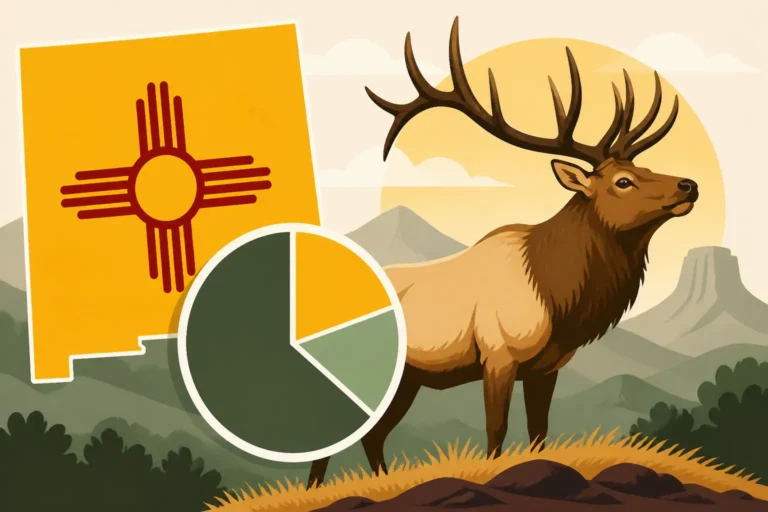
When you apply for a tag in New Mexico, you're usually putting in for one of three pools: the general resident pool, the outfitter pool, or the nonresident unguided pool. The outfitter pool is a crucial piece of this puzzle, as New Mexico reserves a portion of its tags specifically for clients who book with a registered outfitter. While this can sometimes slightly improve a nonresident's odds compared to the general nonresident pool, it doesn't mean tags are easy to come by. Outfitters often have clients who apply with them year after year, building up a relationship and a shared goal of finally drawing that elusive tag. This loyalty, combined with the general scarcity, means that once an outfitter commits to a client, that slot is effectively taken for that specific hunt period, often for multiple years until they draw. It's an intricate system, and understanding New Mexico Splits Every Hunt 84, 10 and 6 Percent helps clarify why tags are so precious.
The Outfitter Pool's Role in Demand
The existence of the outfitter pool, which sets aside ten percent of all big game tags for those applying with a licensed guide, directly influences booking cycles. While it offers a distinct pathway to drawing a tag, it also means that outfitters are managing a roster of hopeful clients. Many of these clients commit to an outfitter for a multi-year effort, applying year after year through that outfitter's pool until they are successful. This commitment ties up potential hunting spots in the outfitter's schedule, even if a client doesn't draw a tag in a particular year.
Think about it from an outfitter's perspective: they want to cultivate long-term relationships with clients, especially if those clients are committed to the draw process. They also have a business to run and need to plan their seasons, staffing, and logistics far in advance. Accepting a new client means potentially displacing an existing client who has been loyal, or simply adding another name to an already long waiting list. This continuous cycle of re-applications and deferred hunts means that an outfitter's calendar can be spoken for even before new tags are allocated. The details of The New Mexico Outfitter Draw and Its Two-Day Rule highlight the specific obligations and structure that shape these relationships.
Logistics and Planning: A Two-Year Chess Game
Running a high-quality guided hunt in the vast, rugged terrain of the Gila is an enormous logistical undertaking. It's not just about showing up with a rifle; it's a complex operation that requires meticulous planning and significant investment. This intricate dance of resources is another reason why outfitters have to think two years, or even further, down the road.
Securing Tags and Application Windows
The foundation of any hunt is, of course, the tag. For Gila elk, these are overwhelmingly draw tags. The application period for New Mexico's big game draw is typically in early spring, with results often posted in late spring or early summer. If a client is hoping to draw a Gila elk tag, the outfitter needs to have that client committed and their application ready well before the March deadline. For popular hunts, clients might even book with an outfitter a year or more before they even apply, just to ensure they have a spot with that outfitter if they draw.
This means that by the time the application period for the next hunting season even opens, many outfitters have already filled their hypothetical schedule based on long-standing client relationships and multi-year draw attempts. It's a game of foresight and commitment. If you're new to the New Mexico draw, you should definitely read up on All New Mexico Applications Close March 18 at 5 p.m. to understand the timeline. Some outfitters even work with services like GoHunt to help clients understand their odds and apply strategically, further emphasizing the planning involved.
Allocating Resources: Guides, Horses, and Camps
Imagine coordinating a team of experienced guides, wranglers, camp cooks, and stock animals for multiple hunts running concurrently or back-to-back in remote wilderness. This isn't a simple task. Good guides are highly skilled and in high demand themselves. Experienced wranglers and well-trained horses or mules are essential for navigating the steep canyons and dense timber of the Gila, especially when you're packing out an elk.
Outfitters need to secure these resources far in advance. They have to know how many clients they anticipate for a given year to determine how many guides they need to hire, how many horses to prepare, and how many base camps or drop camps to establish. These camps require considerable setup and maintenance, from tents and cooking gear to food supplies and emergency equipment. This allocation process for such specialized human and animal resources simply cannot be done last-minute. If you're curious about the deeper logistics, you might find What a New Mexico Drop Camp Actually Includes enlightening.
Building and Maintaining Client Relationships
Hunting, especially a challenging Gila elk hunt, is a deeply personal experience. Clients aren't just looking for someone to lead them to an animal; they're looking for a trusted partner who understands their goals, their physical abilities, and their expectations. Outfitters build these relationships over years, sometimes over a lifetime. A client might not draw a Gila tag for several seasons, but if they trust their outfitter, they’ll keep coming back and applying through them.
This loyalty is a huge asset for an outfitter. It creates a stable client base and allows them to provide more personalized service. It’s also why they prioritize existing clients. When you call an outfitter and they say they're booked two years out, it's often because those slots are implicitly held for clients who have been applying through them for years, or who have already proven their commitment. Services like BookYourHunt can help connect new hunters with outfitters, but even there, popular outfitters will have their books full.
Why Early Booking Benefits Both Hunter and Outfitter
While it can be frustrating to plan so far ahead, there are significant advantages for both the hunter and the outfitter when bookings happen well in advance. It's a mutual investment in a successful hunt.
Ensuring Your Spot and Preferred Dates
For the hunter, booking early is the only real way to guarantee a spot with a highly reputable Gila outfitter, especially for peak rut hunts or specific primitive weapons seasons like those outlined in Primitive Weapons Hunting in New Mexico's Unit 15. If you wait until a few months before the season, the best outfitters—and often all outfitters—will be completely booked. This is particularly true for nonresident hunters who have limited time and significant travel expenses. Knowing you have an outfitter locked in, even if it's two years out, brings a sense of security and allows you to plan your life around that hunt.
You also get your choice of dates. If you have specific personal or professional commitments, or if you're aiming for a particular phase of the rut, booking early gives you the best chance to align your schedule with the outfitter's availability.
Time for Physical and Mental Preparation
A Gila elk hunt is not for the faint of heart. The terrain is brutal, elevations can be significant, and you'll be covering miles each day. Booking two years out provides ample time to get into the necessary physical condition. This isn’t just about being able to walk; it's about being able to hike, climb, and carry weight for extended periods in thin air. Preparing physically for a hunt like this is critical, as discussed in Altitude Preparation for a Gila Elk Hunt.
Beyond the physical, there's the mental game. You have time to research the unit, understand the elk behavior, and fine-tune your shooting skills. This extended preparation period allows you to arrive in camp confident and ready, rather than rushed and stressed. You can dedicate yourself to Building a Practice Routine Before Opener and ensure your gear is dialed in.
Stability for Outfitter Operations
From the outfitter's perspective, early bookings provide invaluable stability. Knowing their schedule well in advance allows them to:
- Financial Planning: They can better manage their cash flow, invest in new equipment, maintain their stock, and plan for staff salaries.
- Staffing: Recruit and retain top-tier guides and support staff, knowing they have guaranteed work. This prevents the churn of less experienced guides.
- Logistics: Strategically place camps, order supplies, and plan their scouting efforts. They can ensure all necessary permits and licenses for their operation are in order.
- Client Management: Dedicate time to each client's specific needs, offer advice on gear, physical prep, and application strategy. This fosters the strong relationships mentioned earlier.
Essentially, early bookings allow outfitters to run a professional, high-quality operation that ultimately benefits the hunter.
Navigating the Booking Process When Time is Short
So, what if you didn't plan two years ahead? Don't despair entirely, but understand that your options might be more limited or require extra flexibility. It’s still possible to find a hunt, but it requires a different approach.
Exploring Cancellation Lists and Last-Minute Opportunities
Sometimes, life happens. A client might have an unexpected medical issue, a family emergency, or a sudden work commitment that forces them to cancel a hunt they booked years ago. When this occurs, outfitters will often turn to a cancellation list. Getting on these lists requires proactivity: call outfitters well in advance, express your interest, and be ready to commit quickly if a spot opens up. Be flexible with dates, as cancellations rarely align perfectly with your ideal schedule.
You might find these opportunities through direct calls to outfitters, or sometimes through platforms like BookYourHunt or GoHunt, which occasionally list last-minute openings. These aren’t common for prime Gila elk hunts, but they do happen. It’s all about being persistent, polite, and prepared to act fast.
Considering Non-Draw Options and Private Land
If drawing a public land Gila tag proves too difficult or time-consuming, or if you simply can't wait two years, exploring non-draw options is another path. New Mexico has a unique system called EPLUS, where private landowners receive elk authorizations that they can sell or use. These EPLUS tags often bypass the public draw entirely. While typically more expensive, they can provide immediate access to hunting opportunities. Outfitters often work with landowners to offer guided hunts on these EPLUS properties.
These hunts can be unit-wide or ranch-only, and the quality can vary. You’ll want to understand How New Mexico EPLUS Authorizations Work and Buying a New Mexico EPLUS Tag From a Landowner to see if this is a viable option for you. It's a different kind of hunt, often on different terrain than the deep wilderness of the Gila, but it offers a way to get out there without waiting on the draw.
Vetting Outfitters for Trust and Reliability
Whether you're booking two years out or looking for a last-minute cancellation, thoroughly vetting your outfitter is paramount. This goes beyond just asking about their success rates. You need to feel confident in their ethics, their experience, and their ability to provide the hunt you’re looking for.
Here are a few key things to look for:
- Licensing: Ensure they are properly licensed and insured in New Mexico. You can typically verify this through the New Mexico Department of Game and Fish.
- References: Always ask for a list of recent client references and call them. Ask about the outfitter's communication, the quality of their gear, the demeanor of their guides, and their handling of challenging situations.
- Contract Details: Review the guide-client contract carefully. Understand deposit requirements, cancellation policies, what's included in the price (tags, lodging, food, trophy fees), and what happens if you don't draw your tag. The Signed Guide-Client Contract New Mexico Requires is a must-read.
- Communication: Pay attention to how quickly and thoroughly they respond to your inquiries. Good communication from the start is a strong indicator of how they'll manage your hunt.
- Realistic Expectations: An ethical outfitter won't promise you a Boone and Crockett bull. They'll talk about effort, opportunity, and the challenges of fair chase hunting.
Don't rush this process. Your investment, both financial and emotional, is significant. Taking the time to ask Questions to Ask a New Mexico Outfitter can save you a lot of heartache down the road.
Disclaimer
This article is for general informational purposes only and does not constitute professional advice. Laws, prices and regulations vary by location and change over time. Consult a qualified professional for guidance on your specific situation.