What Share of New Mexico Tags Go to Outfitter Clients
The stress of the New Mexico big game draw can feel immense, especially when you're trying to figure out every possible avenue to get your hands on a coveted tag. Many hunters pour over regulations, calculate odds, and agonize over unit choices, often hearing whispers about a "special pool" for guided hunts. This guide will peel back the layers on New Mexico's tag allocation system, specifically focusing on the dedicated share of tags set aside for clients who choose to hunt with a licensed outfitter, helping you understand how this system works and whether it might be the right path for your next New Mexico adventure.
Understanding New Mexico's Tag Allocation System
New Mexico's approach to distributing big game hunting licenses is unique, designed to balance opportunities for residents, non-residents, and to support its robust outfitting industry. It's not just a free-for-all; there's a carefully structured system in place that influences your draw odds significantly, no matter how many years you apply.
The Three Main Pools: Resident, Nonresident, and Outfitter
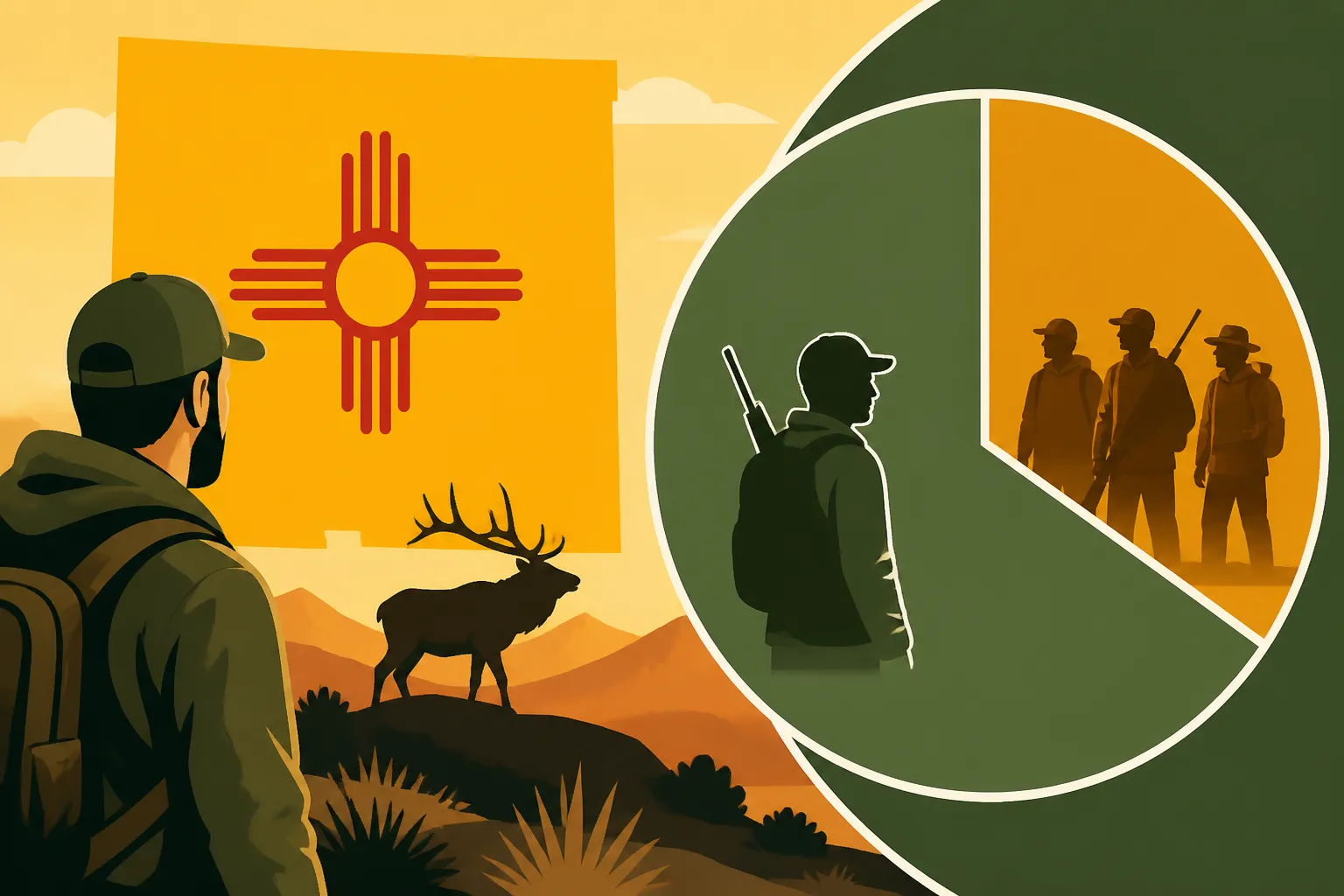
When you submit an application for an elk, deer, or other big game tag in New Mexico, you're not just tossed into one giant lottery. Instead, your application is considered within one of three distinct allocation pools. The vast majority of tags, about 84 percent, are reserved for New Mexico residents. This makes perfect sense, as it prioritizes the state's own citizens for access to their wildlife resources.
Then, there's a smaller, but still crucial, allocation for non-resident hunters who apply without a guide. This pool typically receives around 6 percent of the total tags for any given hunt code. This is the pool where many DIY non-residents find themselves, often leading to very competitive draw odds for prime units and seasons.
Finally, there's a dedicated and significant portion of tags — specifically 10 percent — set aside for non-resident hunters who apply through a licensed New Mexico outfitter. This is commonly referred to as The 10 Percent New Mexico Outfitter Pool. This distinct allocation creates a separate pathway for hunters utilizing guide services, and understanding its implications is key to strategizing your New Mexico hunt application.
How the Outfitter Pool Differs for Applicants
The most immediate difference when applying through the outfitter pool is that your application is competing only against other outfitter-client applications, not against the much larger general non-resident pool or the massive resident pool. While this doesn't automatically mean "easier" odds, it does mean the dynamic of the draw changes considerably. You're entering a different competition entirely.
For many non-residents, the thought of a dedicated pool, even if smaller, offers a glimmer of hope, especially for highly sought-after units like those in the Gila National Forest. It's a recognition of the value that the outfitting industry brings to the state's economy and to wildlife management efforts. However, it's essential to remember that you're still in a draw, and success is never guaranteed, even with a guide.
Applying through an outfitter doesn't mean you automatically get a tag; it simply means your application is drawn from a different bucket. The state still uses its randomized drawing system within each pool, ensuring fairness among applicants in that specific category. This separate pathway is a critical aspect of New Mexico Splits Every Hunt 84, 10 and 6 Percent.
The Purpose and Mechanics of the Outfitter Pool
The existence of a dedicated outfitter pool isn't just an arbitrary rule; it serves specific purposes within New Mexico's wildlife management and economic landscape. It's a strategic decision that has far-reaching implications for hunters, guides, and the state itself.
Why New Mexico Has a Dedicated Outfitter Allocation
One of the primary reasons for establishing the outfitter pool is to support the professional guiding industry within New Mexico. Outfitters and guides often invest heavily in their businesses, from horses and equipment to extensive scouting and local knowledge. By dedicating a percentage of tags to their clients, the state helps ensure a viable business environment for these operations. This, in turn, contributes to local economies, particularly in rural areas that rely on hunting tourism.
Furthermore, the outfitter pool helps attract non-resident hunters who might otherwise be discouraged by the incredibly long odds in the general non-resident draw, especially for trophy units. These hunters often bring significant economic impact through their spending on travel, lodging, food, and other services beyond just the hunt itself. This revenue directly supports the New Mexico Department of Game and Fish's conservation and management efforts, which is a benefit to all hunters, resident and non-resident alike.
It's a system designed to encourage outfitter participation, recognizing their role in providing access, expertise, and a guided experience that many hunters, especially those unfamiliar with New Mexico's vast and challenging terrain, actively seek out. It also acknowledges the investment that guides make into scouting and preparing for hunts, adding value to the experience.
Requirements for Applying Through an Outfitter
If you're considering applying through the outfitter pool, there are specific steps and requirements you absolutely must follow. First and foremost, you need to engage with a New Mexico licensed outfitter before the application deadline. This isn't something you can decide after the draw results are out. Your chosen outfitter must have a valid outfitter number issued by the New Mexico Department of Game and Fish.
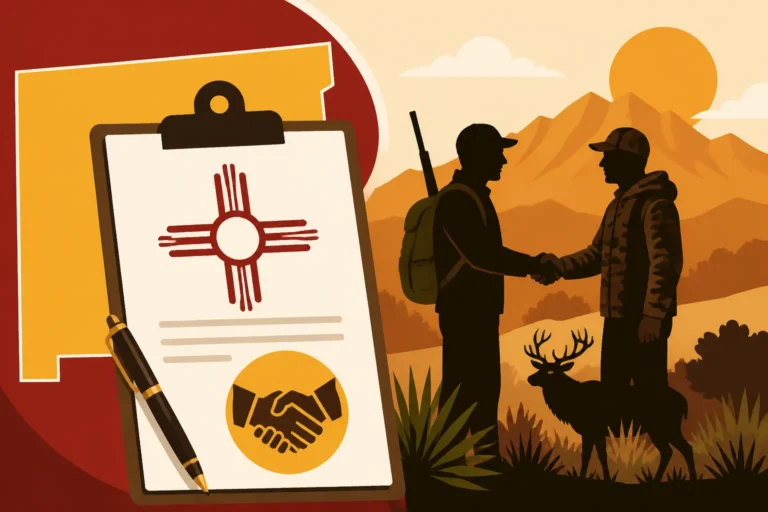
A critical component is The New Mexico Guide-Client Contract Requirement. You and your outfitter must sign a formal contract, which legally binds you to hunt with them if you are successful in drawing a tag through the outfitter pool. This contract specifies the services provided, the hunt dates, and the financial arrangements. It ensures that both parties understand their commitments and is a prerequisite for your application to be valid in the outfitter pool.
When you complete your online application, you will need to enter your outfitter's official registration number. This is how the system identifies your application as being part of the outfitter allocation. Should you draw a tag in this pool, your outfitter is also required to accompany you in the field for a minimum number of days during your hunt. This is typically outlined in New Mexico's Two-Day Accompaniment Rule Explained, ensuring that the professional service is genuinely provided and not just a loophole to access the draw.
Navigating the Outfitter Option as a Hunter
Deciding whether to apply through the outfitter pool involves weighing various factors, from your hunting experience to your budget and desired outcome. It's not a one-size-fits-all solution, but it can be an excellent option for certain types of hunters.
Who Benefits Most from the Outfitter Pool
The outfitter pool is often most advantageous for non-resident hunters who are looking for a guided experience and are serious about hunting New Mexico. If you're coming from out of state and are unfamiliar with the vast and often rugged terrain, especially in units like the Gila National Forest, a reputable outfitter can be an invaluable asset. They bring years of local knowledge, expertise in tracking, calling, and navigating the unit, significantly increasing your chances of success and safety.
Hunters seeking a specific trophy animal or those targeting highly competitive units often find the outfitter pool a more realistic pathway than the general non-resident draw. While the costs associated with a fully guided hunt are substantial, for many, the investment is worthwhile for the expertise, logistical support, and potentially improved odds of drawing a tag in their desired unit. Think about it: if your dream is a Gila bull, and you're new to the state, an outfitter can turn that dream into a tangible plan rather than a distant hope.
It’s also a great option for hunters who simply don't have the time or resources for extensive DIY scouting and planning. An outfitter handles much of the logistical heavy lifting, allowing you to focus on the hunt itself.
Finding a Reputable New Mexico Outfitter
The key to a successful experience in the outfitter pool lies in finding a reputable and ethical outfitter. This isn't a decision to rush. Start your research early, long before the application deadline in March. Look for outfitters who are licensed and bonded in New Mexico. Many hunters begin their search by talking to fellow hunters, checking online forums, and visiting hunting expos.
Resources like BookYourHunt or GoHunt can be useful starting points for discovering and comparing different outfitters operating in New Mexico. These platforms often provide detailed profiles, services offered, and sometimes even client reviews. However, don't stop there. Always take the time to personally vet any outfitter you're considering. This means making phone calls, asking for references from past clients, and clearly understanding their services and pricing structure. Vetting a New Mexico Outfitter Before You Send a Deposit is a critical step you should never skip.
Ask specific questions about their success rates in the unit you're interested in, their approach to hunting (spot and stalk, calling, sitting water, etc.), camp accommodations, and What a Fully Guided New Mexico Elk Hunt Includes versus What Outfitter Prices Almost Never Include. Transparency is key, and a good outfitter will be happy to answer all your questions thoroughly.
Comparing Outfitter Pool to Other Application Strategies
Understanding the outfitter pool means also seeing it in context with other application methods available to New Mexico hunters. It’s one piece of a larger puzzle, and its effectiveness depends on your personal hunting goals and resources.
Draw Odds and the Outfitter Pool
One of the most common questions is, "Does applying with an outfitter improve my odds?" The answer is nuanced. While you're entering a smaller pool of applicants (the 10 percent allocation), it doesn't automatically mean your odds are "better" than if you applied in the 6 percent general non-resident pool. It simply means you're in a different pool. For some highly competitive tags, the outfitter pool can still be incredibly tough to draw from, as many experienced hunters opt for this route.
What it does provide is a separate chance. If you apply as a non-resident without an outfitter, you're competing for 6 percent of the tags. If you apply with an outfitter, you're competing for 10 percent of the tags. These are entirely separate draws. Therefore, if you're a non-resident and your goal is to maximize your chances, applying with an outfitter provides an additional opportunity that isn't available to those applying unguided.
It's also important to remember that New Mexico does not use a preference point system. Every applicant, regardless of how many years they've applied, starts with equal odds in their respective pool each year. This means How New Mexico Draw Odds Do Not Improve With Time, and first-time applicants have the same statistical chance as someone who has applied for a decade within the same pool. This makes every application cycle a fresh start, whether you're guided or unguided.
Costs and Considerations Beyond the Tag
While the prospect of potentially better draw odds for a coveted tag is appealing, it's crucial to consider the significant financial commitment involved. A New Mexico hunting license and tag fee are separate from the outfitter's fees. What a Guided New Mexico Elk Hunt Costs can vary widely based on the species, duration of the hunt, level of service (e.g., fully guided vs. drop camp), and the reputation of the outfitter.
It's not just the sticker price of the guided hunt itself. You'll need to factor in travel expenses, lodging before and after the hunt (if not included), gratuities for guides and camp staff, meat processing, taxidermy, and shipping costs for your trophy and meat. A comprehensive discussion of What Outfitter Prices Almost Never Include will give you a clearer picture of the total investment.
For many hunters, a guided hunt is an investment in an experience, education, and increased likelihood of success. It provides peace of mind, expert guidance in unfamiliar territory, and often, access to remote areas that would be challenging to navigate independently. Evaluate your budget, your experience level, and your hunting goals to determine if the outfitter option aligns with your overall strategy. Remember that Booking Around New Mexico's March Deadline is crucial, as many outfitters book up well in advance.
Tag Allocation Pools in New Mexico
To help visualize how the tags are distributed, here’s a breakdown of the three primary allocation pools for big game hunts in New Mexico:
| Allocation Pool | Approximate Percentage of Tags | Who Can Apply | Key Requirement |
|---|---|---|---|
| Resident | ~84% | New Mexico Residents | Valid New Mexico Residency |
| Non-Resident (General) | ~6% | Non-Residents | No outfitter contract required |
| Non-Resident (Outfitter) | ~10% | Non-Residents with Outfitter | Valid contract with a licensed New Mexico outfitter, outfitter ID on application |
This table clearly illustrates the distinct pathways available. The outfitter pool represents a significant portion of non-resident tags, larger than the general non-resident pool. This structure fundamentally shapes the draw odds and application strategies for hunters across the board. If you're looking for more details on the draw process itself, make sure to check out The March Deadline for New Mexico Applications.
Disclaimer
This article is for general informational purposes only and does not constitute professional advice. Laws, prices and regulations vary by location and change over time. Consult a qualified professional for guidance on your specific situation.