EPLUS Tags Are the Other Way Into New Mexico Elk
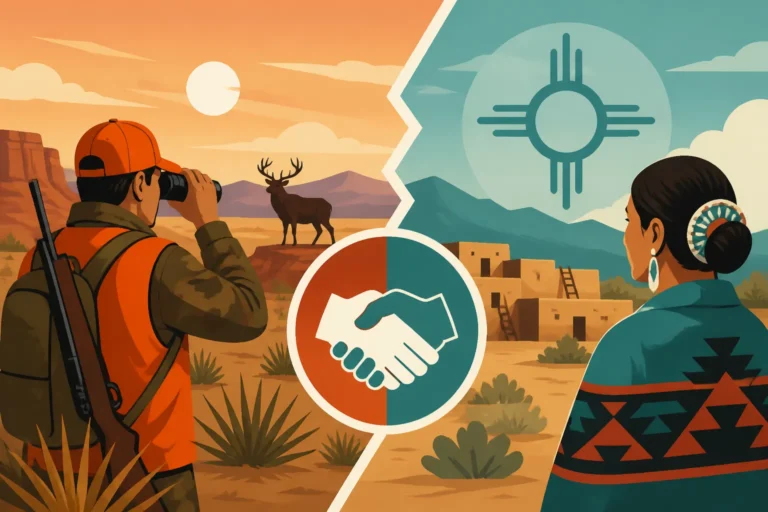
There's nothing quite like the dream of a New Mexico elk hunt, but the reality of drawing a coveted public land tag can be incredibly frustrating, often feeling like winning the lottery. For many, the annual draw results bring disappointment, leaving hunters wondering if they'll ever get a chance at a New Mexico bull. Thankfully, the draw isn't the only path to an elk tag here; there's another, often more accessible, route: the EPLUS authorization system. This guide is dedicated to breaking down everything you need to know about EPLUS tags, offering a comprehensive look at how they work, what they cost, and if they're the right option for your next New Mexico elk adventure.
Understanding New Mexico's Elk Tag System
Before we dive deep into EPLUS, it’s helpful to understand the landscape of elk tags in New Mexico. The state is renowned for its trophy potential, vast public lands, and challenging yet rewarding hunting experiences, particularly in areas like the Gila. This reputation means high demand for tags, which directly impacts how difficult it is to get one.
The Standard Public Land Draw
Most hunters familiar with Western big game hunting are accustomed to a draw system. In New Mexico, this typically involves applying for specific hunt codes in various units and seasons. You select your preferred choices, submit an application fee, and then wait for the results. The majority of tags for species like elk, deer, and antelope are allocated through this draw. New Mexico famously New Mexico Splits Every Hunt 84, 10 and 6 Percent, with a significant portion going to residents, a smaller allocation to nonresident hunters, and a specific pool for those applying with a licensed outfitter. This system is designed to distribute opportunities, but with so many applicants and relatively few tags, success is far from guaranteed.
For many years, this traditional draw was the primary mechanism, and it still is for most hunters. It’s a level playing field in many respects, offering everyone a chance, regardless of their past draw history, since New Mexico doesn't operate on a preference point or bonus point system for most species. This means a first-time applicant has essentially the same odds as someone who has applied for twenty years without success. This can be both a blessing and a curse, preventing accumulation of points but also meaning luck is truly the primary factor each year.
Why Drawing a Tag is So Challenging
Let's be real: drawing an elk tag in New Mexico, especially for a prime unit or a rifle hunt, can feel like an insurmountable challenge. The sheer volume of applications far outstrips the number of available tags. Consider a scenario where a unit might only have a few dozen public land tags for a specific hunt, but hundreds, if not thousands, of hunters apply for those same tags. The math simply doesn't favor the applicant. This difficulty is compounded for nonresidents, who are vying for an even smaller percentage of the total tag pool. Checking New Mexico Draw Odds Before You Apply often reveals single-digit percentages for desirable hunts, which can be disheartening.
Beyond the numbers, the quality of New Mexico's elk herd also plays a role. The state consistently produces impressive bulls, drawing hunters from across the country and even internationally. Everyone wants a piece of that action, and rightfully so. This competition creates an environment where planning for an elk hunt requires more than just applying; it demands exploring every possible avenue to secure a tag. The frustration of striking out year after year in the draw is a very real experience for many dedicated hunters, leading them to seek out alternative solutions like EPLUS.
What Exactly Are EPLUS Authorizations?
EPLUS, or the Elk Private Lands Use System, is New Mexico's landowner tag program. It's designed to provide incentives for private landowners to manage their property for wildlife habitat, specifically for elk. In return for maintaining or improving elk habitat on their deeded land, these landowners receive "authorizations" from the New Mexico Department of Game and Fish (NMDGF), which can then be used to obtain elk licenses.
The Landowner Incentive Program
The core idea behind EPLUS is a partnership between the state and private landowners. Elk, being wide-ranging animals, often move between public and private lands. By giving landowners a direct benefit for supporting elk, the NMDGF encourages them to view elk as an asset rather than a nuisance that might damage crops or fences. This means landowners are more likely to implement practices that benefit elk, such as maintaining water sources, improving forage, or providing sanctuaries. The EPLUS system essentially monetizes the elk resource for private landowners, creating a strong economic incentive for conservation on private ground.
These authorizations aren't just handed out arbitrarily. Landowners apply to the program, and their properties are evaluated based on habitat quality, elk use, and management practices. Properties that provide significant benefit to the elk herd are then granted a certain number of EPLUS authorizations. This structure ensures that the tags are tied to genuine habitat management efforts, rather than simply being a blanket handout. It's a pragmatic approach to wildlife management in a state where vast tracts of land are privately owned, and elk frequently utilize these areas, sometimes spending their entire season on private ranches.
How Landowners Receive Authorizations
The process of a landowner receiving EPLUS authorizations is somewhat detailed. It involves submitting an application to the NMDGF, outlining their property boundaries, demonstrating elk presence and use, and detailing their habitat management efforts. Biologists from the department then assess the property's potential to support elk and its contribution to the overall herd unit. Based on this assessment, and the total number of elk in that specific Game Management Unit (GMU), a certain number of EPLUS authorizations are issued to the landowner. How New Mexico EPLUS Authorizations Are Issued involves a rigorous evaluation process to ensure the program is benefiting both landowners and the elk population.
These authorizations are essentially vouchers. A landowner doesn't get a "tag" directly, but rather the right to purchase a certain number of elk licenses for their property or designated areas. They can then use these authorizations themselves, transfer them to friends or family, or, most commonly, sell them to hunters through outfitters or brokers. This creates the market for EPLUS tags that hunters seek out. It's a significant component of how New Mexico manages its elk population, especially on lands where public access is limited or non-existent.
Unit-Wide vs. Ranch-Only Authorizations
When you start looking into EPLUS tags, you'll quickly encounter the terms "unit-wide" and "ranch-only." Understanding the difference is absolutely crucial, as it dictates where you can actually hunt with your EPLUS tag.
-
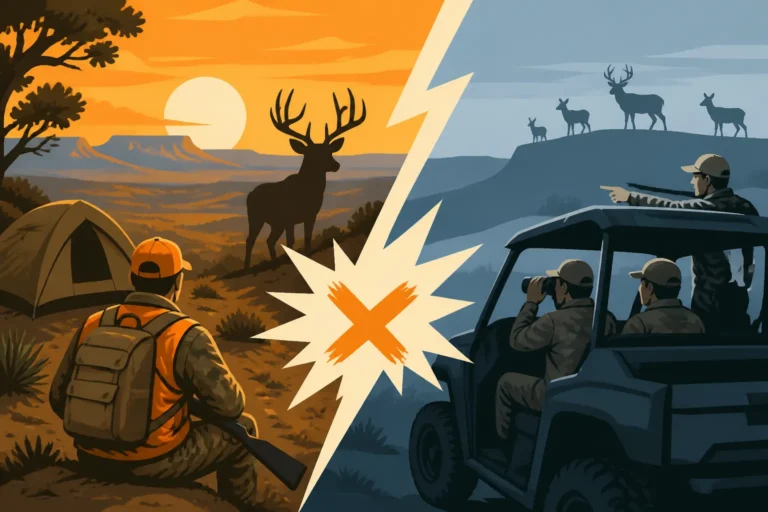
Ranch-Only Authorizations: These are the most restrictive type. A ranch-only EPLUS tag means you are permitted to hunt elk only on the specific private land for which the authorization was issued. You cannot take that tag onto adjacent public lands, even if they share a boundary with the private ranch. This is important to verify when purchasing, as it limits your hunting area considerably, though often these private ranches are quite large and offer excellent hunting opportunities in themselves. The benefit of a ranch-only tag is typically the reduced hunting pressure, as you're confined to private property where access is tightly controlled. Many excellent elk ranches across New Mexico offer these tags, providing a unique, often less crowded, hunting experience.
-
Unit-Wide Authorizations: These are the golden tickets of the EPLUS system. A unit-wide EPLUS tag allows you to hunt elk on any accessible public land within the entire Game Management Unit (GMU) specified on the tag, in addition to the landowner's private property. This provides significantly more flexibility and opportunity, opening up vast tracts of national forest or BLM land that might otherwise only be accessible through the public draw. Because they offer so much more flexibility, unit-wide EPLUS authorizations are generally more sought after and consequently carry a higher price tag. They effectively bypass the public land draw while still allowing access to that coveted public ground. The ability to hunt across an entire unit makes them incredibly valuable, especially in units known for their trophy potential or extensive public access. Understanding Unit-Wide Against Ranch-Only New Mexico EPLUS Tags is critical for your hunt planning.
The type of authorization you secure will heavily influence your hunting strategy, the amount of ground you can cover, and ultimately, your chances of success. Always confirm whether an EPLUS tag is unit-wide or ranch-only before committing to a purchase.
| Feature | Unit-Wide EPLUS Authorization | Ranch-Only EPLUS Authorization |
|---|---|---|
| Hunting Area | All accessible public land within the specified GMU + Landowner's private land. | Only the specific private land for which the authorization was issued. |
| Flexibility | High; vast range of public and private terrain. | Limited; confined to the boundaries of one private property. |
| Access | Can hunt public land (National Forest, BLM) within the unit. | Cannot hunt public land; restricted to private property. |
| Hunting Pressure | Can vary depending on public land access and popularity. | Generally lower due to controlled private land access. |
| Price Point | Typically higher due to increased flexibility and access. | Generally lower than unit-wide, but still significant. |
| Strategy Focus | Public land scouting, understanding unit movements, private access. | Private land features, ranch-specific elk patterns. |
| Opportunity | Broader range of terrain, potentially more elk movement options. | Concentrated effort on managed private land, less external pressure. |
How Hunters Acquire EPLUS Tags
Once a landowner has EPLUS authorizations, they can distribute them. For hunters looking to bypass the public draw, the challenge then becomes finding and securing one of these tags. It's a different game than the traditional draw, often involving connections, quick decision-making, and a significant financial commitment.
Working with Outfitters and Brokers
The most common way for an out-of-state hunter, or even a resident without direct landowner connections, to acquire an EPLUS tag is through a licensed New Mexico outfitter or a hunting broker. Outfitters often have existing relationships with landowners who receive EPLUS authorizations. They essentially act as intermediaries, purchasing these authorizations from landowners and then packaging them with a guided hunt. This can simplify the process immensely for the hunter, as the outfitter handles the acquisition of the authorization and provides the expertise for the hunt itself. Many outfitters specialize in specific units or even specific ranches, so they know the area and the elk intimately. This can be especially valuable if you're looking at a private land hunt, where the outfitter's knowledge of the ranch's terrain and elk patterns is paramount.
Hunting brokers serve a similar function but typically focus solely on connecting hunters with available tags, sometimes across multiple states. They might have a network of landowners and outfitters, providing a broader selection of EPLUS options. Platforms like BookYourHunt or services offered by GoHunt often list EPLUS opportunities, allowing hunters to browse options and connect with providers. When dealing with outfitters or brokers, always verify their licensing and reputation, and make sure all aspects of the tag acquisition and hunt details are clearly outlined in a contract. This is particularly important because The New Mexico Outfitter Draw and Its Two-Day Rule sometimes impacts how an outfitter structures a guided hunt, even if it's an EPLUS tag. They might require certain field days for non-draw clients as well, so clarify everything upfront.
Direct Purchase from Landowners
While less common for those without established contacts, it is possible to purchase EPLUS authorizations directly from landowners. This usually happens when a landowner doesn't want to run a full guiding service themselves but simply wants to sell their allotted authorizations. These opportunities might be advertised locally, through landowner associations, or via word-of-mouth. If you have friends or family who live in New Mexico or have established ties to certain regions, they might be able to help you find these direct sales.
The benefit of a direct purchase can sometimes be a slightly lower price, as you're cutting out the middleman (the outfitter or broker). However, you're also taking on more responsibility. You'll need to handle all the logistics of planning your hunt, from scouting to understanding the ranch boundaries, and potentially arranging for game retrieval. This route is often better suited for experienced DIY hunters who are comfortable with self-guided hunts on private land. Always ensure the landowner is legitimate, the authorization is valid, and all transfer processes are handled correctly through the NMDGF. You’ll be responsible for submitting the authorization and paying for your The Nonresident New Mexico Game Hunting License and elk license fees directly to the state once you have the EPLUS authorization.
Key Considerations When Buying
Regardless of whether you go through an outfitter, broker, or direct landowner, there are several critical considerations when purchasing an EPLUS tag. First, verify the authorization type – is it unit-wide or ranch-only? This is paramount. Second, understand the season dates. EPLUS tags are tied to specific hunt codes and seasons, just like public draw tags. Make sure the season aligns with your availability and preferred hunting style (e.g., archery, muzzleloader, rifle). Third, clarify what the price includes. Is it just the authorization, or does it come with lodging, food, guiding services, or even the state license fee? Many EPLUS authorizations are sold "bare," meaning you only get the right to purchase the tag, and all other hunt expenses are on you.
Lastly, get everything in writing. A clear, comprehensive contract detailing the unit, season, authorization type, price, payment schedule, and what is included (or not included) is essential. Ask for references if dealing with a new outfitter or landowner. The investment in an EPLUS tag can be substantial, so due diligence is key to avoiding disappointment. Buying a New Mexico EPLUS Elk Authorization is a significant decision, so ensure you have all the facts.
The Cost of Entry: Pricing EPLUS Tags
Let's address the elephant in the room: EPLUS tags are not cheap. They offer a guaranteed opportunity, which comes at a premium compared to the cost of applying for the draw. While I can't give specific figures, it's important to understand the factors that drive these costs and what you can generally expect.
Factors Influencing EPLUS Pricing
Several factors contribute to the price of an EPLUS authorization:
- Unit Quality: Tags in highly sought-after units, particularly those with a reputation for producing trophy bulls like certain Gila units, will command a much higher price. Hunters are willing to pay more for access to units known for quality and success. Why the Gila Produces Record Book Bulls directly correlates to increased demand and price for EPLUS tags in those areas.
- Authorization Type: As discussed, unit-wide authorizations are almost always significantly more expensive than ranch-only tags due to the expanded hunting opportunities they provide.
- Season Dates: Archery tags, especially during the peak rut, or prime rifle seasons often cost more than less desirable seasons, such as late-season cow hunts.
- Inclusion of Services: A bare EPLUS authorization, meaning just the right to buy the tag, will be less expensive than one packaged with a fully guided hunt, lodging, and meals. Outfitters build their services and expertise into the total price.
- Demand: Like any market, if demand is high for a particular unit or season, prices will naturally increase. The earlier you secure an EPLUS tag, sometimes the better the pricing, as last-minute availability can be either discounted or highly inflated depending on unique circumstances.
- Landowner or Outfitter: Some landowners might price their tags lower if they are simply trying to cover their costs or manage their herd, whereas a premier outfitter with a strong reputation and high success rates will charge more for their comprehensive service.
It's common for EPLUS tag prices to fluctuate based on these variables. They reflect the guaranteed access to a quality hunting opportunity that many hunters spend years trying to draw through the public system.
What's Typically Included (or Not) in the Price
When you see a price for an EPLUS tag, it's crucial to understand what you're actually getting. Often, the advertised price for an EPLUS tag (especially if purchased directly from a landowner or through a broker) only covers the authorization itself. This means you still need to budget for:
- State Hunting License and Elk License: You will still need to purchase your general New Mexico Game Hunting License (the base license every hunter needs) and the specific elk license that the EPLUS authorization allows you to buy. This is a separate cost paid directly to the NMDGF.
- Outfitters' Fees: If you're booking a guided hunt, the cost of the EPLUS authorization will be rolled into the outfitter's total fee, which covers guiding, lodging, food, and often transportation during the hunt. This is typically a much higher overall cost than just the authorization. What a Guided New Mexico Elk Hunt Costs varies widely, but it's a significant investment.
- Travel Costs: Flights, fuel, vehicle rental, and any pre- or post-hunt accommodation.
- Gear: Unless specifically stated, your personal hunting gear, optics, weapon, and clothing are your responsibility.
- Meat Processing and Shipping: Once you harvest an animal, you'll need to arrange for butchering, taxidermy, and transport of meat and trophies, all of which are additional expenses.
- Tips: If you're using a guide, tipping is customary and should be factored into your budget.
Conversely, a fully guided EPLUS hunt package will generally include the authorization, the guide's services, camp accommodations, meals, and field transportation. Some premium packages might even assist with meat handling or provide airport pickup. Always ask for a detailed breakdown of inclusions and exclusions so there are no surprises.
Understanding the Value Proposition
For many hunters, the value of an EPLUS tag isn't just about the elk; it's about the guaranteed opportunity. The public draw is a gamble. For nonresidents, specifically, with only a 6% allocation in the draw, the odds are often long. An EPLUS tag bypasses that uncertainty entirely. You know you have a tag, which allows for definite planning of travel, time off work, and physical preparation. This certainty can be invaluable, especially for hunters who travel long distances or have limited time to hunt.
Furthermore, EPLUS tags often provide access to private land that experiences much less hunting pressure than public land, potentially leading to higher success rates or opportunities for older, more mature animals. While the price might seem steep upfront, compare it to the cumulative cost of applying year after year in the draw (application fees, unsuccessful trips, and the opportunity cost of not hunting) plus the investment in time and effort. For many, EPLUS represents a direct path to realizing their dream of hunting New Mexico elk, making the investment worthwhile.
Navigating the EPLUS Hunt Experience
Once you've secured an EPLUS authorization, the next step is the hunt itself. The experience can vary significantly depending on whether your tag is ranch-only or unit-wide, and whether you're going self-guided or with an outfitter.
Hunting on Private vs. Public Land with EPLUS
This distinction is perhaps the most critical for your actual hunting strategy.
-
Ranch-Only Hunts: If you have a ranch-only EPLUS tag, your entire hunt will take place within the boundaries of that specific private property. This often means less competition from other hunters, as access is controlled. However, it also means your hunting area is defined, and you're reliant on the elk being present and active on that ranch during your season. A key advantage here is that landowners often have extensive knowledge of their property – where elk water, feed, and bed. They may also have implemented habitat improvements to hold elk. Your scouting efforts will be focused entirely on understanding that particular ranch. You'll need to be acutely aware of property lines and potentially have a good working relationship with the landowner or outfitter to navigate the land effectively. Some ranches might be vast enough to feel like public land, offering diverse terrain, while others might be smaller and require more strategic, quiet hunting.
-
Unit-Wide Hunts: With a unit-wide EPLUS tag, you have the flexibility to hunt across all accessible public lands within your designated GMU, in addition to the private property that issued the authorization. This opens up tremendous opportunities, as you can target areas known for holding elk on public ground, or retreat to private land if pressure becomes too high. This type of tag requires more extensive scouting, often relying on digital mapping tools like onX or Basemaps to identify public-private boundaries and potential elk habitat. You'll be dealing with the same public land challenges as draw hunters, including other hunters, but you have the security of a guaranteed tag. This option is particularly appealing in units with large tracts of National Forest, such as those found in the Gila, providing a true backcountry experience if desired. Knowing Hunting New Mexico From 4,000 Feet to 10,000 might be crucial if your unit-wide tag covers diverse elevation ranges.
Rules and Regulations Specific to EPLUS Hunts
While an EPLUS tag grants you access, you are still bound by all general New Mexico hunting regulations. This includes legal shooting hours, blaze orange requirements (if applicable), methods of take, bag limits, and carcass tagging procedures. However, there are some nuances specific to EPLUS:
- Tagging: Once you successfully harvest an elk, you must immediately tag it according to NMDGF regulations. The EPLUS authorization is what allowed you to purchase the physical tag; that physical tag must be affixed to the animal.
- Evidence of Sex: For bull elk, you must ensure that evidence of sex is maintained on the carcass until it reaches final storage. This typically means leaving the head or specific parts attached.
- Reporting: All harvested elk must be reported to NMDGF within a specific timeframe, usually online or by phone. This is standard for all big game hunters in New Mexico.
- Private Land Rules: If hunting on private land, you must abide by any additional rules set by the landowner or outfitter. This could include restrictions on vehicle use, camp locations, specific areas off-limits, or even noise levels. It's crucial to respect these rules as part of your agreement.
- No Preference Points: Just like the public draw, EPLUS tags do not confer any preference points or bonus points for future draws, as New Mexico's system generally doesn't use them.
It's essential to consult the most current New Mexico Hunting Rules and Information Booklet before your hunt, as regulations can change. Ignorance of the law is never an excuse.
Preparing for a Self-Guided or Guided EPLUS Hunt
Your preparation will depend heavily on whether you're undertaking a self-guided adventure or booking a fully guided experience.
-
Self-Guided EPLUS Hunt: This requires extensive preparation. If you have a unit-wide tag, you'll need to E-Scouting a New Mexico Unit Before the Season, study topo maps, understand land ownership, and identify potential hunting areas, access points, and water sources. For ranch-only hunts, you'll focus on the specific private property, possibly requesting detailed maps from the landowner. Physical conditioning is paramount, especially for elk hunting in New Mexico's rugged terrain. You'll be responsible for all your own gear, food, water, and emergency planning. Familiarity with navigation tools, field dressing, and potentially packing out an elk is essential. This route offers maximum independence but demands maximum responsibility.
-
Guided EPLUS Hunt: While the outfitter handles many logistics, you still have a role in preparation. You'll need to communicate clearly with your outfitter about your physical capabilities, hunting preferences, and expectations. They will provide a gear list, and adhering to it is crucial. Physical fitness is still important, as many guided elk hunts are physically demanding. You'll also need to understand the dynamics of hunting with a guide – when to shoot, how to communicate in the field, and respecting their expertise. Ask questions about camp setup, daily routines, and contingency plans. An outfitter often serves as your connection to the land and the elk, offering insights that are difficult to gain on your own. Questions to Ask a New Mexico Outfitter before you book is vital to ensure a good fit.
Regardless of your chosen path, thorough preparation, both physically and mentally, will significantly enhance your EPLUS hunting experience in New Mexico.
Pros and Cons of Pursuing an EPLUS Tag
Deciding whether an EPLUS tag is right for you involves weighing the advantages against the disadvantages. There's no one-size-fits-all answer, as it depends on your budget, experience level, and hunting goals.
Advantages: Higher Success, Guaranteed Access
The benefits of an EPLUS tag, for many hunters, far outweigh the downsides:
- Guaranteed Opportunity: This is, without a doubt, the biggest draw. You bypass the uncertainty of the public draw. Once you purchase an EPLUS authorization, you know you have a tag for that specific season and unit, allowing for concrete planning. This is particularly appealing for those who have failed to draw for years or have limited time to hunt.
- Higher Success Rates (Often): Especially with ranch-only tags, hunting on private land often means less hunting pressure. This can translate to calmer elk, more predictable patterns, and a higher likelihood of encountering mature animals. Even unit-wide tags offer this advantage by providing a fallback to private ground if public land pressure is too high. Outfitters often manage these ranches specifically for hunting, further enhancing opportunities.
- Access to Quality Ground: EPLUS tags provide access to private properties that might hold significant elk populations and prime habitat, often areas that are inaccessible to the general public. Unit-wide tags, as mentioned, grant public land access without the draw hassle.
- Flexibility in Planning: Knowing you have a tag well in advance allows for detailed trip planning, booking travel, taking time off work, and getting into peak physical condition. This eliminates the last-minute scramble or disappointment of draw results.
- Expert Guidance (with Outfitters): If you opt for a guided EPLUS hunt, you benefit from the outfitter's local knowledge, scouting efforts, equipment, and experience in the specific hunting area. This can be invaluable for a first-time New Mexico elk hunter or someone seeking a high-quality experience. Gila Outfitters Sell Access to Country You Cannot Reach Alone, and an EPLUS tag makes that possible.
Disadvantages: Cost, Limited Availability, Specifics
While attractive, EPLUS tags do come with their drawbacks:
- Significant Cost: This is the primary hurdle for most hunters. EPLUS tags are considerably more expensive than the standard draw application fee and license cost. The premium reflects the guaranteed access and often higher quality of the hunt. This financial commitment can put EPLUS out of reach for many.
- Limited Availability: While more accessible than drawing a premium public tag, the number of EPLUS authorizations is still finite. They are allocated to landowners based on elk numbers and habitat, so there isn't an unlimited supply. Desirable unit-wide tags, in particular, can sell out quickly.
- Ranch-Only Restrictions: If you secure a ranch-only EPLUS tag, your hunting area is limited to that specific private property. This might not appeal to hunters who prefer the vastness and challenge of public land hunting. You are at the mercy of elk movement on that particular ranch.
- Less "DIY" Appeal: For the true DIY hunter who relishes the challenge of drawing a public tag and figuring it out on their own, the EPLUS system might feel less like a pure hunting accomplishment. While you can certainly self-guide with an EPLUS tag, the underlying access is purchased, not drawn.
- Reliance on Landowners/Outfitters: When purchasing from a landowner or outfitter, you are relying on their integrity and the quality of their operation. Diligence in vetting is crucial to ensure a positive experience.
- No Build-Up of Preference: Unlike states with point systems, purchasing an EPLUS tag doesn't contribute to future draw odds in New Mexico, as there are no preference points to accumulate.
Making the Right Decision: Is EPLUS For You?
Ultimately, the decision to pursue an EPLUS tag is a personal one, weighing your aspirations against your resources. It's an excellent option for some, but not for everyone.
Assessing Your Budget and Priorities
Before you even start looking at EPLUS opportunities, take a hard look at your budget. Be realistic about what you're willing and able to spend, not just on the tag itself, but on the entire hunting trip – travel, gear, food, processing, and potential guide fees. Remember, the EPLUS authorization is often just one component of the total cost.
Beyond finances, consider your priorities. Is a guaranteed elk tag your absolute top priority, even if it means a higher cost? Are you seeking a trophy animal, or simply a quality hunting experience? Do you prefer the solitude of private land or the challenge of public land? If your dream is to hunt New Mexico Elk Are Why the Gila Draws Everyone and you're tired of waiting on the draw, the investment might be completely justified. If you're on a very tight budget and enjoy the challenge of the draw and public land, then perhaps the traditional route is still best.
Researching EPLUS Opportunities
If you decide that EPLUS is a viable option, start your research early. Many of these tags, especially for prime units and seasons, are acquired by outfitters well in advance, sometimes a year or more out.
- Contact Outfitters: Reach out to licensed New Mexico outfitters who specialize in elk. Inquire about their EPLUS availability, what's included in their packages, and their pricing. Be specific about the type of hunt you're looking for (e.g., archery, rifle, bull or cow, unit-wide or ranch-only).
- Utilize Online Platforms: Websites like BookYourHunt and specialized hunting research platforms like GoHunt often list EPLUS availability or connect you with brokers and outfitters who have access to these tags. These can be valuable resources for finding options across different units and price points.
- Network: Talk to other hunters who have used the EPLUS system. Their experiences can provide valuable insights and even leads.
- Understand Hunt Codes: Make sure you understand the hunt code associated with any EPLUS tag you're considering. Reading a New Mexico Hunt Code Before You Apply will help you decipher the unit, season, and weapon type.
Don't jump on the first offer you see. Do your due diligence, compare options, and ask plenty of questions.
Tips for a Successful EPLUS Hunt
Once you've committed to an EPLUS hunt, set yourself up for success:
- Communicate Clearly: If hunting with an outfitter, maintain open communication before, during, and after the hunt. If self-guiding on private land, ensure you have a clear understanding with the landowner regarding access, boundaries, and expectations.
- Physical Preparation: New Mexico elk country is rugged, whether on public or private land. Invest time in physical conditioning. This will significantly enhance your enjoyment and increase your chances of success. Preparing Physically for a High Elevation Hunt is crucial if you're headed to mountainous units.
- Study Your Area: Even with a guide, understanding the terrain, water sources, and potential elk patterns of your hunting area will make you a more engaged and successful hunter. Use mapping apps to your advantage.
- Practice Your Shot: Whether with a bow or rifle, practice regularly at various distances and from different shooting positions you might encounter in the field. Be proficient and confident in your weapon.
- Be Flexible: Elk are wild animals, and conditions can change. Be prepared to adapt your strategy based on weather, elk movement, and hunting pressure.
- Respect the Land and Rules: Always adhere to all state regulations and any specific rules set by the landowner or outfitter. Ethical hunting practices are paramount.
An EPLUS tag can be a fantastic way to experience the thrill of New Mexico elk hunting without the uncertainty of the public draw. It represents a different approach, often with a higher price tag, but also with a higher probability of success and guaranteed access to some incredible hunting opportunities. For many, it's not just a tag; it's the key to a long-awaited dream hunt.
Disclaimer
This article is for general informational purposes only and does not constitute professional advice. Laws, prices and regulations vary by location and change over time. Consult a qualified professional for guidance on your specific situation.