New Mexico’s First and Second Archery Deer Seasons
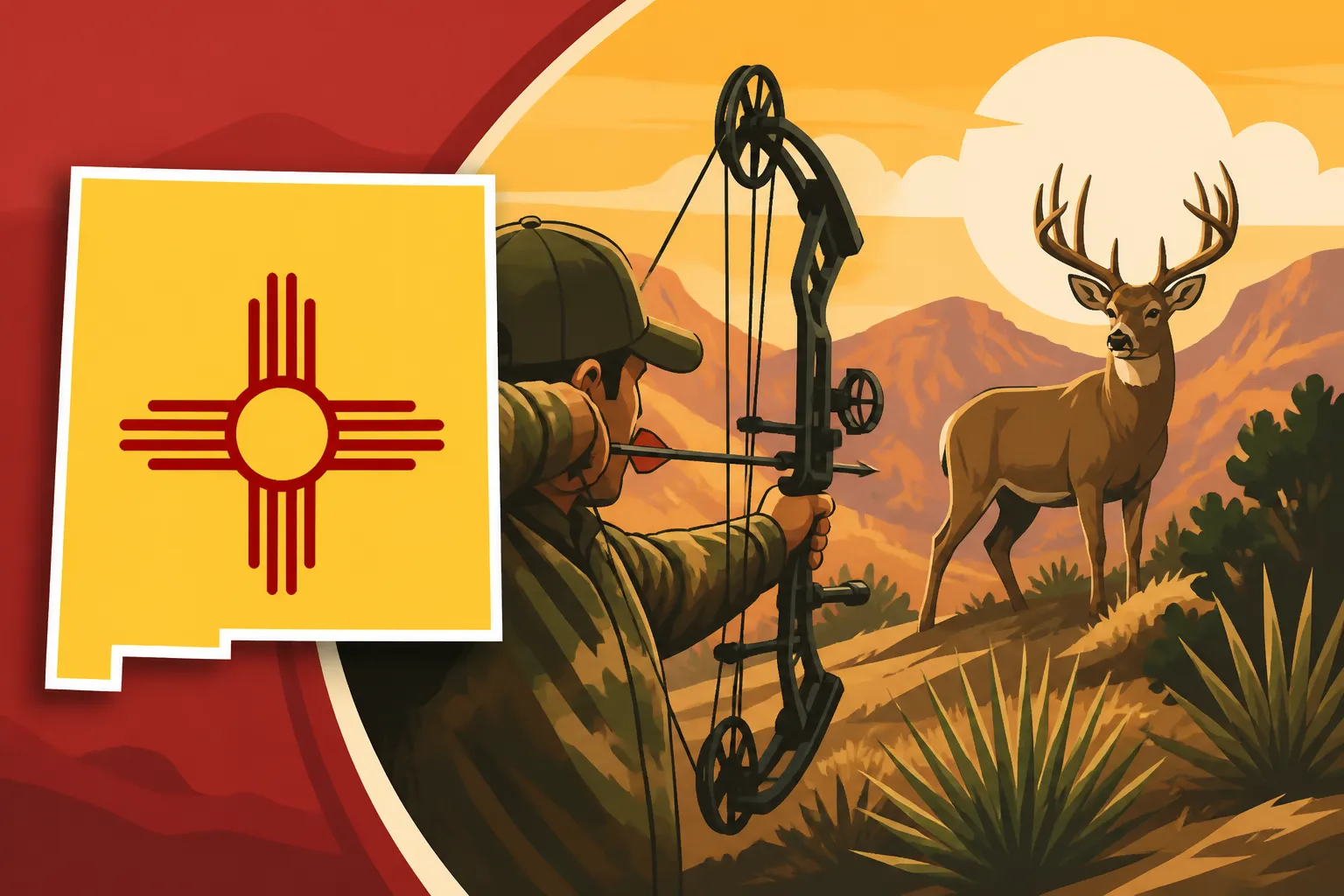
It can be incredibly frustrating trying to make sense of New Mexico's deer hunting regulations, especially when you're looking at the archery seasons. Unlike many other states that offer one continuous archery period, New Mexico throws a curveball by splitting its season into two distinct windows, often separated by a significant chunk of time. This unique approach can leave even experienced hunters scratching their heads, wondering which season offers the best opportunity, how the deer behavior changes, and what strategies you need to adapt. This guide will thoroughly break down New Mexico's first and second archery deer seasons, helping you understand the nuances, prepare effectively, and ultimately improve your chances of punching a tag.
Understanding New Mexico's Unique Archery Deer Season Structure
New Mexico's approach to archery deer seasons is definitely something you need to wrap your head around before you even think about applying for a tag. It’s not just a matter of picking "archery season" on your application; you're actually choosing between two very different experiences, each with its own set of challenges and rewards. This split structure is intentional and, once you understand the reasoning behind it, you can start to make more informed decisions about your hunt.
Why New Mexico Splits Its Archery Deer Seasons
The decision to split the archery deer season into two distinct periods, rather than offering one long, continuous stretch, primarily comes down to wildlife management and hunter opportunity. New Mexico, with its incredibly diverse landscapes ranging from high mountain timber to vast desert lowlands, sees significant variations in deer behavior throughout the fall. The early season is typically set to coincide with pre-rut activity and relatively stable weather patterns (though "stable" in New Mexico can still mean wild swings!). The later season, on the other hand, often skirts the edges of the rut, providing a different set of challenges and opportunities for hunters.
Splitting the seasons also helps distribute hunting pressure. Imagine if all archery hunters were concentrated into one long, prime window; the woods would be absolutely crawling with people. By creating two distinct periods, the New Mexico Department of Game and Fish aims to spread out the impact on deer populations and offer a more quality experience for hunters. It allows for different management objectives to be met for various deer populations across the state's diverse units. For a deeper dive into the specific reasoning and management goals, it's helpful to understand exactly "Why New Mexico Splits Its Archery Deer Season". This structure is a direct reflection of the state's efforts to balance conservation with recreational hunting, accounting for everything from forage availability to migration patterns.
Key Differences Between the First and Second Archery Deer Seasons
While both are archery deer seasons, the first and second windows are almost like two different hunts entirely. The most obvious difference is the timing. The first archery season in New Mexico usually kicks off in early to mid-September, often coinciding with still-warm temperatures and the tail end of the monsoons in some areas. Deer are typically in their summer patterns, focused heavily on food sources and water. They might be relatively predictable if you can locate their preferred feeding and bedding areas, but they won't be nearly as responsive to calls as they might be later in the year.
The second archery season typically runs from late September into early October, sometimes even overlapping with the first hints of the mule deer pre-rut in certain units. The weather is generally cooler, days are shorter, and deer behavior begins to shift dramatically. Bucks start becoming more active, potentially even sparring or scraping, and are more likely to be on the move, covering greater distances. This shift means different strategies are required. You might have to contend with other hunters, including those pursuing elk with archery equipment during the general elk rut, which can add another layer of complexity to your deer hunt. Understanding "How the Two Archery Deer Seasons Differ" is crucial for planning your application and your hunt strategy. For instance, the first season might be ideal for targeting bucks still in bachelor groups, while the second season offers a chance at more solitary, cruising bucks.
Navigating the First Archery Deer Season
The first archery deer season in New Mexico is often characterized by warmer weather and deer that are still holding to their summer routines. If you're a hunter who loves the challenge of patterning animals before the full chaos of the rut, this season might just be your sweet spot. However, it definitely requires a specific mindset and a well-tuned approach to be successful.
Typical Conditions and Deer Behavior in Early September
When New Mexico's first archery deer season runs, typically in early September, you can expect a mixed bag of conditions. It's often hot, especially in the lower elevations and southern units. Daytime temperatures can easily climb into the 80s or even 90s, making shade, water, and early morning/late evening hunting sessions paramount. While the monsoon season might be winding down, you could still encounter pop-up thunderstorms, which can be a blessing for cooling things off and creating more deer movement, or a curse if you're caught out in exposed country. Elevation plays a massive role here; a hunt at 10,000 feet will feel very different from one at 5,000 feet. You can learn more about "When New Mexico's First Archery Deer Season Runs" for exact dates, but generally, expect warmth.
Deer behavior during this period is largely driven by food and water. Bucks are often still in their summer bachelor groups, with antlers fully developed and hardened, but they aren't thinking about does yet. Their primary focus is on feeding to build up reserves for the coming rut and staying hydrated. This means they'll be concentrated around prime forage areas, often moving between bedding cover and feeding grounds during the low-light hours. Look for areas with abundant browse, acorns (if available), or agricultural fields bordering public land. Water sources, especially in the arid units, become absolute magnets for deer, offering prime ambush opportunities. However, you'll need to be extremely disciplined with your scent control, as deer will be hypersensitive to any foreign odors, particularly around water. Keeping cool is also critical for success and safety, so understanding "Heat Management on an Early Season Hunt" will be vital.
Strategies for Hunting During the First Season
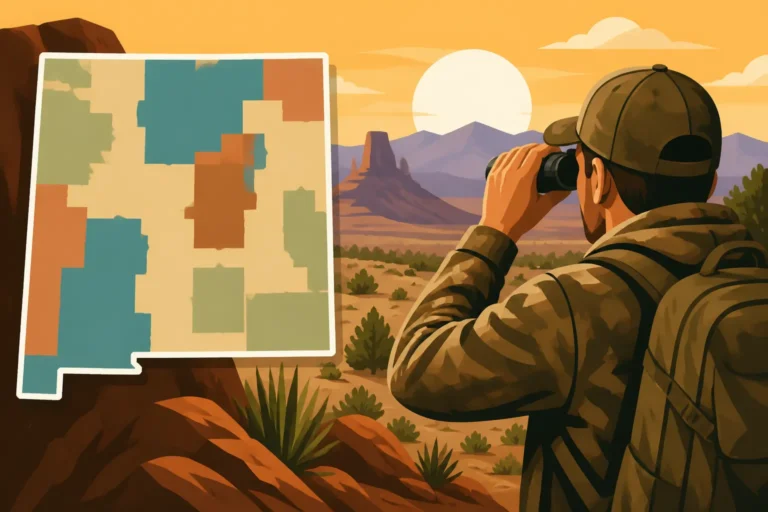
Hunting during the first archery deer season demands a heavy reliance on scouting and patience. Since the deer aren't rutting, calling strategies are generally ineffective. Instead, focus on finding natural funnels, pinch points, and established travel corridors between bedding and feeding areas. E-scouting can be a huge asset here, allowing you to identify potential water sources, saddles, and dense cover from your home. Services like GoHunt are fantastic for overlaying public land boundaries, historical burn areas, and even identifying potential food sources on satellite imagery. This level of detail helps you narrow down vast amounts of country before you even step foot in it.
Spot-and-stalk tactics can be highly effective, especially in more open terrain or if you're hunting "Mule Deer Across New Mexico's High Country and Desert". Mornings and evenings are your best bet for catching deer moving. Position yourself on a high vantage point before dawn and use your optics to glass likely feeding areas and bedding hillsides. Once you spot a buck, the real work begins. The stalks in early September can be grueling, often over dry, crunchy terrain, so meticulous planning and slow, deliberate movement are essential. For those hunting thicker timber or around water, setting up a ground blind or tree stand can be productive, but choose your locations wisely, paying close attention to wind direction and thermals, especially in morning and evening transition periods. Remember, during these warmer months, deer won't tolerate much pressure, so make your moves count.
Strategies for the Second Archery Deer Season
As the calendar flips from September to October, New Mexico's second archery deer season comes into play, offering a different set of opportunities and challenges. The landscape begins to show hints of fall, temperatures generally drop, and deer behavior starts to shift with the changing seasons.
Conditions and Deer Activity in Late September/Early October
The second archery deer season typically falls in late September or early October, a period often marked by more favorable hunting conditions. The blistering heat of early September usually gives way to crisp mornings and mild to warm afternoons, though sharp cold fronts can certainly roll through, especially at higher elevations. This cooler weather means deer are generally more active during daylight hours, especially as the days shorten. The vegetation might start to show signs of drying out or changing color, which can alter food sources and bedding preferences.
Deer activity begins to transition from purely survival-driven (food, water, cover) to incorporating early pre-rut behaviors. While the full-blown rut won't be in swing, bucks will start to become more territorial and solitary. You might observe them making rubs and scrapes, indicating their increased hormonal activity and readiness for the breeding season. Bachelor groups often break up during this time, and bucks will begin to cruise larger areas looking for does. This increased movement can make them harder to pattern in one specific spot, but also provides more opportunities for an encounter if you're covering ground. Don't forget, in many units, this second deer season can overlap with archery elk seasons, meaning you might contend with more hunters in the field, including those bugling for bulls through New Mexico's mid-September rut. Being aware of other hunters is part of the game.
Adapting Your Approach for the Later Season
Hunting the second archery deer season requires a subtle shift in strategy compared to the first. While glassing remains a cornerstone tactic, especially in open country, you'll want to focus more on areas where does are likely to congregate, as bucks will soon be seeking them out. Ridgelines, saddles, and timber fringes that offer good visibility and cover are excellent places to set up. Consider using locator calls, such as a grunt or a doe bleat, sparingly, as bucks might be curious enough to investigate, but don't expect a full-on rut response.
Mobile hunting, especially spot-and-stalk, can be highly effective in the second season. With deer moving more, covering ground and constantly scanning for new activity becomes crucial. Instead of just focusing on specific food and water points, you're looking for signs of cruising bucks: fresh rubs on saplings, scrapes under low-hanging branches, and tracks indicating active travel. When you spot a buck, remember that the cooler temperatures mean less risk of spoilage, but a good shot is always paramount. Practicing your shooting routine, as covered in "Building a Practice Routine Before Opener", will give you the confidence you need when that shot opportunity finally arises. Utilizing tools like GoHunt's mapping features can help you identify historical buck sign areas, timber cuts, or specific terrain features that might funnel deer movement during this more active phase.
Application Strategies and Draw Odds for Archery Deer Tags
Drawing a quality New Mexico archery deer tag, especially for a prime unit, can feel like winning the lottery. New Mexico's draw system is unique in that it doesn't use a preference point system, meaning every applicant has essentially the same odds each year, regardless of how many times they've applied in the past. This makes understanding the application process and draw statistics even more critical.
Analyzing Draw Odds and Unit Choices
Before you even think about applying, you need to dive deep into the draw odds for specific units and hunt codes. The New Mexico Department of Game and Fish publishes these statistics, and platforms like GoHunt compile and analyze them, making it much easier to assess your chances. Don't just look at the overall deer tag odds; differentiate between the first and second archery seasons for each unit. Some units might have significantly different draw success rates depending on the timing, often reflecting perceived quality or hunter pressure.
When selecting your hunt choices on the application, be realistic. While everyone dreams of drawing a trophy unit, applying for multiple highly sought-after units without any safer options is a recipe for going home empty-handed. Consider a tiered approach: your first choice might be a premium unit with tough odds, your second a solid unit with moderate odds, and your third a unit with higher draw odds but still good potential. This strategy maximizes your chances of drawing something. Also, pay close attention to the specific hunt codes. A unit might offer a general archery deer hunt, but also youth-only or mobility-impaired hunts with entirely different draw odds. Being able to correctly interpret "Reading a New Mexico Hunt Code Before You Apply" is a fundamental skill for any applicant. Remember, in New Mexico, "How New Mexico Draw Odds Work Without Points" means every year is a fresh slate, so diligent research each application cycle is crucial.
Group Applications and Other Considerations
New Mexico allows hunters to apply as a group, which can be a great option if you plan to hunt with friends or family. However, there are some important rules to understand. All members of a group application must apply for the exact same hunt code choices in the exact same order. The group's application is then treated as a single entity in the draw. If the group is selected, all members receive a tag. The downside? If one member of the group would have drawn a tag individually but the group's overall "luck" wasn't enough to pull all tags, then no one in the group draws. This means your odds are essentially tied to the lowest odds member of your group, or rather, the group's collective application is drawn as one.
Beyond group applications, always double-check the application deadline. New Mexico is strict, and missing the deadline means missing out for the entire year. Ensure all your contact and payment information is up to date in your online profile. If you're a nonresident, remember that New Mexico reserves a certain percentage of tags for out-of-state hunters, which impacts your odds. It's also worth considering if you're even legally able to hunt both seasons. Generally, "Can You Hunt Both Archery Deer Seasons?" is allowed if you draw a tag for each, but tags are limited. Planning your application meticulously, perhaps with an E-scouting tool like GoHunt that also provides draw odds and application strategies, will greatly increase your chances of getting a tag in hand.
Essential Gear and Preparations for New Mexico Archery Deer
Embarking on a New Mexico archery deer hunt, whether it's the first or second season, means facing diverse and often challenging terrain and weather. Being prepared with the right gear and a solid physical and mental foundation isn't just about comfort; it's about safety and success.
Packing for Variable Weather and Terrain
New Mexico's weather can be notoriously unpredictable. A September morning in the mountains might start in the 30s, warm up to the 70s by midday, and then drop rapidly if a storm rolls in. In the desert, those temperature swings can be even more extreme. Layering your clothing is not just a recommendation; it's a necessity. Start with a good base layer that wicks moisture, add an insulating mid-layer, and finish with a quiet, durable outer shell that offers protection from wind and rain. Pay particular attention to your footwear. Rocky, uneven terrain is common throughout much of New Mexico, making sturdy, supportive boots non-negotiable. You’ll want to be deliberate in "Choosing Boots for Rocky Desert Ground" to ensure comfort and stability over long days of hiking.
Beyond clothing, a reliable pack is crucial. For day hunts, a comfortable pack in the 2,000-3,000 cubic inch range should suffice, capable of carrying water, food, optics, game bags, and an emergency kit. If you plan for multi-day backcountry trips, a larger pack (4,000+ cubic inches) with a strong frame for hauling meat will be essential. Optics are also paramount, especially for glassing vast landscapes. A good pair of 10x binoculars is a minimum, and a spotting scope can be invaluable for identifying and judging bucks at long range. Don't skimp on water and filtration options, especially in the dry high desert units where water sources can be few and far between.
Physical and Mental Preparation for a High-Desert Hunt
New Mexico hunting, particularly for deer, is often physically demanding. You could be climbing steep mountain slopes, traversing rocky canyons, or putting in miles over undulating desert hills. Cardiovascular fitness is key. Start a rigorous exercise routine months before your hunt, incorporating hiking with a weighted pack, inclines, and strength training. Don't forget to practice shooting your bow in hunting scenarios – at various distances, from different positions, and after an elevated heart rate. You want that muscle memory to kick in when a buck finally presents an opportunity.
Mentally, a New Mexico archery deer hunt can test your patience and resolve. Days can be long and quiet, with few deer sightings. The dry conditions can make stalks incredibly challenging, and close encounters are often fleeting. Having a positive mindset, the ability to stay focused, and a deep well of persistence are as important as physical strength. Understand that success is never guaranteed, and the experience itself, the challenge of the landscape, and the pursuit of a wary animal are what truly make the hunt worthwhile. Being prepared to handle the elements, both physically and mentally, is crucial for maximizing your enjoyment and opportunity on these rugged, beautiful lands. And don't underestimate the power of thorough scouting; using tools like GoHunt for "E-Scouting a New Mexico Unit Before the Season" can save you valuable time and energy in the field.
Disclaimer
Please note that hunting regulations, seasons, and licensing requirements are subject to change. Always consult the most current New Mexico Department of Game and Fish regulations handbook or website before planning and engaging in any hunting activities. This guide is for informational purposes only and does not supersede official state regulations.