Valles Caldera Preserve Hunts in New Mexico
For many New Mexico hunters, the Valles Caldera National Preserve represents a dream hunt, a chance to pursue big game in a truly unique and breathtaking landscape. However, the application process can feel like navigating a maze, and the rules once you draw are certainly unlike a typical public land hunt. It's easy to feel overwhelmed by the separate draw system and the specific requirements that differ from the New Mexico Department of Game and Fish's main lottery. This guide is here to cut through that confusion, giving you a clear roadmap to understanding and hopefully experiencing a Valles Caldera hunt.
Understanding the Valles Caldera National Preserve
The Valles Caldera isn't just another patch of public land; it's a place steeped in history and natural wonder, which significantly impacts how hunting opportunities are managed. Before you even think about applying, it's really helpful to grasp what makes this area so special and, frankly, so different.
A Unique Geological and Ecological Gem
Imagine a landscape sculpted by a massive volcanic eruption over a million years ago, leaving behind a vast, bowl-shaped depression that now cradles pristine high-elevation grasslands, surrounded by towering ponderosa pines and mixed conifer forests. That's the Valles Caldera. Located in the Jemez Mountains of northern New Mexico, it's one of the best examples of a resurgent caldera in the world. The expansive “valles” – the Spanish word for valleys – are a sight to behold, offering open vistas across rolling meadows interspersed with timbered fingers and steep canyon walls.
This unique geology has created an ecological hotspot. The high-altitude grasslands, fed by seasonal rains and melting snow, are incredibly fertile, providing prime forage for large elk herds and mule deer. The surrounding forests offer crucial bedding cover and shade, while numerous streams and natural springs provide vital water sources. The elevation here typically ranges from about 8,000 feet on the caldera floor to over 11,000 feet on the surrounding peaks, making it a truly high-country experience. Unlike the typical arid desert landscapes that come to mind for much of New Mexico, the Caldera feels more like a mountain oasis.
The Journey from Private Ranch to Public Preserve
The Valles Caldera's journey to public ownership is a fascinating one, and it directly influences how hunting is administered today. For centuries, this entire immense landscape was privately owned, often operating as a working ranch. It was known as the Baca Location No. 1, a Spanish land grant that eventually became one of the largest privately owned tracts of land in the United States. During its private ownership, it was managed primarily for cattle ranching, but also for very exclusive, high-dollar private hunting.
The federal government eventually acquired the preserve in 2000, and it was initially managed by the Valles Caldera Trust, an independent entity. This was a unique experiment in public land management. In 2015, management transitioned to the National Park Service, bringing it under the umbrella of a national preserve, similar to places like the Great Sand Dunes or Big Cypress. This transition was significant because while National Parks generally prohibit hunting, National Preserves can allow it, often with specific regulations tailored to conservation goals and public access. The goal was to open this incredible resource to the public while maintaining its ecological integrity and preserving its unique character. This is why you won't find the same free-ranging, camp-anywhere style of hunting you might expect on, say, National Forest land. The history of private management still echoes in its carefully controlled public access.
General Access and Recreational Opportunities
Beyond hunting, the Valles Caldera National Preserve offers a stunning array of recreational activities, most of which operate under a permit or reservation system to manage visitor impact. Hikers can explore designated trails, anglers can cast for native trout in the pristine streams, and in winter, cross-country skiing and snowshoeing are popular. Wildlife viewing is also a huge draw, with opportunities to see elk, deer, coyotes, and a wide variety of bird species.
The key takeaway here is controlled access. This isn't a place you can just drive into without a plan. Whether you're coming to hike, fish, or hunt, there's usually a permit or reservation involved. This limited entry approach, while sometimes frustrating for those used to open public access, is precisely what helps maintain the high quality of the resources within the preserve. For hunters, it means that while you might be one of a very select few holding a tag, you also need to be prepared for stricter rules and more oversight than you'd typically encounter on other public hunting grounds in New Mexico. This management philosophy extends directly to how hunting is integrated, ensuring a balance between public opportunity and ecological preservation.
The Valles Caldera Hunt Draw System
If you're interested in hunting the Valles Caldera, it's crucial to understand that their draw system operates independently from the general New Mexico Department of Game and Fish (NMDGF) draw. Many hunters mistakenly assume it's all part of the same application, but it's a completely separate process with its own deadlines and rules. This distinction is vital for anyone hoping to secure one of these highly coveted tags.
How Valles Caldera Hunts Are Drawn
Unlike the statewide NMDGF draw that allocates the majority of big game tags, Valles Caldera hunts are administered directly by the National Park Service in cooperation with NMDGF. This means you don't apply through the NMDGF website or its online licensing system. Instead, hopeful hunters must apply directly through the Valles Caldera National Preserve's official website, typically during a specific application period that might not align with the NMDGF deadlines. It's a completely distinct application portal.
The preserve typically offers hunts for elk, mule deer, and occasionally turkey or bear, depending on management needs and population levels. Each species, and sometimes different hunt types (e.g., archery elk vs. rifle elk), will have its own specific application window. These windows are usually much shorter than the main NMDGF draw, often just a few weeks in the spring. You'll need to create an account on their system, select your desired hunt type, and submit your application. This system ensures that the preserve maintains direct control over who enters its gates for hunting, and it also allows them to tailor hunt quotas precisely to their management objectives for the unique caldera ecosystem. It's important to monitor their website early in the year to catch the application period, as missing it means missing your chance for the entire season. You might also find it helpful to look into Reading a New Mexico Hunt Code Before You Apply for context on how state hunts are organized, even though the Caldera has its own system.
Special Permit Requirements and Costs
Drawing a Valles Caldera tag isn't just about winning the lottery; it also comes with additional financial commitments beyond your standard NMDGF hunting license. When you apply, there will typically be an application fee, similar to the NMDGF draw, but if successful, you'll be required to purchase a Valles Caldera specific permit in addition to your state-issued hunting license and species-specific tag. This can sometimes catch hunters by surprise.
These Valles Caldera permits often come with a higher price tag than a standard NMDGF tag for the same species. Why the extra cost? These funds directly support the management and conservation efforts within the preserve, helping to maintain habitat, manage wildlife, and operate the extensive infrastructure required for controlled access. It's an investment into a truly unique hunting experience. Given the incredibly limited number of permits issued each year, these hunts are considered premium opportunities. You might find a general NMDGF Nonresident Cow Elk Tag Pricing in New Mexico figure useful for comparison, but expect the Valles Caldera version to be notably higher. It's essential to factor in both the state license/tag fees and the separate Valles Caldera permit costs when budgeting for this kind of hunt.
Understanding Hunt Types and Restrictions
Hunting in the Valles Caldera operates under a very specific set of rules and limitations, which are often much stricter than what you'd encounter on general public land. These hunts are highly structured, designed to minimize impact on the fragile ecosystem and other recreational users. You won't find the same flexibility as a backcountry trip into the Gila National Forest.
Typical hunt types include archery, muzzleloader, and rifle seasons, each with very specific, often shorter, date ranges. Unlike some units with broad season windows, Valles Caldera hunts are precisely scheduled. Vehicle access is usually heavily restricted, often limited to designated roads, and off-road travel for game retrieval might be completely prohibited, or require explicit, on-site approval. Some hunts might be fully guided by preserve staff or approved outfitters, while others are "unguided" but still require daily check-in and check-out at a specific station. This means every day of your hunt begins and ends with interaction with preserve personnel, which can feel quite different from a true wilderness hunt. The regulations might also dictate specific areas you can hunt within the preserve, rather than offering unit-wide access. Always review the specific hunt regulations thoroughly, as they can change annually and are far more prescriptive than typical NMDGF rules. They aim to provide a high-quality, controlled hunting experience, which means less personal freedom but often a higher chance of encountering quality game.
Preparing for a Valles Caldera Hunt
A Valles Caldera hunt isn't just about drawing a tag; it's about being prepared for the unique environment and the specific demands of the preserve. This means thinking beyond your usual gear list and focusing on physical readiness, specialized equipment, and a smart approach to scouting.
Physical Conditioning and Elevation Challenges
The Valles Caldera is no place for the couch potato. Its high elevation, ranging from roughly 8,000 feet on the valley floor to over 11,000 feet on the surrounding peaks, poses a significant physical challenge. Even if you're generally active, hunting at these altitudes can quickly sap your energy, lead to shortness of breath, and even trigger altitude sickness if you're not properly prepared. The air is thinner, meaning less oxygen with every breath, and any exertion feels magnified.
You'll likely be covering significant distances on foot, potentially through varied terrain that includes open grasslands, steep timbered slopes, and uneven ground. Developing a robust cardio routine well in advance of your hunt is paramount. Think hiking with a weighted pack, stair climbing, and long-distance running or cycling. Incorporate inclines into your training whenever possible. Hydration is also incredibly important at elevation, both leading up to and during your hunt, to help your body acclimate and perform. Consider arriving a day or two early if possible to allow your body to begin adjusting to the altitude before the demands of the hunt begin. For more on getting ready for the mountains, check out Altitude Preparation for a Gila Elk Hunt and Preparing Physically for a High Elevation Hunt, as many of the principles apply here.
Essential Gear for Caldera Terrain and Weather
The Valles Caldera's high-elevation environment dictates specific gear choices to ensure both comfort and success. The weather can be notoriously unpredictable, with warm, sunny mornings quickly turning into cold, windy, or even snowy afternoons, even during early seasons. Layering is absolutely critical. Think base layers that wick moisture, insulating mid-layers like fleece or down, and a waterproof/windproof outer shell.
For optics, the expansive, open nature of the caldera floor means you'll be doing a lot of glassing. High-quality binoculars (10×42 or 12×50) are a must, and a spotting scope with a sturdy tripod will be invaluable for evaluating distant animals without having to cover miles on foot. Given the strict access rules, navigation is vital. While preserve staff will provide guidance, having your own GPS unit and digital mapping applications like onX Hunt or GoHunt on your phone is non-negotiable. These tools can help you understand preserve boundaries, identify potential cover or water sources, and plan your approach while adhering to any specific "off-limit" areas. Make sure you download offline maps, as cell service can be spotty. Depending on the specific hunt type, you might also need a pack capable of quartering and carrying out meat, as vehicle access for retrieval is often limited.
Scouting and Pre-Hunt Information Gathering
Scouting for a Valles Caldera hunt presents a unique challenge: direct pre-season access for scouting is often highly restricted, or even completely prohibited, within the preserve itself. This means you can't just drive up and spend a weekend hiking around prior to your hunt dates like you might on other public lands. This lack of direct access forces hunters to rely heavily on remote scouting techniques.
Your primary tools will be satellite imagery and topographical maps. Spend hours poring over aerial views using platforms like onX Hunt or Google Earth. Look for patterns in the terrain: where the open grasslands meet the timber, benches, saddles, and water sources that might concentrate game. Identify potential travel corridors and bedding areas. Note any roads or trails that are open for hunter access during your specific hunt. Since you can't walk the ground beforehand, reading the topography from above becomes a critical skill. Beyond maps, research is key. Look for any public information released by the Valles Caldera National Preserve regarding past hunt results, harvest areas, or seasonal conditions. If you know anyone who has hunted there before, pick their brain for insights. While you can't put boots on the ground, a thorough understanding of the unit from maps, satellite imagery, and available reports will be invaluable. This E-scouting method is crucial for E-Scouting a New Mexico Unit Before the Season, and it's doubly important when physical access is limited.
Hunting Strategies and Considerations within the Preserve
Hunting the Valles Caldera requires a strategic approach that blends traditional hunting skills with an understanding of the preserve's unique environment and regulations. It’s not just about finding game; it’s about doing so effectively within a highly managed landscape.
Elk Hunting Tactics on the Valles Caldera
Elk are the primary draw for many hunters to the Valles Caldera, and for good reason—the preserve manages for a healthy, high-quality herd. Given the expansive open grasslands, spot-and-stalk tactics often become central to success, especially outside the peak of the rut. You'll spend a lot of time glassing the open "valles" during the early morning and late evening, watching for elk moving between bedding areas in the timber and feeding grounds. Identifying prime Glassing Benches and Parks for Elk will be key to covering ground efficiently with your optics.
During the archery and early muzzleloader seasons, when the rut is in full swing, calling can be incredibly effective. The caldera's open nature means sound carries far, and bulls can be very responsive. However, because pressure is relatively low compared to many public lands, some bulls may not be as call-shy, while others might be accustomed to hearing bugles and require a more subtle approach. Understanding Bugling Bulls Through New Mexico's Mid-September Rut will be a big advantage, but remember to adapt your calling to the specific conditions you encounter. Hunters will often work the fringes where the timber meets the open meadows, using the trees for cover to close the distance once a bull is located. Always be mindful of the wind, as thermal currents can be tricky in this undulating landscape.
Deer and Other Species Approaches
While elk dominate the narrative, the Valles Caldera also offers opportunities for other species, primarily mule deer. Mule deer in the caldera tend to inhabit the timbered slopes and rimrock areas, seeking cover and browse among the pines and aspens. Unlike the open-country elk, hunting mule deer often requires more still-hunting through the timber, focusing on pinch points, saddles, and areas with good browse. Spot-and-stalk can still be effective, particularly on the edges of the timber where deer might venture into smaller clearings or transition zones. Due to the high-quality habitat, mature bucks are present, but their elusive nature demands patience and keen woodsmanship.
Beyond deer, limited opportunities for turkey or bear hunts may also be available in certain years, based on population management needs. Turkey hunting would focus on roosting areas in the timber and feeding areas near water sources, often requiring patience and good calling skills. Bear hunts would typically be incidental to other big game hunts or very specific limited draws, focusing on areas with available food sources like acorns or berries. Always consult the specific preserve regulations for any species other than elk or deer, as these opportunities are less frequent and highly regulated.
Navigating the Rules and Regulations
Success on a Valles Caldera hunt isn't just about bagging an animal; it's about adhering to the preserve's strict and often unique set of rules and regulations. These are designed to protect the fragile ecosystem and ensure a high-quality experience for all users. Ignoring them can lead to immediate termination of your hunt and potential fines.
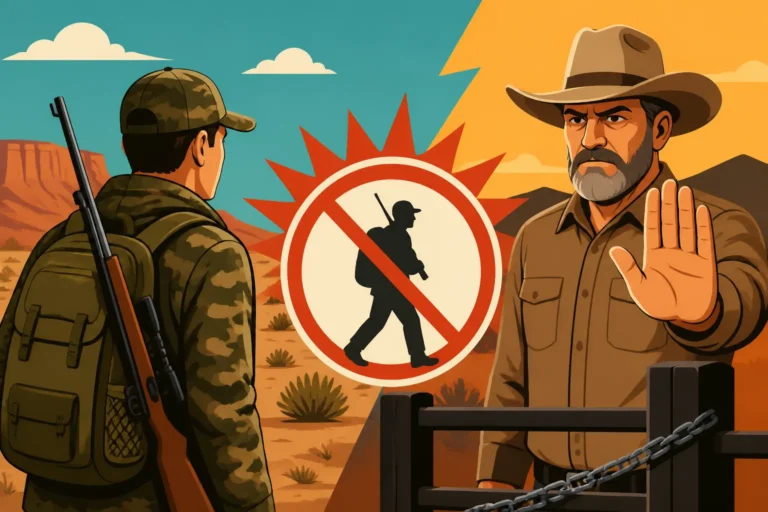
Expect strict protocols around vehicle access. Many areas are completely closed to vehicles, requiring hunters to navigate on foot, mountain bike, or horseback (if permitted). Off-road travel, even for game retrieval, is typically prohibited without explicit permission from preserve staff, and even then, it might be heavily restricted. You'll often be required to check in and out daily at a designated station, providing information on your hunting area and activities. Game retrieval may also have specific procedures, potentially requiring coordination with preserve staff for access to remote areas or use of designated routes. Understanding these rules upfront is non-negotiable. Familiarize yourself with their map system, which will delineate hunting zones, no-entry areas, and permissible travel routes. This careful management distinguishes a Valles Caldera hunt significantly from a more typical experience on Hunting New Mexico From 4,000 Feet to 10,000 on national forest land. Your responsibility as a hunter extends beyond ethical hunting to being a respectful steward of this special place under strict oversight.
Advantages and Disadvantages of a Valles Caldera Hunt
Deciding whether to pursue a Valles Caldera tag involves weighing a unique set of pros and cons. It's not a hunt for everyone, and understanding both the incredible upside and the challenging downsides will help you determine if it aligns with your hunting aspirations.
The Upside: Quality and Unique Experience
The most significant advantage of drawing a Valles Caldera tag is the undeniable quality of the hunting experience. Due to limited public access and active wildlife management, the preserve often boasts exceptional animal populations, particularly for elk. This translates to higher potential for encountering mature animals and a generally less pressured hunting environment compared to many other public lands. When you draw a tag here, you're one of a very select few, which creates an intimate, uncrowded atmosphere that is increasingly rare in public land hunting. The potential for a true trophy animal is definitely elevated here, making it comparable to the quality often described for the Gila in Why the Gila Produces Record Book Bulls.
Beyond the game itself, the Valles Caldera offers an unparalleled aesthetic experience. The stunning, panoramic vistas of rolling grasslands, framed by majestic mountains and pristine forests, are simply breathtaking. It's a place of profound natural beauty and ecological significance. For many, the opportunity to hunt in such a unique and carefully managed landscape is a once-in-a-lifetime privilege. The preserve's commitment to ecological health means you're hunting in a thriving, vibrant ecosystem, which enhances the entire experience. It's truly a special feeling to be hunting a place with such a rich history and natural wonder.
The Downside: Cost, Draw Odds, and Restrictions
However, the Valles Caldera hunt comes with significant hurdles. The most immediate is the cost. As discussed, you're looking at not only state license and tag fees but also a separate, often substantial, preserve-specific permit fee. This combined cost can easily make it one of the more expensive public land hunting opportunities in New Mexico, pricing out many hunters. The financial investment is considerable, and it's something you need to be prepared for well in advance.
Then there are the draw odds. Because of the limited number of tags issued and the high demand for such a quality experience, drawing a Valles Caldera permit is incredibly difficult. It's truly a lottery, and many hunters apply for years, if not decades, without success. This requires immense patience and a willingness to face long odds. Finally, the restrictions. The highly managed nature of the preserve means less flexibility. You'll encounter strict rules on vehicle access, designated hunting areas, check-in/check-out requirements, and limitations on scouting. For hunters who cherish the freedom and solitude of a true wilderness DIY experience, these restrictions can feel cumbersome and detract from the "wild" aspect of the hunt. It's definitely a different flavor than Planning a DIY Public Land Hunt in New Mexico.
Is a Valles Caldera Hunt Right for You?
So, after considering the unique attributes, benefits, and challenges, how do you decide if a Valles Caldera hunt is right for your personal hunting journey? It really boils down to your priorities, budget, and willingness to navigate a highly structured environment.
This type of hunt is ideal for the hunter who prioritizes a high-quality, low-pressure experience over frequent hunting opportunities. If you're patient, financially prepared for the significant investment, and can appreciate the beauty and uniqueness of the preserve despite its strict rules, then applying for a Valles Caldera tag could be a dream come true. You're seeking a special, trophy-class experience rather than just filling a freezer. It's also well-suited for those who don't mind a more guided or controlled experience, where the focus is on the hunt itself within a clearly defined framework. If you're someone who thrives on absolute freedom, extensive pre-season scouting, and minimal oversight, then the Valles Caldera might feel too restrictive. However, if the allure of exceptional game in a stunning, meticulously managed landscape outweighs the cost and limitations, then start monitoring their website, sharpen your e-scouting skills with tools like onX Hunt, and throw your hat in the ring. The reward could be a truly unforgettable New Mexico hunting adventure.
| Feature | Valles Caldera Hunt (Typical) | Standard NMDGF Public Land Hunt |
|---|---|---|
| Application Process | Separate draw, preserve-specific | Statewide NMDGF draw |
| Permit Fees | State tag + separate preserve fee | State tag only |
| Draw Odds | Extremely difficult | Varies, often difficult for premium hunts |
| Access/Scouting | Highly restricted, often no pre-season | Generally open, self-guided access |
| Rules/Regulations | Very strict, specific protocols | NMDGF general rules, unit specific |
| Crowding | Very low due to limited tags | Can be high, especially on openers |
| Game Quality | Often very high (managed) | Varies by unit and pressure |
| Experience Type | Premium, structured, unique | DIY, self-reliant, wilderness feel |
| Vehicle Use | Highly restricted to specific roads | Varies, more flexibility in many areas |
Disclaimer
This article is for general informational purposes only and does not constitute professional advice. Laws, prices and regulations vary by location and change over time. Consult a qualified professional for guidance on your specific situation.