New Mexico’s Valle Vidal and Its Special Rules
Many New Mexico hunters dream of drawing a tag for the Valle Vidal, a truly special slice of public land, but the array of unique rules and regulations surrounding this incredible area can often feel like a dense thicket of confusion. It’s not just another unit; it’s an experience unto itself, and understanding its specific nuances is absolutely critical to even considering a hunt there. This guide aims to clear up that confusion, diving deep into the special provisions that govern hunting in the Valle Vidal, from the draw process to on-the-ground conduct, so you can approach it with confidence and clarity.
What Makes Valle Vidal Unique? A Pristine Landscape with a Purpose
The Valle Vidal, often referred to as "the valley of life," is a 100,000-acre tract of land nestled in the Sangre de Cristo Mountains of northern New Mexico. It's an absolutely breathtaking area, a mosaic of vast alpine meadows, dense conifer forests, and shimmering aspen groves, all providing critical habitat for an abundance of wildlife. But it's more than just pretty scenery; its history and management philosophy truly set it apart from other public lands in the state.
A Brief History of Conservation and Public Access
The journey of the Valle Vidal to its current state is a remarkable story of conservation. Originally part of the sprawling Vermejo Park Ranch, this land was acquired by the federal government in 1982 through a unique land exchange with Pennzoil. The explicit purpose of this acquisition was to preserve its outstanding natural values and provide public access for recreation, particularly hunting, while ensuring the protection of its delicate ecosystem. Unlike many other national forest lands that have always been publicly owned, the Valle Vidal came with a mandate for careful, managed public use. This means its rules aren't just bureaucratic red tape; they are designed to uphold that original conservation vision, balancing opportunity with stewardship. It’s a place where every decision, from hunt quotas to camping regulations, flows from this fundamental principle.
This history means that accessing and hunting the Valle Vidal isn't just about showing up with a tag; it's about respecting a carefully crafted balance. It’s why you'll find regulations here that might seem stricter or more specific than in a typical national forest unit. The U.S. Forest Service manages the Valle Vidal, but they do so with a clear understanding of its unique legacy and the need for its continued ecological health. This dedication to conservation is what has allowed it to remain such a prized destination for hunters and outdoor enthusiasts alike.
Unique Ecosystem and Abundant Wildlife
The Valle Vidal’s diverse topography, ranging from 8,000 to over 12,000 feet in elevation, creates a varied ecosystem that supports an incredibly robust wildlife population. It’s famous, and rightly so, for its trophy elk. The vast, open meadows are prime feeding grounds, and the surrounding timber provides excellent cover and bedding. These conditions, combined with conservative management, have consistently produced some of the largest bull elk in the state, attracting hunters from all over the country. Beyond elk, the area supports mule deer, black bear, mountain lion, and a variety of smaller game and bird species. The health of this ecosystem is paramount, and every hunting season, every rule, is designed to ensure that the wildlife populations remain healthy and thriving for generations to come.
What makes the Valle Vidal so special for wildlife is its sheer size and relative lack of development. There are no permanent human residences or commercial operations within its boundaries, only limited infrastructure for management and recreation. This allows wildlife to exist in a more natural state, with fewer disturbances than in many other publicly accessible areas. The undisturbed nature of its core areas contributes significantly to the quality of hunting opportunities, making every drawn tag feel like a truly once-in-a-lifetime experience. When you're glassing those expansive meadows at dawn, it’s easy to see why this place inspires such reverence.
Understanding the Permit System and Application Process
You can't just buy an over-the-counter tag and head into the Valle Vidal. This is prime, highly sought-after country, and access is strictly controlled through a limited-entry draw system. This system is designed to manage hunter numbers, reduce pressure on the wildlife, and maintain the quality of the hunting experience. For many, just applying is a years-long endeavor, a testament to the area's reputation.
The Limited Entry Philosophy
The limited entry philosophy in the Valle Vidal is fundamental to its management. Instead of allowing a large number of hunters, which could quickly degrade the resource and the experience, a very limited number of tags are issued for specific species and seasons. This ensures that those who are lucky enough to draw a tag have a higher quality hunt, with less competition and a better chance of encountering mature animals. It's about quality over quantity, a principle that deeply resonates with serious big game hunters. You won't find the throngs of hunters you might encounter in other units; instead, you’ll experience a much more solitary and wild hunt.
This system is why the draw odds for the Valle Vidal are notoriously low. It’s a highly competitive draw, and for many, it becomes a yearly tradition to throw their hat in the ring, knowing the odds are stacked against them but hoping for that one lucky break. How New Mexico Draw Odds Do Not Improve With Time is a concept that applies acutely here – every applicant, whether it's their first time or their twentieth, has an equal shot in the lottery. This fairness, despite the slim chances, is part of its appeal. It means anyone truly has a chance, not just those with years of preference points.
Applying for a Valle Vidal Tag
Applying for a Valle Vidal tag follows the general New Mexico draw process, but with specific unit and hunt code selections that designate the Valle Vidal. You'll go through the New Mexico Game and Fish online application portal. Just like any other draw, you'll need a valid New Mexico Game Hunting License (which costs money, even if you don't draw a big game tag) and pay a non-refundable application fee per species. It’s crucial to select the correct unit and hunt code, as mixing them up could mean you're applying for an entirely different area or season. Many hunters use resources like GoHunt to research historical draw odds and analyze specific hunt codes before making their selections, trying to strategize for the best possible chance, however slim.
The application deadline is typically in mid-March, and it’s a hard deadline, so don’t miss it! The March Deadline for New Mexico Applications is a universal truth for almost all big game species in the state, and the Valle Vidal is no exception. It's a nail-biting wait until draw results are posted, usually in late April or early May. If you're fortunate enough to draw, the real planning begins.
Specific Hunt Codes and Seasons
The Valle Vidal offers hunts primarily for elk and sometimes for mule deer, with specific seasons designated for archery, muzzleloader, and any legal weapon. Each of these will have its own unique hunt code, often indicating the specific unit (typically a portion of Unit 48) and the weapon type and dates. For example, an archery elk hunt in early September might have a different code than a late October muzzleloader hunt. These codes are not just arbitrary numbers; they define your entire hunting opportunity. Reading a New Mexico Hunt Code Before You Apply is essential for any applicant, but doubly so for the Valle Vidal, where precision is key.
The season dates for Valle Vidal hunts are carefully set to align with wildlife patterns, such as the elk rut for archery hunts, or post-rut for later rifle seasons. These dates are published annually in the New Mexico Hunting Rules & Information booklet. It's absolutely vital to consult the most current booklet for the exact hunt codes and dates, as they can shift slightly from year to year. Understanding the timing of these hunts can help you visualize the conditions you might face, from weather to animal behavior, should you be successful in the draw.
| Hunt Type | Primary Species | Typical Season (General) | Key Characteristics |
|---|---|---|---|
| Archery Elk | Elk | September | Elk rut is often active, bugling, spot & stalk. |
| Muzzleloader Elk | Elk | Early to Mid-October | Cooler weather, post-rut but still active. Limited tags. |
| Any Legal Weapon Elk | Elk | Late October / November | Colder, potential snow, often fewer animals in high country. |
| Archery Deer | Mule Deer | September | Less common than elk tags, high quality bucks. |
Note: Specific dates and unit portions vary annually. Always check the current New Mexico Hunting Rules & Information booklet.
Key Hunting Regulations and Restrictions
Once you've drawn that coveted Valle Vidal tag, the next step is to fully understand the specific rules that apply to hunting within its boundaries. These aren't just general New Mexico hunting laws; these are special provisions designed to preserve the unique nature of the Valle Vidal. Missing a crucial detail could result in a ruined hunt or, worse, serious legal trouble.
Weapon Restrictions and Rules
While the New Mexico Game and Fish Department sets general regulations for weapon types, the Valle Vidal might have additional specific restrictions or interpretations. For example, if you draw a muzzleloader tag, ensure your muzzleloader meets the state's definition of a primitive weapon, especially concerning scopes or ignition types, as sometimes these rules can be more strictly enforced or interpreted in special areas. What Makes a Weapon Primitive Under the Rules is a good resource to review to ensure your gear aligns with the regulations.
For archery hunts, broadhead requirements and minimum draw weights are standard across New Mexico, but again, double-checking for any Valle Vidal-specific clauses is always wise. It's rare for weapon specifics to deviate wildly, but the context of "special rules" means you leave no stone unturned. Always assume the most conservative interpretation of the rules when hunting such a prized and carefully managed area. Your focus should be on fair chase and ethical hunting practices that align with the spirit of preservation the Valle Vidal embodies.
Access, Camping, and Other On-Site Rules
This is where the Valle Vidal truly distinguishes itself. Unlike much of the general national forest land where dispersed camping might be allowed, the Valle Vidal has very strict camping regulations. Dispersed camping is generally not permitted. Instead, you'll find designated campgrounds with specific rules, including dates of operation, amenities, and length of stay. Some hunts may even require you to camp in specific designated areas or only allow day-use access from outside the unit. This is critical for managing impact on the fragile ecosystem and for controlling hunter numbers. Always check your specific hunt permit and the Valle Vidal's current operating plan for details.
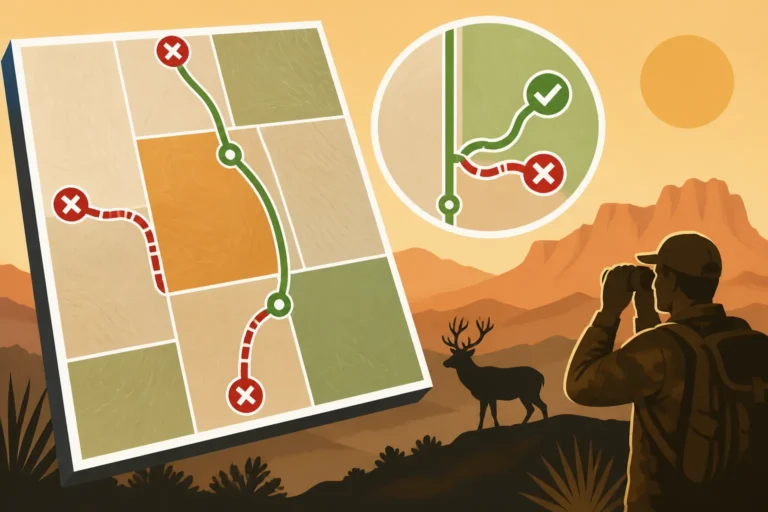
Motorized vehicle access is also highly regulated. While there are roads, many are seasonally closed, and off-road travel is strictly prohibited to protect sensitive soils and wildlife. You'll often find gates that are locked, or roads designated as "foot traffic only." Knowing the road system and what's open is crucial for effective scouting and hunting. Using a GPS mapping app like onX Hunt on your phone or satellite device can be invaluable for understanding road closures, unit boundaries, and designated camping areas. These digital maps often incorporate layers that show these special designations, saving you a lot of headache and ensuring you stay compliant. Camping Limits on State Wildlife Areas might give you a general idea, but Valle Vidal rules are often even more stringent.
Guiding Requirements and Ethics
While you are not required to hire an outfitter to hunt the Valle Vidal, many hunters choose to do so, especially those unfamiliar with the terrain or the unique management style. If you apply as an outfitter client through the New Mexico Outfitter Pool, then the standard rules regarding a signed contract and the two-day accompaniment rule would apply. The New Mexico Outfitter Draw and Its Two-Day Rule explains these requirements in detail. Even if you're a DIY hunter, understanding the ethical considerations of hunting a high-pressure, limited-access area is paramount. This includes proper field dressing, packing out all trash, and minimizing your footprint.
The presence of Forest Service rangers and game wardens is often higher in the Valle Vidal due to its special status. They are there to ensure compliance with the rules and to assist hunters. It’s always a good idea to be familiar with who they are and respect their authority. Remember, the goal is to protect this resource, and adherence to rules is a collective responsibility. Ethical hunting in the Valle Vidal extends beyond simply not breaking the law; it encompasses a deep respect for the land and its creatures.
Navigating the Valle Vidal: Access and Practicalities
So, you’ve drawn a tag. Congratulations! Now comes the exciting part: figuring out how to actually navigate and hunt this incredible landscape. While maps and apps are invaluable, understanding the physical access points, the road system, and what to expect on the ground will be the key to a successful hunt.
Entry Points and Road System
Access to the Valle Vidal is typically through a few main entry points, usually from Highway 64 or through specific Forest Service roads that connect to surrounding areas. These entry points often have gates and may be staffed by Forest Service personnel during hunting seasons, who will check your permits and provide an orientation. This isn’t just a formality; it’s an opportunity to get up-to-the-minute information on road conditions, specific closures, and any other pertinent details for your hunt. Don't skip this interaction or assume you know everything; local knowledge from the rangers can be priceless.
Once inside, the Valle Vidal has a network of maintained and unmaintained dirt roads. Not all of these roads are open to public vehicle traffic, and many are subject to seasonal closures due to weather (like snow or heavy rain) or wildlife management. It's common to have to park your vehicle and hike significant distances to reach prime hunting areas, especially in the more remote sections. This is part of the challenge and reward of hunting the Valle Vidal. Always consult the Forest Service map specifically for the Valle Vidal, as well as checking the current conditions before and during your hunt. Motorized Travel Rules on New Mexico Public Land covers the general state guidelines, but Valle Vidal can have its own tighter restrictions.
Using Mapping Tools for Success
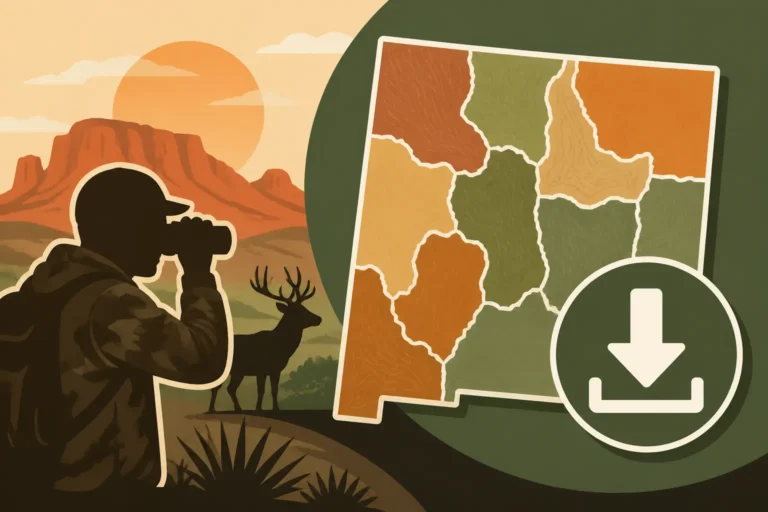
In a place with complex access rules and large expanses of terrain, modern mapping tools are absolutely essential. Services like onX Hunt are invaluable for several reasons. First, they provide detailed land ownership maps, showing the precise boundaries of the Valle Vidal, adjacent private lands, and other public areas. This helps you avoid accidental trespass and ensures you're always on the right side of the law. Second, they often include layers that show Forest Service roads, trails, and, crucially, seasonal closures or designated camping areas within the Valle Vidal. You can download these maps for offline use, which is critical since cell service is often spotty or non-existent in many parts of the unit.
Beyond just avoiding trouble, these tools help with actual hunting strategy. You can mark potential glassing knobs, water sources, and bedding areas during your e-scouting phase. E-Scouting a New Mexico Unit Before the Season is a strategy that applies perfectly to the Valle Vidal, allowing you to familiarize yourself with the terrain long before you set foot on it. You can identify potential access routes, escape cover for animals, and areas of high game concentration based on satellite imagery. This level of preparation is not just helpful; it’s almost a necessity for maximizing your limited time in such a special unit.
On-Site Orientation and Ranger Presence
As mentioned, you might encounter Forest Service personnel at entry points or patrolling within the Valle Vidal. These individuals are a valuable resource. They can provide current information on trail conditions, recent animal movements, and clarification on any rules. Their presence is a reminder that this is a specially managed area, and respecting the rules is taken seriously. Always remember to be courteous and cooperative; they are there to help ensure a positive experience for everyone and to protect the resource.
The limited number of hunters and the focused management mean that if you have an issue, help is often more accessible than in a truly vast, unmanaged wilderness area. However, it also means that your actions are more visible. Every hunter is an ambassador for the sport, especially in a place like the Valle Vidal, which operates under such a unique management paradigm. Your behavior directly reflects on the hunting community and the continued public access to such special places.
Planning Your Valle Vidal Hunt: Beyond the Draw
Drawing a Valle Vidal tag is just the beginning. The actual hunt requires meticulous planning, both physically and logistically. This isn't a casual hunt; it's an intense, rewarding experience that demands respect for the terrain and the wildlife.
Physical and Mental Preparation
Hunting the Valle Vidal is physically demanding. You’ll be at high elevations, navigating steep terrain, and potentially covering many miles on foot, often with a heavy pack. If you've drawn an elk tag, be prepared for the possibility of packing out hundreds of pounds of meat over rugged country. This means starting a rigorous physical training regimen well in advance of your hunt. Focus on cardio, strength training, and endurance. Simulating pack-outs with weight will give you a realistic idea of what to expect. Preparing Physically for a High Elevation Hunt is a must-read for anyone considering a hunt in this area.
Mentally, be prepared for challenges. The weather in the Sangre de Cristos can change rapidly, from warm sunshine to freezing rain or snow in a matter of hours, even in September. Be ready for early mornings, late nights, and the inevitable frustrations that come with hunting big game in vast country. Patience, perseverance, and a positive attitude are just as important as physical fitness. The mental game often dictates the success of a tough hunt.
Essential Gear and Logistics
Your gear list for the Valle Vidal should be robust and tailored to the conditions. High-quality optics are non-negotiable for glassing the expansive meadows and timber edges. A good pair of binoculars (10x or 12x) and a spotting scope are essential. Optics Power for New Mexico's Open Country can offer guidance. Layered clothing suitable for extreme temperature swings is critical. A reliable GPS device (with downloaded onX Hunt maps!), headlamp, first-aid kit, and water purification system are absolute necessities. If you plan on camping in designated areas, ensure your camping gear is appropriate for mountain weather.
Logistically, consider how you’ll get your meat out if you’re successful. Will you be using pack frames, or do you have arrangements for horses if you’re hunting with an outfitter? Have a plan for keeping meat cool, especially if hunting during warmer early seasons. Getting Meat Cooled on an Early Season Hunt is a topic to research thoroughly. It’s also wise to research Water You Must Carry on a Desert Day Hunt to understand the importance of hydration, even in higher elevations where water sources might be available but not always potable.
Post-Harvest Requirements and Exit
Should you be successful, the requirements don't end when the animal is down. You'll need to properly tag your animal immediately. New Mexico has specific rules regarding evidence of sex requirements that must remain with the carcass until processed, and the Valle Vidal might have additional checking stations or reporting requirements beyond the standard state rules. Always check your permit and the information provided by the Forest Service upon entry. Mandatory Reporting After a New Mexico Harvest is a general guideline, but be prepared for more specific instructions in the Valle Vidal.
Exiting the Valle Vidal also means adhering to the rules about vehicle use and potential checks. Ensuring you leave no trace behind is crucial. Pack out everything you pack in, and perhaps even a little extra. Leaving the Valle Vidal pristine is part of the responsibility of hunting there, ensuring that this truly special place remains a gem for future generations of hunters.
Disclaimer
This article is for general informational purposes only and does not constitute professional advice. Laws, prices and regulations vary by location and change over time. Consult a qualified professional for guidance on your specific situation.