Elephant Butte and New Mexico’s Rio Grande Corridor
Hunting along the Rio Grande corridor and around the vast expanse of Elephant Butte Lake can feel like deciphering a secret code. Many hunters overlook this region, thinking it's nothing but open desert, or get frustrated by the complex patchwork of public and private land. But with its unique blend of water, desert, and riverine habitat, this guide will unlock the hidden opportunities and essential strategies you need to successfully hunt game in one of New Mexico's most distinctive landscapes.
Understanding the Unique Landscape of Elephant Butte and the Rio Grande Corridor
The stretch of New Mexico that encompasses Elephant Butte Lake and the meandering Rio Grande isn't your typical high-country elk haunt or vast eastern plains. This is a land shaped by water in an arid environment, creating a vibrant ecosystem that draws wildlife to its life-giving banks and scattered pockets of cover. Understanding this dynamic interplay between water, desert, and elevation is the first step toward effective hunting.
The Diverse Terrain and Its Influence on Hunting
Picture rolling hills covered in creosote and mesquite, abruptly giving way to steep arroyos and then plunging into the fertile, often dense, riparian zones right along the river or the lake's edges. This isn't flat ground; even when it appears open, the subtle undulations and washes provide critical travel corridors and bedding areas for game. The elevation changes aren't extreme like in the Sangre de Cristos, but they are significant enough to influence thermals and sightlines, especially during warmer parts of the day.
Around Elephant Butte, you're looking at vast stretches of sandy shores and rocky bluffs that transition quickly into classic Chihuahuan Desert scrubland. As you move north or south along the Rio Grande, the river creates a ribbon of green life, often choked with tamarisk, Russian olive, and cottonwood galleries. This thick cover can be incredibly challenging to penetrate, but it also offers unparalleled security for animals. Being able to adapt your hunting approach from glassing wide-open desert to slipping quietly through dense river bottom cover is paramount here. This diversity is what makes hunting here so fascinating, but also so demanding, as you're constantly adjusting to new conditions. Hunting New Mexico From 4,000 Feet to 10,000 gives a broader perspective on how elevation shapes hunting across the state, and while this area is on the lower end, its specific micro-climates and terrain features are just as impactful.
Water Sources: The Lifeline of Desert Game
In any arid environment, water dictates everything, and the Rio Grande and Elephant Butte are massive magnets for wildlife. Beyond the obvious, numerous smaller drainages feed into the river or lake, and some of these hold intermittent puddles or hidden seeps even when seemingly dry on the surface. Animals will travel considerable distances from the harsher uplands to access these vital water points. Locating these less obvious water sources away from the main river or lake can be a game-changer, as they often receive less pressure.
Stock tanks, while not as prevalent as in other parts of New Mexico, can also be crucial in units adjacent to the corridor. It’s not just about finding water; it’s about understanding when and how animals use it. Early mornings and late evenings are prime times, especially during warmer seasons. These water sources also serve as natural pinch points and funnels, concentrating game movement in predictable ways. Finding Water in New Mexico's Dry Country offers a deeper dive into how important these elements are, particularly in desert hunting.
Climate and Seasonal Considerations
Hunting this region means contending with significant temperature swings and often relentless sun. Early season hunts, especially for archery deer or small game, can be brutally hot, demanding extreme attention to hydration and heat management. Even into late fall, midday temperatures can still be surprisingly warm, while nights drop dramatically. This impacts when animals are most active – typically very early morning and late evening – and how they use cover throughout the day.
The monsoons, if they come, can transform the landscape, filling ephemeral washes and making dirt roads impassable. Conversely, prolonged drought can make game even more concentrated around the permanent water of the Rio Grande and Elephant Butte, increasing competition and potentially making animals warier. Paying attention to long-range weather forecasts and understanding the typical seasonal patterns for the region is critical for planning successful hunts and knowing what to expect from the animals.
Navigating Public Access: What You Need to Know for Hunting
One of the biggest headaches when hunting in the Rio Grande corridor, especially around developed areas or near agricultural lands, is figuring out precisely where you can legally hunt. New Mexico boasts millions of acres of public land, but it's often a scattered, intricate puzzle, not a neatly organized block. This patchwork can be frustrating, but with the right tools and knowledge, it's entirely navigable.
Elephant Butte Lake State Park Regulations
Elephant Butte Lake State Park is a massive recreation area, and while it's popular for boating and fishing, hunting is also permitted in specific zones and during certain seasons. However, it's absolutely crucial to check the specific regulations published by New Mexico State Parks and Game and Fish. There are often restrictions on where you can discharge firearms, designated no-hunting zones, and rules regarding vehicle access. These rules are in place to ensure public safety given the park's multi-use nature.
The areas open to hunting often comprise the drier, less developed sections of the park, usually away from the main campgrounds and boat ramps. Pay close attention to unit boundaries, as some areas might be within a broader game management unit, but the specific park rules still apply. Don't assume that because it's public land, you can just wander anywhere with a rifle. A quick call to the park office or a thorough read of the current regulations before you head out can save you a lot of grief and potential fines.
BLM and State Trust Land Along the Rio Grande
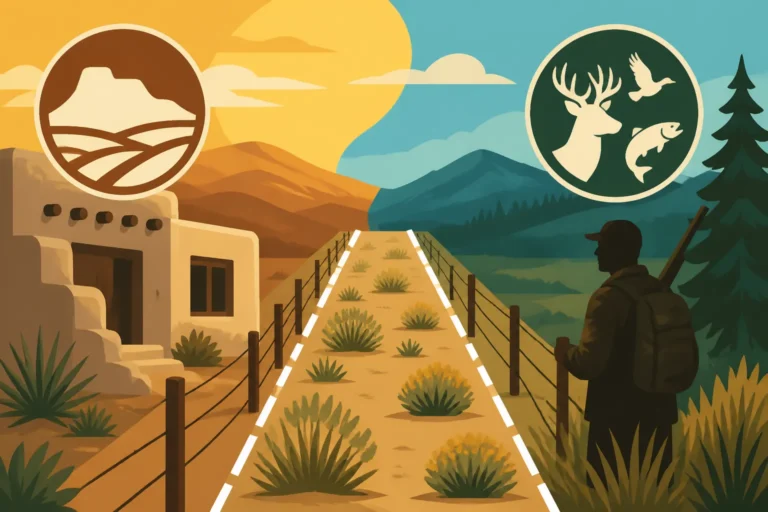
Much of the open-access hunting ground in the Rio Grande corridor and around Elephant Butte is managed by the Bureau of Land Management (BLM) and New Mexico State Trust Land. BLM land, recognizable by its vast, open character, generally allows hunting, camping, and vehicle access on established roads, though seasonal closures and specific restrictions can apply. These areas are fantastic for glassing vast expanses and long-range shooting opportunities.
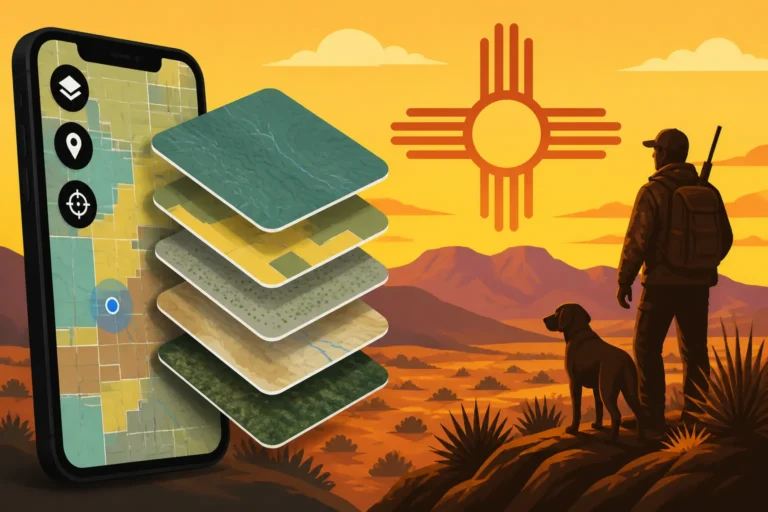
State Trust Land, on the other hand, requires a valid New Mexico hunting or fishing license, which acts as your easement for access. This land is often interspersed with private holdings, creating that complex checkerboard pattern that can drive a hunter crazy without good mapping. Using a reliable mapping application like onX Hunt is not just helpful here; it's practically essential. It overlays land ownership data, clearly showing you public boundaries, private parcels, and even different types of public land, all right on your phone or GPS device. This can prevent accidental trespass and ensure you're hunting legally. Remember that scouting on State Trust Land is generally permitted 14 days before your hunt, as detailed in Scouting New Mexico State Trust Land Fourteen Days Out.
Respecting Private Property and Obtaining Permission
The Rio Grande is a lifeline, and where there's water, there's often private property, agriculture, and residences. Many sections of the river, especially closer to towns or active farms, are privately owned. This means you absolutely must know where you are at all times. A fence line or a "No Trespassing" sign isn't just a suggestion; it's the law. Unintentional trespass is still trespass, and it can carry significant penalties.
If you identify a promising area on private land that you believe holds game, your best bet is to seek permission from the landowner well in advance. Be polite, offer to share your contact information, and always respect their wishes. Sometimes, simply asking can open up fantastic opportunities, but you must be prepared for rejection. Never assume access, even if you see game moving between public and private parcels. Always double-check your position, especially if you're navigating winding river bottoms where boundaries can be unclear. Written Permission Is Required to Cross Private New Mexico Ground is a must-read if you anticipate dealing with mixed land ownership.
Key Game Species and Hunting Opportunities
While the Gila might be famous for elk and the eastern plains for pronghorn, the Elephant Butte and Rio Grande corridor offers a unique suite of big game, small game, and bird hunting opportunities. Understanding which species thrive here and how they interact with this specific environment is crucial for success. This region isn't about massive herds; it's often about persistence and targeting isolated pockets of game.
Mule Deer and Coues Deer: Desert Adaptations
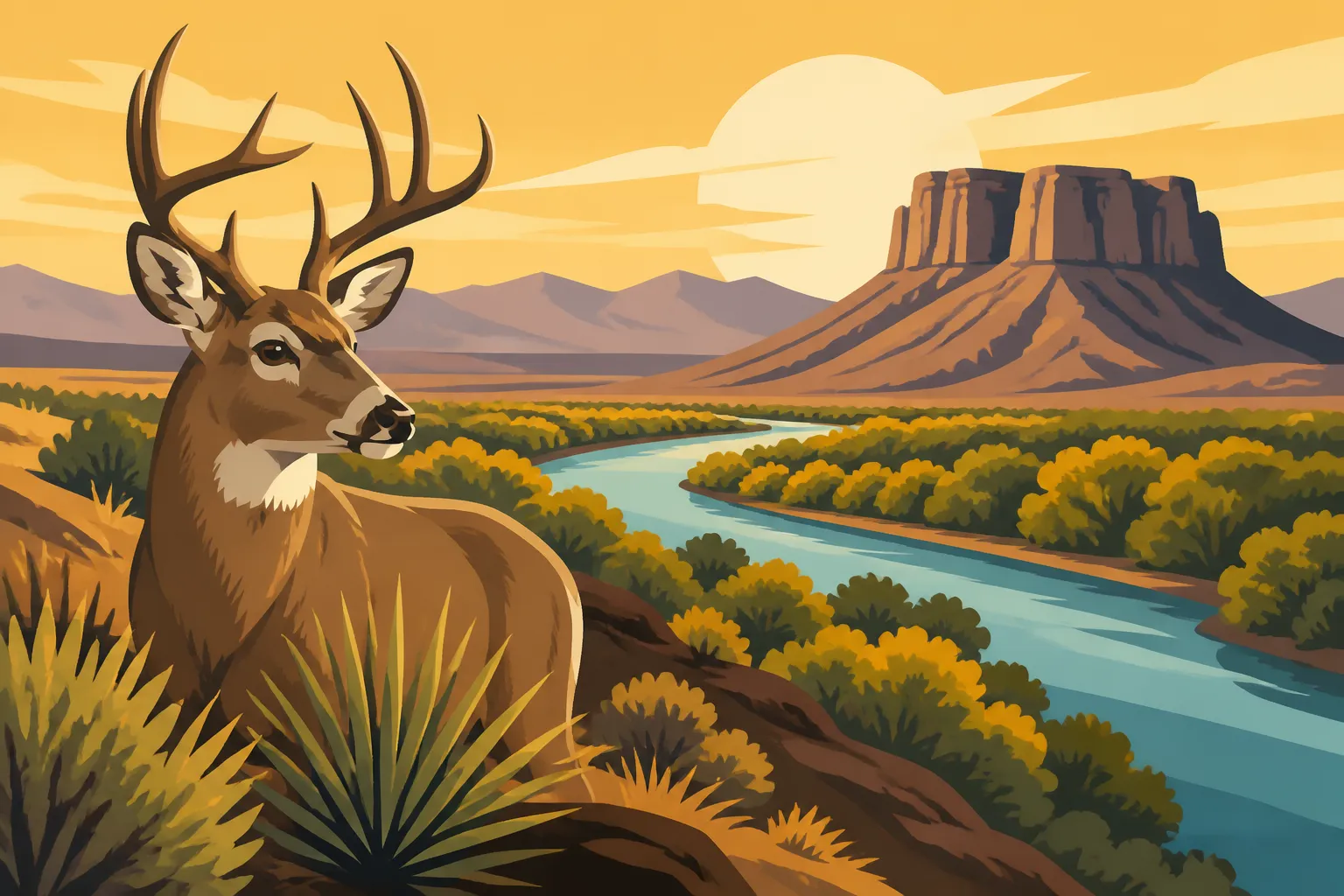
Mule deer are present throughout this region, particularly in the more rugged, brushy uplands away from the immediate river bottom. These are often desert mule deer, smaller in body size than their northern cousins, but incredibly adept at using the subtle contours of the desert for cover. Hunting them often involves extensive glassing from elevated positions, followed by a careful spot-and-stalk approach through the creosote and mesquite. You'll want to focus on areas with good cover and proximity to water, especially during drier periods. Desert Mule Deer in Southern New Mexico provides a good foundation for understanding their behavior in this arid climate.
Further south, particularly in the units closer to the Bootheel, you might encounter Coues deer. These "gray ghost" deer are famously difficult to hunt due to their small size, incredible camouflage, and preference for rugged, broken country. While not as common directly along the Rio Grande as in some of their core ranges, pockets can exist where suitable habitat is present. Their elusiveness makes them a truly challenging quarry. Coues Hunting in the Bootheel Ranges delves into the specifics of pursuing these unique deer. Both species demand keen eyes and patience.
Waterfowl and Upland Birds: A Different Kind of Hunt
The Rio Grande is a critical flyway for migratory waterfowl, and Elephant Butte Lake provides expansive open water and shoreline habitat for ducks and geese. This can offer exceptional waterfowling opportunities, often a stark contrast to big game hunting in the same region. Jump-shooting ducks along quieter stretches of the river or setting up blinds near agricultural fields that draw geese can be incredibly rewarding. Access to these areas often involves small boats or a willingness to wade.
For upland bird hunters, the dense river bottom cover can hold Gambel's quail, while the surrounding desert scrub might harbor Scaled quail. Bobwhite quail are less common in this specific area but can be found further east. Quail hunting here is often a fast-paced affair, typically requiring good dogs to flush birds from the thick vegetation. The dense cover also means shots can be quick and challenging. Understanding the specific regulations for each species and having a good grasp of New Mexico Quail Bag Limits by Species is essential.
Other Opportunistic Species: Javelina and Predators
The Chihuahuan Desert environment of the Rio Grande corridor is prime habitat for javelina. These tough, pig-like mammals (they're actually peccaries, not pigs) travel in herds and can provide an exciting and challenging hunt. They often favor dense, thorny scrub and rocky arroyos, making them difficult to spot until you're right on top of them. While they aren't big game, they offer a thrilling experience and excellent table fare. Many hunters combine a javelina hunt with a deer or predator trip.
Speaking of predators, coyotes are abundant throughout the region and can be hunted year-round. Calling coyotes in the open desert or along the river can be a very effective strategy, especially during cooler months. Their presence is a constant, and calling them can add an extra layer of excitement to any hunt. Hunting Coyotes Year Round in the Desert provides excellent advice for pursuing these wily canines. Other predators like bobcats and even mountain lions can be found in the more remote, rugged areas, though tags and specific seasons often apply for these species.
Strategies for Success in This Unique New Mexico Environment
Hunting in the Rio Grande corridor and around Elephant Butte demands a flexible and often specialized approach. The landscape dictates tactics, and what works in the high country won't necessarily yield results here. Success hinges on understanding how game utilizes this distinct environment and adapting your strategies accordingly.
Spot and Stalk in Open Desert and River Bottoms
The open nature of much of the desert terrain around Elephant Butte lends itself perfectly to spot-and-stalk hunting. Early mornings are prime for getting to a high point, setting up your optics, and patiently glassing vast areas. Use high-quality binoculars and a spotting scope to pick apart distant hillsides, washes, and the edges of dense cover. Look for movement, an unnatural shape, or even just a flicker of an ear. Once an animal is spotted, the challenge shifts to planning an approach that utilizes every piece of available cover, no matter how small. Wind direction is critical, as scent carries far in the open air. Optics Power for New Mexico's Open Country goes into detail about choosing the right glass for these conditions.
Conversely, the dense river bottom habitat often requires an entirely different approach: still-hunting. This means moving incredibly slowly and deliberately, pausing frequently to observe your surroundings and listen for subtle sounds. The key here is stealth and patience. Animals in these thickets rely heavily on their sense of hearing and smell, and one wrong step can send them crashing away. Focus on reading sign, identifying fresh tracks, and understanding natural travel corridors through the vegetation.
Waterhole Ambush Tactics
Given the scarcity of water away from the main river and lake, water sources become natural congregation points, especially during dry spells and warmer hunting seasons. Setting up an ambush near a stock tank, a spring, or a less-frequented stretch of the river can be a highly effective strategy, particularly for mule deer or javelina. This often involves scouting to determine active water sources and identifying natural blinds or setting up a ground blind that offers good concealment and a clear shot. Sitting Water for Deer and Antelope offers a comprehensive guide to this patient, rewarding method.
Patience is key here. You might sit for hours without seeing anything, only for a group of animals to materialize as if from nowhere. Pay attention to wind direction so your scent doesn't carry to the water before the animals arrive. Be prepared for early morning starts and late evening finishes, as these are the peak times for animals to venture out for a drink. Remember to adhere to any regulations regarding permanent structures or tree stands on public land.
Understanding Animal Movement Along the River
The Rio Grande itself acts as a massive linear travel corridor, but also a barrier. Game animals will often move along the river's edge, using the dense cover for security while traveling between bedding and feeding areas. They might cross the river at shallower points, especially during times of lower flow, or utilize specific trails that lead down to water. Understanding these movement patterns is crucial.
During the rut, bucks might cruise these river corridors, scent-checking for does. Similarly, other species like javelina will move in herds along the banks. Identifying these established game trails, pinch points where the cover narrows, or areas where the river is easily crossed can provide excellent ambush opportunities. Satellite imagery, often available through apps like onX Hunt, can help you identify these features from afar, allowing you to plan your approach before you even set foot on the ground. For detailed pre-hunt planning, GoHunt also offers valuable tools for analyzing draw odds and harvest data for specific units in the region, helping you refine your hunt choices.
Essential Gear and Planning Tips for the Region
Hunting in the Elephant Butte and Rio Grande corridor presents unique challenges, and having the right gear and a solid plan can make all the difference between a successful hunt and a miserable one. This isn't a place to cut corners on essentials, especially when it comes to navigation and personal safety.
Optics and Navigation for Open Country
As mentioned, quality optics are non-negotiable here. A good pair of 10x binoculars is your primary scouting tool, but don't underestimate the value of a spotting scope (20-60x or higher) on a sturdy tripod for picking apart distant hillsides and confirming species or antler size. The vast, open nature of much of the terrain means you'll be doing a lot of long-range glassing. Investing in the best glass you can afford will dramatically increase your chances of spotting game before it spots you. Binocular Size That Survives an All-Day Session can help you choose the right pair.
For navigation, a GPS device or a robust mapping app on your phone (like onX Hunt) is absolutely critical. The landscape can look very homogenous, and it's easy to get disoriented, especially in the featureless desert or winding arroyos. Pre-download maps for offline use, mark potential water sources, and clearly delineate public and private land boundaries. A compass and paper map are also wise backups, as electronics can fail. E-Scouting a New Mexico Unit Before the Season covers how to use these tools effectively.
Hydration and Heat Management
The number one health concern in this region, especially outside of deep winter, is dehydration and heat exhaustion. You must carry significantly more water than you think you'll need. A good rule of thumb for desert hunting is at least a gallon of water per person per day, and more if you're exerting yourself in hot weather. Electrolyte supplements are also highly recommended to replace lost salts. Water You Must Carry on a Desert Day Hunt lays out the essential considerations.
Clothing should be light-colored, breathable, and provide sun protection. Wide-brimmed hats, sunglasses, and gaiters are not optional; they are necessities. Plan your hunting day around the heat, often starting before dawn and taking a long break during the hottest part of the day, resuming late afternoon. Know the signs of heatstroke and how to respond, especially if hunting alone or with inexperienced partners. Sunscreen is your friend, and don't forget lip balm with SPF.
Respecting the Environment and Leaving No Trace
This region is beautiful, but it's also fragile. Pack out everything you pack in, and then some. This includes all trash, spent casings, and any other refuse. Avoid driving off established roads, as this can damage sensitive desert soils and vegetation, leading to erosion and habitat degradation. If you need to retrieve game off-road, understand the specific regulations regarding vehicle use on public land.
Be mindful of fire restrictions, especially during dry periods. A single spark can ignite a catastrophic wildfire in the dry scrub. Camp in designated areas if possible, or adhere strictly to dispersed camping regulations. Be aware of venomous snakes and other desert critters, especially during warmer months. Snake Awareness on a September Archery Hunt is a critical read before heading out. Leave the landscape as you found it, or even better, so future generations of hunters can enjoy the unique opportunities that Elephant Butte and the Rio Grande corridor offer.
Disclaimer
This article is for general informational purposes only and does not constitute professional advice. Laws, prices and regulations vary by location and change over time. Consult a qualified professional for guidance on your specific situation.