When Undersubscribed New Mexico Hunts Go on Sale
It's incredibly frustrating, isn't it? You spend weeks poring over regulations, strategizing your hunt choices, and then you hit submit on your New Mexico big game application, only to receive that gut-wrenching email: "Unsuccessful in drawing." It feels like the dream is over before it even began. But here’s the thing: for many hopeful hunters, especially those looking for a second chance or who missed the initial draw entirely, New Mexico offers a glimmer of hope through its leftover license sales. This comprehensive guide will walk you through exactly when and how those undersubscribed hunts become available, giving you the best shot at tagging out in the Land of Enchantment.
Understanding the New Mexico Draw Process First
Before we dive into the nitty-gritty of leftover tags, it’s really important to understand the foundation: the initial draw. Many hunters just see the "successful" or "unsuccessful" notification, but there's a whole complex system working behind the scenes that dictates how those tags are first distributed and, crucially, why some are left over.
The Initial Application Window and Deadlines
Every year, like clockwork, New Mexico opens its big game draw application period, and for most species, that crucial deadline falls in mid-March. Specifically, applications usually close on March 18th at 5 p.m. Mountain Daylight Time. This is a hard deadline, and there are no exceptions. If you miss it, you miss your primary chance at a draw tag for species like elk, deer, pronghorn, and oryx. The New Mexico Department of Game and Fish (NMDGF) clearly states these dates in their annual Reading a New Mexico Hunt Code Before You Apply booklet, and it’s always wise to double-check for any slight shifts year to year.
This is the window where everyone throws their hat in the ring. Tens of thousands of hunters, both residents and non-residents, apply for their coveted tags. For most, this is the make-or-break moment. You select your hunt codes, prioritize your choices, and hope for the best.
How the Draw Allocates Tags
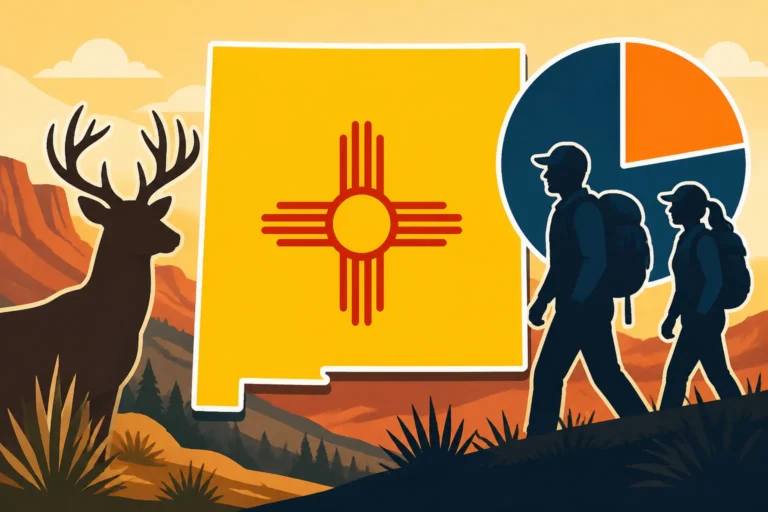
New Mexico's draw is designed around a three-pool system, which often confuses new applicants. First, there's the big 84% resident pool, where most resident tags are allocated. Then, there's the 10% outfitter pool, reserved for clients who have contracted with a registered New Mexico outfitter, requiring a specific The Signed Guide-Client Contract New Mexico Requires. Finally, there’s the challenging 6% non-resident pool. This strict allocation is a major reason why non-resident draw odds can feel so incredibly tough.
The system works by randomly selecting applications within these pools. If your application is drawn, the system attempts to fulfill your first choice. If that's unavailable, it moves to your second, and so on. What happens if a hunter draws a tag but then their credit card fails? Or perhaps they withdraw their application (which is rarely an option post-draw)? Or, most commonly, what if simply not enough people applied for a particular hunt code in the first place? These are the tags that become "undersubscribed" or "leftovers."
The Unsuccessful Notification and What Comes Next
Typically, New Mexico posts its draw results in late April or early May. For many, this is the moment of truth. You log into your NMDGF account, hold your breath, and click to view your results. If you see "Unsuccessful," it’s disheartening. But don't despair! This doesn't mean your hunting season in New Mexico is over.
For those who didn't draw, or for hunters who want to explore additional opportunities, the period between draw results and leftover sales is a time of watchful waiting. The NMDGF needs time to finalize all successful payments, process any refunds, and, critically, identify exactly which tags were not claimed or were never applied for in the first place. This reconciliation period is essential for determining the inventory of leftover licenses. It’s during this time that the seeds for the leftover sale are sown.
The Journey to Leftover Licenses: When They Actually Emerge
The process from initial draw results to available leftover licenses isn't instantaneous. It's a calculated, multi-step process by the NMDGF, and understanding these steps is key to being ready when those licenses do drop.
What "Undersubscribed" Really Means
When we talk about "undersubscribed" hunts, we're referring to licenses that, for one reason or another, were not fully allocated during the initial draw. This can happen for a few primary reasons:
- Low Demand: Some hunt codes, particularly those for less popular units, archery cow elk tags, or certain primitive weapon seasons, simply don't receive enough applicants to fill all available slots. For example, a late-season Muzzleloader Deer Windows Across New Mexico Units hunt in a remote unit might not be as popular as a prime rifle elk tag.
- Failed Payments/Declined Cards: Even if an application is drawn, if the hunter's credit card fails to process the payment for the license, that tag goes back into the pool. This is a surprisingly common occurrence and contributes to the leftover inventory.
- Application Errors: Sometimes, hunters make mistakes on their applications that disqualify them, or they simply withdraw (though this is rare and usually only possible before the draw runs).
- Non-Resident Quota: With only 6% of tags going to non-residents, sometimes a non-resident tag might be undersubscribed in a specific hunt if there weren't enough non-resident applicants for that particular hunt code.
It’s important to manage expectations here. You're unlikely to find a leftover trophy bull elk tag in a highly sought-after unit like 16A or 17. The tags that become undersubscribed are typically those with lower demand, perhaps due to unit access, season dates, or species type. However, for a determined hunter, these can be fantastic opportunities.
The Post-Draw Audit and Reconciliation Period
Once the draw results are out, the NMDGF doesn't immediately release leftover tags. There's a critical "audit and reconciliation" period. During this time, which typically lasts several weeks through May and into June, the department is:
- Processing payments: Ensuring all successful applicants' credit cards have been charged and licenses issued.
- Handling failed payments: Dealing with any declined cards, attempting to contact applicants, and ultimately re-pooling those unclaimed tags.
- Finalizing statistics: Crunching the numbers to determine precisely how many licenses remain available for each species and hunt code.
- Preparing for the sale: Getting their online system ready for the high volume of traffic expected when the leftover tags go live.
This period is usually quiet from the hunter's perspective, but it's vital. This is why you won't see leftover tags popping up the day after draw results are announced. Patience is a virtue, but preparation is even more valuable during this waiting game.
The Official Announcement of Leftover Sales
The NMDGF will make an official announcement, typically via their website, social media channels, and sometimes through email newsletters, when they are ready to release the leftover licenses. This announcement will usually specify the exact date and time the sale will begin.
Historically, these sales tend to happen in mid-to-late June or early July. It's not uncommon for the exact date and time to be announced only a week or so in advance, sometimes even less. This creates a bit of a frantic scramble, as hunters who have been waiting patiently suddenly need to be ready to act fast. Keeping a close eye on the NMDGF website and signing up for their email alerts is absolutely crucial during this time. Resources like GoHunt often provide immediate updates as soon as the NMDGF makes an announcement, helping hunters stay informed.
Navigating the Leftover Sale: Strategies and Timelines
When those leftover licenses drop, it's not a relaxed shopping experience; it’s a high-stakes race where seconds can mean the difference between getting a tag and missing out.
The First-Come, First-Served Scramble
Unlike the draw, where everyone has an equal chance regardless of when they apply within the window, the leftover sale is strictly first-come, first-served. When the clock strikes the designated minute, the floodgates open, and thousands of hunters simultaneously try to grab the limited number of tags.
The website can become slow, pages might not load, and the tag you had your eye on could be gone in the blink of an eye. It truly is a test of internet speed, quick clicking, and pre-planning. This isn't the time to start researching units or deciding on a hunt code; that work needs to be done well in advance. Consider it similar to trying to get tickets for a popular concert – you know what you want, and you're ready to hit refresh.
Specific Dates and Times to Mark Your Calendar
While the exact dates shift annually, you can expect the New Mexico leftover sales to typically fall within these windows:
- Late June to Early July: This is the primary window for most big game species.
- Mid-July to August: Sometimes, a second, smaller wave of licenses (often for less popular hunts or tags that may have been released due to further reconciliation) might appear.
- Later in the Year: Occasionally, for very specific hunts or youth opportunities, tags might pop up even closer to the season, but these are rarer.
The NMDGF almost always specifies the exact time down to the minute (e.g., 10:00 AM MDT). Set alarms on multiple devices. Have your computer ready, logged into your NMDGF account, and on the correct page before the sale begins. Many experienced hunters even have multiple browser tabs open, just in case one lags. GoHunt often provides specific countdown timers and direct links to the sale page, which can be incredibly helpful for precision timing.
Preparing for the Purchase
Preparation is absolutely paramount for success in the leftover sale. Don’t wait until the last minute.
- Create/Update Your NMDGF Account: Ensure your account is active, all your personal information is up-to-date, and you remember your login credentials. This includes your customer ID and password.
- Verify Hunter Education: If you’re a newer hunter, make sure your The New Mexico Hunter Education Requirement is on file and valid. This is a prerequisite for purchasing any big game license.
- Have Your Hunt Codes Ready: Before the sale even starts, identify a list of preferred hunt codes, ranked by priority. The NMDGF will usually publish a list of available leftover tags a few days before the sale. Use this list to build your strategy. Maybe you’re looking for a Nonresident Cow Elk Tag Pricing in New Mexico in a specific unit, or perhaps a certain New Mexico Archery Deer Season Structure if you missed the draw.
- Payment Information: Have your credit card information pre-saved in your NMDGF profile if possible, or have it ready to copy and paste quickly. Any delay in entering payment details could cost you the tag.
- Review the Rules: Familiarize yourself with the current NMDGF regulations booklet. While the sale is for licenses, you'll still need to understand the season dates, unit boundaries, and legal requirements for your chosen hunt. Checking resources like the New Mexico Elk Season Structure by Unit will be critical.
| Feature | Initial Draw Application | Leftover License Sale |
|---|---|---|
| Application Method | Online Portal, preference point system (no points in NM, random draw) | Online Portal, first-come, first-served |
| Deadline | March 18th, 5 p.m. MDT (for most species) | Specific date/time, mid-late June/early July |
| Allocation | Random draw within 84/10/6% pools | Open to all, fastest clicker wins |
| Availability | All available tags (high demand hunts included) | Undersubscribed tags (lower demand, less popular) |
| Odds | Statistical chances based on applications | 100% if you're fast enough to grab it |
| Payment | Charged only if successful | Charged immediately upon purchase |
What Kind of Leftover Tags You Can Expect
It's important to set realistic expectations when approaching the leftover sale. While it's a fantastic opportunity, it's not typically where you'll find the "dream" tags that everyone is vying for in the initial draw.
Species and Units Typically Available
Most often, leftover tags are for hunt codes that were less popular or had fewer applicants during the primary draw. This can include:
- Cow Elk Tags: These are frequently available, especially in units that have larger quotas or where access might be more challenging. For a meat hunter, a leftover cow elk tag can be a golden ticket to filling the freezer.
- Archery Deer Tags: While prime archery seasons can be tough draws, some later archery deer seasons or those in less-pressured units might show up. This provides a great chance to experience Hunting New Mexico's Two Back-to-Back Archery Deer Seasons.
- Primitive Weapons Hunts: Specific Primitive Weapons Hunting in New Mexico's Unit 15 or muzzleloader hunts, particularly those with late-season dates or in more rugged units, might see lower applicant numbers, leading to leftovers.
- Certain Pronghorn or Barbary Sheep Hunts: Some of these might appear, especially for units that are more challenging to access or have lower animal densities. Keep an eye out for Spot and Stalk Tactics for Barbary Sheep opportunities.
- Youth or Mobility-Impaired Hunts: These specialized hunt codes often have lower participation rates, which can result in leftover tags. These are incredible opportunities for specific groups.
The NMDGF will publish a list of available hunt codes usually a few days before the sale. This is your chance to research the units, assess the terrain, and understand the hunting pressure. Don't go into the sale blind!
The Catch: Why the Best Hunts Rarely Last
Let's be blunt: the truly high-demand, trophy potential hunts in units like the Gila for bull elk or prime mule deer units almost never have leftovers. If they do, they are snapped up literally within seconds of the sale going live. The competition for these top-tier tags is simply too fierce.
So, while it's tempting to hold out hope for that dream tag, focus your energy on the realistic opportunities. A leftover cow elk tag in a decent unit can provide an amazing hunting experience and delicious meat, even if it's not a Boone and Crockett bull. The objective is to get a tag and get into the field, not necessarily to chase a fantasy.
Opportunities for Youth and Mobility-Impaired Hunters
New Mexico is fantastic about providing opportunities for youth and mobility-impaired hunters. Often, specific hunt codes are designated exclusively for these groups. Because the applicant pool for these specialized hunts is smaller, it's more common to find leftover tags for them.
This can be a truly invaluable way to get a young hunter started or to provide a mobility-impaired hunter with access to a quality experience. If you fall into one of these categories or are mentoring a young hunter (perhaps through the New Mexico Mentored Youth Can Hunt Two Years Before Certifying program), pay very close attention to the leftover list for these specific hunt codes. These tags offer fantastic chances for memorable hunts and are often less competitive than general public tags.
Disclaimer
Please remember that hunting regulations, deadlines, and fees in New Mexico are subject to change. Always consult the official New Mexico Department of Game and Fish (NMDGF) website and their most current "Rules and Information" booklet before planning any hunting activities. This guide provides general information and should not be considered a substitute for official NMDGF resources.