Meat Processing and Shipping Costs
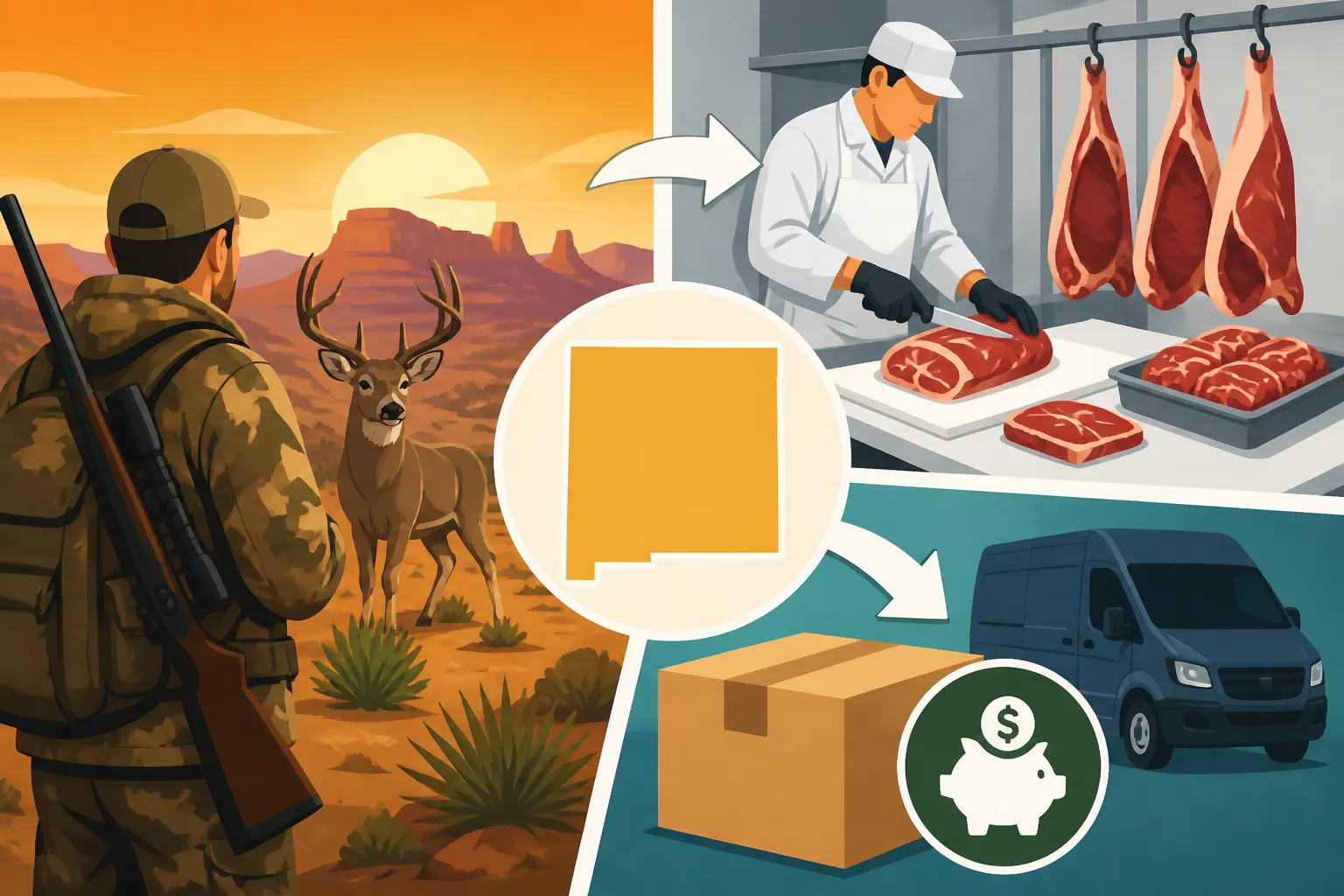
You’ve just made the shot, the adrenaline is fading, and that magnificent animal is on the ground. After all the scouting, the planning, the draw application anxiety, and the hard work of the hunt itself, there’s often a sigh of relief. But then, almost immediately, a new set of questions rushes in: "Okay, now what? How do I get this incredible bounty from the field to my freezer, especially if I’m hundreds or thousands of miles from home?" This is a very real, often overlooked, logistical challenge for many hunters, and this guide is here to walk you through the nitty-gritty of meat processing and shipping costs for your New Mexico hunting adventure.
The Immediate Aftermath: Field Dressing and Initial Care
The moment your animal is down, the clock starts ticking. New Mexico's diverse landscape means you could be hunting in cool, high-elevation pine forests or scorching hot desert lowlands. Regardless of where you are, proper field dressing and initial meat care are absolutely critical to preserving the quality of your harvest. There’s nothing more heartbreaking than losing hard-earned game meat to spoilage because you weren’t prepared for this crucial first step.
Cooling the Carcass Quickly
One of the biggest hurdles, particularly during early season hunts in New Mexico, is managing heat. September archery elk or antelope hunts, for example, can see daytime temperatures well into the 80s or even 90s. In these conditions, internal body heat, combined with ambient air temperature, can quickly turn fresh meat into a spoiled mess. Getting the hide off and the guts out is paramount to dissipating that heat. For larger animals like elk, you might even need to quarter the animal in the field to allow for better airflow and easier cooling, especially if you're deep in the backcountry.
You'll need a sharp knife, game bags, and often, a lot of elbow grease. Removing the internal organs creates a large cavity that can be opened up to the air, letting that crucial heat escape. If you're on a solo backcountry trip, this can be incredibly demanding work, but it’s non-negotiable for meat preservation. For those facing high temperatures, consider bringing along extra water for rinsing the cavity if permitted, and be prepared to hang the quarters in the shade, if possible, to allow them to cool overnight. For more on this, you might find some useful insights in our guide on Getting Meat Cooled on an Early Season Hunt.
Protecting Your Harvest in the Field
Once the animal is field-dressed, the next step is to protect the meat from contaminants, insects, and dirt. Quality game bags are worth their weight in gold here. They allow the meat to breathe and cool while keeping flies and other debris off. Never just throw bare meat into the back of a truck or directly onto a tarp. The goal is to keep it as clean as possible from the moment it leaves the animal's body. If you're quartering your animal, each quarter should go into its own game bag. This not only protects the meat but also makes it easier to handle and pack out.
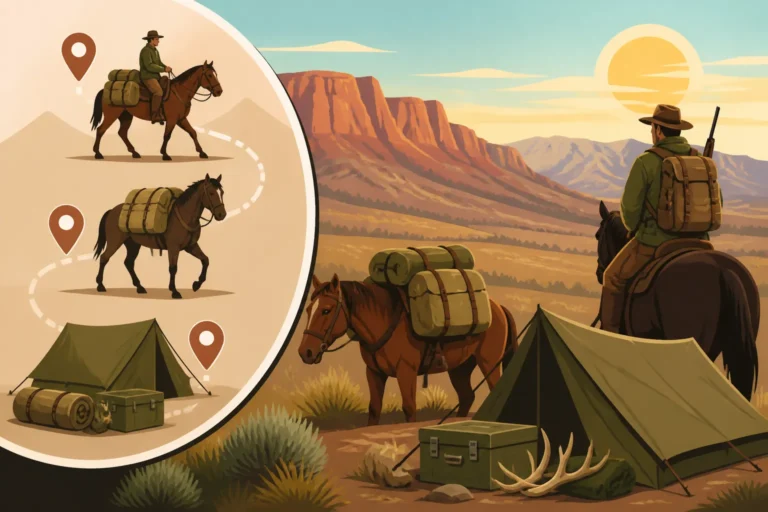
Think about how you'll get the meat from the kill site to your vehicle or a cooler. For a mule deer taken just a short distance from a road, this might involve simply dragging it carefully to the truck after field dressing. For an elk deep in the Gila Wilderness, it's an entirely different beast. You might be looking at multiple trips with heavy packs, or if you've arranged it, a pack string from an outfitter. The more rugged the terrain, the more critical it is to have a plan for egress that minimizes contamination and speeds up cooling. Even if you're using an outfitter, understanding these basics means you can ensure your part in the process is done correctly.
Navigating Meat Processing Options in New Mexico
Once you've successfully retrieved your game from the field, you're faced with a decision: process it yourself or take it to a professional. Both options have their pros and cons, and your choice will likely depend on your experience, equipment, time, and budget. New Mexico has a network of excellent processors, but knowing how to find them and what to expect can save you a lot of stress.
Local Processors
For many hunters, especially those from out of state, a local meat processor is the go-to solution. These businesses specialize in turning your field-dressed animal into neatly packaged cuts, often offering services like grinding, making sausage, or even jerky. The convenience is unmatched – you drop off your animal, and they handle the rest. However, finding an available processor can be a challenge, particularly during peak hunting seasons (like late October rifle elk or deer hunts). Many smaller processors operate on a first-come, first-served basis and can quickly get overwhelmed. It’s not uncommon to call multiple places only to hear they’re fully booked or have a multi-day wait.
It is absolutely vital to research processors before your hunt. Don't wait until you have a deer in the back of your truck. Look up reviews, call ahead to inquire about their services, turnaround times, and, critically, their pricing. Ask if they require the animal to be skinned or quartered before drop-off, or if they offer those services for an additional fee. Some might only accept skinned and boned meat, while others can handle a whole carcass. Their facilities are designed for efficiency and hygiene, ensuring your meat is processed quickly and safely into vacuum-sealed packages ready for your freezer.
DIY Processing
For the dedicated do-it-yourself hunter, processing your own game can be a deeply satisfying part of the hunting experience. It allows you complete control over how your meat is cut, packaged, and stored. You can experiment with different cuts, make your own ground meat blends, or prepare specialty items like stew meat exactly to your liking. This route also tends to be more cost-effective in terms of direct processing fees, as you're only paying for your time and materials (knives, cutting boards, freezer paper, vacuum sealer bags).
However, DIY processing is a significant undertaking. It requires a dedicated clean space, the right tools, and a good amount of knowledge about animal anatomy and meat handling. For a large animal like an elk, it can easily take a full day or two of intense work, even for experienced individuals. If you're hunting out of state and staying in a motel or primitive camp, this simply might not be feasible. You need access to refrigeration, a large work surface, and the time to dedicate to the task. If you're considering this path, make sure you have everything you need, from sharp knives and a grinder to plenty of freezer space at home, before you even leave for your hunt. This is definitely a consideration for anyone planning a Packing an Elk Out of the Gila Alone style of hunt.
Outfitter and Guide Assistance
Many hunters, especially those who book guided trips, rely on their outfitter or guide for assistance with the initial stages of processing. A good outfitter understands the importance of proper meat care and will often have a system in place. This might range from helping you field dress and pack out the animal to arranging transport to a local processor. Some even have basic processing facilities at their camp or a standing agreement with a specific local butcher. When you're researching outfits, for example, on a platform like GoHunt or BookYourHunt, it’s a great question to ask upfront: "What is your protocol for handling meat after a successful harvest?"
While this assistance is incredibly valuable, it’s important to clarify what's included in your guided hunt package and what might incur an extra charge. Don't assume anything is free. They might help with the recovery and transport of the carcass to a drop-off point, but the actual processing fee from the butcher will almost certainly be your responsibility. Understanding these details can help you budget accurately and avoid any surprises. This often falls under the umbrella of services described in "what a fully guided New Mexico elk hunt includes," but the processing fees themselves are usually separate.
Here's a quick comparison of processing options:
| Feature | DIY Processing | Local Processor | Outfitter-Assisted (initial) |
|---|---|---|---|
| Cost | Low (materials only), high time investment | Moderate to High (varies by services/animal) | Varies (often transport/initial care included, processing extra) |
| Convenience | Low (requires effort, space, tools) | High (drop-off, pick-up) | Moderate (less field work, still needs processor) |
| Control | Full control over cuts, packaging | Limited to processor's standard options | Limited (initial cuts, then processor's standard) |
| Time Savings | Low (can take days) | High (they do the work) | High (they manage the immediate logistics) |
| Equipment Need | Extensive (knives, grinder, sealer, space) | None (they have it) | Minimal (field dressing tools) |
| Ideal For | Experienced hunters, local residents, large groups | Out-of-state hunters, busy individuals | Guided hunt clients, backcountry hunts |
Understanding Meat Shipping for Out-of-State Hunters
If you're not a New Mexico resident, getting your hard-won game meat back home adds another layer of complexity – and cost. You can't just throw raw meat in a box and send it through the mail. You need to consider temperature control, packaging, and the regulations of various carriers.
The Logistics of Getting Meat Home
The fundamental challenge of shipping game meat across state lines is keeping it frozen solid for the entire journey. This isn't just about taste; it's about food safety. Whether you're driving, flying, or using a professional shipper, maintaining a consistently low temperature is key. The distance you need to travel will heavily influence your strategy and budget. A short drive across a state border is very different from flying meat from Albuquerque to the East Coast. You’ll need to think about durable, well-insulated coolers and a reliable freezing method. This step requires diligent planning to ensure your valuable meat doesn't spoil in transit.
Professional Game Shippers
For many nonresident hunters, the most reliable (though often the most expensive) option is to use a professional game meat shipping service. These companies specialize in handling frozen goods and have the expertise to package and ship your meat safely. They typically use heavy-duty, insulated containers and often partner with expedited freight services to minimize transit time. You'll drop off your processed, frozen meat, and they'll take care of the rest, ensuring it reaches your home freezer in optimal condition.
While convenient, these services come at a cost that can sometimes rival the price of your initial processing. Factors like the total weight of the meat, the destination distance, and the speed of shipping (e.g., overnight vs. 2-day air) will all impact the final price. Make sure to get a clear quote from any potential shipper, including all fees, before committing. Many local processors will have relationships with these shipping companies, or can at least point you to reliable ones in the area. Platforms like GoHunt and BookYourHunt might offer resources or recommendations for such services as part of their broader hunting travel advice.
Self-Transporting Frozen Meat
If you're driving home, self-transporting your frozen meat is a viable option. This typically involves packing your processed, frozen meat into high-quality coolers with plenty of dry ice. Dry ice is crucial because it's significantly colder than regular ice and sublimates (turns directly into gas) rather than melting into water, which can contaminate packaging. Plan for roughly 10-15 pounds of dry ice per day per cooler, depending on ambient temperatures and cooler quality. Make sure your coolers are durable, well-sealed, and large enough to hold all your meat.
If flying, the rules become more stringent. Most airlines allow dry ice as checked luggage, but there are strict weight limits (often 5-10 pounds per cooler) and specific labeling requirements. You'll need an IATA-approved cooler that is vented to prevent pressure buildup. Always, always check with your specific airline about their current policies regarding dry ice and perishable goods well in advance of your flight. Don't assume what worked last year will work this year. The last thing you want is to arrive at the airport with hundreds of pounds of frozen meat only to be told you can't fly with it. Preparing physically for the entire hunt, including the strenuous task of hauling coolers, is often part of the deal.
Breaking Down the Costs: What to Budget For
Now, let's talk numbers. The costs associated with processing and shipping game meat can add up quickly, and they're often an overlooked part of a hunting budget. Being prepared for these expenses can prevent sticker shock and ensure you don't compromise the quality of your hard-earned meat.
Processing Costs
The cost of having your game processed by a professional butcher in New Mexico will vary significantly based on the type of animal, its size, and the services you request. A basic cut-and-wrap for a mule deer might be considerably less than a full-service processing job for a large elk, which could include specialty items like jerky, sausage, and vacuum sealing. Some processors charge by the hanging weight of the animal, others by the finished product weight, and some have a flat fee.
As a general guideline, expect to pay anywhere from a couple of hundred dollars for a smaller deer to several hundred for a large elk. If you opt for additional services like making pepperoni, breakfast sausage, or summer sausage, those costs can easily double or triple your bill. Always get a detailed price list or quote from the processor before they start work. Remember that these are often separate from any initial field services provided by an outfitter, even if you found your outfitter through a service like BookYourHunt.
Shipping Costs
Shipping costs are arguably the most unpredictable and can be the highest expense, especially for nonresidents. As mentioned, factors include weight, distance, and speed. Shipping 100 pounds of frozen elk meat from Silver City, New Mexico, to New York will be vastly different than sending it to Phoenix, Arizona. Using expedited air freight can run into the hundreds, even thousands, of dollars depending on the total weight and desired delivery time.
Consider the cost of insulated shipping containers themselves, if not provided by a shipper. These can be expensive, and if you're flying, you'll need to factor in airline baggage fees per cooler, which can also add up. If using dry ice for self-transport, factor in the cost of buying it, which fluctuates and can sometimes be hard to find in rural areas. Always factor in these additional expenses when calculating your total budget for a New Mexico hunt, whether it's for elk, deer, or even a unique Oryx Is New Mexico's Strangest Big Game Animal hunt on White Sands.
Hidden Costs and Considerations
Beyond the obvious processing and shipping fees, there are often smaller, "hidden" costs that can chip away at your budget. This could include:
- Extra coolers: You might need more coolers than anticipated if your animal is larger than expected or if you want to separate different types of meat or cuts.
- Plastic sheeting or tarps: Essential for keeping your vehicle clean during transport.
- Ice and dry ice: For initial cooling in the field and for maintaining temperature during transport to the processor or home.
- Bags and labels: For organizing your meat if you're doing any DIY cutting or repacking.
- Time: Your time is valuable. Factor in the hours spent researching processors, coordinating drop-offs, picking up meat, and packing for shipment. For a truly extensive breakdown, you might be interested in The All-In Cost of a New Mexico Elk Hunt.
Being aware of these smaller expenses and planning for them can prevent unwelcome surprises. It's all part of the preparation, just like scouting a unit or preparing for high altitude.
Maximizing Your Investment and Minimizing Waste
Every hunter wants to make the most of their harvest. This means not just getting the meat home safely, but also utilizing it to its fullest potential. Strategic planning and a commitment to responsible use of the animal will help you minimize waste and truly honor the animal.
Planning Ahead
The single most effective way to manage processing and shipping costs and logistics is to plan before your hunt even begins. Research local processors in the unit you'll be hunting. Call them to ask about their availability, services, and pricing. If you're using a guide, clarify their role in meat handling. If you plan to ship, investigate professional shippers and their rates, or understand airline rules if you're flying. Have coolers, game bags, and dry ice sources lined up.
This foresight is incredibly important for out-of-state hunters. Imagine driving for days, having a successful hunt, and then scrambling to find a processor who can take your game, only to discover their prices are astronomical or they can't meet your shipping deadline. A little pre-hunt homework, possibly using resources from platforms like GoHunt, can save you a world of headache and potential disappointment. This proactive approach should be as fundamental as reading a New Mexico hunt code before you apply.
Utilizing All Parts of the Animal
Minimizing waste means looking beyond just the prime cuts. The bones can be simmered for rich, nutritious broth, which is fantastic for soups and stews. Organ meats like liver and heart are highly nutritious and can be prepared in various ways. Trimmed fat can sometimes be rendered for cooking or mixed with leaner game meat for grinding. Even small scraps can be used for stew meat or ground burger.
This holistic approach not only stretches your valuable harvest further but also aligns with the ethical principles of hunting – to respect the animal by using as much of it as possible. Don't be afraid to experiment with new recipes or ask your processor for suggestions on how to utilize less common cuts. In instances where you simply cannot take all the meat, remember there are often options for Donating Game Meat After a Hunt to local food banks or organizations.
Disclaimer
This article is for general informational purposes only and does not constitute professional advice. Laws, prices and regulations vary by location and change over time. Consult a qualified professional for guidance on your specific situation.