New Mexico Units 13 Through 17 and Their History
For many hunters, the units we choose are just numbers on a map, but in New Mexico, particular unit designations carry a profound weight of history, unique management, and unparalleled hunting opportunities. Units 13 through 17 are legendary for a reason, representing some of the most challenging yet rewarding big game country in the state. This guide will take a deep dive into the historical decisions, specific terrain, and management philosophies that have shaped these iconic New Mexico units, offering a comprehensive look at what makes them so special.
The Legacy of New Mexico's Units 13 Through 17
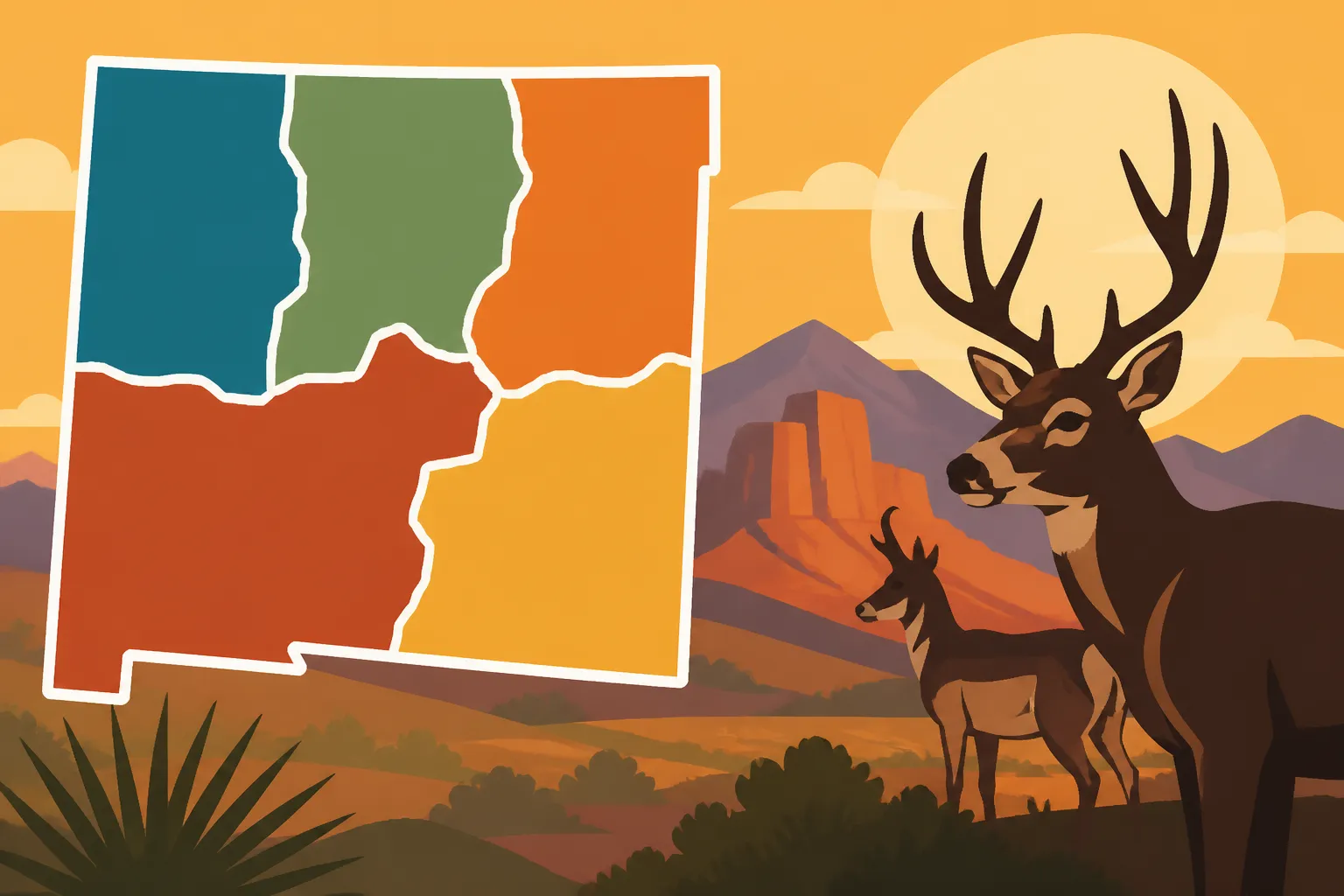
When you look at a map of New Mexico's hunting units, certain clusters just stand out. Units 13 through 17, nestled primarily in the southwestern part of the state and heavily influenced by the vast Gila National Forest and its associated wilderness areas, are exactly that kind of standout. These aren't just random boundaries; they are products of decades of wildlife management, conservation efforts, and the inherent ruggedness of the landscape itself.
A Glimpse into the Past: How These Units Were Shaped
The history of hunting in New Mexico is as wild and untamed as its landscapes. In the early to mid-20th century, many game populations suffered from unregulated hunting and habitat degradation. As conservation movements gained traction, states began to implement more structured management, dividing large swathes of land into smaller, more manageable units. For this particular region, the sheer remoteness and ruggedness of the Gila made it a natural stronghold for big game, especially elk and mule deer.
The designation of units like 13, 14, 15, 16 (and its subdivisions), and 17 was a strategic move by the New Mexico Department of Game and Fish (NMDGF) to better manage specific herds, address unique geographical challenges, and distribute hunting pressure. The vastness of the Gila National Forest, with its sprawling wilderness areas like the Gila Wilderness and the Aldo Leopold Wilderness, became the backbone of these units. These federal land designations fundamentally shaped hunting access, weapon restrictions, and the overall experience, ensuring that large tracts of country remained wild and relatively undeveloped. It's truly a testament to foresight that these areas were preserved, allowing them to become the exceptional hunting grounds they are today.
The Management Philosophy Behind Trophy Potential
The reason units like 13-17 consistently produce impressive animals, particularly trophy elk, isn't just luck; it's by design. The NMDGF employs a rigorous management philosophy centered on limited entry and quality over quantity. Unlike some other states that might focus on maximizing hunter opportunity, New Mexico often prioritizes the age structure and health of the herd, which naturally leads to older, larger animals. This means fewer tags are issued, and the draw odds for these premier units can be notoriously low, making success in the draw a coveted achievement.
This limited entry system, especially for coveted species like elk, allows a higher percentage of bulls to reach maturity, leading to larger antlers and a truly world-class hunting experience. The NMDGF also considers habitat conditions, precipitation, and past harvest data when setting tag quotas. If you're looking into applying for these units, understanding How New Mexico Draw Odds Work Without Points is crucial, as the system doesn't favor those who apply year after year in the same way a point system might. Every applicant, in essence, starts fresh each year. This is where resources like GoHunt can be invaluable, offering detailed draw odds and unit breakdowns to help you make informed decisions, giving you an edge in understanding your chances for these highly sought-after tags.
Decoding Unit 13: Bridging Deserts and Mountains
Unit 13 is one of those unique New Mexico units that truly showcases the state's incredible diversity, stretching from lower elevation desert environments up into rugged mountain ranges. It’s a transition zone in the best possible way, offering a mix of habitats that cater to different big game species and present a variety of challenges to hunters.
Geographic Diversity and Habitat
Geographically, Unit 13 is a fascinating mosaic. You'll find yourself traversing everything from Chihuahuan Desert scrublands in the southern and western portions, characterized by creosote, mesquite, and prickly pear, to ascending into significant mountain ranges like the Bear Mountains, San Mateo Mountains, and the rugged periphery of the Gila National Forest further north and east. This elevation change, which can swing dramatically, creates distinct habitat zones. The lower desert country might be home to hard-scrabble desert mule deer and oryx, while the higher elevations with their pinyon-juniper, oak brush, and pockets of ponderosa pine provide crucial cover and forage for elk and more robust mule deer populations.
Water, as in much of New Mexico, is often the key to finding game in Unit 13. While the higher elevations might have more reliable springs and seasonal creeks, the lower country relies heavily on scattered Water Sources That Concentrate Desert Game like stock tanks and guzzlers. These often become focal points for animals, especially during dry periods, making them critical scouting locations. Understanding these elevation bands and how they influence game movement throughout the seasons is paramount to success here.
Hunting Challenges and Rewards in Unit 13
Hunting Unit 13 is not for the faint of heart, but the rewards can be significant. Access can be a real mixed bag. While there are main roads, getting deep into some of the more rugged mountain sections or vast desert flats often requires a good 4×4 and a willingness to walk. You'll encounter steep, rocky terrain in the mountains, demanding good physical condition and appropriate footwear. The desert sections, while seemingly flat, can be deceptive with their arroyos, washes, and thorny vegetation.
For species, Unit 13 offers opportunities for both elk and mule deer. The elk populations tend to be found in the higher, more timbered regions, often moving between private and public lands, making scouting critical. The mule deer are more widespread, with Desert Mule Deer in Southern New Mexico inhabiting the lower, more arid zones and larger-bodied high-country deer living in the mountains. Oryx are also a possibility in some areas, given the unit's proximity to their primary range. The challenges of Unit 13, from navigating diverse terrain to adapting to varied habitats, require a versatile hunter, but the chance to pursue multiple species in such a dynamic landscape makes it a truly rewarding experience.
Unit 14: The Rugged Realm of Southern New Mexico
Unit 14 often flies a little under the radar compared to its more famous Gila neighbors, but make no mistake, this unit holds its own when it comes to rugged country and hunting potential. Situated primarily in the Black Range and stretching into the northern reaches of the Chihuahuan Desert, Unit 14 offers a truly wild experience for those willing to put in the work.
Unique Terrain and Wildlife
Unit 14 is defined by its dramatic elevation changes and incredibly rugged topography. The towering peaks and deep canyons of the Black Range dominate much of the unit, creating vast areas of dense ponderosa pine forests, mixed conifer stands, and sprawling oak brush thickets. As you descend, the landscape transitions into pinyon-juniper woodlands and eventually into more arid grasslands and desert scrub at its lower elevations. This diverse terrain provides a wide range of habitats for its resident wildlife.
Elk are a primary draw in Unit 14, with healthy herds thriving in the more remote, higher elevation country. These bulls, often pressured, learn to use the dense cover and steep terrain to their advantage, making them a formidable challenge for any hunter. Mule deer are also prevalent, from the heavy-bodied deer inhabiting the timbered slopes to the more resilient desert mule deer found in the transition zones. The unit's proximity to known oryx areas means an occasional stray oryx might be encountered, adding an element of surprise, though dedicated oryx hunts typically occur elsewhere. The unit's wild nature also supports populations of black bear and mountain lion, which can occasionally be drawn into a hunt.
Navigating the Challenges of Unit 14
Hunting in Unit 14 is an exercise in physical endurance and mental grit. Vehicle access is limited in many of the core areas, often requiring hunters to hike miles into the backcountry. The Black Range is aptly named, featuring steep, rocky slopes, thick timber, and numerous drainages that can make travel slow and arduous. Temperatures can vary wildly, from scorching early-season heat to freezing late-season cold, often within the same day at different elevations. This means Preparing Physically for a High Elevation Hunt is absolutely non-negotiable, and your gear selection needs to be meticulously planned.
Successful hunting in Unit 14 relies heavily on effective glassing strategies, especially for elk and mule deer utilizing the open parks and benches interspersed within the timber. Being comfortable with navigation in rugged, trackless terrain is vital, as it's easy to get disoriented in the maze of canyons and ridges. Hunters should also be prepared for self-sufficiency, as cellular service is spotty at best, and help can be a long way off. The rewards, however, are immense: the chance to pursue quality animals in a truly wild and stunning New Mexico landscape, far from the crowds.
Unit 15: The Gila's Crown Jewel and Primitive Roots
Ah, Unit 15. The name itself conjures images of massive bulls and a hunting experience that harkens back to a simpler, more primal time. Nestled deep within the Gila National Forest, Unit 15 stands apart, not just for its incredible game quality, but for its unique designation as a primitive weapons unit. It’s a place where the hunter’s skill, patience, and connection to the land are truly tested.
The Genesis of a Primitive Weapon Unit
The decision to designate Unit 15 as a primitive weapons only unit was a bold and visionary move by the NMDGF, aimed at preserving a unique hunting experience and fostering exceptional game quality. This wasn't a casual choice; it was a deliberate strategy to limit hunter impact and pressure, allowing animals to mature without the added stress of modern firearms. By restricting hunters to muzzleloaders and archery equipment, the challenge level is significantly increased, demanding closer approaches, superior woodsmanship, and a deeper understanding of animal behavior. This management philosophy is precisely Why Unit 15 Is a Primitive Weapons Unit and a significant part of its legendary status.
Understanding What Makes a Weapon Primitive Under the Rules is critical for anyone considering this unit. Generally, it means traditional archery equipment (recurve, longbow, or compound bows without magnifying sights and specific draw weight minimums) and muzzleloaders (traditional front-loading firearms, often restricted to open sights or specific types of optics, and minimum caliber requirements). These restrictions inherently spread out hunters, reduce overall harvest, and contribute to the unit’s reputation for producing some of the largest elk and mule deer in the state. The result is an experience that feels truly wild, challenging, and deeply rewarding.
Hunting the Gila's Finest: Strategies and Species
Hunting Unit 15 is, for many, the pinnacle of New Mexico elk hunting. The Gila Wilderness forms a significant part of this unit, offering vast tracts of remote, roadless country where Elk Are Why the Gila Draws Everyone. The terrain is a mix of steep, timbered ridges, deep canyons, open parks, and scattered water sources. Success here requires not just physical conditioning but an intimate knowledge of elk behavior, calling strategies, and the ability to navigate challenging country with primitive tools. For bowhunters, getting within 40-60 yards of a mature bull in dense timber or across an open park is an adrenaline-fueled chess match.
Mule deer are also present in Unit 15, often found in the more broken, pinyon-juniper country on the unit's fringes or higher up in the open timber. While elk draw the most attention, the mule deer here can also grow to impressive sizes due to the low pressure and abundant forage. Hunters often focus on Glassing Benches and Parks for Elk, especially during the early archery season when bulls are bugling fiercely. The Typical Bull Scores Out of Unit 15 are a testament to the success of its management, regularly producing animals that make the record books. GoHunt's scouting tools can provide valuable insights into historical harvest data and unit characteristics, helping you understand the immense potential—and challenge—of this unit.
The Expansive 16-Series: Gila Wilderness Heartlands (Units 16A, 16B, 16C, 16D, 16E)
If Unit 15 is the crown jewel, then the collective 16-series units (16A, 16B, 16C, 16D, 16E) represent the very heart of the Gila National Forest’s big game country. These units are synonymous with epic backcountry hunts, a wilderness experience, and the pursuit of some of the largest elk in the country. While each subdivision has its unique characteristics, they share a common thread: they are all part of the vast, rugged, and untamed Gila ecosystem.
The Wilderness Core and Diverse Landscapes
The 16-series units encompass a substantial portion of the Gila National Forest as New Mexico Elk Country. This region is defined by its dramatic topography, ranging from high-elevation ponderosa and mixed conifer forests to deep river canyons, sprawling parks, and plateaus. Units like 16A and 16D are particularly renowned for their extensive wilderness components, offering true roadless experiences. Other subdivisions, while still rugged, may have a bit more in the way of forest roads on their periphery.
The landscape is a tapestry of steep slopes, thick timber, and critical water sources that dictate game movement. Elevation can fluctuate thousands of feet within a short distance, creating diverse microclimates and habitats. This varied terrain means that whether you prefer hunting dark timber, glassing open hillsides, or stalking canyon bottoms, you’ll find opportunities within the 16-series. Understanding the nuances of each subdivision—like where the densest timber lies, or which areas offer more accessible trailheads—is key to planning a successful hunt.
Elk Hunting Mecca: Legendary Success and Demands
The 16-series units collectively represent an elk hunting mecca. The Gila’s reputation for producing trophy bulls is well-earned, drawing hunters from across the globe. Success rates can vary, but the potential for a once-in-a-lifetime bull is undeniably high. However, this success comes with significant demands. These are not easy hunts. The wilderness aspect means that you’re often miles from any road, necessitating backcountry camping, meticulous planning, and robust physical conditioning.
Hunters must be prepared for everything from intense physical exertion at high altitudes to unpredictable weather conditions, which can range from warm autumn days to sudden snowstorms. Packing an Elk Out of the Gila Alone or with a small crew is a monumental task that requires proper gear, strategy, and mental fortitude. Many hunters opt for horses or mules to help with game retrieval and camp logistics, or they engage outfitters who specialize in drop camps or fully guided wilderness hunts. Successful tactics often involve extensive scouting, precise elk calling during the rut, and dedicated Glassing Benches and Parks for Elk during the late seasons. For hunters seeking a true wilderness challenge and the potential for a world-class bull, the 16-series is an unrivaled destination.
Unit 17: High Country Majesty and Wilderness Character
Venturing further east in New Mexico's Gila region, we arrive at Unit 17, another expansive and incredibly rugged unit that shares much of the wilderness character of its western neighbors. Unit 17 is defined by its high elevations, vast tracts of national forest, and the presence of another significant wilderness area, the Aldo Leopold. This unit offers a challenging, yet deeply rewarding, high-country hunting experience.
The Aldo Leopold and Beyond
Unit 17 is heavily influenced by the Aldo Leopold Wilderness, an incredible expanse of untamed country that makes up a substantial portion of its land. This wilderness area, named after the pioneering conservationist, prohibits motorized vehicle access, ensuring a truly primitive and immersive experience. Beyond the wilderness boundaries, the unit still boasts vast stretches of the Gila National Forest, characterized by dramatic elevation shifts. You'll find yourself moving through diverse vegetation zones, from arid pinyon-juniper foothills to dense stands of ponderosa pine, fir, and spruce in the higher reaches.
The terrain is a classic Western mountain landscape: steep canyons, towering peaks, hidden springs, and scattered meadows or "parks." These geographic features not only create stunning vistas but also dictate game movement and hunter access. Hunters need to be intimately familiar with the topography and how animals use it for cover, food, and water. Understanding The Wilderness Areas Inside Unit 17 and their specific regulations is paramount for anyone planning a hunt here, as access and camping rules can differ significantly from non-wilderness areas.
Pursuing Mature Animals in Remote Settings
Like the other units in this legendary cluster, Unit 17 is renowned for its potential to produce mature elk and mule deer. The sheer remoteness and ruggedness of the terrain, combined with limited access and careful management, allow many animals to reach an older age class. Elk are the primary draw, with hunters pursuing big bulls in the high timber and canyon bottoms. Mule deer are also present, often found in the transition zones between different vegetation types or in the more open, broken country.
Hunting in Unit 17 demands a high level of physical fitness, excellent navigation skills, and a willingness to embrace solitude. Weather can be a significant factor, with cold temperatures and early snow not uncommon, especially in the higher elevations. Hunters often rely on backpack hunting techniques, setting up spike camps deep in the backcountry to minimize travel time to prime hunting grounds. The challenges are immense, from navigating steep trails to packing out a heavy load over rugged terrain, but the satisfaction of harvesting a mature animal in this remote and majestic setting is an experience that stays with you forever.
Conservation and the Future of These Iconic Units
The fact that Units 13 through 17 remain such pristine and productive hunting grounds is not by accident. It's the direct result of dedicated conservation efforts, ongoing management, and the collective commitment of hunters and land managers to protect these invaluable resources for future generations.
Ongoing Management and Research
The New Mexico Department of Game and Fish (NMDGF) continuously monitors the health and population dynamics of the big game herds in these units. This involves aerial surveys, harvest data collection, and biological research to assess population numbers, age structures, and herd health. These efforts directly inform tag allocations and season structures, ensuring that hunting pressure remains sustainable and that trophy quality is maintained or improved.
For instance, understanding factors like fawn-to-doe ratios or bull-to-cow ratios helps biologists predict future herd trends and make informed decisions about permits. When you check draw odds or unit statistics, you're seeing the result of this diligent scientific work. Resources like GoHunt compile much of this publicly available data, making it easier for hunters to research units, analyze draw odds, and plan their applications. Hunters themselves play a crucial role by ethically reporting their harvests and participating in surveys, providing vital data points for management decisions.
Preserving the Hunting Heritage
Beyond the biological data, the long-term future of Units 13-17, and indeed all New Mexico hunting lands, rests on preserving a strong hunting heritage rooted in ethics and stewardship. This means adhering to regulations, practicing responsible outdoor recreation, and respecting the land. Hunters are often the most ardent conservationists, and their license fees and excise taxes on equipment directly fund wildlife management, habitat restoration, and public access initiatives.
Efforts like water development projects in arid areas, controlled burns to improve forest health, and ongoing anti-poaching campaigns are all critical to maintaining these ecosystems. As hunters, it's our responsibility to leave no trace, respect private land boundaries, and advocate for sound wildlife management. By doing so, we ensure that the incredible experiences offered by Units 13 through 17 – the thrill of a bugling bull, the challenge of a high-country mule deer stalk, and the profound connection to a wild landscape – will endure for those who come after us. This collective commitment to stewardship is what truly safeguards these magnificent hunting grounds, ensuring that New Mexico remains a premier destination for big game hunting.
New Mexico Hunting Units 13-17 Overview
| Unit | Primary Species | Key Terrain | Weapon Restrictions | Special Considerations |
|---|---|---|---|---|
| 13 | Elk, Mule Deer, Oryx | Mountain ranges, desert plains, transition zones | Any legal weapon, Muzzleloader, Archery | Significant elevation changes, varied habitats |
| 14 | Elk, Mule Deer | Black Range (rugged mountains, deep canyons) | Any legal weapon, Muzzleloader, Archery | Limited access, high physical demand |
| 15 | Elk, Mule Deer | Gila Wilderness (canyons, timber, parks) | Primitive Weapons Only (Archery, Muzzleloader) | High trophy potential, true wilderness experience |
| 16A-E | Elk, Mule Deer | Gila National Forest/Wilderness (diverse terrain) | Any legal weapon, Muzzleloader, Archery (varies by subdivision and season) | Renowned for trophy elk, extensive backcountry |
| 17 | Elk, Mule Deer | Aldo Leopold Wilderness, high country timber | Any legal weapon, Muzzleloader, Archery | Remote, high elevation, challenging access |
Disclaimer
The information provided in this guide is for general informational purposes only and does not constitute legal advice. Hunting regulations and seasons are subject to change by the New Mexico Department of Game and Fish. Always consult the most current official NMDGF Rules and Information Booklet before planning any hunting activity.