The Wilderness Areas Inside Unit 17
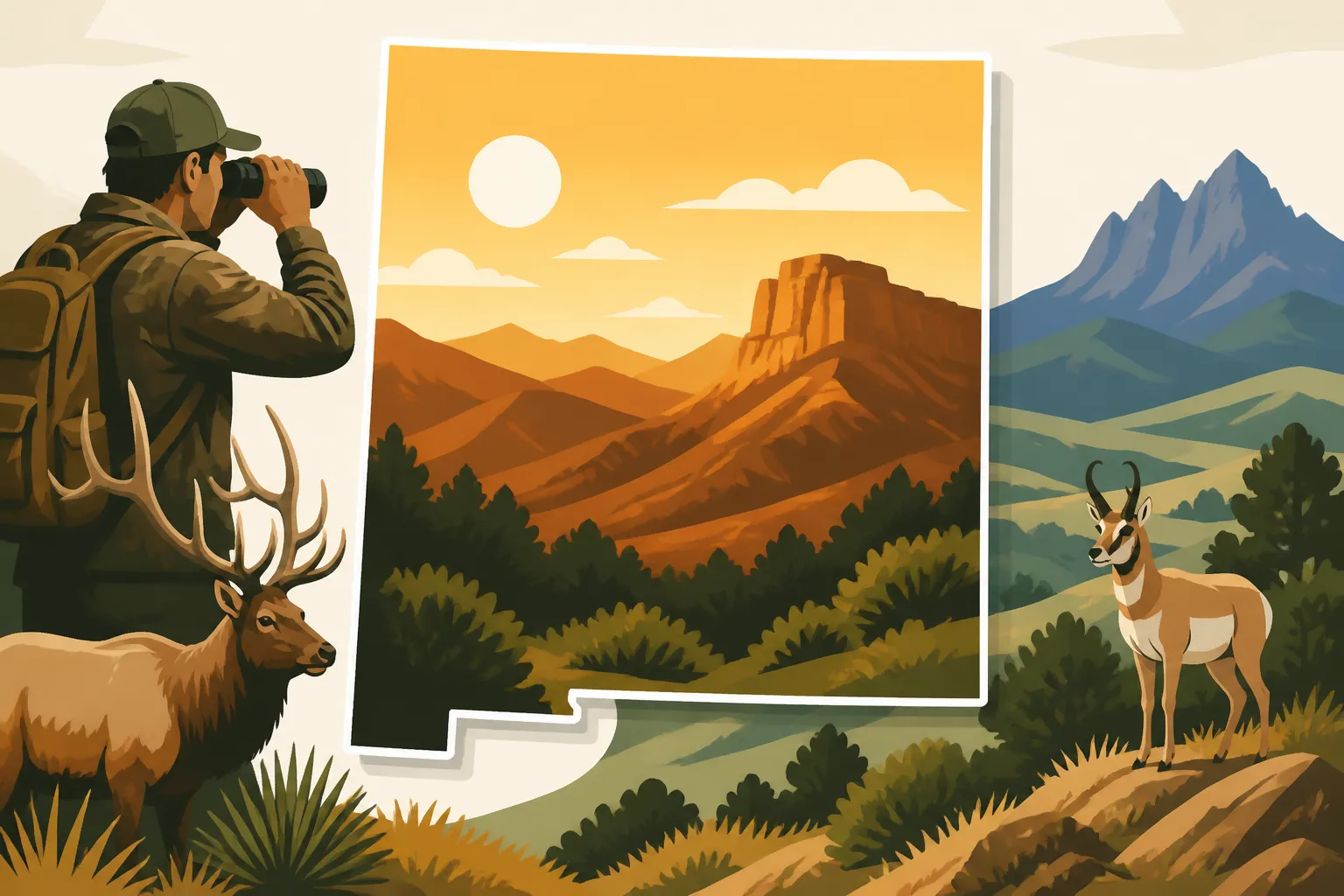
New Mexico's Unit 17 isn't just a hunting unit; for many, it's the gateway to a profoundly challenging and rewarding wilderness experience. But heading into these vast, untamed sections can feel like stepping onto another planet if you're not prepared. This guide will meticulously unpack the specific wilderness areas within Unit 17, illuminating their unique characteristics, the regulations that govern them, and how you can best prepare for a truly wild hunt.
Understanding New Mexico's Unit 17
Unit 17 is often whispered about with a certain reverence among hunters, and for good reason. It embodies much of what draws people to New Mexico's backcountry – rugged beauty, diverse terrain, and the promise of encountering big game in truly wild settings. It's a place where the landscape forces you to earn every step, but also rewards those efforts with unparalleled solitude and genuine hunting opportunity.
Where Unit 17 Sits in the Landscape
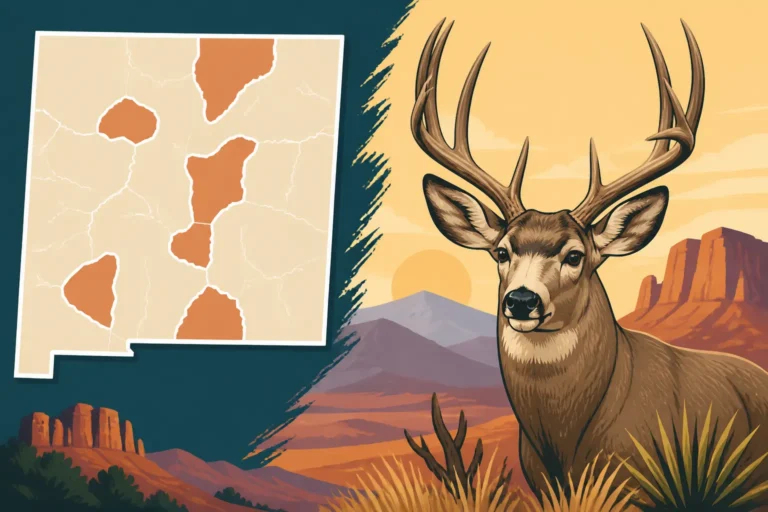
Geographically, Unit 17 is nestled in the southwestern part of New Mexico, forming a significant piece of the Gila National Forest. This isn't your flat, open prairie hunting; we're talking about deep canyons, towering ponderosa pines, expansive mesas, and pockets of aspen groves at higher elevations. The elevation changes dramatically, sometimes within a single drainage, creating a complex tapestry of habitats. You can find yourself in arid, piñon-juniper country in the morning and climb into cooler, dense timber by afternoon. This varied topography is precisely what makes it so appealing to species like elk and mule deer, offering them everything from bedding cover to forage in different seasons. Understanding this vertical component is key, as Hunting New Mexico From 4,000 Feet to 10,000 illustrates the dramatic changes in habitat and animal behavior that come with elevation.
The unit's reputation stems from its wild nature and the quality of game it can produce. It’s a unit that demands respect, physical fitness, and meticulous planning. It's not uncommon to hike for miles without seeing another hunter, which, for many, is the ultimate draw. This kind of solitude, however, comes with the responsibility of being self-sufficient and fully aware of your surroundings.
The Allure of Unit 17 for Hunters
For many, Unit 17 isn't just about punching a tag; it's about the adventure, the challenge, and the immersion in a truly wild landscape. It’s a place where the elk rut rings through the canyons, and the silence is broken only by the wind or the distant call of an animal. This unit is well-known for its potential to produce trophy animals, particularly elk, which thrive in its rugged, low-pressure environments. The sheer scale of the landscape and the density of cover mean that animals can grow old and big without constant human interference. The challenge of navigating such terrain, often far from roads or human development, adds a layer of accomplishment to any successful hunt. It's the kind of place that forces you to hone every skill, from long-range glassing to silent stalking, and truly test your grit. This is a big reason Why New Mexico's Gila Grows Big Bulls is such a popular topic – the Gila region, which Unit 17 is a part of, consistently offers top-tier opportunities.
Beyond the elk, Unit 17 also holds good populations of mule deer, which use the same complex terrain, adapting to the varying elevations and vegetation. The beauty of hunting in such a diverse unit is the sheer variety of experiences it offers – from glassing vast open country to still-hunting through thick timber. It’s a place that continually challenges and educates the hunter, fostering a deep respect for both the game and the land.
Delving into the Wilderness Areas
The heart of Unit 17's wild character lies in its designated wilderness areas. These are federally protected lands where human impact is intentionally minimized, and mechanical or motorized access is strictly prohibited. Understanding these boundaries and what they mean for your hunt is absolutely critical. They offer an unparalleled opportunity for a primitive hunting experience, but they also demand a higher level of preparation and self-reliance.
The Aldo Leopold Wilderness
A significant portion of Unit 17 encompasses parts of the vast Aldo Leopold Wilderness. This wilderness area, named after the famed conservationist, spans over 200,000 acres and includes some of the most rugged and remote country in New Mexico. Within Unit 17, the Leopold offers a landscape characterized by deep canyons carved by seasonal drainages, steep timbered slopes, and high mountain parks. Elevations here can range dramatically, influencing everything from vegetation types to game animal distribution.
Hunting in the Aldo Leopold Wilderness is a commitment. There are no roads, no ATVs, and no mountain bikes allowed. This means your feet, or a trusty horse, are your only modes of transportation. The rewards, however, are immense. The lack of easy access often translates to lower hunting pressure and older, wiser animals. You'll find elk and deer utilizing the dense timber for cover and the secluded parks for feeding. Water sources, especially during dry periods, become critical congregation points. Planning your hunt here requires a thorough understanding of the terrain and an appreciation for what it means to be truly self-reliant.
The Gila Wilderness – Southern Reaches
Unit 17 also includes parts of the iconic Gila Wilderness, specifically its southern reaches. The Gila Wilderness is the very first designated wilderness area in the world, a testament to its pristine nature and the foresight of its creators. While much of the Gila Wilderness lies to the north in units like 16A, 16D, and 15, the sections extending into Unit 17 share many of the same characteristics: vast, untouched landscapes, deeply incised canyons, and a mix of high-elevation forests and more arid lower country.
These Gila Wilderness portions offer similar challenges and rewards to the Aldo Leopold. Expect steep ascents and descents, often with little to no established trails. Game animals move freely through these areas, following historical patterns and seeking out prime forage and water. The feeling of being deep within the Gila, surrounded by ancient forests and the echoes of a truly wild ecosystem, is an experience unlike any other. It’s a reminder of why conservation efforts are so vital and why these lands are so precious to hunters seeking a true escape.
Navigating Wilderness Rules and Regulations
The designation of "wilderness" comes with a very specific set of rules designed to preserve the wild character of the land. It’s crucial to understand these, as violations can carry serious penalties and, more importantly, detract from the wilderness experience for everyone. The most fundamental rule is the prohibition of motorized vehicles and mechanized equipment. This means no trucks, ATVs, e-bikes, chainsaws, or even wheeled carts once you cross into a wilderness boundary. All travel and transport must be by foot or horseback. This includes any gear for retrieving your animal, so planning for Packing an Elk Out of the Gila Alone or with partners is vital.
Additionally, Leave No Trace principles are paramount. Pack out everything you pack in, including all trash and food scraps. Minimize your impact on the land by camping on durable surfaces, dispersing human waste properly, and building small, contained fires where permitted (and only when fire restrictions aren't in place). Being familiar with Motorized Travel Rules on New Mexico Public Land will help you avoid accidental violations near wilderness boundaries. Knowing these regulations isn't just about legal compliance; it's about respecting the land and ensuring that these incredible places remain wild for generations to come.
Planning Your Wilderness Hunt in Unit 17
A wilderness hunt in Unit 17 isn't something you decide to do on a whim. It requires meticulous planning, physical conditioning, and the right gear. The deeper you go, the more self-reliant you need to be, as help is often many hours, if not days, away. This preparation is part of the adventure itself, building anticipation and ensuring you're ready for whatever the Gila throws at you.
Essential Gear for a Backcountry Venture
When you're packing for a wilderness hunt in Unit 17, every item counts. Weight is a huge factor, but so is reliability and redundancy. Navigation is paramount: a GPS device with pre-loaded maps, an old-school paper map, and a compass are all essential, especially since cell service is nonexistent in much of this country. Consider a platform like GoHunt for detailed topographic maps, land ownership layers, and even historical satellite imagery that can be downloaded for offline use. This allows you to plan routes, identify water sources, and mark potential hunting spots before you even leave home. Having a satellite messenger or inReach device is also non-negotiable for emergency communication.
Shelter needs to be lightweight but robust enough to handle sudden weather changes, which are common in the mountains. A reliable water filter or purification tablets are critical, as Finding Water in New Mexico's Dry Country can be a challenge, and you'll be relying on natural sources. High-energy, lightweight food is a must for sustained effort. Don't skimp on a first-aid kit, and make sure it's comprehensive enough for serious backcountry injuries. Optics, like good binoculars and a spotting scope, are invaluable for picking apart vast landscapes, especially if you plan to employ The Grid Glassing Method, Step by Step. Remember, everything you take in, you must take out.
Here's a quick checklist for your backcountry essentials:
| Category | Item | Notes |
|---|---|---|
| Navigation | GPS device (with offline maps) | Pre-load Unit 17, Gila/Aldo Leopold boundaries, waypoints. |
| Paper topographical map & compass | Backup for electronic failures, learn to use it. | |
| Satellite Messenger/InReach | Crucial for emergency communication where cell service is absent. | |
| Shelter | Lightweight tent or tarp/bivy | Weather-appropriate, durable. |
| Sleeping bag & pad | Rated for expected overnight lows, insulated. | |
| Water | Water filter/purifier | Essential for refilling from natural sources. |
| Water bottles/bladder (3-4L capacity) | Carry enough for a full day; plan for refills. | |
| Food | High-calorie, lightweight meals | Dehydrated meals, energy bars, nuts, jerky. |
| Snacks for quick energy | ||
| Safety | Comprehensive First-Aid Kit | Include blister care, pain relievers, wound dressings. |
| Fire starter (multiple methods) | Lighter, waterproof matches, fire steel. | |
| Headlamp/flashlight (with spare batteries) | Essential for early mornings and late evenings. | |
| Hunting | Optics (binoculars, spotting scope) | High quality for glassing vast wilderness. |
| Weapon (bow/rifle) & ammunition | Zeroed and reliable. | |
| Game bags | Lightweight, breathable for meat preservation. | |
| Knife/sharpening stone | For field dressing. | |
| Other | Trekking poles | Great for stability on uneven terrain and saving knees. |
| Quality backpack (60-80L) | Comfortable, capable of carrying heavy loads. | |
| Sun protection (hat, sunscreen) | Even at elevation, the sun is intense. | |
| Layers of clothing | Prepare for temperature swings, waterproof outerwear. |
Physical Preparation for Rugged Terrain
A hunt in the wilderness areas of Unit 17 is as much an athletic endeavor as it is a hunting trip. You'll be climbing, descending, and traversing uneven terrain, often with a heavy pack, for days on end. Training needs to start well in advance. Focus on cardiovascular fitness: hiking with a weighted pack, trail running, and stair climbing are all excellent ways to build endurance. Don't neglect strength training, especially for your legs, core, and shoulders – you'll need them for hauling gear and, hopefully, meat.
Simulate hunting conditions as much as possible. Hike in your hunting boots, wear your pack, and navigate off-trail. Practice walking quietly, both uphill and downhill, as stalks in this country can be incredibly challenging. Altitude Preparation for a Gila Elk Hunt is another key component, especially for those coming from lower elevations. Consider spending a few days at elevation before your hunt to acclimate. The better shape you're in, the more enjoyable and successful your hunt will be, allowing you to cover more ground, recover faster, and stay focused when it matters most.
Strategy for Hunting Remote Wilderness
Hunting remote wilderness demands a different mindset and strategy than road-system hunting. Begin by e-scouting extensively. Use digital tools like GoHunt to analyze topography, identify potential bedding areas, feeding zones, water sources, and travel corridors. Look for benches, saddles, and drainages that funnel game. These remote areas often have less pressure, meaning game might exhibit more natural behavior, but they also have more places to hide.
Upon arrival, be patient and willing to put in the miles. Utilize glassing points effectively, spending long hours meticulously picking apart distant hillsides and canyon bottoms. Early mornings and late evenings are prime times for game movement. Don't be afraid to establish spike camps away from your main camp to hunt deeper into promising areas. Reading animal sign – tracks, scat, rubs, and wallows – becomes even more important here, as you're trying to piece together a puzzle in a vast landscape. Remember, the animals often dictate the pace; your job is to adapt and be persistent.
Maximizing Your Chances: Tips for Unit 17
Success in Unit 17's wilderness areas isn't guaranteed, but you can significantly improve your odds with smart preparation and on-the-ground tactics. It’s about leveraging every tool at your disposal and understanding how the animals interact with this unique environment.
Utilizing E-Scouting Tools
Before you even think about putting boots on the ground, spend hours with your digital maps. Programs like GoHunt allow you to toggle different layers, revealing elevation changes, water sources, and vegetation types that can influence game movement. You can mark potential glassing points, camp locations, and even escape routes. Identifying natural funnels, pinch points, and secluded basins from above can save you countless miles of walking in the wrong direction. This meticulous E-Scouting a New Mexico Unit Before the Season is not just a luxury; it’s a necessity for efficiently covering such expansive and challenging terrain.
Print out physical maps as a backup, and transfer your digital waypoints to them. Being able to visualize the terrain in both 2D and 3D perspectives, along with understanding land ownership (GoHunt is excellent for this with its public/private overlays), will give you a significant advantage. Don't forget to plot potential escape routes or emergency rendezvous points on your GoHunt app, especially when venturing deep into the backcountry. Having those waypoints saved can be a lifesaver in an unexpected situation.
Finding Access Points and Trailheads
Accessing the wilderness areas within Unit 17 often means starting from designated trailheads on the periphery of the Gila National Forest. These trailheads are typically at the end of forest roads, some of which can be rough and require a high-clearance vehicle. Researching these access points beforehand is crucial. Look for Forest Service maps that show trails and roads, and cross-reference them with your e-scouting maps to identify the best entry points for your chosen hunting area.
Be aware that some forest roads may have seasonal closures due to snow or wet conditions, especially in the higher elevations. Always check with the local Forest Service district office for current road conditions and any fire restrictions. Trailhead Parking Rules for New Mexico Hunters are also important to understand, as parking can be limited in some popular areas. Remember, once you leave the trailhead, you are entering true wilderness, and all motorized or mechanized equipment must be left behind. This is also where you need to be very clear about Reading a Wilderness Boundary on a Forest Map so you don't inadvertently break any rules.
Understanding Game Movement in Wilderness Areas
Game animals in Unit 17's wilderness areas often follow patterns dictated by feed, water, cover, and temperature, but with less influence from human pressure. Elk will utilize the dense timber on north-facing slopes for bedding during the day, especially as temperatures rise, moving to more open parks and south-facing slopes to feed in the evenings and mornings. During the rut, they'll be vocal and on the move, making locator bugles a key strategy. Mule deer tend to inhabit similar country, often preferring rimrock, brushy canyons, and pockets of aspens.
Water sources are magnets, particularly in the drier parts of the unit. Locating reliable springs, seeps, or stock tanks (outside of designated wilderness, of course) can be the key to finding game. Understand that animals might be more dispersed and less patterned than in areas with heavier pressure. Your ability to cover ground silently, glass patiently, and adapt to what the animals are telling you through their sign will be critical. This truly is a chess match against wild animals on their terms.
Disclaimer
This article is for general informational purposes only and does not constitute professional advice. Laws, prices and regulations vary by location and change over time. Consult a qualified professional for guidance on your specific situation.