Lincoln National Forest Hunting in New Mexico
There’s nothing quite like the dream of a New Mexico hunt, but for many of us, the reality of finding accessible, productive public land can feel like searching for a needle in a vast, rugged haystack. We pour over maps, cross-reference regulations, and still wonder if we’re missing that perfect spot. This guide is all about demystifying the hunting opportunities within New Mexico's Lincoln National Forest, offering a comprehensive look at what makes this diverse landscape a prime destination for hunters willing to put in the effort.
An Overview of Lincoln National Forest for Hunters
The Lincoln National Forest, spread across south-central New Mexico, is a remarkable expanse that offers some truly unique hunting experiences. Unlike some of the more contiguous national forests, the Lincoln is segmented, encompassing several distinct mountain ranges that rise dramatically from the surrounding desert and plains. It's this patchwork of ecosystems that creates a rich tapestry for wildlife, but also demands a varied approach from hunters.
Diverse Ecosystems and Terrain
Imagine stepping from arid desert foothills, dotted with prickly pear and mesquite, directly into cool, shaded canyons choked with ponderosa pines and Douglas firs. That’s the kind of transition you’ll experience within the Lincoln. The forest lands cover the Sacramento Mountains, the Capitan Mountains, and parts of the Guadalupe Mountains, among others. Each range has its own character. The Sacramentos, for instance, are known for their high-elevation forests, deep canyons, and significant snowfall in winter, creating fantastic habitat for elk and mule deer. The Capitan Mountains, though lower in elevation, offer dense pinyon-juniper woodlands and oak brush, which are prime cover for deer and bear. Then you have the southernmost reaches, pushing into areas that start to look more like the Chihuahuan Desert, where different species thrive in rugged rimrock and thorny scrub.
This incredible diversity means that your hunting strategy needs to be as flexible as the terrain itself. You might be still-hunting thick timber one day and glassing vast open slopes the next. The challenges are real – steep climbs, sudden weather changes, and often, thick cover that makes spotting game difficult – but the rewards of connecting with an animal in these wild, beautiful settings are immense. It's not just about the harvest; it's about immersing yourself in some of New Mexico's most iconic landscapes.
General Access and Public Land Status
One of the great appeals of the Lincoln National Forest is its vast public access, primarily managed by the U.S. Forest Service. When we talk about National Forest Acreage in New Mexico, the Lincoln contributes significantly to that total, offering millions of acres open to hunters. While it doesn't always have the sheer unbroken wilderness feel of something like the Gila, its fragmented nature means that good hunting ground can often be found surprisingly close to smaller towns and communities.
Access points vary widely, from well-maintained paved roads to rough, two-track dirt roads that might require a high-clearance 4×4, especially during wet weather. Many areas are easily reachable from major state highways, making scouting trips and quick day hunts more feasible for those who live locally or are staying in nearby towns. However, for a truly immersive experience and to escape the crowds, you’ll often need to venture deeper into the forest on less-traveled routes or, better yet, on foot. Using tools like onX Hunt becomes invaluable here, allowing you to instantly identify land ownership, pinpoint designated roads, and plan your approach while avoiding private in-holdings. This public land status provides a stark contrast to some areas of the state where private ranches dominate, making the Lincoln a go-to for many DIY public land enthusiasts.
Key Game Species and Their Habitat
The Lincoln National Forest truly shines in the variety of big game it supports. Depending on which mountain range or specific unit you draw a tag for, you could be pursuing anything from a majestic bull elk to a cunning Coues deer or even an elusive aoudad. Each species has its preferred haunts, and understanding these habitats is crucial for a successful hunt.
Elk Hunting Opportunities
Elk in the Lincoln National Forest are a prized quarry, especially in the higher elevations of the Sacramento and Capitan Mountains. While not as widely renowned as the Gila for producing giant bulls, the Lincoln still offers fantastic opportunities for a challenging elk hunt. You'll typically find elk in the dense ponderosa pine and mixed conifer forests, especially on north-facing slopes where timber provides shade and cover, and in the numerous canyon bottoms that offer water and escape routes. Open parks and meadows interspersed within the timber are common feeding areas, particularly at dawn and dusk. During the rut, the sound of bugling bulls can echo through these mountains, offering an exhilarating archery experience.
Hunting elk here demands both physical stamina and a keen understanding of their movements. They often inhabit steep, rugged country, and can be notoriously difficult to locate if you're not paying attention to subtle signs. Learning how to identify Reading Fresh Elk Sign in Ponderosa Timber is paramount, as is understanding how pressure can push these animals into the thickest, nastiest cover. The seasons here are often highly sought-after draw tags, meaning that a Lincoln elk tag is a true trophy in itself, regardless of the antlers.
Mule Deer and Coues Deer in the Lincoln
The Lincoln National Forest is home to both mule deer and the smaller, ghost-like Coues deer, offering distinct hunting experiences for each. Mule deer are more commonly found in the higher, timbered elevations, favoring areas of mixed conifer, aspen, and oak brush. They thrive in the rugged canyons and benches of the Sacramento and Capitan Mountains, using the broken terrain for cover and escape. For those interested in Mule Deer Across New Mexico's High Country and Desert, the Lincoln provides classic muley country, where spotting and stalking is often the name of the game, though still-hunting through timber can also be highly effective. The mule deer rut typically occurs later in the fall, often leading to later season "any legal weapon" hunts that can be incredibly exciting.
Further south, particularly in the Guadalupe Mountains and the more arid, brushy sections of the Lincoln, you’ll find the elusive Coues deer. These small deer are masters of camouflage and cover, blending seamlessly into the dense scrub, agave, and ocotillo. For hunters specifically targeting Coues Deer in New Mexico's Southern Ranges, the Lincoln can offer some prime habitat. Hunting Coues often involves extensive glassing from elevated positions, patiently searching for a flicker of movement or a patch of hide in the thick vegetation. Their smaller size and wary nature make them a challenging and rewarding pursuit, a true testament to a hunter's patience and glassing skills.
Other Huntable Species
Beyond elk and deer, the Lincoln National Forest provides opportunities for several other big game species, adding to its allure for diverse hunting pursuits. Black bears are prevalent throughout the forest, particularly in areas with good cover and food sources like oak thickets and berry patches. Bear tags are typically available over the counter, though specific regulations and harvest limits apply and can vary by game management unit, so always check the current rules. Mountain lions also roam these mountains, though they are far more elusive and usually pursued with hounds.
For a truly unique challenge, some units within or bordering the Lincoln National Forest offer opportunities for Barbary Sheep on New Mexico Canyon Rims. These hardy exotics, often called aoudad, thrive in the rugged, rocky terrain, steep canyons, and rimrock country found in portions of the Lincoln's southern extent, particularly the Guadalupe Mountains. Hunting aoudad is an incredibly physically demanding endeavor, often requiring long hikes, difficult climbs, and precise shooting at long ranges. The draw for these tags is tough, reflecting the exceptional nature of the hunt. Merriam's turkey also call the Lincoln home, offering spring and fall seasons for those who enjoy chasing gobblers through the pines.
| Species | Primary Habitat (Lincoln NF) | Typical Hunting Strategy |
|---|---|---|
| Elk | High elevation ponderosa, mixed conifer, north-facing slopes | Spot & stalk, calling (rut), still-hunting |
| Mule Deer | Mixed conifer, aspen, oak brush, rugged canyons (higher elevations) | Spot & stalk, still-hunting |
| Coues Deer | Arid brush, dense scrub, rimrock (lower elevations, southern parts) | Extensive glassing, spot & stalk |
| Black Bear | Dense timber, oak thickets, berry patches | Spot & stalk, baiting (where legal), hounds |
| Barbary Sheep | Steep, rocky canyons, rimrock, open desert mountains | Extensive glassing, spot & stalk (extremely physical) |
| Merriam's Turkey | Ponderosa pine forests, riparian areas, oak woodlands | Calling, roosting, ambush |
Navigating the Lincoln: Maps, Roads, and Restrictions
Exploring the vastness of the Lincoln National Forest requires more than just a general idea of where you're going. It demands meticulous planning, an understanding of local regulations, and the right tools to navigate its complex network of roads, trails, and wilderness areas. Without these, you could quickly find yourself lost, trespassing, or violating critical rules that protect both the forest and its wildlife.
Understanding Forest Service Road Maps
One of the most critical tools for any hunter venturing into the Lincoln National Forest is a detailed Forest Service road map, specifically a Motor Vehicle Use Map (MVUM). General road maps won't cut it. MVUMs are legally enforceable documents that clearly delineate which roads are open to public motorized travel, which are seasonally closed, and which are completely off-limits. They distinguish between different classes of roads (e.g., paved, gravel, primitive two-track) and often highlight trails designated for other uses. It’s absolutely essential to consult these maps because what might look like a tempting shortcut on satellite imagery could actually be a closed road or even a private driveway.
The rules for Motorized Travel Rules on New Mexico Public Land are strict, and ignorance is no excuse. Driving beyond a seasonal closure gate or on a designated foot-traffic-only trail can result in hefty fines and damage to critical wildlife habitat. These seasonal closures are particularly common in the higher elevations of the Sacramentos and Capitans, designed to protect roads during the wet season or to reduce disturbance to wintering wildlife. Before every trip, cross-referencing your chosen route with the most current MVUMs is non-negotiable. Digital tools like onX Hunt have made this significantly easier, overlaying these critical road networks and closures directly onto your map, often with real-time updates where available. Learning how to effectively read and interpret Reading a Forest Service Road Map will save you headaches and ensure you stay on the right side of the law.
Wilderness Areas and Foot Travel
Within the Lincoln National Forest, you'll find designated Wilderness Areas, such as the White Mountain Wilderness in the Sacramentos and the Capitan Mountains Wilderness. These areas are specifically managed to preserve their wild character, meaning motorized vehicles and mechanized transport (like mountain bikes) are strictly prohibited. For hunters, this translates to foot or horseback travel only. These wilderness boundaries are clearly marked on MVUMs and topographical maps, and it's your responsibility to know when you're entering one.
Hunting in wilderness areas presents both unique challenges and incredible rewards. The biggest challenge, arguably, is the physical exertion required. You'll be packing all your gear in and, hopefully, packing meat and a trophy out, often over several miles of rugged terrain. This necessitates careful planning, efficient packing, and a good fitness level. However, the rewards are often worth the effort. Wilderness areas typically experience significantly less hunting pressure simply because fewer people are willing or able to venture deep into them. This can mean a more undisturbed hunting experience, with potentially less wary animals. It's a chance to truly immerse yourself in the backcountry, relying on your own skills and strength, much like the hunters of old.
Camping and Campfire Regulations
Camping is an integral part of many hunting trips into the Lincoln National Forest. The forest offers both developed campgrounds with amenities and extensive opportunities for dispersed, primitive camping. Dispersed camping, where you simply find a suitable spot off a forest road, is a fantastic way to minimize costs and be closer to your hunting grounds. However, specific regulations apply, such as minimum distances from roads, trails, and water sources, and limits on the length of stay. Always be mindful of your impact and practice Leave No Trace principles to keep these wild spaces beautiful for future generations.
A critical consideration, especially in New Mexico's arid climate, is fire safety. The Lincoln National Forest, like much of the Southwest, is prone to wildfires, particularly during hot, dry periods. This means that campfire restrictions are common and can change rapidly throughout the hunting season. Restrictions can range from requiring a fire pan and keeping fires small, to outright bans on all open flames, including charcoal grills. Always check the current fire danger and restrictions for the specific district you'll be hunting in before you go. Failing to adhere to fire restrictions can have devastating consequences and carries severe penalties. Bringing a small, fuel-efficient cooking stove is always a wise backup plan, even if you hope to have a campfire.
Planning Your Lincoln Hunt: Seasons, Tags, and Preparation
Successfully hunting the Lincoln National Forest requires more than just showing up with a rifle or bow. It demands thorough planning, an understanding of the state's complex tag allocation system, and a commitment to physical and mental preparation. Treat your hunt like an expedition, and you'll be much better equipped for whatever the New Mexico mountains throw your way.
Understanding New Mexico Draw System for Lincoln Units
Like most premier big game hunting in New Mexico, securing an elk, mule deer, or Coues deer tag for the Lincoln National Forest typically involves navigating the state's lottery draw system. New Mexico does not use a preference point system, meaning every applicant, regardless of how many times they've applied, theoretically has an equal chance each year. This is great news for first-time applicants, but it also means there are no guarantees for seasoned veterans. You'll need to research the specific game management units that comprise the Lincoln (these vary depending on which mountain range you're targeting) and understand their respective hunt codes and seasons.
Before applying, spend significant time researching draw odds. Websites like GoHunt provide excellent data on past draw statistics, allowing you to make informed decisions about your unit and weapon choices. This data is critical because some units within the Lincoln are significantly harder to draw than others due to higher success rates or trophy potential. Understanding Reading a New Mexico Hunt Code Before You Apply will help you decipher the dates, weapon types, and species for each specific hunt. Additionally, strategically ordering your hunt choices on your application is vital, as a second or third choice can sometimes still draw a coveted tag. For more detailed insights into this process, Checking New Mexico Draw Odds Before You Apply is an invaluable step.
Physical Preparation and Gear for Mountain Hunting
Hunting in the Lincoln National Forest, especially in the higher elevations of the Sacramento or Capitan Mountains, is physically demanding. You’ll be covering miles on foot, often with significant elevation changes, and potentially packing out hundreds of pounds of meat over rugged terrain. Therefore, physical preparation isn't just recommended; it's essential for both success and safety. Start a fitness regimen well in advance of your hunt, focusing on cardiovascular endurance, strength training, and hiking with a weighted pack. If you're coming from a lower elevation, arriving a few days early to acclimate can make a significant difference, as discussed in resources like Altitude Preparation for a Gila Elk Hunt, which applies broadly to any high-country New Mexico hunt.
Your gear choices are equally important. Layered clothing is a must, as temperatures can swing dramatically from frosty mornings to warm afternoons, even in the same day. Think about what's covered in Layering for Gila Temperature Swings – those principles apply here too. Durable, broken-in boots with good ankle support are non-negotiable for navigating rocky, uneven ground. Quality optics – binoculars, a spotting scope, and a rangefinder – are crucial for glassing vast landscapes and making ethical shot decisions. Don't forget essentials like a reliable water filtration system, a comprehensive first-aid kit, a headlamp, and a way to communicate in areas without cell service, such as a satellite messenger.
Scouting and E-Scouting Strategies
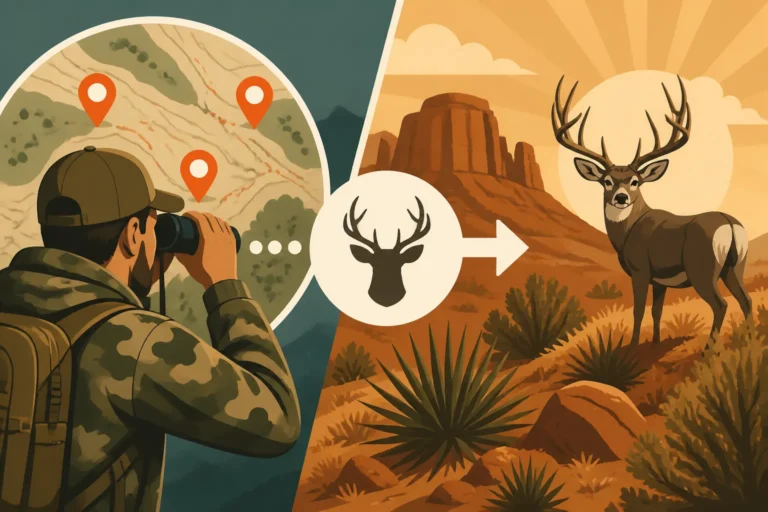
Effective scouting, both remotely and on the ground, significantly increases your chances of success in the Lincoln. E-scouting, using satellite imagery and topographical maps, is an excellent starting point. Tools like onX Hunt allow you to digitally explore your chosen unit from the comfort of your home. Look for key terrain features: north-facing slopes with dense timber for bedding areas, open parks and meadows for feeding, saddles and benches that funnel animal movement, and, crucially, water sources. Pin potential game trails, rubs, wallows, and natural funnels. Identify potential glassing points and escape routes. E-Scouting a New Mexico Unit Before the Season can give you a massive head start.
If at all possible, try to make a physical scouting trip or two before your hunt. There's simply no substitute for putting boots on the ground. A scouting trip allows you to verify your e-scouting observations, learn the lay of the land firsthand, discover fresh sign, and identify actual travel corridors. It also helps you understand road conditions, find suitable camping spots, and assess the density of cover. Even a short scouting trip can give you an invaluable advantage by familiarizing you with the scent, sounds, and feel of your chosen hunting area within the Lincoln.
Challenges and Considerations for Lincoln Hunters
While the Lincoln National Forest offers incredible hunting opportunities, it’s not without its challenges. Being prepared for these hurdles, both environmental and logistical, is key to turning a potentially frustrating trip into a successful and memorable adventure.
Hunting Pressure and Finding Seclusion
Let's be real: good hunting spots, especially for desirable species like elk and mule deer, are rarely a secret. Popular units within the Lincoln National Forest can experience significant hunting pressure, particularly during opening weekends and easily accessible areas. This pressure can make animals warier, push them into thicker cover, or even cause them to move to entirely different areas. It's a frustrating reality for many public land hunters, but it’s not insurmountable.
To find seclusion and less pressured animals, you often have to work harder. This means being willing to walk further than most, venturing deep into wilderness areas or steep canyons where fewer hunters dare to tread. Hunting during weekdays rather than weekends can also significantly reduce competition. Furthermore, don't overlook areas that might seem "less ideal" on a map—a dense patch of oak brush on a steep hillside might hold a savvy buck that has learned to avoid popular timbered slopes. Learning to identify these overlooked pockets can be a game-changer. Thinking outside the box and embracing the grind will often yield the solitude and success you're seeking.
Water Availability and Management
New Mexico is, by and large, an arid state, and the Lincoln National Forest is no exception. While higher elevations and certain seasons bring more moisture, water is often a critical factor that dictates animal movement and presents a logistical challenge for hunters. During early archery seasons, particularly in late August and early September, water sources can be scarce, concentrating animals around springs, stock tanks, and guzzlers. Identifying these on your maps (and verifying their existence and status on a scouting trip) can be crucial for locating game.
For hunters, managing your own water supply is paramount. Even if you plan on a day hunt, carrying more water than you think you'll need is always wise. If you're backpacking or camping remotely, a reliable water filter or purification tablets are essential, along with knowledge of where potential natural water sources might be found. Relying solely on a single water source can be risky if it dries up or is heavily used by livestock or other wildlife. Always have a backup plan. For more general guidance on this vital topic, refer to resources like Finding Water in New Mexico's Dry Country. Understanding how water influences game movement will give you a significant advantage in these drier landscapes.
Dealing with Wildlife Encounters and Emergencies
While the primary focus of a hunt is often the pursuit of game, it's essential to remember that you're in wild country, and encounters with other wildlife, including potentially dangerous species, are a possibility. Black bears are common throughout the Lincoln, and while generally shy, surprise encounters can happen. Always store food properly, use bear-resistant containers if available, and carry bear spray if it makes you feel more secure. Mountain lions are also present, though extremely elusive. Giving all wildlife a wide berth is always the best policy.
Beyond wildlife, the rugged and remote nature of many hunting areas within the Lincoln National Forest means that emergency preparedness is vital. Cell service is often nonexistent in deeper canyons and higher elevations. Carrying a satellite communication device (like a Garmin inReach or Zoleo) to call for help in an emergency or to simply check in with family is highly recommended. Always inform someone of your detailed hunting plans, including your route, expected return time, and hunting partners. A well-stocked first-aid kit, knowledge of basic wilderness first aid, and the ability to navigate with a map and compass (even if relying on GPS) are all essential components of responsible backcountry hunting. These mountains are beautiful but unforgiving if you're not prepared.
Disclaimer
This article is for general informational purposes only and does not constitute professional advice. Laws, prices and regulations vary by location and change over time. Consult a qualified professional for guidance on your specific situation.