How Much National Forest New Mexico Has
Hunting in New Mexico offers a unique blend of challenge and reward, but one of the biggest initial hurdles many hunters face is simply understanding the sheer volume of public land available and how to access it. While Bureau of Land Management (BLM) acreage often gets the spotlight for its open spaces, the National Forests in New Mexico represent a massive, vital component of our public hunting opportunities, providing millions of acres of diverse terrain, from towering peaks to deep canyons, that are absolutely crucial for big game. This guide is here to unravel just how much National Forest land New Mexico has and what that means for your next hunting adventure.
The Sheer Scale of New Mexico's National Forests
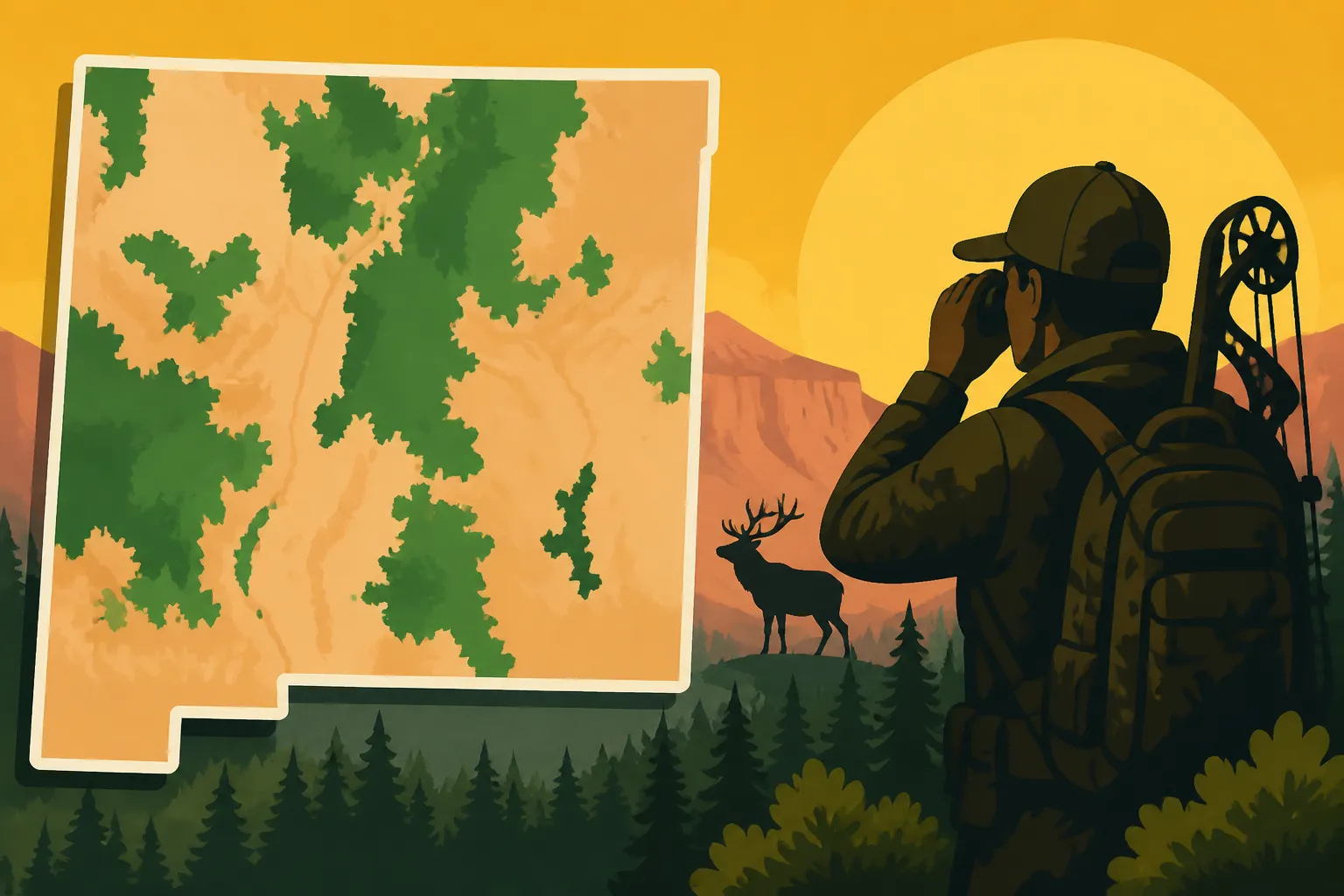
When we talk about hunting in New Mexico, the topic of public land access is always front and center. While BLM lands often come to mind first for their vast, open stretches, the National Forests hold a truly staggering amount of acreage, providing critical habitat and hunting grounds for a wide array of species. New Mexico is home to over 9 million acres of National Forest land, spread across six distinct forests. This isn't just a number; it's a testament to the incredible opportunities available to hunters, from the Gila Wilderness's rugged backcountry to the timbered slopes of the Carson.
These vast expanses are managed by the U.S. Forest Service with a multi-use mandate, meaning they support recreation, timber harvesting, grazing, and, crucially for us, wildlife conservation and hunting. The sheer scale means that even on popular hunts, there's often room to find solitude if you're willing to put in the effort. It's an incredible resource that allows for truly wild hunting experiences, far removed from civilization.
A Hunter's Paradise in the Timber and High Country
Within these millions of acres, you'll find an astonishing diversity of habitats. From the Ponderosa pine forests and aspen groves of the northern mountains to the mixed conifer and oak brush of the central and southern ranges, New Mexico's National Forests are a mosaic of ecosystems. This habitat diversity, combined with vast tracts of undisturbed land, makes them prime territory for big game.
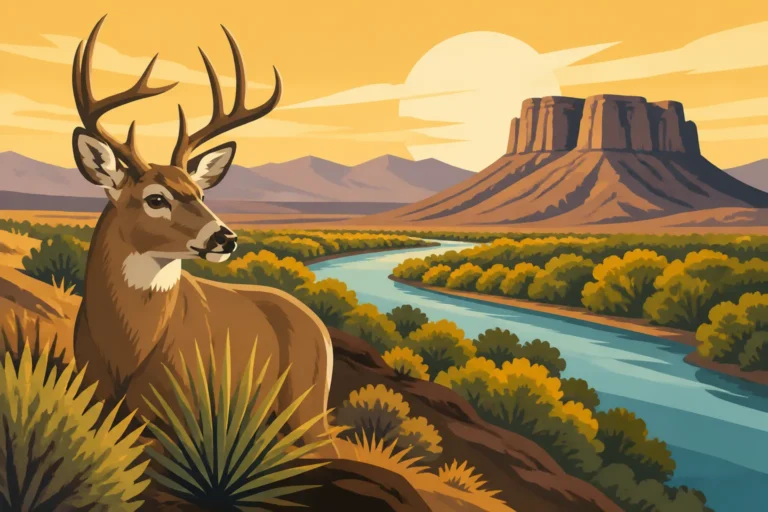
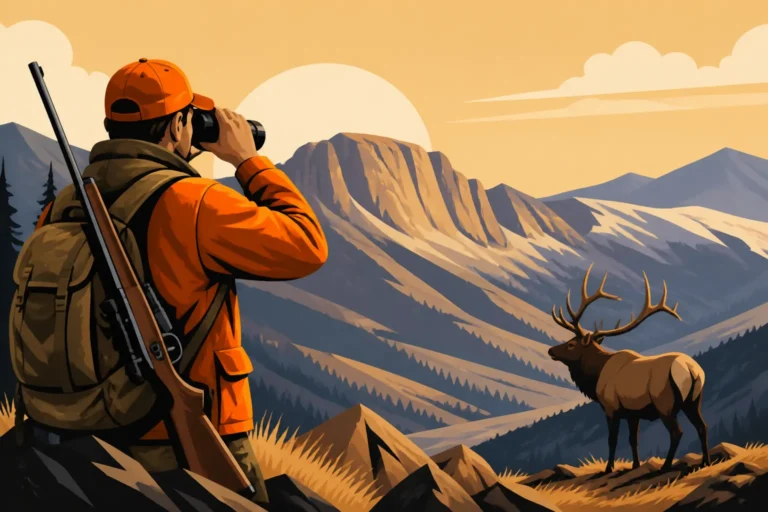
Elk, mule deer, black bear, mountain lion, and even bighorn sheep thrive in these forest environments. The Gila National Forest, for example, is world-renowned for its trophy elk hunting, drawing hunters from across the globe hoping to chase bugling bulls through its canyons and timber. New Mexico Elk Are Why the Gila Draws Everyone It's a land where the elevation changes dramatically, and with it, the game. You might find mule deer in the lower, drier piñon-juniper zones, while elk are often concentrated higher up, especially during the rut.
Balancing Shared Use and Hunter Responsibilities
It's important to remember that National Forests are not exclusively for hunters. They are shared spaces, utilized by hikers, campers, mountain bikers, off-road vehicle enthusiasts, and even timber and grazing operations. This shared use means that hunters have a responsibility to be respectful, aware, and prepared. Encounters with other users are common, especially near trailheads or popular camping spots.
Understanding and respecting various user groups, leaving no trace, and adhering to all Forest Service regulations in addition to state hunting laws are paramount. This includes proper waste disposal, minimizing noise, and being mindful of camp setups. The more we collectively demonstrate responsible stewardship, the better these lands remain accessible for hunting for future generations.
Spotlight on New Mexico's Premier National Forests for Hunting
Each of New Mexico's National Forests presents its own unique character, challenges, and opportunities for hunters. While they all fall under the umbrella of federal public land, their geographic locations, terrain, and primary game species can vary significantly. Understanding these differences is key to planning a successful hunt.
| National Forest | Approximate NM Acreage | Primary Big Game Species | Key Hunting Characteristics |
|---|---|---|---|
| Gila National Forest | 3.3 Million | Elk, Mule Deer, Bear | Extremely rugged, extensive wilderness areas, renowned for elk, remote access, high physical demand. |
| Carson National Forest | 1.5 Million | Elk, Mule Deer, Bear, Bighorn | High elevation, dense timber, often deep snow in winter, northern New Mexico units, good for later season hunts. |
| Santa Fe National Forest | 1.6 Million | Elk, Mule Deer, Bear, Turkey | Varied terrain from Jemez to Sangre de Cristo, good mix of timber and open parks, moderate to high elevation. |
| Cibola National Forest | 1.6 Million | Mule Deer, Elk, Oryx (fringe), Bear | Dispersed units (Manzano, Magdalena, Datil, Zuni), high desert to mountain, good for varied deer hunting. |
| Lincoln National Forest | 1.1 Million | Mule Deer, Elk, Turkey | Sacramento, Guadalupe, Capitan mountains, Coues deer in southern reaches, mixed conifer and oak. |
Note: Acreage figures are approximate and represent the New Mexico portions of these forests.
The Gila National Forest: An Icon of Wilderness Hunting
The Gila National Forest is, without a doubt, a crown jewel for hunting in New Mexico, encompassing approximately 3.3 million acres. It's most famous for its vast Gila Wilderness and Aldo Leopold Wilderness Areas, which combined represent some of the largest tracts of roadless country in the Lower 48. This is prime elk country, particularly for those seeking a true backcountry experience. The Gila National Forest as New Mexico Elk Country
Hunting the Gila means embracing ruggedness. Elevations climb to over 10,000 feet, and the terrain is characterized by steep canyons, dense timber, and remote mesas. Access often requires significant hiking or the use of horses and mules. For those planning a Gila hunt, physical conditioning is not just recommended, it's essential. This is where many hunters chase the dream of a Boone and Crockett bull, but it demands dedication and preparation. It's a truly wild experience, where success often hinges on your ability to get deep into the country and navigate its challenging landscape.
Northern Giants: Carson and Santa Fe National Forests
Moving north, the Carson National Forest covers about 1.5 million acres and the Santa Fe National Forest approximately 1.6 million acres. These northern forests are characterized by higher elevations, significant timber stands, and a more pronounced winter, often receiving heavy snowfall. They are fantastic for elk and mule deer, particularly in units around the Sangre de Cristo and Jemez mountain ranges. Carson National Forest Access in New Mexico Santa Fe National Forest Ground in New Mexico
The Carson, stretching from the Rio Grande Gorge east to the high peaks, offers diverse hunting from river bottoms to alpine tundra. It's also home to some Rocky Mountain Bighorn sheep opportunities. The Santa Fe National Forest, wrapped around the state capital, provides ample public land for residents and non-residents alike, with units supporting healthy populations of elk, mule deer, and black bear. Hunting here often involves navigating denser timber, steeper slopes, and sometimes earlier snowfall, requiring different tactics than the more open country further south. Hunters targeting these areas need to consider altitude preparation and cold-weather gear. Altitude Preparation for a Gila Elk Hunt
Central and Southern Stretches: Cibola and Lincoln National Forests
The Cibola National Forest, covering around 1.6 million acres, is unique in that it's comprised of several non-contiguous districts, including the Manzano, Magdalena, Datil, and Zuni Mountains, as well as the plains of the Cibola National Grasslands. This scattered nature means a wide variety of terrain and hunting experiences. You can find elk and mule deer in the mountain ranges, and even encounter oryx on the fringes where the forests meet the open desert plains. Cibola National Forest Access in New Mexico The hunting here can transition from high desert scrub to alpine timber within a few miles, offering diverse opportunities.
Further south, the Lincoln National Forest spans roughly 1.1 million acres across the Sacramento, Guadalupe, and Capitan Mountains. This forest is well-known for its mule deer, particularly in the Sacramento Mountains, and even offers opportunities for Coues deer in its southernmost units. Lincoln National Forest Hunting in New Mexico Turkey hunting is also excellent here. The Lincoln presents a mix of high-elevation pines and lower elevation oak brush and juniper, creating complex habitats that can hold game throughout the seasons. These southern forests often have milder winters but can be dry and hot during early seasons, necessitating careful planning for water sources. Water You Must Carry on a Desert Day Hunt
Mastering Access and Rules in National Forest Lands
Hunting millions of acres of National Forest land sounds incredible, and it is, but it also comes with the responsibility of understanding how to access these lands legally and ethically. Navigating Forest Service regulations, understanding land ownership, and knowing the specific rules for your chosen unit are critical for a successful and stress-free hunt.
Understanding Motorized Travel and Seasonal Closures
One of the most important tools for any hunter venturing into a National Forest is the Motor Vehicle Use Map (MVUM). These maps, available for free from Forest Service offices or online, are the definitive guide to where you can and cannot drive a motorized vehicle. They clearly delineate designated roads and trails open to motorized public travel, often specifying vehicle type (e.g., street-legal, ATV, motorcycle) and any seasonal restrictions. Straying from these designated routes is not only illegal but can cause significant resource damage and earn you a hefty fine. Motorized Travel Rules on New Mexico Public Land
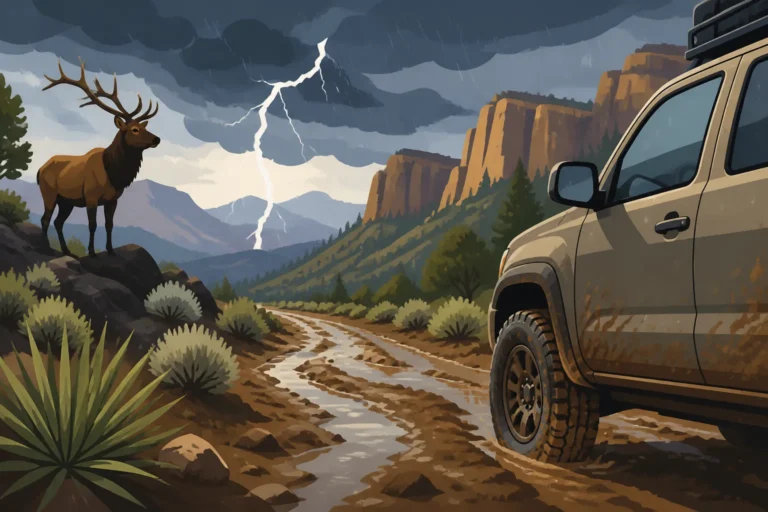
Many forest roads are subject to seasonal closures, especially at higher elevations, due to snow or to protect roads during spring thaw. These closures are critical to note, as they can dramatically alter your access plans. What looks like a clear path on a summer map might be impassable in a late-season deer hunt. Always check with the local Forest Service district office for current conditions and closure orders before heading out. Seasonal Road Closures Across New Mexico
The Indispensable Role of Modern Mapping Tools
In today's hunting world, digital mapping tools like onX Hunt and GoHunt have become almost indispensable for navigating complex public land boundaries and forest roads. These apps layer private land, public land (including National Forests), designated roads, trails, water sources, and topography directly onto your phone or GPS device. This is a game-changer for understanding exactly where you are and where you can go.
For instance, using onX Hunt, you can instantly see if that tempting ridge line is on National Forest land or if it dips into a private parcel. GoHunt's mapping features can also help you scout for terrain that might hide an approach at 10,000 feet, or locate water sources in arid units. They help clarify those often-confusing boundaries where National Forest transitions to BLM, State Trust Land, or private property, preventing accidental trespass. Reading a Land Ownership Layer Correctly Before any hunt, take the time to download offline maps for your chosen area, as cell service can be non-existent deep within many of New Mexico's National Forests.
General Regulations and Ethical Considerations for Forest Hunting
Beyond specific motorized travel rules, general hunting regulations always apply within National Forests. This includes adhering to legal shooting hours, ensuring you have the proper licenses and stamps (like the New Mexico Habitat Stamp if hunting federal land), and wearing blaze orange when required by season. Legal Shooting Hours and Blaze Orange in New Mexico
Ethical considerations are also paramount. This includes responsible field dressing, ensuring you pack out all trash, and being aware of other forest users. If you harvest an animal, prompt tagging and appropriate field dressing are essential, especially in warmer early seasons. Field Dressing in Desert Heat Always strive to leave the area better than you found it, preserving these incredible public resources for everyone. Remember, a hunting license also grants an easement on State Trust Lands in New Mexico, but National Forests are a different category of public land with their own set of nuances worth understanding fully before your trip. A New Mexico License Is Your State Trust Land Easement
Disclaimer
This article is for general informational purposes only and does not constitute professional advice. Laws, prices and regulations vary by location and change over time. Consult a qualified professional for guidance on your specific situation.