Why BLM Ground Carries the Most Access
Finding truly accessible, huntable public land in New Mexico can feel like trying to solve a complex puzzle, especially when you're staring at a patchwork map of different landownerships. It’s easy to get discouraged by private land enclaves or complex rules. This guide is here to break down why Bureau of Land Management (BLM) ground often offers the most open and expansive access for hunters in the Land of Enchantment, and how you can make the most of it.
Understanding the Vastness and Openness of BLM Land in New Mexico
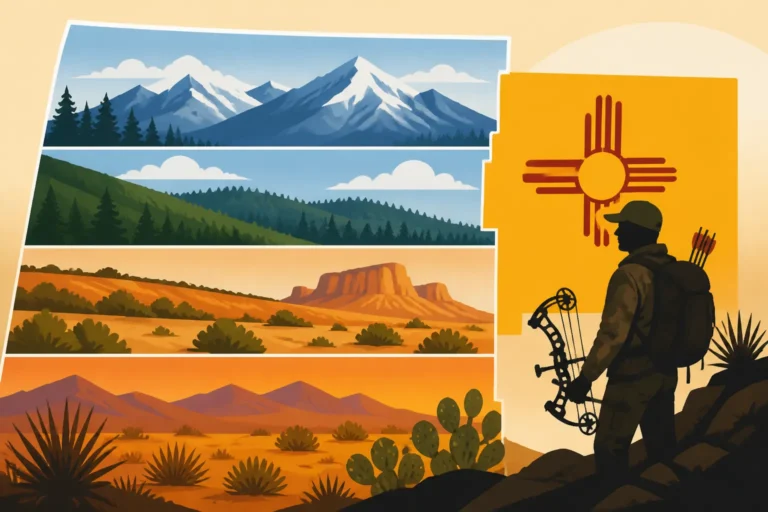
New Mexico is a state of incredible contrasts, from towering mountain ranges to vast, sprawling deserts. For hunters, this diversity is a blessing, but navigating the various land designations can be a real headache. When it comes to sheer volume of accessible ground, Bureau of Land Management (BLM) acreage often stands out as the unsung hero, providing some of the most consistent and widespread public hunting opportunities across the state. It's truly the backbone of much of our public land hunting, especially in the more arid, lower-elevation units.
The Sheer Scale of BLM Holdings
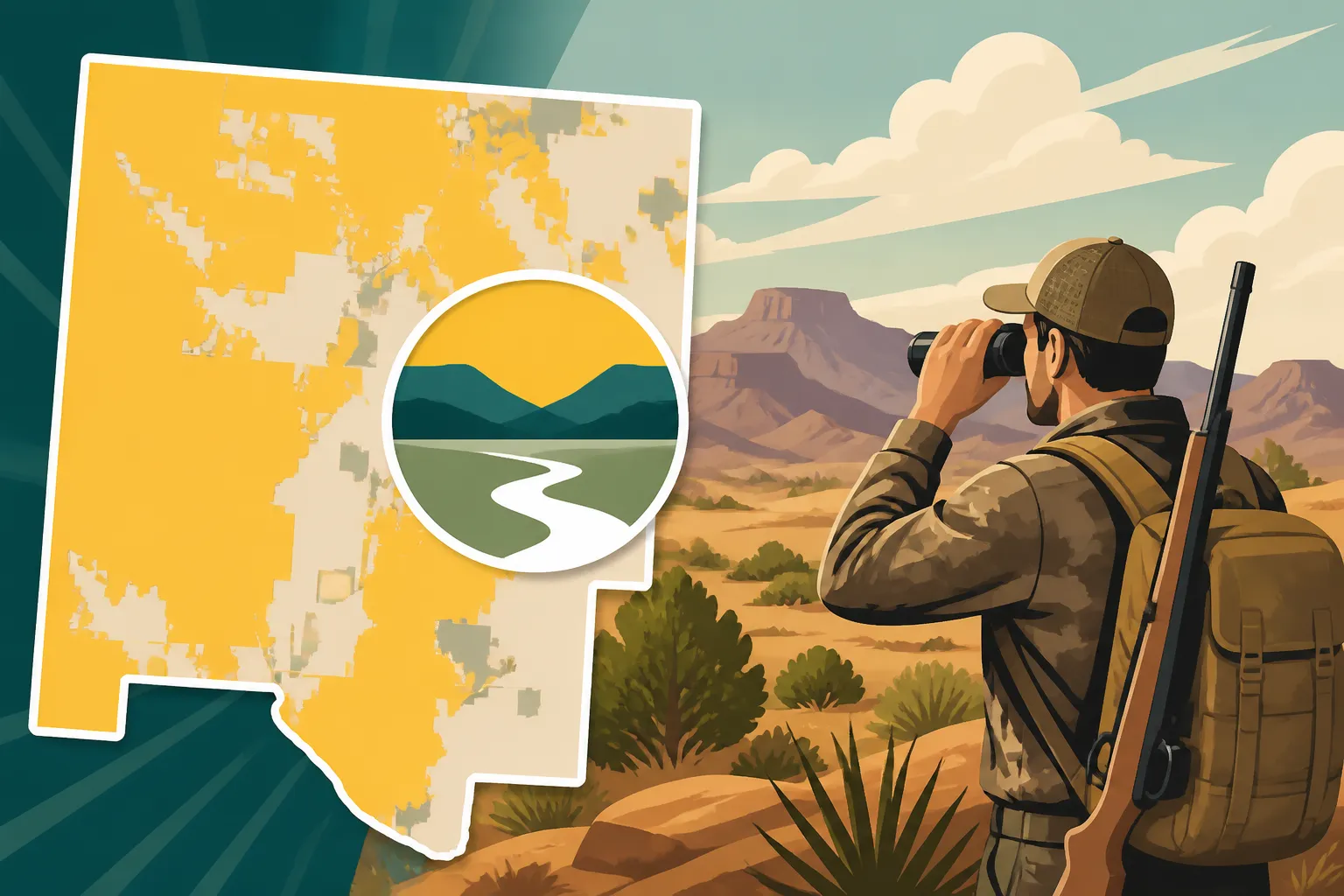
Think about it: New Mexico holds over 30 million acres of public hunting land, and a significant portion of that is managed by the BLM. These lands are generally characterized by their open, unrestrictive nature, often encompassing sagebrush flats, rolling hills, arroyos, and desert mountains. Unlike the more timbered and mountainous National Forest lands, which tend to be concentrated in specific regions, BLM ground spreads out like a vast blanket across many units, especially in the central, southern, and eastern parts of the state. It's this widespread distribution that contributes so heavily to its accessibility.
Many hunters, particularly those new to the state or coming from areas with less public land, might initially focus on National Forests for big game like elk. While those areas are undeniably incredible, they represent a different type of access. BLM land, by its very nature and management mandate, is designed for multiple uses, including recreation, and that almost always translates into more open hunting opportunities. It’s not uncommon for a hunt unit to have significant portions of BLM land intertwined with State Trust Land or even private ranches, making it critical to understand where you can legally tread.
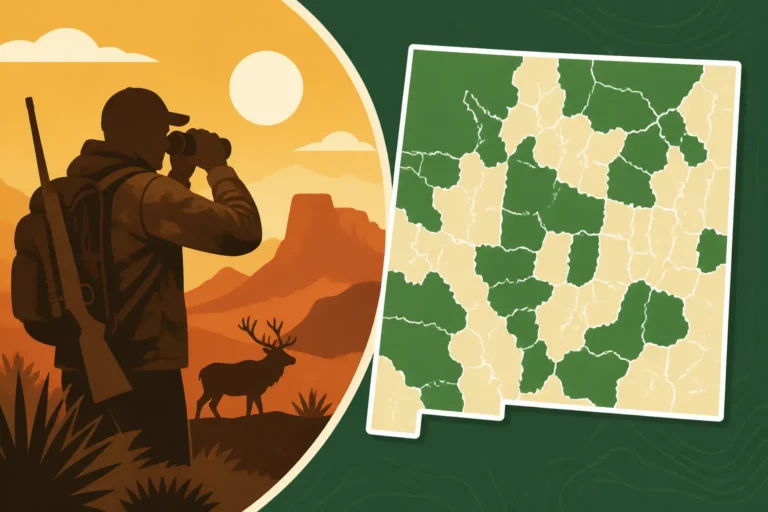
The sheer BLM Acreage Across New Mexico is truly impressive, and it's this extensive footprint that makes it such a vital resource for hunters pursuing everything from mule deer and pronghorn to oryx and barbary sheep. When you start planning a hunt, especially in a unit that might look largely private on a general map, zooming in on that land ownership layer will often reveal pockets, or even massive contiguous blocks, of BLM ground waiting to be explored. It’s often the default assumption that if it’s not National Forest or State Trust Land, it must be private, but the BLM is a huge piece of the public land puzzle.
Contrasting BLM with Other Public Land Types
To fully appreciate why BLM land offers so much access, it helps to understand how it differs from other public land types in New Mexico. National Forests, like the Gila or Carson, are managed by the U.S. Forest Service (USFS) and are typically found in higher elevations, often characterized by dense timber, deep canyons, and more rugged terrain. While fantastic for elk and high-country deer, access can sometimes be limited by wilderness areas, road closures, or simply the difficulty of the terrain itself. These lands also tend to have more developed campgrounds and trails, which can concentrate recreational use.
State Trust Land, on the other hand, is managed by the New Mexico State Land Office. While a New Mexico hunting license acts as an easement for hunting access on these lands, the rules can be a bit more specific. For instance, You May Scout New Mexico Trust Land 14 Days Before a Hunt, but there are specific restrictions on camping and vehicle use that differ from BLM or National Forest rules. The primary purpose of State Trust Land is to generate revenue for specific beneficiaries, so while hunting is allowed, it's often secondary to other uses like grazing or mineral extraction, which can sometimes impact hunting quality or access points.
The Bureau of Land Management operates under a different philosophy, focused on sustained yield and multiple use. This means that while grazing permits or energy development might occur, hunting and other forms of recreation are explicitly part of the management plan. The roads, even if primitive, are often more numerous and less subject to the seasonal closures you might find in some high-elevation forest roads. This open approach, combined with the sheer volume of land, positions BLM as the workhorse for broad public access.
The Unique Access Dynamics of BLM Ground
While the sheer amount of BLM land is a major factor in its accessibility, it's also the way these lands are managed and laid out that contributes significantly. BLM areas often have an extensive network of two-track roads, legal access points, and fewer restrictions on movement compared to other public land categories. This translates directly into more ground for hunters to cover, and more flexibility in how they choose to hunt it.
Navigating Roads and Trails
One of the most appealing aspects of hunting BLM land is the often-extensive network of roads. While many of these are primitive dirt tracks, suitable only for high-clearance 4×4 vehicles, they crisscross vast areas, allowing hunters to get deeper into the landscape than might be possible on foot alone or in areas with fewer designated trails. This is particularly valuable in the sprawling desert and plains units where game might be widely dispersed. Of course, it's crucial to understand and adhere to Motorized Travel Rules on New Mexico Public Land to ensure you're hunting ethically and legally.
These roads aren't always maintained, and you'll often encounter washouts, deep ruts, or sandy sections that demand careful driving. However, they provide the arteries of access that unlock miles of country. You'll rarely find locked gates on main BLM access roads unless they are specifically designed to limit access for resource protection, or if you're trying to cross a private inholding. This widespread, though often rugged, road network is a stark contrast to some National Forest areas where vehicle access might be tightly controlled, or where wilderness designations prohibit motorized use entirely.
It's important to differentiate between actual roads and washes or game trails. Always stick to established routes to avoid damaging the delicate desert ecosystem and to stay within legal parameters. Mapping tools are invaluable here. This is where a robust tool like onX Hunt really shines. By using the app, you can clearly see public and private land boundaries, as well as designated roads and trails, helping you avoid accidental trespass and efficiently plan your routes into prime hunting areas. There's nothing worse than driving for an hour only to realize the "road" you're on is about to dead-end at a private fence.
Overcoming Landlocked Public Parcels
While BLM land generally offers excellent access, New Mexico's landownership map is a notorious checkerboard, and even BLM parcels can occasionally become "landlocked" by private property. This is a common frustration for hunters across the West. However, because of the sheer volume and interconnected nature of BLM lands, contiguous blocks of accessible ground are more prevalent than with other public land types, especially in areas not directly adjacent to major mountain ranges or densely populated areas.
For those situations where a BLM parcel appears landlocked, understanding easement laws and actively seeking permission from landowners to cross their property are critical. Sometimes, a seemingly landlocked parcel has a historic easement that isn't immediately obvious on a basic map. This is another area where detailed mapping applications, like onX Hunt, become indispensable. They not only show land ownership but also often include data layers for easements and public access routes, helping you identify legal access points you might otherwise miss.
Furthermore, hunters often share a common interest in responsible land use with adjacent landowners. A courteous knock on a door, explaining your intentions and asking for permission to cross, can often unlock access to incredible hunting ground. While this isn't always successful, the greater prevalence of BLM land means that even if one access point is blocked, there's often another route or another large block of public land nearby to explore. Hunting the Chihuahuan Desert Units will often require careful planning around these access points.
Leveraging Technology and Responsible Practices for BLM Hunting
Successful hunting on BLM land isn't just about showing up; it's about smart planning, using modern tools, and upholding a strong ethical code. With its vastness and often remote nature, BLM ground demands a hunter who is prepared, respectful, and well-informed.
Mapping Tools as Your Best Friend
In an era of advanced technology, there's absolutely no excuse to go afield without a reliable mapping system, especially when hunting the intricate landownership patterns of New Mexico. Digital mapping apps like onX Hunt are game-changers for identifying BLM boundaries, private property lines, roads, and trails. They provide a dynamic, real-time view of where you are relative to public access, helping you stay legal and find the best hunting spots. These tools are far superior to paper maps alone, as they update regularly and use GPS to pinpoint your exact location.
Before you even leave home, spend time E-Scouting a New Mexico Unit Before the Season using these apps. Look for large contiguous blocks of BLM land, identify potential access roads, mark water sources, and pinpoint areas that might hold game based on terrain features. The ability to overlay different map layers—like satellite imagery, topographic maps, and land ownership—allows for incredibly detailed planning. You can literally walk through your hunt virtually, noting potential glassing points, bedding areas, and approach routes.
When you're actually in the field, these apps are invaluable for navigation and confirming your location. Imagine you're stalking a mule deer on what looks like endless public land, only to find yourself unexpectedly close to a private fence line. A quick glance at your phone ensures you respect those boundaries. Services like GoHunt also provide excellent resources for researching units, draw odds, and general information that can help you narrow down the best BLM units for your target species, complementing the on-the-ground navigation provided by mapping apps.
Respecting the Land and Its Users
Hunting on BLM land comes with a shared responsibility to be a good steward of the resource. These lands are used by a variety of groups – ranchers with grazing leases, recreationalists, and other hunters. Being respectful of others' rights and maintaining the land's integrity is paramount. This means packing out everything you pack in, staying on designated roads, and being mindful of fire restrictions, especially in arid environments.
Always be aware of active grazing leases. While you have every right to hunt on BLM land with grazing permits, be respectful of livestock and ranching infrastructure. Close gates behind you, avoid disturbing cattle unnecessarily, and report any damaged fences or water sources you encounter. This kind of cooperation helps maintain positive relationships between hunters and other land users, ensuring that these access opportunities remain open for everyone.
It's also crucial to practice ethical hunting, including proper Field Dressing in Desert Heat and adhering to all game recovery laws. BLM lands can be remote, and responsible game care is essential to prevent spoilage and uphold the image of hunters. Leaving gut piles in discrete locations away from roads and trails, and promptly recovering downed animals, are all part of being a responsible public land hunter.
BLM Land as a Hunter's Resource
Beyond just providing access, BLM lands in New Mexico offer unique hunting opportunities and require a particular approach to scouting and strategy. Their vast, open nature means that game can be widely dispersed, but also that dedicated hunters can find solitude and productive areas away from pressure.
Scouting for Success on BLM Ground
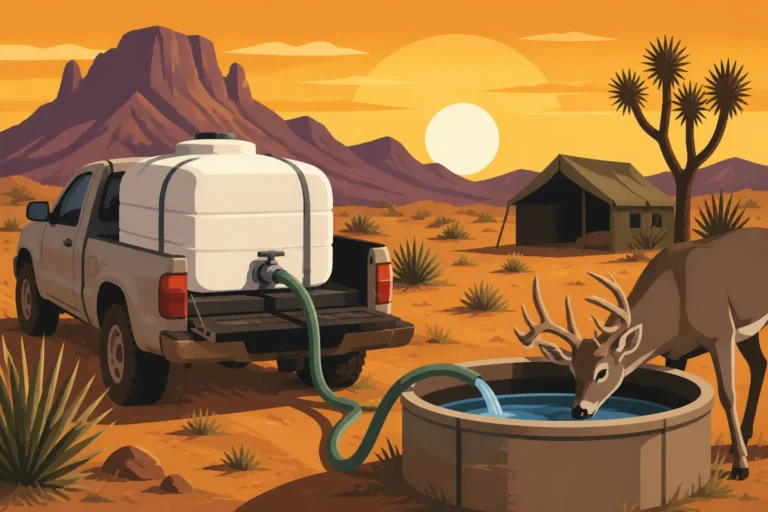
Scouting is fundamental to success on any public land, but especially on BLM ground. The open landscapes mean that game often travels extensively, and finding key resources like water, forage, and cover is critical. In many desert or plains units, Water Sources That Concentrate Desert Game are absolute magnets. Look for stock tanks, guzzlers, or natural springs, as these areas will draw animals in, especially during dry periods. These spots are often well-known, so scouting for sign around these areas, rather than directly on them, can lead you to less pressured pockets.
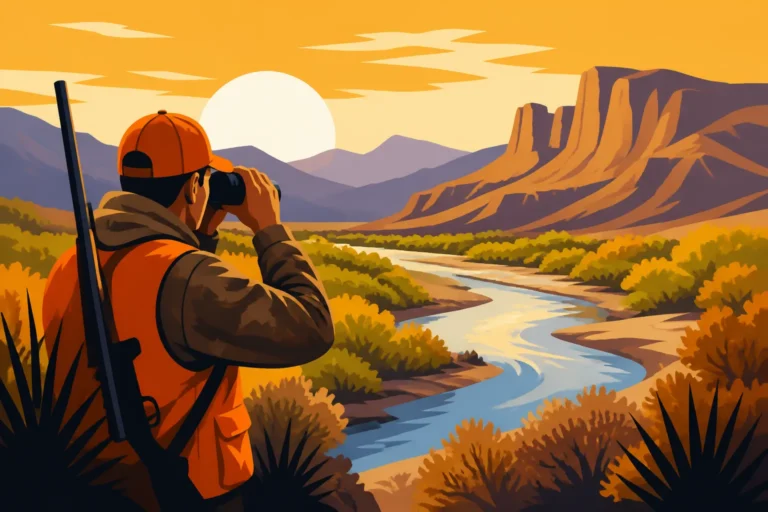
The vastness also means that simply driving roads won't cut it. You need to get out and put boots on the ground, or at least spend time glassing from elevated positions. In open country, good optics are your best friend. A quality pair of binoculars and a spotting scope can help you cover immense tracts of land from a single vantage point, locating animals before they ever know you're there. Learn to read the subtle changes in terrain—a slight rise, a hidden arroyo, or a patch of thicker brush—that might offer cover for bedded animals.
Pay attention to historical data and harvest reports, which can often be found through services like GoHunt or on the New Mexico Department of Game and Fish website. These resources can give you insights into which units and areas have consistent success, helping you focus your scouting efforts on the most promising BLM regions. Remember, consistent effort and observation during the off-season will pay dividends when your tag is in your pocket.
Game Species and Hunting Tactics
BLM land is incredibly versatile and supports a wide array of game animals. For deer hunters, it's prime country for Desert Mule Deer in Southern New Mexico and often holds good numbers of pronghorn on the more open plains. Hunters after oryx or barbary sheep will also find themselves spending a lot of time on BLM ground, using spot-and-stalk tactics across the open and broken terrain. Even elk can be found on BLM parcels, particularly those that border National Forests or have access to reliable water and cover.
Tactically, hunting BLM often involves extensive glassing, covering ground on foot or with a vehicle to spot animals from a distance. Once an animal is located, careful planning of a How Far to Stalk a Bedded Mule Deer or other game becomes critical. The open terrain offers fewer opportunities for concealment, so using natural contours, washes, and the sparse vegetation is paramount. Wind direction is always a major factor, and learning to play the thermals, especially in canyon country, can make or break a stalk.
Ultimately, the accessibility and expansive nature of BLM land in New Mexico make it an invaluable resource for hunters of all stripes. Whether you're a seasoned veteran or a newcomer to the state, understanding how to locate, access, and ethically hunt these lands will open up a world of opportunity. Do your homework, respect the land, and get out there to experience some of the best public land hunting New Mexico has to offer.
Disclaimer
This article is for general informational purposes only and does not constitute professional advice. Laws, prices and regulations vary by location and change over time. Consult a qualified professional for guidance on your specific situation.