Boone and Crockett Bulls From New Mexico
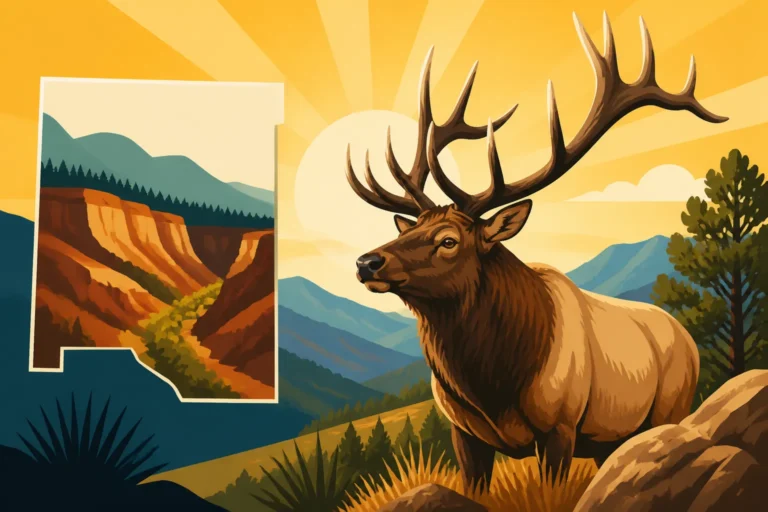
The dream of seeing a truly giant bull elk, one that might tape out to Boone and Crockett minimums, is a powerful driver for many of us who hunt New Mexico. It's not just about the antlers, but the challenge, the wild places these monarchs inhabit, and the incredible journey it takes to even get a chance at one. This guide will walk you through what makes New Mexico a potential hotspot for B&C bulls, the units where they're often found, and the strategies you'll need to employ to even dream of a legitimate chance at one of these magnificent animals.
The Lure of New Mexico's Giant Elk
New Mexico might not always top the lists for sheer elk numbers compared to some other western states, but it consistently produces some truly exceptional bulls. There's a magic to the state's rugged, diverse landscapes that allows certain elk to grow to legendary proportions.
Why New Mexico Produces B&C Caliber Bulls
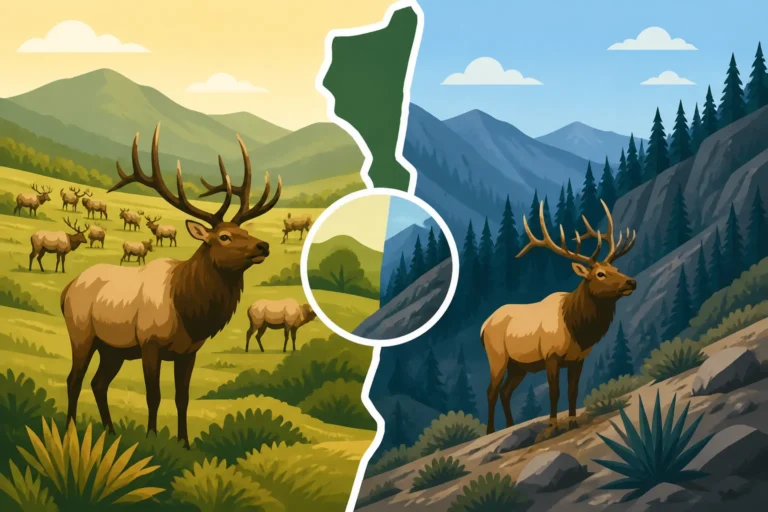
It boils down to a few critical factors that converge in specific parts of the state, creating the perfect storm for antler growth. First, you have the habitat. New Mexico offers incredible diversity, from the high, cool forests of the Gila and northern mountains to the transition zones with abundant feed and water. This varied landscape provides optimal nutrition throughout the year, which is crucial for big antler development. A bull isn't going to grow a B&C rack if he's constantly stressed or lacking key nutrients.
Second, genetics play an undeniable role. While it's hard to quantify exactly, certain herds simply have the genetic potential for larger frames and more impressive headgear. These are often herds that have been managed with a focus on quality, allowing bulls to reach older age classes. And that's the third, and perhaps most important, factor: age. A bull needs time to mature, often seven years or more, before he can really show his true antler potential. New Mexico's draw system, with its limited tags in certain units, often ensures that a good number of bulls survive to these older age classes, giving them the chance to become true giants. This careful management, combined with vast wilderness areas, creates pockets where bulls can simply disappear and grow unmolested for years.
Understanding Boone and Crockett Scoring
When hunters talk about "Boone and Crockett bulls," they're referring to a very specific set of criteria established by the Boone and Crockett Club, an organization dedicated to fair chase and wildlife conservation. It’s not just about how "big" a rack looks; there's a precise measurement system involved.
The scoring system measures various aspects of the antlers: main beam length, circumference at several points, length of points, and spread. There are two main categories: typical and non-typical. A typical elk rack is symmetrical, with points growing in a predictable fashion. Non-typical racks have abnormal points or excessive asymmetry that add to their score in a different way. To make the B&C record book, a typical American elk needs to score 360 points, while a non-typical needs 375 points. These aren't easy numbers to hit, requiring immense mass, length, and symmetry (or character, for non-typicals). It's a standard that few bulls ever achieve, making them truly once-in-a-lifetime trophies. Hunters who are serious about understanding their potential harvest will often carry a pocket tape and know the basic measurements.
Top New Mexico Units for B&C Potential
If you're chasing that B&C dream, certain units in New Mexico consistently rise to the top of the conversation. These units are legendary for a reason, though drawing a tag in them is a monumental task.
The Gila Wilderness: Units 15, 16A, 16D, 17
The Gila National Forest, particularly within the designated wilderness areas, is widely considered the holy grail for trophy elk in New Mexico. Units like 15, 16A, 16D, and 17 are synonymous with big bulls, and for good reason. This vast, rugged country offers everything an elk needs to grow old and huge: diverse forage, abundant water sources (especially in good monsoon years), and most importantly, immense, impenetrable canyons and timber where bulls can escape human pressure for years.
Unit 15, often hailed as the "finest in the Gila," is specifically managed as a primitive weapons unit, further reducing pressure and allowing bulls to age naturally. This type of management strategy helps increase the odds of a bull reaching its genetic potential. Units 16A and 16D also have stellar reputations, with 16D being especially renowned for its vast wilderness tracts. Unit 17, with its incredible elevation changes and two wilderness areas, offers its own unique challenges and opportunities for those willing to put in the work. Many hunters rely on resources like GoHunt to analyze historical draw odds and harvest data for these specific units, giving them a data-driven edge when planning their applications. The sheer size of the Gila Wilderness means that even when hunters are present, there's always country that provides refuge for older, wiser bulls. The bulls here are survivors, and that's why they grow to such impressive sizes.
Other Notable Units
While the Gila often dominates the trophy conversation, it's not the only place to find a B&C contender. Other units across New Mexico, particularly those with a good balance of habitat, limited access, or specific management goals, can also produce giants. Some units in the northern part of the state, especially those with significant private land holdings and cooperative management, can be quiet producers of huge bulls. These might not get the same widespread attention as the Gila, but they often have consistent trophy production. Similarly, some units with more restricted access, perhaps due to challenging terrain or a higher percentage of difficult-to-reach public land, can allow bulls to age. For a comprehensive overview of options, many serious hunters utilize data from GoHunt to explore less-pressured units that still show potential for trophy-class animals, often looking at factors beyond just the most popular units. It's about finding those hidden gems where management and habitat align.
Factors Influencing a Bull's B&C Potential
It’s easy to point to a unit and say "big bulls come from here," but there's a complex interplay of factors that truly dictate whether an individual bull reaches Boone and Crockett status.
Age, Genetics, and Nutrition
These three pillars are foundational to antler growth. A bull must first have the genetics for a large frame and impressive antlers. Not every bull has the inherent potential to grow a 360-inch rack, no matter how perfect the conditions. Second, he needs age. This is non-negotiable. Antlers are secondary sex characteristics, and like a fine wine, they generally improve with age up to a certain point. A bull's prime antler-growing years typically occur between 7 and 10 years old, sometimes a bit longer. Before this, he's still growing his body, and after, his antler quality might start to decline. Third, nutrition fuels the whole process. This isn't just about having some food; it's about having high-quality, protein-rich forage throughout the year, especially during the spring and summer when antler growth is most rapid. Lush spring greens, followed by consistent moisture to maintain forage quality through the summer, are absolutely essential.
Imagine a bull with excellent genetics, but he lives in an area with poor forage for several years. His potential will be stunted. Conversely, a bull with average genetics in a perfect nutritional environment might grow a respectable rack, but likely won't hit B&C. It's the rare combination of all three that truly creates those top-tier bulls.
Drought and Monsoon Impact
New Mexico's climate is characterized by significant fluctuations, and these directly impact antler growth. Drought conditions are the enemy of antler development. When browse and forbs dry up, and water sources become scarce, elk are under stress. They must expend more energy seeking food and water, leaving less available for antler production. You might notice a noticeable dip in antler quality across an entire region following a severe drought year.
Conversely, strong monsoon seasons, with consistent summer rains, are a boon for elk. These rains rejuvenate the landscape, leading to a flush of nutrient-rich vegetation during the critical antler-growing period. A series of good moisture years can dramatically boost the average antler size in a unit. It creates a domino effect: healthy cows produce healthier calves, and bulls have the resources to put maximum energy into growing impressive racks. It's a delicate balance, and understanding these long-term weather patterns can sometimes give you a clue about a unit's potential for the upcoming season.
Hunting Pressure and Refuge Areas
Human pressure is another significant factor. In units with high hunting pressure, older bulls are simply less likely to survive multiple hunting seasons. They are more exposed, more likely to be encountered, and ultimately, harvested before reaching their prime. This is where vast wilderness areas, like those found within the Gila National Forest, become so critical.
These areas offer immense refuge. The deeper and more rugged the country, the safer the bulls. This is why you often hear about hunters packing into remote areas for days on end, trying to find those sanctuaries where big bulls can live out their lives relatively undisturbed by human activity. Units with significant wilderness or large, difficult-to-access public lands inherently offer more opportunities for bulls to reach maturity. Even in units with considerable pressure, if there are pockets of extremely rugged or unapproachable terrain, big bulls will find them. The savvy hunter often seeks out these overlooked or underestimated "refuge" areas within a unit, even if the overall pressure is high.
Strategies for Pursuing a B&C Bull in New Mexico
Chasing a B&C bull in New Mexico is a long-term endeavor that requires dedication, research, and often, a bit of luck. It's a challenge not for the faint of heart.
Draw Odds and Application Strategy
Let's be blunt: drawing a tag for a prime B&C unit in New Mexico is incredibly difficult, especially for non-residents. New Mexico does not have a preference point system, meaning everyone starts with roughly even odds each year, which can be both a blessing and a curse. This also means that first-time applicants have the same chance as someone who's applied for twenty years. You can learn more about How New Mexico Draw Odds Work Without Points.
The key to increasing your chances of drawing lies in a smart application strategy. This means researching draw odds diligently, often using tools like GoHunt's draw odds calculators, to identify units that align with your goals and risk tolerance. Some hunters might put in for the absolute toughest-to-draw, highest-potential unit as their first choice, knowing the odds are astronomical, then follow with second and third choices that offer slightly better, though still challenging, odds. Understanding Choice Order Strategy in the New Mexico Draw is critical here. It's often a game of persistence, applying year after year, hoping your number finally comes up. Don't be discouraged by low odds; remember, someone does draw those tags every year.
Scouting and Preparation
Once you beat the odds and secure that coveted tag, the real work begins. Your hunt for a B&C bull starts long before you ever set foot in the unit. E-scouting is your first, best friend. Platforms like OnX Hunt, Google Earth, and other mapping software allow you to pour over satellite imagery, topo maps, and land ownership layers. You can identify potential bedding areas, feeding zones, water sources, migration corridors, and most importantly, escape routes and difficult-to-access country where a big bull might hide. You can spend countless hours virtually exploring every ridge, canyon, and bench. Don't forget to study E-Scouting a New Mexico Unit Before the Season to maximize your desktop efforts.
This virtual scouting must then be complemented by physical scouting, if at all possible. Visiting the unit months before the season allows you to ground-truth your e-scouting, find fresh sign, locate rubs and wallows, and understand the terrain's nuances. Pay close attention to Reading Fresh Elk Sign in Ponderosa Timber and potential bedding areas. Physical preparation is equally vital. Hunting these rugged New Mexico units, especially the Gila, is physically demanding. You'll be covering miles of steep, broken country, often at high elevations. Getting into peak physical condition by hiking with a weighted pack, running, and focusing on leg and core strength is non-negotiable. Learn how to better prepare yourself by reading Preparing Physically for a High Elevation Hunt. The better your physical condition, the more ground you can cover, and the more effective you'll be when the time comes to make a move on a bull.
Hunt Timing and Tactics
The timing of your hunt in New Mexico can significantly influence your chances of encountering a B&C bull. For many, the archery season in mid-September, coinciding with the peak of the elk rut, offers the most exciting and targetable opportunities. During this time, bulls are vocal, often bugling to challenge rivals and attract cows. This vocalization makes them more locatable, though also more prone to being pressured by other hunters. Learning how to effectively master Bugling Bulls Through New Mexico's Mid-September Rut can be a game-changer. Understanding When the Elk Rut Peaks in New Mexico is crucial for planning.
Tactically, it's a blend of patience, stealth, and aggressive pursuit. Glassing is paramount in New Mexico's open and broken country. Whether you're in the timbered canyons of the Gila or a more open basin, spending hours behind your binoculars or spotting scope, meticulously picking apart the landscape, is how you'll often locate those elusive giants. Check out Glassing New Mexico's Gila for Trophy Bulls for more in-depth techniques. Once a bull is located, the stalk becomes a chess match against a highly intelligent and wary animal. You'll need to use terrain, wind, and vegetation to your advantage, often needing to get within very close range for a bow shot, or position yourself for a longer rifle shot across a canyon. Knowing how to play the thermals and wind in complex topography is absolutely essential.
New Mexico Elk: Typical vs. Non-Typical Boone and Crockett Minimums
Understanding the specific minimums and characteristics for typical and non-typical elk is important when you're dreaming of that B&C bull. It's not just about a high score; it's about how the score is achieved.
| Category | Minimum Score | Key Characteristics | Scoring Focus |
|---|---|---|---|
| Typical | 360 | Symmetrical, balanced antler growth, classic form | Main beam length, circumference, point length, symmetrical spread. Deductions for any non-typical points. |
| Non-Typical | 375 | Abnormal points, significant asymmetry, unique growth | Main beam length, circumference, point length, spread. All abnormal points add to the score, rather than being deductions. |
A typical bull represents the ideal, perfectly symmetrical antler growth, while a non-typical celebrates the unique, often gnarly, and character-filled racks that showcase a bull's individualism. Both are incredibly difficult to achieve, but they cater to slightly different aesthetic preferences among trophy hunters. The highest scoring non-typical bulls often have many "stickers" or drop tines that contribute significantly to their final score.
In the end, pursuing a B&C bull in New Mexico is a monumental undertaking, but the rewards are immeasurable. It's a journey into some of the wildest country in the Lower 48, a test of skill and endurance, and an unforgettable experience whether you punch your tag or not.
Disclaimer
This article is for general informational purposes only and does not constitute professional advice. Laws, prices and regulations vary by location and change over time. Consult a qualified professional for guidance on your specific situation.