Where Elk Winter in the High Country
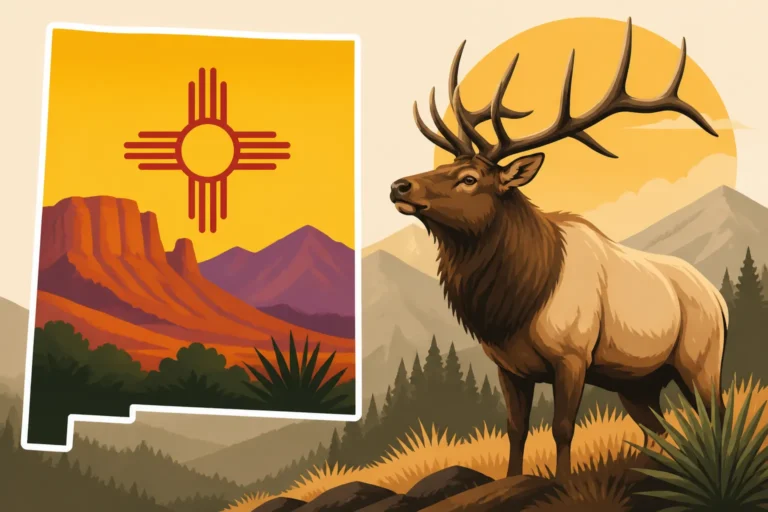
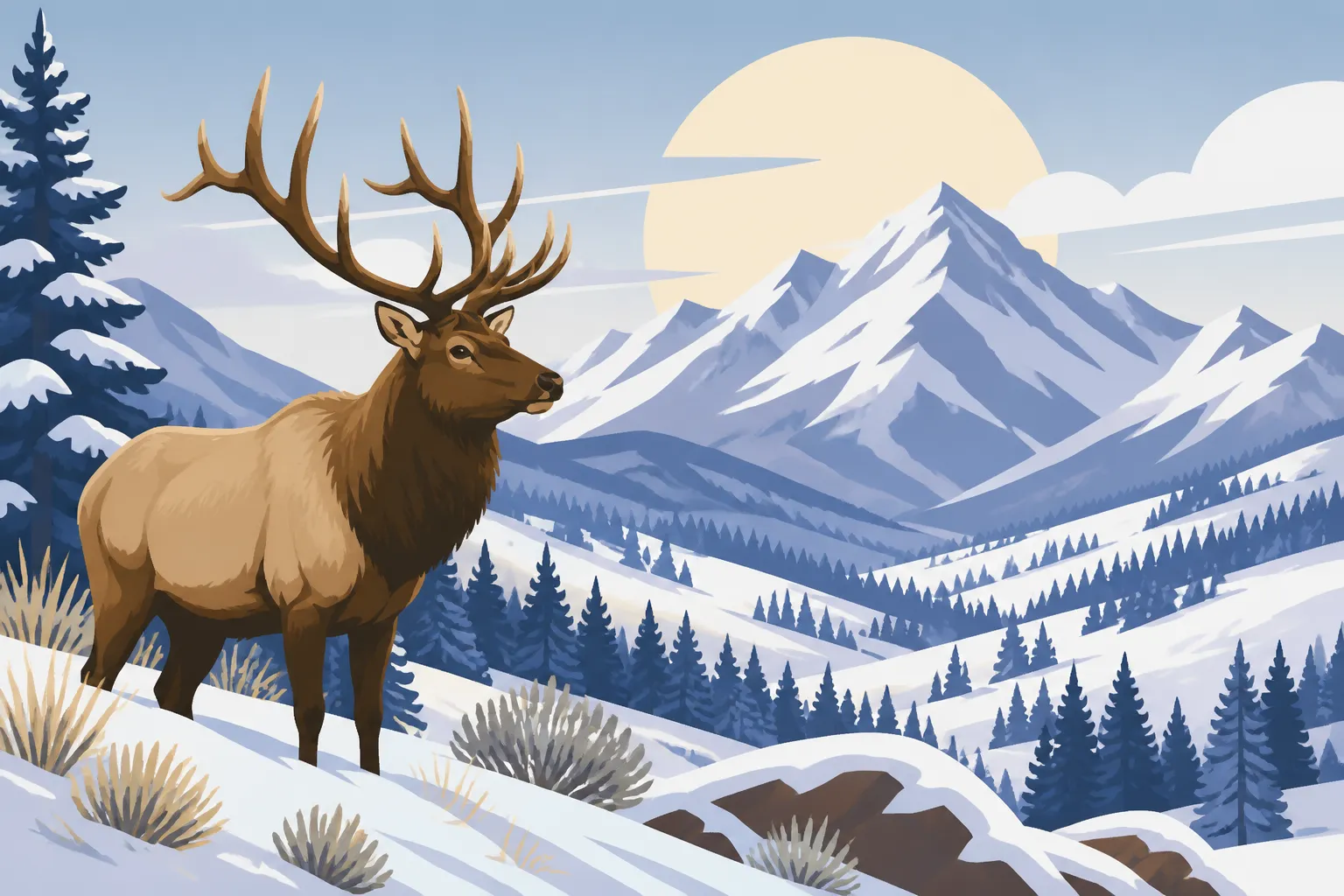
It's a familiar scenario for any hunter who loves the high country: you've spent the early season chasing elk in those beautiful, towering mountains, full of lush feed and cool timber. But then the temperatures drop, the first serious snow starts to fly, and suddenly, the elk are gone. Where do they vanish to when winter hits the high country of New Mexico? This guide is going to pull back the curtain on elk wintering habits, helping you understand their seasonal movements and pinpoint those crucial lower-elevation havens.
Understanding Elk Migration in New Mexico's High Country
Elk are survivors, and their survival in the harsh New Mexico winters hinges on their ability to adapt and move. This isn't just a casual stroll; it's a strategic, often arduous journey driven by instinct and necessity. Understanding these migrations is key to finding them when the peaks are blanketed in white.
The Driving Forces Behind the Winter Migration
Think about it from an elk's perspective. Up at 9,000 or 10,000 feet, winter can be brutal. Deep snow makes foraging nearly impossible, burying the grasses and forbs they rely on. The cold itself saps their energy, demanding more calories to stay warm, calories they can't afford to burn digging through feet of powder. So, their primary drivers for moving are quite simple: food availability and energy conservation.
They're looking for areas where snow accumulation is less severe, allowing them easier access to forage. They also seek thermal cover – dense stands of conifers or even aspen groves that can break the wind and offer some insulation from the biting cold. A south-facing slope, for instance, catches more sun, melts snow faster, and often holds more palatable browse earlier in the winter. It’s a delicate balance of survival and instinct, honed over millennia.
Typical Migration Patterns and Corridors
Elk don't just randomly wander down the mountain. They often follow established migration corridors, trails they've used for generations, passed down from cow to calf. These routes typically follow ridges, drainages, and gradual slopes that offer the easiest path to lower elevations. In areas like the Gila National Forest, these corridors might funnel elk from the high-elevation wilderness areas down into the pinyon-juniper breaks or river bottoms.
These movements aren't always a single, sudden push. Sometimes, it's a gradual descent as snow levels dictate, with elk spending time in intermediate zones before deeper snow forces them further down. Understanding these traditional routes can be like finding the hidden highways of the animal world. Knowing the specific topography of a unit can help you predict these movements; imagine how a saddle or a broad canyon might funnel animals. You can gain valuable insight by reading a unit boundary on a forest map and paying attention to elevation changes.
Key Wintering Habitats in New Mexico
When those high peaks become inaccessible, New Mexico's elk seek refuge in very specific types of terrain. These are the places to focus your scouting and hunt planning for late-season opportunities.
Lower Elevation Forests and Pinyon-Juniper Zones
As the snow pushes elk out of the true high country – think of the deep timber stands in the Carson or Santa Fe National Forests – they gravitate towards lower-elevation forests. This often means Ponderosa pine belts that transition into pinyon-juniper woodlands. The key here is less snow and more accessible browse. Pinyon-juniper offers a mix of woody browse that elk will readily consume when grasses are buried. The dense canopy of pinyons and junipers also provides excellent thermal cover, shielding them from wind and offering a bit of warmth.
These areas might not look as "elk-y" as the aspens and dark timber of summer, but they are vital winter strongholds. Look for thick patches, especially on slopes, that can provide both food and shelter. Sometimes, older burns can offer new growth that attracts elk, assuming the new growth is not too exposed. Consider How Wildfire Changes Gila Elk Habitat might create new wintering zones over time.
South-Facing Slopes and Sun-Drenched Aspens
This is absolutely critical for winter elk survival and a huge tip-off for hunters. South-facing slopes receive the most direct sunlight throughout the day, melting snow faster and exposing valuable forage sooner. These sun-drenched areas become magnets for elk, allowing them to feed without expending precious energy digging through deep snow. Even within a dense conifer forest, a south-facing aspect will be preferred.
Aspen groves, while deciduous, can also offer critical winter habitat. Their light-colored bark reflects heat, and their dense stands, particularly on sun-exposed slopes, can offer good thermal cover. The new growth from aspens can also be an important browse source. When snow is heavy, these areas can be absolute lifelines.
River Bottoms and Agricultural Interfaces
In some units, particularly where major river systems like the Rio Grande or Pecos traverse through elk country, river bottoms become significant wintering areas. The lower elevation, often richer soils, and consistent water sources can provide pockets of accessible forage. These areas often receive less snow than the surrounding uplands.
Even more intriguing, and sometimes frustrating for public land hunters, is the "agricultural interface." When winter gets really tough, elk will often drop down onto private agricultural lands, seeking out hay fields, alfalfa, or even winter wheat. These lands offer an undeniable buffet, and while they can be challenging to access for public land hunters, it's important to understand this phenomenon. It’s part of the reason some private ranches hold so many elk in winter. Knowing the general areas where elk might cross onto private land from adjacent public ground can inform your strategy, even if you’re strictly hunting public land.
Here’s a quick overview of how environmental factors influence elk movement to winter range:
| Factor | Impact on Elk Movement | Desired Winter Range Characteristic |
|---|---|---|
| Snow Depth | Drives elk to lower elevations; restricts foraging. | Areas with shallower snow accumulation. |
| Forage Access | Forces elk to seek exposed food sources. | Exposed grasses, woody browse, south-facing slopes. |
| Thermal Cover | Seeking shelter from wind and extreme cold. | Dense conifer stands, thick pinyon-juniper. |
| Energy Needs | Reduces energy expenditure for movement and foraging. | Easier travel, readily available high-calorie foods. |
| Predator Pressure | Can influence specific routes or hiding spots. | Dense cover, strategic vantage points. |
How Wintering Habits Impact Your Hunt Planning
Understanding where elk go when the snow flies isn't just academic; it's a practical blueprint for successful late-season hunting. If you want to punch a tag when others are home by the fire, you need to think like a winter elk.
Scouting for Winter Concentration Areas
Your summer scouting might focus on wallows and rutting grounds, but winter scouting demands a different eye. Start by looking at topo maps and satellite imagery (tools like GoHunt mapping applications are excellent for this) to identify potential south-facing slopes, lower-elevation pinyon-juniper thickets, and drainage systems that could funnel animals down. Look for areas where dark timber meets more open, sunny slopes.
When you're actually boots-on-the-ground, search for concentrated sign: tracks in snow or mud, fresh droppings, heavily browsed areas, and rubs on smaller trees. These tell-tale signs, particularly in areas receiving less hunting pressure, are your golden ticket. Think about how E-Scouting a New Mexico Unit Before the Season can help you narrow down these potential areas from your couch, saving valuable field time. Don't forget to look for water sources, even in winter, as they can still be magnets, especially if other sources freeze over.
Applying for Late Season Hunts in Wintering Units
Knowing about wintering habits is incredibly useful when you're looking at hunt codes and planning your application strategy. New Mexico offers various rifle and muzzleloader seasons that extend into late fall and early winter. While the early archery seasons often target the rut, these later hunts are often focused on post-rut, winter-range animals.
When you're pouring over the GoHunt draw odds data or the New Mexico Game and Fish hunt roster, look for units with specific late-season dates, especially those known for having significant public land winter range. For example, some units might have a late November or December muzzleloader hunt, or an any legal weapon hunt that falls right when elk are consolidated on their lower-elevation winter grounds. If you're lucky enough to draw one of these tags, you'll be targeting elk that are likely bunched up, making locating them potentially easier, though they'll also be warier and likely in thicker cover. Understanding New Mexico Elk Season Structure by Unit is crucial here.
Resources for Locating Winter Elk
Finding winter elk requires a blend of digital tools, physical scouting, and tapping into collective knowledge. It’s about being prepared and using every available resource.
Topographic Maps and Satellite Imagery
Your digital mapping applications are your best friends for identifying winter range. Load up your unit and start searching for those south-facing slopes that transition from high-elevation dark timber to lower-elevation pinyon-juniper or Ponderosa. Look for pockets of dense cover that would offer thermal protection. River bottoms and major drainages are also easily identifiable.
Satellite imagery, especially during the off-season, can reveal game trails that become highways in winter. You can often pick out areas with less snow accumulation, or those patches of dark timber that stand out from the surrounding terrain. Overlaying land ownership layers is also critical, as elk often seek the path of least resistance, which sometimes leads to private holdings. If you're thinking about applying for a tag, spend time truly understanding the lay of the land; Reading a New Mexico Hunt Code Before You Apply isn't just about dates, it's about understanding the geography that code encompasses.
Game and Fish Reports and Local Knowledge
The New Mexico Department of Game and Fish (NMDGF) often publishes invaluable data, sometimes in the form of annual harvest reports or specific winter range surveys. While direct "go here for elk" maps aren't typically published, looking at areas with consistent late-season harvest success can point you towards general wintering areas. Sometimes, these reports will even mention general elevation bands where animals were taken. Keep an eye out for news about Reading a New Mexico Winter Range Report if the department releases them.
Don't underestimate the power of local knowledge. Chatting with ranchers (always respectfully, of course), forest service employees, or even veteran hunters at the local diner can provide incredible insights. They've seen these patterns play out year after year. They might know which specific drainages "always hold elk" after the first big snow, or which private parcels attract elk from public ground. Local knowledge can fill in the gaps that even the best digital maps might miss, offering that real-world, ground-level perspective that turns a good plan into a great one. While specific details may be hard to come by, even general directional insights can be invaluable when you’re planning a hunt in an unfamiliar unit.
Disclaimer
This article is for general informational purposes only and does not constitute professional advice. Laws, prices and regulations vary by location and change over time. Consult a qualified professional for guidance on your specific situation.