When the New Mexico Dove Opener Falls
It can feel like a guessing game sometimes, trying to pinpoint the exact moment dove season kicks off in New Mexico. Many hunters, myself included, have been caught off guard, scrambling to check the regulations or missing out on prime opening day action because the dates can shift. This guide aims to clear up that confusion, diving deep into when and why the New Mexico dove opener falls where it does, so you can be ready when those fast-flying birds arrive.
Understanding the Federal Framework for Dove Seasons
Unlike many big game seasons that are set entirely at the state level, dove seasons in New Mexico, much like other migratory birds, operate under a unique dual-governance system. This means that while the New Mexico Department of Game and Fish sets the specific dates you see in your hunting proclamation, those dates must first fit within a broader framework established by the federal government. It's a bit like building a house – the feds provide the foundation and the outer walls, and the state gets to design the interior layout within those limits. This system is crucial for managing migratory bird populations that cross state and international borders.
The Migratory Bird Treaty Act and its Impact
The foundation for all migratory bird hunting regulations in the United States, including doves, is the Migratory Bird Treaty Act (MBTA). This landmark legislation, originally enacted in 1918, protects migratory bird species by regulating their taking, possession, and transport. It ensures that conservation efforts are coordinated across the entire migratory range of these birds, often involving agreements with Canada and Mexico.
What this means for the New Mexico dove opener is that the U.S. Fish and Wildlife Service (USFWS) first establishes "frameworks" for season lengths, bag limits, and shooting hours for migratory game birds. These frameworks are based on extensive biological data, population surveys, and habitat assessments. For doves, the USFWS divides the country into management units – Eastern, Central, and Western – with New Mexico typically falling into the Western Management Unit. Within these broad federal guidelines, states are then given the flexibility to select their specific hunting dates. This ensures a consistent, scientifically-backed approach to managing species like mourning doves and white-winged doves that might spend their summers nesting in New Mexico, only to migrate south into Mexico for the winter. This layered approach can sometimes make pinning down exact dates tricky if you're just looking at a local calendar, as the state waits for the federal blessing before finalizing its own schedule.
How States Adopt Federal Guidelines
Once the U.S. Fish and Wildlife Service publishes its annual frameworks, each state wildlife agency, like the New Mexico Department of Game and Fish, then steps in to select its specific hunting dates, bag limits, and other regulations for the upcoming season. They have a certain amount of flexibility, but they must stay within the federal parameters. For example, the federal framework might allow for a total of 70 days of dove hunting between September 1st and January 15th, with a daily bag limit of 15 birds. New Mexico then decides how to slice and dice those 70 days, perhaps opting for an early September opener, then a later split season in October, or running a continuous season depending on local conditions, population trends, and hunter interest.
This process involves a lot of deliberation, public input, and coordination with biologists. The state needs to consider local bird populations, historical migration patterns, and weather conditions that might affect dove behavior. They also look at how many days hunters want in the field and how that impacts overall harvest. This is why you'll see a slightly different set of dates each year, or sometimes a slight adjustment to the bag limit or shooting hours. It's not arbitrary; it's a careful balance between providing hunting opportunities and ensuring the long-term health of the dove populations. Keeping an eye on these annual regulations as they are published is key. Many dedicated hunters use online tools, like the comprehensive resources found on platforms such as GoHunt, to track these yearly changes and announcements.
The Typical New Mexico Dove Opener and Why It Matters
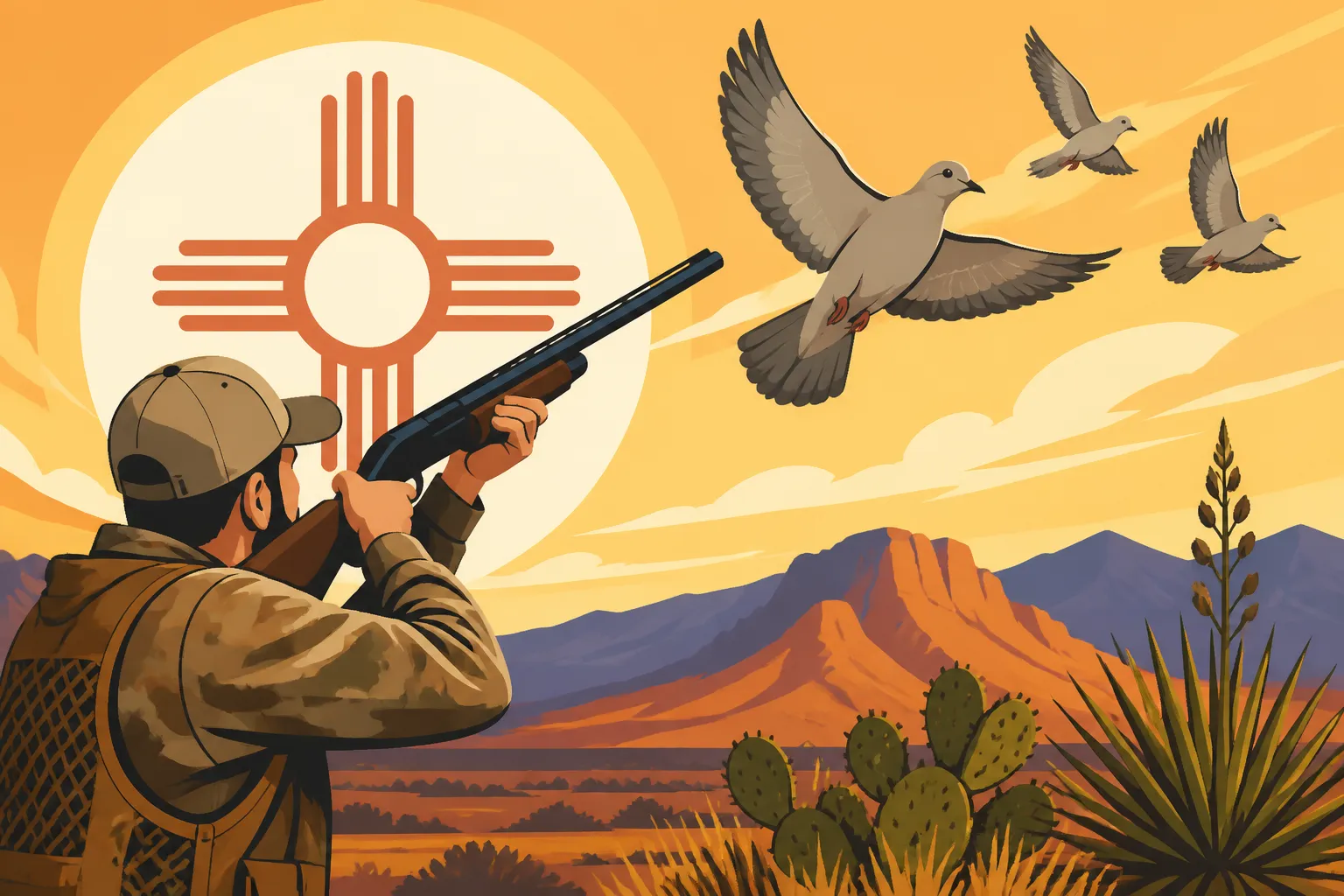
When you talk about the New Mexico dove opener, you're almost always talking about the first day of September. This is a tradition that many hunters across the state look forward to, marking the unofficial start of the fall hunting season. That first push of doves, often found near water sources or agricultural fields, brings with it a unique challenge and excitement that captures the attention of wingshooters. While the exact date can shift by a day or two depending on how the calendar falls, you can generally mark your calendar for the first week of September with a high degree of confidence.
Mourning Dove vs. White-Winged Dove Season Structure
New Mexico is home to both mourning doves and white-winged doves, and while their seasons often overlap, there can be subtle differences in how they are managed. Mourning doves are far more widespread and abundant, found across diverse habitats from the high mountains to the low deserts. White-winged doves, on the other hand, tend to be more concentrated in the southern, warmer parts of the state, particularly in agricultural areas and river corridors like the Rio Grande Valley.
Typically, the general dove season, which includes mourning doves, white-winged doves, and Eurasian collared-doves (which have no closed season or bag limit), opens on or around September 1st. However, sometimes New Mexico might implement a special white-winged dove season with different dates or a different bag limit, especially in specific units where their populations are strong. For most hunters, this means the September 1st opener is generally for all legal dove species. It's always a good idea to refresh your memory on Telling a White-Winged Dove From a Mourning Dove before heading out, as proper identification is key to adhering to bag limits. The specific regulations for each species are clearly outlined in the annual New Mexico Hunting Rules and Info booklet, which you can usually find online well before the season.
Early Season Warmth and Bird Behavior
One of the defining characteristics of New Mexico's September dove opener is the heat. Early September in much of the state, especially in the southern and central units, can still feel like the peak of summer. Daytime temperatures can easily soar into the 90s or even triple digits, posing significant challenges for hunters and influencing bird behavior. Doves are highly sensitive to temperature and will often concentrate their feeding activity in the cooler morning and late afternoon hours, seeking shade and water during the oppressive midday heat.
This intense warmth significantly impacts how you should plan your hunt. Early morning shoots, right at legal shooting light, are often the most productive as birds leave their roosts to feed and water. Similarly, the last hour or two before sunset can see a flurry of activity. Midday hunting can be slow and physically draining, both for you and your hunting dog if you bring one. It’s imperative to prioritize hydration and sun protection, and ensure you have plenty of Water You Must Carry on a Desert Day Hunt. The heat also affects how long a harvested bird can be left in the field, so quick retrieval and proper cooling are essential. Hunters frequently scout fields with reliable water sources, such as stock tanks or irrigation ditches, knowing that birds will gravitate toward them in the heat.
Preparing for the Opener: What to Expect and Plan
The New Mexico dove opener isn't just about showing up with a shotgun; it's about preparation, adaptation, and respecting the unique conditions of hunting in the high desert. From scouting your spots to managing the heat, a successful dove hunt requires more than just good shooting. It demands understanding your quarry and the environment.
Scouting and Finding Productive Areas
Successful dove hunting hinges on effective scouting. Doves are creatures of habit, often flying predictable patterns between roosting areas, feeding grounds, and water sources. To find the best spots for the opener, you'll want to focus on areas that offer these three essentials. Agricultural fields, particularly those with harvested crops like sunflowers, milo, or wheat, are magnets for doves. These fields provide abundant food sources. Similarly, areas with native seed-producing plants, especially those along washes or near water, can also be incredibly productive.
A few days before the season, take some time to drive or walk potential areas, observing flight paths and concentrations of birds. Pay attention to fence lines, dead trees, and power lines, as doves often use these as staging areas or perches. Water sources, like stock tanks, ponds, or even irrigation canals, become absolutely critical during the warm early season. A good tip is to watch where birds are flying into and out of at dawn and dusk. This reconnaissance will help you position yourself for the best shooting opportunities. Remember, good scouting isn't just about finding birds; it's about understanding their daily routine in that specific landscape. Many hunters even use detailed mapping apps, sometimes with layers from services like GoHunt, to identify potential feed and water sources from home before hitting the road.
Gear, Water, and Heat Considerations
When the New Mexico dove opener falls, especially in September, the weather is often still brutally hot. This means your gear list needs to be tailored for comfort and safety in high temperatures. Lightweight, breathable clothing in camouflage or drab colors is a must. A wide-brimmed hat, sunglasses, and plenty of sunscreen will protect you from the intense New Mexico sun. Comfortable, broken-in boots are also important, as you might do more walking than you expect, even for a static dove hunt.
Beyond clothing, think about hydration. Carrying ample water is non-negotiable. Plan for more than you think you'll need, especially if you're out for a full morning or afternoon. Electrolyte-rich drinks can also be beneficial to ward off heat exhaustion. A cooler with ice for both your drinks and your harvested birds is essential for preserving the meat. Doves spoil quickly in the heat. Consider a small, portable seat or stool, as waiting for doves can be tiresome, and standing in the sun is rarely pleasant. And, of course, a good shotgun, plenty of shells (doves are fast!), and appropriate eye and ear protection are fundamental. For more detailed advice on handling the heat, check out Heat Management on an Early Season Hunt. And always remember to consult the rules on Baiting and Trail Camera Rules in New Mexico to ensure you're hunting legally.
| Season Aspect | Mourning Dove | White-Winged Dove | Eurasian Collared-Dove |
|---|---|---|---|
| Typical Opener | Around September 1st | Around September 1st (often overlaps) | No closed season (year-round) |
| Season Duration | Set by state within federal framework (e.g., 70 days) | Set by state within federal framework | No bag or possession limit |
| Daily Bag Limit | Typically 15 (aggregate with white-winged) | Typically 15 (aggregate with mourning) | No bag or possession limit |
| Primary Habitat | Widespread: deserts, grasslands, forests | Southern New Mexico, agricultural areas, river corridors | Widespread, often urban/suburban, encroaching on wild areas |
| Conservation Status | Migratory Game Bird (Federal Protection) | Migratory Game Bird (Federal Protection) | Invasive Species (no federal protection) |
Where to Find the Official Dates Each Year
The New Mexico Department of Game and Fish is your ultimate source for the official dove season dates. While other resources can provide helpful insights and summaries, the agency's publications are the legally binding documents you need to consult before heading afield. Relying on outdated information or rumors can lead to unintentional violations, which is the last thing any responsible hunter wants.
Navigating the New Mexico Game and Fish Website
The New Mexico Department of Game and Fish (NMDGF) website is the primary and most authoritative source for all hunting regulations, including the annual dove season dates. Each year, typically in the late spring or early summer, the department publishes its "Rules and Info" booklet. This comprehensive guide outlines season dates, bag limits, licensing requirements, and specific rules for every game species in the state.
To find the dove opener, you'll want to navigate to the "Hunting" section of their website, then look for "Regulations & Rules" or "Current Proclamation." The booklet is usually available as a downloadable PDF, making it easy to save to your phone or print out for quick reference in the field. Within the booklet, look for the "Migratory Game Birds" section, and you'll find the specific dates for mourning and white-winged doves. It's crucial to check this annually, as dates and specific regulations can change based on federal frameworks and state biological assessments. For a deeper dive into understanding these documents, consider Reading the New Mexico Rules and Info Booklet.
Other Reliable Sources for Season Information
While the NMDGF website is the official word, other reliable sources can help you stay informed and even provide valuable tools for planning your hunt. Online hunting platforms and outdoor news sites often publish articles summarizing the upcoming seasons, highlighting key dates and any significant changes. These can be great for a quick overview or for understanding the broader context of the regulations.
Dedicated hunting applications and mapping services also play a crucial role. Many of these platforms integrate state regulation data directly into their systems, allowing you to check season dates and specific unit rules right on your phone in the field. Services like GoHunt often provide detailed insights and alerts on season changes, making them incredibly useful for staying current. However, always remember that these third-party resources, while highly convenient, should ideally be cross-referenced with the official NMDGF publications to ensure complete accuracy. Local sporting goods stores or licensed vendors for hunting licenses can also be good spots to pick up a physical copy of the proclamation or ask questions about the upcoming season. Just be sure to verify their information against the official source. Knowing New Mexico Legal Shooting Hours for Big Game is also vital, and those details are always included in the official proclamations.
Disclaimer
This article is for general informational purposes only and does not constitute professional advice. Laws, prices and regulations vary by location and change over time. Consult a qualified professional for guidance on your specific situation.