New Mexico Quail Bag Limits by Species
Hunting quail in New Mexico is a fantastic experience, full of fast-paced action and beautiful desert scenery, but honestly, trying to figure out the exact bag limits can feel like trying to hit a covey flush with a single shot. With different species, overlapping seasons, and the constant need to double-check regulations, it's easy to get confused about how many birds you can actually take home. This guide is here to untangle all that, helping you understand the specific quail bag limits by species in New Mexico so you can hunt confidently and ethically.
Understanding New Mexico's Quail Species
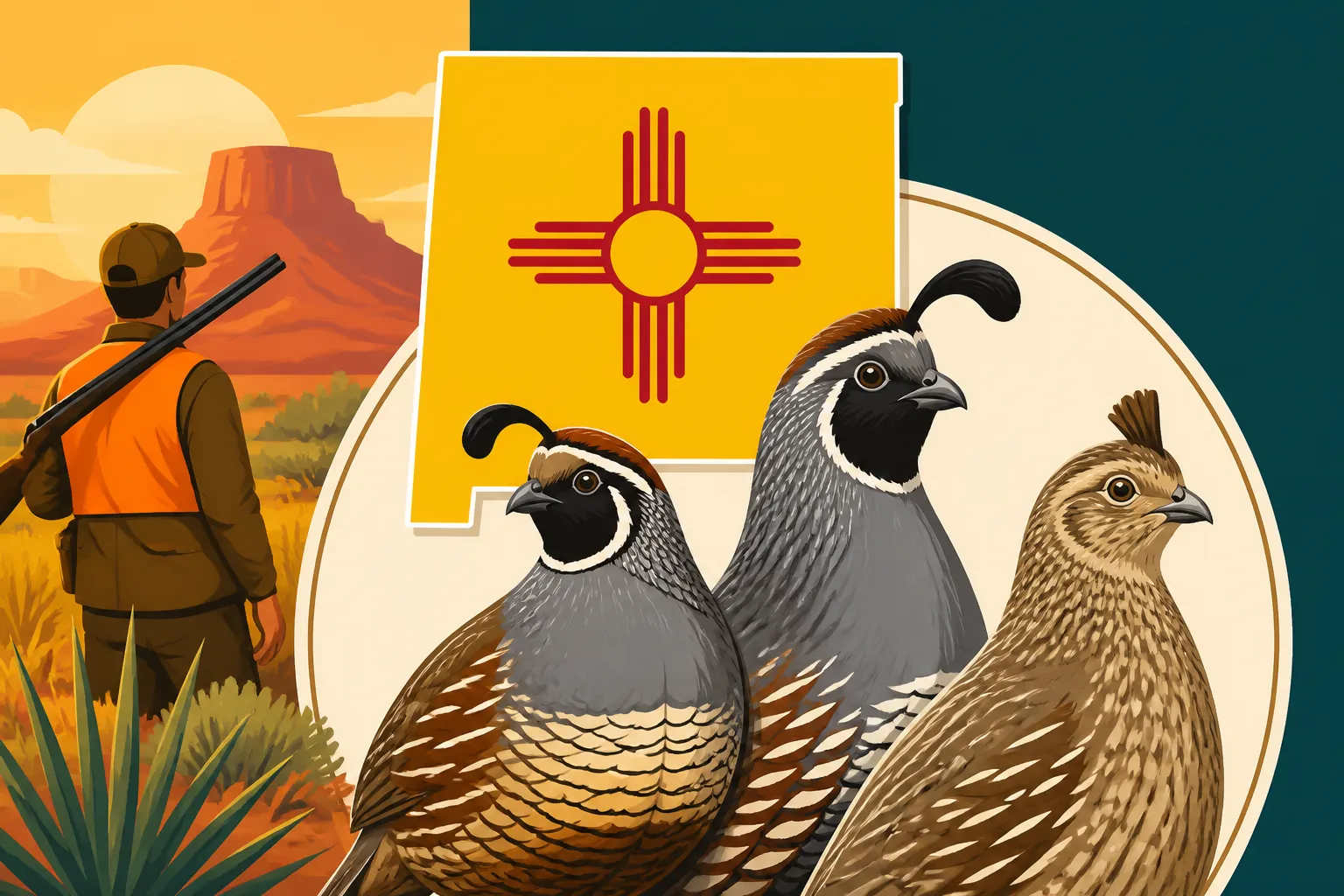
New Mexico is a diverse state, and that applies to our quail, too! We're lucky enough to have a few distinct species, each with their own quirks and preferred habitats. Knowing which quail you're chasing can make a huge difference in your hunting strategy and, of course, in accurately tracking your bag.
Scaled Quail: The "Blue Quail" of the Desert
Also affectionately known as "blue quail" for their distinctive bluish-gray plumage, scaled quail are perhaps the most common and widespread quail species across New Mexico's lower elevations. You'll find them in open grasslands, mesas, and desert flats, often in areas with sparse brush like creosote, mesquite, and cholla cactus. These birds are notorious for their tendency to run rather than fly, especially when pressured. They'll often scoot along the ground in small, tight coveys, making it a real challenge for a dog to pin them down, and for a hunter to get a shot off before they disappear into the next clump of cover.
Their calls are quite unique too, often described as a chugging "pe-cos, pe-cos" sound, which can carry a fair distance in the still desert air. Hunting scaled quail often involves a lot of walking, covering vast tracts of country, and being ready for a sudden, explosive flush when they finally decide to take to the air. You might find them close to agricultural fields or near ephemeral water sources after a rain. Where to Find Scaled Quail in New Mexico provides a deeper dive into their preferred zones.
Gambel's Quail: The Desert's Dashing Runner
The Gambel's quail, with its jaunty topknot and striking rusty flanks, is another iconic desert bird, though generally found in slightly different habitats than the scaled quail. These beauties prefer the dense, thorny thickets of washes, canyons, and riparian areas, especially those choked with tamarisk, palo verde, and catclaw acacia. They are, without a doubt, the undisputed champions of running through thick cover. A Gambel's covey will often explode from underfoot with a whir of wings, only to pitch into a thorny labyrinth where they vanish instantly.
Their call is a distinctive, ringing "chi-CA-go, chi-CA-go" or "quit-quit-quit" that alerts you to their presence long before you see them. Hunting Gambel's often means navigating some seriously tough terrain, pushing through dense brush, and being quick on the draw when they decide to flush. They are incredibly wary birds, and if you don't have a fast, hard-working dog, you'll spend a lot of time watching them disappear around the next bend. For more detailed strategies on pursuing these quick birds, check out Hunting Gambel's Quail in New Mexico Desert.
Bobwhite Quail: Eastern Plains Gentlemen
While not as widespread as their scaled and Gambel's cousins, the Northern Bobwhite quail holds a special place in the hearts of hunters, primarily found on New Mexico's eastern plains. These are the classic "gentlemen" of the quail world, known for their distinctive "bob-white!" whistle and their tendency to hold tight for a dog, offering that quintessential covey rise that dreams are made of. You'll find them in native grasslands, brushy draws, and agricultural edges, areas that provide a mix of cover, food, and roosting spots.
Their numbers can fluctuate quite a bit depending on rainfall and habitat conditions, but when you find them, the hunting can be absolutely incredible. Unlike the desert runners, bobwhites are more prone to hunkering down in thick cover, relying on camouflage until a dog is practically on top of them. This makes for exciting, close-quarters shooting. Bobwhite on New Mexico Grassland explores their specific range and habitat preferences in the state, offering insights into where to seek out these traditional game birds.
Deciphering Daily and Possession Limits for Quail
Now that we know our players, let's talk about the rules of the game. Understanding bag limits is paramount for ethical and legal hunting. New Mexico's regulations are designed to ensure sustainable populations for future generations of hunters. It's not just about what you can shoot in a day, but also how many you can possess after several days in the field.
The General Daily Bag Limit Across Species
For quail in New Mexico, the daily bag limit is a combined total for all species. This means that whether you're hunting scaled, Gambel's, or bobwhite quail – or a mix of all three – the total number of birds you harvest in a single calendar day cannot exceed a specific number. This isn't a limit per species; it's an aggregate limit.
So, if the daily limit is, for example, 15 quail, you could theoretically shoot 15 scaled quail, or 10 scaled and 5 Gambel's, or any combination thereof, as long as the total doesn't go over 15. This combined limit simplifies things for hunters who might encounter multiple species in a single outing, but it also means you need to be diligent in counting your birds, especially if you're crossing different types of habitat. Always verify the current regulations in the official rulebook, which you can read about in Reading the New Mexico Rules and Info Booklet.
The Possession Limit: What You Can Take Home
Beyond the daily bag, there's also a possession limit, which dictates the maximum number of birds you can have in your possession at any given time. This includes birds in your cooler, your vehicle, or back at camp. Typically, the possession limit for most migratory and upland game birds is twice the daily bag limit. This allows multi-day hunters to accumulate birds over several days.
For example, if the daily limit is 15 quail, the possession limit might be 30. This means you could hunt on Saturday, bag 15 birds, and then hunt again on Sunday and bag another 15 birds, bringing your total to 30. However, once you reach that possession limit, you cannot harvest any more birds until some of your possessed birds are consumed, given away (within legal limits), or otherwise legally disposed of. This is crucial for hunters spending an entire weekend or longer afield. Always remember to keep your harvested birds identifiable, especially if you're mixing species. Properly field dressing and labeling your game can prevent headaches down the road. This rule applies whether you're staying in a lodge or camping out under the stars.
Here's a quick summary of typical New Mexico quail limits:
| Quail Species | Daily Bag Limit (Combined) | Possession Limit (Combined) |
|---|---|---|
| Scaled Quail | 15 | 30 |
| Gambel's Quail | 15 | 30 |
| Bobwhite Quail | 15 | 30 |
| Total Quail | 15 (All species) | 30 (All species) |
Note: These numbers are illustrative. Always check the current New Mexico Department of Game and Fish regulations for precise, up-to-date limits, as they can be subject to change based on population surveys and environmental factors.
Nuances and Regulations Beyond the Numbers
Bag limits are just one piece of the puzzle. There are other critical regulations and ethical considerations you need to be aware of to ensure a lawful and responsible quail hunt in New Mexico. Hunting is a privilege, and understanding these nuances helps preserve it.
Season Dates and Unit-Specific Rules
While the bag and possession limits for quail are generally consistent statewide for open seasons, the actual season dates can vary slightly, and it's imperative to know when and where you can legally hunt. Quail seasons typically run for several months, often starting in the fall and extending into winter. However, certain units or specific land types might have different opening or closing dates, or even specific restrictions. For instance, some state wildlife management areas might have shorter seasons or different access rules.
Before you ever head out, make it a habit to consult the latest New Mexico Department of Game and Fish hunting proclamation. This document is your bible for all hunting regulations, including When New Mexico Quail Season Opens for specific dates. Don't rely on old information or hearsay; regulations are subject to change. Tools like GoHunt can be invaluable here, offering updated regulation summaries and unit information at your fingertips, helping you plan your trip effectively.
Ethical Considerations and Conservation
Beyond simply staying within the legal limits, ethical hunting means practicing good sportsmanship and contributing to conservation. This includes retrieving every bird you shoot, even if it falls into dense cover. Wounded game should always be pursued diligently. It's also about respecting the land, whether it's public or private, and ensuring you leave no trace behind. Water Sources and Ethics in Desert Hunting highlights important considerations for maintaining our shared outdoor spaces.
Conservation isn't just a buzzword; it's the foundation of hunting. Hunters are the primary funders of wildlife conservation efforts. By adhering to bag limits and practicing ethical hunting, we help maintain healthy quail populations. Understanding factors like How Drought Affects Desert Deer Numbers can give you a broader perspective on the challenges wildlife face and how responsible hunting plays a part in management. Always be mindful of the impact you have on the landscape and its inhabitants.
How to Stay Up-to-Date on Regulations
The hunting landscape, much like the New Mexico desert, is constantly evolving. Regulations can change from year to year based on wildlife surveys, population health, and legislative adjustments. The best way to ensure you're always operating within the law is to go straight to the source. The official New Mexico Department of Game and Fish website is the ultimate authority. They publish the annual hunting and fishing proclamations well in advance of the seasons.
Consider subscribing to their email newsletters for important updates or emergency rule changes. Many hunters also find immense value in platforms like GoHunt, which aggregate and interpret regulations, often highlighting key changes that might affect your hunt plan. Never assume that because a rule was in place last year, it's the same this year. A quick check can save you a lot of grief and ensure your hunting adventure is always above board.
Practical Tips for a Successful Quail Hunt
Knowing the limits is essential, but actually finding and harvesting those quail requires skill, preparation, and a bit of luck. Here are a few practical tips to help you fill your bag within the legal limits and enjoy your time in the New Mexico wilds.
Gear and Dog Considerations
Quail hunting is often a game of speed and agility, both for the birds and the hunters. A lightweight shotgun, typically a 20-gauge or 28-gauge, loaded with smaller shot sizes (like 7.5 or 8) is usually ideal for these fast-flushing birds. You'll be doing a lot of walking, so comfortable, sturdy boots are a must, especially in the often-rocky and uneven desert terrain.
Perhaps no other upland hunting experience relies as heavily on a good bird dog as quail hunting, particularly for Gambel's and scaled quail, which love to run. A well-trained pointing or flushing dog can make all the difference, helping you locate coveys and retrieve downed birds from thick cover. Keep your dog's safety in mind too; the desert can be hot, and snakes are a real concern. Always carry plenty of water for both yourself and your canine companion, and be aware of Heat Management on an Early Season Hunt.
Locating Quail Hotspots
Each quail species has its preferred haunts, but generally, quail are looking for a combination of food, water, and cover. For scaled quail, focus on open grasslands, arid mesas, and washes with sparse cover, especially near agricultural fields or recent burns that have promoted new growth. Gambel's quail will be tucked into those dense, thorny drainages, riparian areas, and mesquite thickets – anywhere they can quickly disappear. Bobwhites, if you're lucky enough to find them, will be in the denser grass and brush country of the eastern plains.
Using onX Hunt or other mapping applications to scout satellite imagery can help identify promising habitat before you ever step foot in the field. Look for topographical features like draws, benches, and changes in vegetation density. Don't forget that water is life in the desert; areas near windmills, stock tanks, or even ephemeral puddles after a rain can be magnets for quail. Remember to understand the rules around Hunting Over a Stock Tank Legally if you plan to target such areas.
Maximizing Your Opportunities
Quail hunting isn't typically a sit-and-wait game; it's about covering ground and actively seeking out birds. For scaled and Gambel's, walk slowly and deliberately, especially with a dog, through likely cover. Be ready for sudden flushes. When a covey flushes, try to mark where the birds land – they often scatter and will hold tighter as singles or small groups, offering follow-up opportunities. Breaking up a covey can be key to increasing your bag.
Always pay attention to the time of day. Quail are often most active in the early mornings and late afternoons, moving between feeding and roosting areas. Midday can be slower, especially on hot days, but they might be found resting in thick shade. Be mindful of Legal Shooting Hours and Blaze Orange in New Mexico to ensure you're hunting within legal times. Persistence is vital; sometimes you have to walk miles to find one covey, and other times they'll be stacked up. That's just the nature of quail hunting in New Mexico – an exhilarating challenge every time you head out! For a broader overview of hunting various small game, consider New Mexico Small Game Seasons at a Glance.
Disclaimer
This article is for general informational purposes only and does not constitute professional advice. Laws, prices and regulations vary by location and change over time. Consult a qualified professional for guidance on your specific situation.