New Mexico Small Game Seasons at a Glance
Keeping tabs on all the various small game seasons in New Mexico can feel like trying to herd cats – just when you think you have one species figured out, another one's season is opening or closing, and the rules shift. It’s enough to make any hunter’s head spin! This guide is here to untangle that knot, offering a clear, comprehensive look at New Mexico’s small game seasons, so you can plan your hunts with confidence and spend less time scratching your head over regulations.
Decoding New Mexico's Quail Seasons
New Mexico is a fantastic place for quail hunting, offering diverse landscapes that host several species. But what makes it a bit tricky for newcomers (and sometimes even seasoned hunters) is that the birds are often found in different habitats, and their populations can fluctuate wildly depending on annual rainfall. Understanding the nuances of each species' preferred terrain and the general season structure is key to a successful hunt.
Gambel's and Scaled Quail: Desert Dwellers
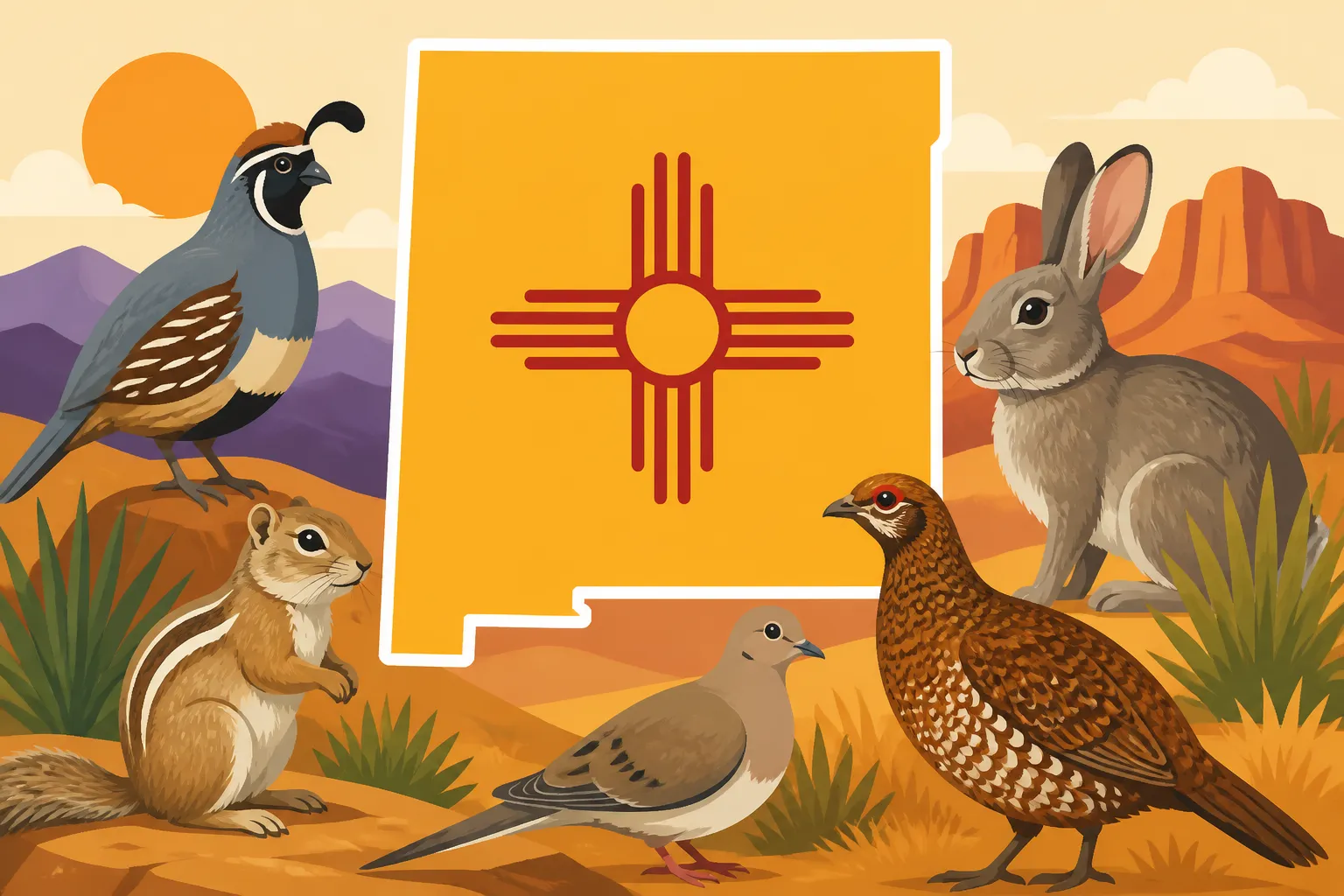
When you picture quail hunting in New Mexico, chances are you're thinking about Gambel's or Scaled quail, often affectionately called "cotton tops" for their distinctive head plumes. These birds are the backbone of desert small game hunting here, thriving in the rugged, arid and semi-arid regions of the state. Gambel's quail tend to favor riparian areas, washes, and thorny brush where they can find cover and food, particularly in the southern and western parts of New Mexico. You'll often find them busting from thick mesquite or hackberry bushes, sending a covey scattering in every direction. Scaled quail, on the other hand, prefer more open, grassy plains with scattered cholla cactus and creosote brush. They're common on the eastern plains and throughout much of the southern desert units, often running rather than flying, which can make for a frustrating but rewarding chase.
The season for these desert dynamos typically kicks off in early November and can run all the way through to mid-February, giving hunters a generous window to pursue them. This long season allows for flexibility, letting you target different areas as weather patterns change or as you discover new coveys. Imagine a crisp November morning, the desert still cool from the night, and the sudden explosive flush of a scaled quail covey from under your feet near Las Cruces. Or a December afternoon in the Gila, working through a dry wash, anticipating the whistle of Gambel's. The daily bag limit for these combined species (Gambel's, Scaled, and Bobwhite) is usually set at a healthy 15 birds per day, with a possession limit of 30, which allows for some serious bird hunting action. You can check the "New Mexico Quail Bag Limits by Species" to stay current with the exact numbers, as they sometimes see minor adjustments.
Bobwhite Quail: Eastern Plains Favorites
While Gambel's and Scaled quail steal a lot of the spotlight, don't overlook the opportunities for Bobwhite quail on New Mexico's eastern plains. These classic upland birds are more commonly associated with the brushy grasslands and agricultural edges of states like Oklahoma or Texas, but New Mexico has a respectable population, particularly in the southeastern counties. Here, they thrive in areas with good cover like shinnery oak, plum thickets, and tall native grasses, often near croplands that provide ample food sources. Hunting Bobwhites is a different experience than chasing their desert cousins; they tend to hold tighter for dogs and prefer to fly rather than run, offering those classic wing-shooting opportunities that many upland hunters cherish.
The Bobwhite season generally aligns with that of the Gambel's and Scaled quail, typically starting in November and extending into February. This makes it possible to combine a hunt for Bobwhites with a trip for other quail species if you're willing to cover some ground. A hunter might spend a few days in the southeastern units near Roswell or Clovis, working prime Bobwhite habitat, then pivot west to chase Scaled quail in the more arid zones. The bag limits are shared across all quail species, so that same 15-bird daily limit and 30-bird possession limit applies. This consistency simplifies things a bit, but it’s still crucial to confirm the season's "When New Mexico Quail Season Opens" for any given year, as opening and closing dates can shift slightly based on the New Mexico Department of Game and Fish (NMDGF) annual proclamation. Planning a mixed-bag hunt for multiple quail species can be an incredibly rewarding experience, offering a true taste of New Mexico's diverse small game hunting.
Season Structure and Daily Bag Limits
New Mexico's quail seasons are generally quite generous, giving hunters ample opportunity to get out into the field. The overarching structure typically sees the season for all species—Gambel's, Scaled, and Bobwhite—open around early to mid-November and close in mid-February. This consistent timeframe across the state for all quail species is a real benefit, eliminating the need to track separate dates for different birds. It allows you to focus on the type of terrain and bird behavior you prefer, or even pursue a "grand slam" of New Mexico quail if you're ambitious enough to travel between habitats.
As we discussed, the combined daily bag limit for all quail species is usually 15 birds, with a possession limit of 30. This means on any given day, you can harvest up to 15 quail, regardless of whether they are Gambel's, Scaled, or Bobwhite. The possession limit dictates the maximum number of quail you can have in your possession at any one time, whether in the field, camp, or your freezer at home. Always remember to check the current year's hunting proclamation for the most accurate and up-to-date regulations. Sometimes, specific units might have special restrictions or even closures if populations are struggling due to drought or other environmental factors. Tools like GoHunt can be invaluable for cross-referencing these details, making sure you're always hunting legally and ethically. It's also important to remember the ethical aspects of small game hunting, ensuring that you're only taking what you'll use and leaving plenty for future seasons.
Navigating New Mexico's Dove Seasons
Dove hunting is a time-honored tradition in New Mexico, often marking the unofficial start of the fall hunting season. The fast-flying birds offer challenging wing-shooting opportunities and provide fantastic table fare. However, with multiple species and sometimes split seasons, it's easy to get confused. Let’s break down the most popular dove species and their typical season structures.
Mourning and White-Winged Dove Seasons
Mourning doves are ubiquitous across New Mexico, found in nearly every habitat type, from high desert to agricultural fields and suburban fringes. They are the most common dove species hunted and are known for their swift, erratic flight patterns that test even the most experienced shotgunners. White-winged doves are more concentrated in the southern and western parts of the state, often favoring riparian corridors, mesquite bosques, and agricultural areas, especially those with sunflower or milo fields. They are generally a bit larger than mourning doves and have distinctive white patches on their wings, which are quite visible in flight.
The season for both Mourning and White-winged doves usually opens on September 1st, a date many hunters eagerly anticipate. This early start means dove hunting is often done in warm weather, making proper game care crucial. The initial season typically runs for about three weeks. After a short closure, a second segment often reopens in late December or early January, extending the opportunity for those who enjoy hunting in cooler conditions. These split seasons are designed to coincide with migration patterns, allowing hunters to target doves as they move through the state. Knowing the "When the New Mexico Dove Opener Falls" is critical for planning your late summer and early fall hunts.
Band-Tailed Pigeon Specifics
Band-tailed pigeons are a unique and often overlooked small game species in New Mexico. These forest-dwelling birds are larger than mourning or white-winged doves and are more closely related to rock doves (city pigeons). They inhabit the higher elevations of the state's mountain ranges, particularly areas with ponderosa pine, mixed conifer forests, and oak thickets where they feed on acorns and other mast crops. Their flight is powerful and direct, and they present a different kind of hunting challenge compared to their smaller, desert-dwelling cousins.
The season for band-tailed pigeons is typically much shorter than that for other doves, often just a couple of weeks in September. This limited window requires careful planning and scouting to find active feeding or roosting areas. You won't find band-tailed pigeons by simply driving along a county road in the desert; you'll need to head into the mountains. Common areas include parts of the Gila National Forest, Lincoln National Forest, and the northern mountain ranges. The bag limit for band-tailed pigeons is also much smaller, usually 2-3 birds per day, which reflects their more localized populations and different ecological needs. Hunters often combine a band-tailed pigeon hunt with an early season archery elk or deer scout, making the most of their time in the high country.
Key Dates and Bag Limits for Dove
To summarize, New Mexico's dove seasons offer a good mix of early fall action and late-season opportunities. The primary season for Mourning and White-winged doves generally kicks off on September 1st, running for a few weeks, often followed by a break and then a second segment in December or January. This split season model gives hunters multiple chances to pursue these fast-flying birds. The daily bag limit for Mourning and White-winged doves combined is typically 15 birds, with a possession limit of 45. This generous limit allows for plenty of action and a good amount of delicious dove breasts for the freezer.
Band-tailed pigeons, as mentioned, have a much shorter, often single-segment season, usually in mid-September, with a daily bag limit of just 2-3 birds. It's imperative to consult the annual NMDGF hunting proclamation for the precise dates and bag limits, as these can vary slightly each year based on population surveys and management objectives. Remember, for all migratory game birds, including doves and pigeons, a federal Migratory Bird Hunting and Conservation Stamp (often called a "Duck Stamp") is required for hunters 16 years of age and older, in addition to your state small game license. These details are often highlighted in the "New Mexico Dove Bag Limits" section of the regulations, and it's always worth a double-check.
Turkey Hunting Opportunities Across New Mexico
New Mexico boasts healthy populations of Merriam's turkey, primarily in the forested mountains, and some Rio Grande turkeys in the river bottoms and plains. This provides exciting opportunities for both spring and fall turkey hunting, each with its own unique challenges and rewards. The experience of calling in a gobbling tom in the mountains or sneaking up on a flock in the fall timber is truly special.
Spring Merriam's Turkey Hunts
Spring turkey season is, for many, the pinnacle of turkey hunting, synonymous with crisp mornings, vibrant gobbling, and the thrill of a close-range encounter. In New Mexico, the focus is almost exclusively on Merriam's turkey, a subspecies known for its striking white-tipped tail feathers and preference for ponderosa pine and mixed conifer forests. These birds are found throughout the state's mountain ranges, from the Gila National Forest in the southwest to the Carson and Santa Fe National Forests up north. The spring season is all about calling in a dominant tom, using various vocalizations like yelps, clucks, and purrs to entice him into range. It's an active and engaging hunt that requires patience, stealth, and a keen ear.
The spring turkey season typically runs from mid-April through early to mid-May, offering a solid month of opportunities. Hunters can usually take one bearded turkey per spring season. The regulations specify that only bearded turkeys can be harvested in the spring, which helps protect hens and allows the population to reproduce. Early mornings are crucial, as gobblers are most vocal on the roost and just after fly-down. Scouting beforehand to locate roosting areas and strut zones can significantly increase your chances of success. Terrain can be rugged in many of New Mexico's "New Mexico Turkey Hunting Units", so physical preparation and good boots are a must.
Fall Turkey Seasons and Regulations
While spring gets most of the attention, fall turkey hunting in New Mexico offers a different, but equally rewarding, experience. The fall season is less about calling in a lovesick gobbler and more about locating flocks and using different tactics, often akin to still-hunting or spot-and-stalk. Fall hunts can target either Merriam's or Rio Grande turkeys, depending on the unit. Merriam's are still in the mountains, but Rio Grandes can be found along the Pecos or Rio Grande river corridors, especially in areas with cottonwoods, dense brush, and agricultural fields.
Fall turkey seasons usually open in October and can run through December, often with both archery-only and "any legal weapon" segments. The bag limits for fall are generally more liberal than spring, often allowing for two turkeys of any sex. This makes fall a great time to fill the freezer and practice your woodsmanship. Instead of just calling, fall tactics often involve breaking up a flock and then calling individuals back in, or simply ambushing birds as they move between feeding and roosting areas. Identifying "New Mexico Turkey Hunting Units" that hold good fall populations, whether for Merriam's or Rio Grandes, requires a bit of research, but the rewards of a successful fall turkey hunt are substantial, especially when those birds end up on your Thanksgiving table.
License Requirements for Turkey
To hunt turkey in New Mexico, you'll need a current New Mexico Game Hunting License. This is the foundational license for all big game and turkey hunting. In addition to the game hunting license, you'll need a specific turkey tag, which is usually purchased directly rather than through a draw, especially for over-the-counter options. Unlike elk or deer, turkey tags are typically not subject to a lottery system for residents, making them much more accessible. Non-residents will also need the game hunting license and a turkey license.
It's also important to remember that certain units might have specific restrictions or be closed to turkey hunting entirely, so always verify the regulations for your chosen unit. For example, some private lands may require special permission or EPLUS tags, though this is more common for big game like elk. The NMDGF rules and info booklet is your best friend here, and online resources like GoHunt often compile this information in an easily digestible format. Pay close attention to "Legal Shooting Hours and Blaze Orange in New Mexico" as they apply to turkey hunting; while blaze orange isn't required for archery turkey hunting, it's often a good safety measure during any legal weapon seasons.
Other Popular Small Game Seasons
Beyond the mainstays of quail, dove, and turkey, New Mexico offers a variety of other small game hunting opportunities that can provide year-round action and help hone your hunting skills. These species are often more accessible, requiring less specialized gear and fewer restrictive permits, making them excellent choices for new hunters or those looking for casual outings.
Rabbits and Squirrels: Accessible Hunting
Rabbits and squirrels are the ultimate accessible small game, found in abundance across diverse New Mexico landscapes. Cottontail rabbits are widespread, from desert scrublands to mountain meadows, and are a fantastic way to introduce new hunters to the sport. They offer fast-paced action and delicious meat. Jackrabbits, larger and found predominantly in the open grasslands and desert flats, provide a different challenge, often requiring longer shots. The seasons for both cottontail and jackrabbits are incredibly generous, often running year-round in many units, though specific "New Mexico Cottontail and Jackrabbit Seasons" can be found in the regulations. This open season means you can literally head out almost any weekend you please.
Tree squirrels, primarily Abert's squirrels with their distinctive ear tufts, are found in the ponderosa pine forests of the state's mountains. They offer a more deliberate, still-hunting experience, often requiring patience and good optics to spot them in the canopy. The season for tree squirrels typically runs from September through February in many units, coinciding with cooler weather. These hunts can be a great excuse to get into the mountains and enjoy the fall colors or winter quiet. For both rabbits and squirrels, a basic small game license is usually all that's required, making them incredibly low-barrier entry points into hunting.
Furbearers and Predators: Year-Round Options
For hunters looking for even more variety or year-round opportunities, New Mexico offers seasons for a range of furbearers and predators. Coyotes are perhaps the most popular in this category, with a continuous open season year-round, statewide. This means you can "Hunting Coyotes Year Round in the Desert" whenever you have the time, using various calling techniques or spot-and-stalk methods. They provide excellent practice for rifle skills and predator management plays a role in healthy prey populations.
Other furbearers like bobcats, foxes, and raccoons also have established seasons, though these are more regulated. Bobcat seasons typically run from late fall through early spring, often requiring specific pelt tagging and reporting. Foxes and raccoons also have defined seasons, which can vary by species and region. These hunts often require specialized knowledge of calling, trapping, or tracking, and can provide a unique challenge for experienced hunters. Always check the NMDGF regulations for specific dates, bag limits (where applicable), and any special requirements like pelt tags, as these can change annually. The key takeaway here is that if you're willing to delve into the regulations, there's almost always something to hunt in New Mexico.
Understanding Small Game Licensing and Stamps
Navigating the licensing system can sometimes feel more challenging than the hunt itself. It’s important to understand the base requirements, as well as any special stamps or provisions, especially for youth hunters, to ensure you’re hunting legally and responsibly.
Essential Licenses for Small Game Hunters
At the core of all hunting in New Mexico is the New Mexico Game Hunting License. For small game, however, you’ll typically need a Small Game License rather than the full Game Hunting License (which covers big game and turkey). This Small Game License is much more affordable and specifically designed for species like quail, dove, rabbits, and squirrels. Always verify the current year's requirements, as regulations can sometimes bundle certain species or require the Game Hunting License for specific types of small game.
In addition to the state small game license, hunters pursuing migratory game birds like doves and ducks will need a federal Migratory Bird Hunting and Conservation Stamp (Federal Duck Stamp) if they are 16 years of age or older. This stamp contributes directly to wetland conservation, benefiting a huge array of wildlife. For those hunting waterfowl, a New Mexico state waterfowl stamp is also required. It's a small price to pay for the opportunities these birds provide. Remember that the "New Mexico License Year Start and End" is usually April 1st to March 31st, so make sure your licenses are current for the season you plan to hunt.
Special Stamps and Youth Provisions
Beyond the basic small game and migratory bird licenses, New Mexico hunters often need to be aware of other stamps and validations. For instance, the Habitat Management and Access Validation (HMAV) is a mandatory purchase for nearly all hunters and anglers in New Mexico. This validation helps fund access programs and habitat improvements across the state. Similarly, if you plan to hunt on any federal lands (like National Forests or BLM land), a Habitat Stamp is often required. These seemingly small additions add up but are crucial for conservation efforts.
New Mexico is also fantastic for youth hunters, offering a generous Mentored Youth Program. This program allows young, first-time hunters to experience hunting before completing a hunter education course. For small game, this is particularly beneficial. "The New Mexico Mentored Youth Program Explained" details how youth can hunt small game without an education certificate, as long as they are accompanied by a licensed, certified adult mentor. This significantly lowers the barrier to entry for youngsters eager to learn. A mentor needs to be at least 18 years old, possess a valid New Mexico hunting license, and be hunter education certified (unless they are exempt by age or prior certification). The youth themselves will need a Mentored Youth Hunter number and a valid youth hunting license or small game license, depending on their age and the species they are pursuing. These provisions make small game an ideal starting point for "New Mexico Mentored Youth Can Hunt Two Years Before Certifying" before they take the plunge into bigger game species. Always review the "Reading the New Mexico Rules and Info Booklet" for the most up-to-date and complete information on all licensing requirements.
| Species Category | Typical Season Start | Typical Season End | Daily Bag Limit (Combined) | Special Requirements |
|---|---|---|---|---|
| Quail | Early November | Mid-February | 15 | Small Game License |
| Doves | Sept 1st (split) | Jan/Feb (split) | 15 (Mourning/White-winged) | Small Game License, Federal Duck Stamp |
| Band-Tailed Pigeons | Mid-September | Late September | 2-3 | Small Game License, Federal Duck Stamp |
| Turkey (Spring) | Mid-April | Mid-May | 1 (Bearded Tom) | Game Hunting License, Turkey Tag |
| Turkey (Fall) | October | December | 2 (Any Sex) | Game Hunting License, Turkey Tag |
| Rabbits & Jackrabbits | Year-round | Year-round | No Limit | Small Game License |
| Tree Squirrels | September | February | 5 | Small Game License |
| Coyotes | Year-round | Year-round | No Limit | None (except for private land) |
| Other Furbearers | Varies by species | Varies by species | Varies | Small Game License, specific regulations |
Note: All dates and limits are typical and subject to change annually. Always consult the current NMDGF hunting proclamation.
Disclaimer
Please be aware that hunting regulations, season dates, and bag limits are subject to change by the New Mexico Department of Game and Fish. Always consult the official NMDGF Hunting Proclamation for the current year before planning any hunting activity. This content is for informational purposes only and should not be considered a substitute for the official regulations.