Is Oryx Meat Worth Eating?
One question I hear constantly from hunters, especially those new to the unique opportunities here in New Mexico, is about the table fare: "Is oryx meat actually worth eating?" It's a fair question, really. You invest so much time, effort, and money into securing one of these coveted tags and then executing the hunt, often in some of the most challenging terrain. The last thing you want is to end up with a freezer full of meat you don't enjoy. But let me tell you, having had the pleasure of harvesting and preparing oryx meat myself, I can confidently say that the answer is a resounding yes! This guide is here to walk you through exactly why oryx meat stands out, what to expect, and how to ensure your harvest is as delicious as the hunt was exciting.
The Unique Appeal of Oryx as a Game Animal
When you think of big game, elk or deer often come to mind first. But the oryx, with its striking appearance and formidable horns, offers a hunting experience unlike any other, and that uniqueness extends straight to the dinner plate.
A Brief History of Oryx in New Mexico
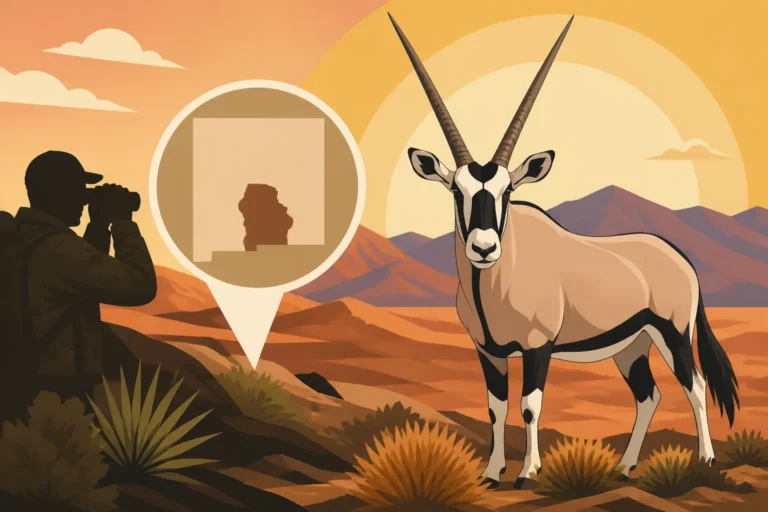
Understanding where oryx come from and how they thrive here in New Mexico gives you a great appreciation for their biology, which, in turn, influences the quality of their meat. These magnificent animals, also known as Gemsbok, are not native to North America. They were introduced to New Mexico in the late 1960s from their native South Africa and Namibia, primarily to offer a new big game hunting opportunity and as a biological experiment in the harsh desert environment. They've not only survived but flourished, particularly on the expansive plains of White Sands Missile Range and extending into some of the surrounding off-range areas. If you're curious about the specifics, check out our piece on How Oryx Were Introduced to New Mexico.
Their diet consists mainly of grasses and desert shrubs, a consistent and relatively clean forage that contributes to their exceptionally mild flavor. Unlike some native species whose diets might fluctuate wildly with seasonal browse, oryx maintain a fairly stable intake, leading to a more uniform meat quality year-round. This resilience and adaptability to the arid landscape directly translate to the quality of the animal you'll be putting in your freezer.
What Sets Oryx Apart from Other Big Game
Oryx are truly unique in the world of big game. They are incredibly tough animals, built for survival in extreme conditions. Their physiology is adapted to conserve water and tolerate heat, which means they're very efficient. This efficiency translates to lean muscle mass and very little subcutaneous fat, which is often where "gamey" flavors can concentrate in other animals. Think about it: a creature evolved to thrive where food and water are scarce isn't going to carry a lot of excess fat. This leanness is a significant factor in their mild taste.
Compared to, say, a mature bull elk that has been aggressively rutting, an oryx is rarely under the same kind of physical stress that can impact meat quality. While elk and deer meat can be fantastic, they sometimes have a stronger, more pronounced "game" flavor that some palates might find challenging. Oryx, on the other hand, consistently offer a milder, more beef-like profile. This difference is often what surprises hunters the most – they expect something exotic or tough, and instead, they get incredibly tender, flavorful meat. Whether you're considering an off-range tag or the highly sought-after Hunting Oryx on an Active Missile Range opportunity, knowing the effort put into managing these herds ensures a healthy animal and therefore, quality meat.
The Flavor Profile and Texture of Oryx Meat
Let's get down to the delicious details. What does oryx meat actually taste like, and what can you expect when you cook it?
Describing the Taste: Lean, Mild, and Versatile
If I had to describe oryx meat in three words, it would be lean, mild, and versatile. Many hunters describe it as having a flavor profile similar to high-quality beef, but with a subtle, clean wildness that distinguishes it. It absolutely lacks the strong, sometimes livery or intensely "gamey" flavors that can be present in some deer or even older elk. This mildness makes it incredibly approachable, even for those who claim not to enjoy wild game. I’ve served oryx steaks to friends who typically stick to store-bought beef, and they’ve been genuinely impressed, often commenting that they wouldn't have known it was wild game if I hadn't told them.
The diet of grasses and sparse desert vegetation that oryx consume contributes heavily to this clean flavor. They aren't browsing on pungent forbs or sagebrush, which can impart strong flavors to the meat of other herbivores. This consistent, low-impact diet creates a fantastic canvas for whatever seasonings or marinades you choose to use in the kitchen.
Texture and Tenderness: It's All About the Harvest and Care
The texture of oryx meat is generally fine-grained and can be incredibly tender, provided the animal is handled correctly after the shot. This is where the hunter's responsibility truly comes into play. A clean, ethical shot minimizes adrenaline and stress on the animal, which can otherwise toughen meat. But even more critical is rapid field dressing and quick cooling. Given that many oryx hunts, especially the controlled hunts on White Sands, often occur in warmer temperatures, getting that heat out of the carcass quickly is paramount. Our article, Why a White Sands Oryx Season Lasts Three Days, highlights some of these unique factors.
I've found that oryx meat, when cared for properly, can be as tender as any prime cut of beef. If you've ever had a tough piece of game meat, it's almost always a result of poor shot placement leading to excessive adrenaline dump, or—more commonly—failing to cool the carcass quickly enough. The muscle fibers can seize up, making it chewy regardless of how you cook it. With oryx, because they are so lean, there's less insulating fat, which means they can cool down relatively fast if exposed to air, but also heat up quickly if left in the sun. This makes immediate action after the harvest non-negotiable for tender results.
Common Misconceptions and Why They Persist
There are a few myths floating around about oryx meat. One I hear is that it's "too dry" or "too tough." As discussed, this almost always boils down to improper field care or cooking methods. Because oryx meat is so lean, it doesn't have much intramuscular fat to keep it moist during cooking. If you cook it like you would a fatty steak, you will dry it out. Think less "well-done" and more "medium-rare" for cuts like backstraps and roasts.
Another misconception is that it will taste "desert-y" or somehow reflect the harsh environment. Again, this isn't true. The environment doesn't impart flavor to muscle in the way many people imagine. Instead, the specific forage does, and as we've established, oryx forage on relatively mild grasses and shrubs. The key takeaway here is that if you encounter tough or dry oryx meat, it's not the animal's fault, but rather a reflection of post-harvest handling or cooking technique.
| Characteristic | Oryx Meat | Mule Deer Meat | Elk Meat | Beef (Grass-fed) |
|---|---|---|---|---|
| Flavor Profile | Very mild, clean, subtly wild, beef-like | Moderately gamey, earthy, can vary with diet | Mild to moderately gamey, robust, can vary with age | Earthy, rich, savory, slightly sweet |
| Texture | Fine-grained, tender with proper care | Fine to medium-grained, can be tender or tough | Coarse-grained, firm, can be very tender | Fine to medium-grained, tender (depending on cut) |
| Lean/Fat Content | Extremely lean, very little fat | Lean, moderate fat (especially on desert bucks) | Very lean, minimal fat | Lean to moderate fat |
| Best Cooked | Medium-rare, slow-cooked for tough cuts | Medium-rare, stewed for tough cuts | Medium-rare, slow-cooked for tough cuts | Various, depending on cut |
| "Gaminess" | Very low | Moderate to high (can be strong in older bucks) | Low to moderate (stronger in rutting bulls) | None |
Practical Tips for Field Care and Preparation
The journey from a downed oryx to a delicious meal is heavily dependent on what you do in the field and how you prepare the meat. Don't let all that hard work on the hunt go to waste by cutting corners here.
The Critical First Hours: Getting Your Oryx Cooled
This cannot be stressed enough, especially when Hunting Oryx on an Active Missile Range where temperatures can be surprisingly warm, even in winter months. As soon as your oryx is down, the clock starts ticking. Get to the animal quickly, make sure it’s expired, and begin field dressing immediately. The goal is to remove the entrails to allow the body cavity to cool. If you're on a solo hunt, you might not have the luxury of a team, so efficiency is key. For a detailed rundown, revisit our article on Field Dressing in Desert Heat.
Once field dressed, try to get the hide off as soon as possible. The hide acts as an insulator, trapping heat. If you're in a desert environment, hanging the carcass in the shade, ideally with a breeze, will help immensely. Some hunters even bring large game bags and ice chests with them, especially if they anticipate a long retrieve or warm conditions. Quartering the animal and putting the meat directly on ice (not submerged in water, but in sealed bags on ice) is an excellent strategy to rapidly drop the core temperature. Remember, bacteria grow fastest between 40-140 degrees Fahrenheit, so getting the meat below 40 degrees quickly is your top priority.
Processing and Aging Your Oryx Meat
After initial cooling, you have a couple of options: take it to a reputable wild game processor or process it yourself. If you're butchering at home, you'll find oryx relatively easy to work with due to its lean nature. There's minimal fat to trim, and the muscle groups are quite distinct.
As for aging, because oryx is so lean, it doesn't benefit from long aging periods in the same way a beef carcass might. Beef has marbling and fat that can protect it during extended dry aging. With oryx, a short hang time – 3 to 7 days in a controlled, cool environment (around 34-37°F) – is often sufficient to allow enzymes to tenderize the meat without risking spoilage or excessive drying. Any longer and you might start to dry out the meat or develop off-flavors. If you're processing quickly after a hunt, consider vacuum-sealing and freezing immediately to preserve freshness.
When planning your hunt, resources like GoHunt can be invaluable not just for draw odds and unit breakdowns, but also for connecting with local outfitters or processors who understand the unique needs of handling desert game. It's all part of ensuring you end up with the best possible product.
Culinary Inspiration: Recipes and Cooking Methods
The versatility of oryx meat truly shines in the kitchen. Here are a few ideas to get you started:
- Steaks (Backstrap, Sirloin): These are prime cuts. Due to the leanness, cook them quickly to medium-rare. A hot cast-iron pan or grill works wonders. Simple salt, pepper, and a touch of garlic or herbs are often all you need. Don't overcook!
- Roasts (Hindquarter, Shoulder): For larger cuts, slow cooking methods are excellent. Think braising in a rich red wine sauce, roasting in a Dutch oven with root vegetables, or even smoking at low temperatures. This helps break down any connective tissue and keeps the meat moist.
- Ground Meat: Oryx makes fantastic ground meat. You might want to add 10-20% pork or beef fat if you plan to make burgers or meatballs, as it provides moisture and helps with binding. Otherwise, it's perfect for chili, tacos, or pasta sauces.
- Stew Meat: Cubed oryx from tougher cuts like the shank or neck is ideal for stews and slow-cooked dishes. The long, moist cooking tenderizes the meat beautifully.
- Jerky: Because of its leanness, oryx meat is absolutely perfect for making homemade jerky. It dries quickly and takes on marinades wonderfully.
Experimentation is key! You’ll find that oryx adapts well to almost any recipe you’d use for beef or venison.
Making the Most of Your Oryx Harvest
Hunting an oryx is a once-in-a-lifetime (or at least, highly infrequent) experience for many, so maximizing every aspect of the harvest, from the meat to the memories, is crucial.
Why Every Hunter Should Consider an Oryx Tag
Beyond the superb table fare, pursuing an oryx offers an unparalleled hunting adventure. The challenge of spotting these camouflaged animals in their vast desert habitat, followed by a strategic stalk, is incredibly rewarding. The sheer excitement of a successful How an Oryx Hunt Actually Runs is something you won't soon forget. And then, there's the meat – a delicious, lean, and unique wild game option that will fill your freezer with healthy, organic protein.
If you're on the fence about applying for an oryx tag, I'd urge you to seriously consider it. The experience alone is worth it, and knowing you'll bring home some of the finest game meat available just sweetens the deal. Checking New Mexico Oryx Draw Odds on platforms like GoHunt can help you strategize your application and give you a realistic picture of your chances. Even if you don't draw your first year, the persistence is worth it.
Beyond the Backstrap: Utilizing the Whole Animal
It's tempting to focus on the prime cuts, but a truly ethical hunter strives to utilize as much of the animal as possible. Yes, the backstraps and tenderloins are incredible, but don't overlook the other parts. The hindquarters provide excellent roasts, steaks, and stew meat. The shoulders are fantastic for slow-cooked dishes or grinding. Even the ribs, when properly trimmed and slow-cooked, can yield flavorful meat.
Think about making stock from the bones, which is incredibly nutritious and adds depth to soups and sauces. Rendering any small bits of fat (though there won't be much) can give you tallow for cooking. By thinking creatively, you honor the animal and extend the value of your harvest far beyond just a few meals. This approach aligns perfectly with the ethos of responsible hunting and resourcefulness.
Sharing the Harvest and the Story
One of the greatest joys of hunting is sharing the bounty with family and friends. A delicious oryx meal is not just food; it's an experience, a conversation starter, and a way to share the story of your hunt. Imagine serving a perfectly cooked oryx steak and recounting the challenges and triumphs of your desert adventure. It creates a connection, not just to the meal, but to the wild places and the traditions of hunting.
Whether you're hosting a dinner party or simply sending some vacuum-sealed packages home with loved ones, sharing your oryx harvest is a testament to the quality of the meat and the unique opportunity New Mexico provides. It's a fantastic way to introduce people to wild game, often converting skeptics with its mild flavor and tender texture. So yes, oryx meat is absolutely worth eating—and sharing!
Disclaimer
This article is for general informational purposes only and does not constitute professional advice. Laws, prices and regulations vary by location and change over time. Consult a qualified professional for guidance on your specific situation.