Where Merriam’s Turkey Hold in High Timber
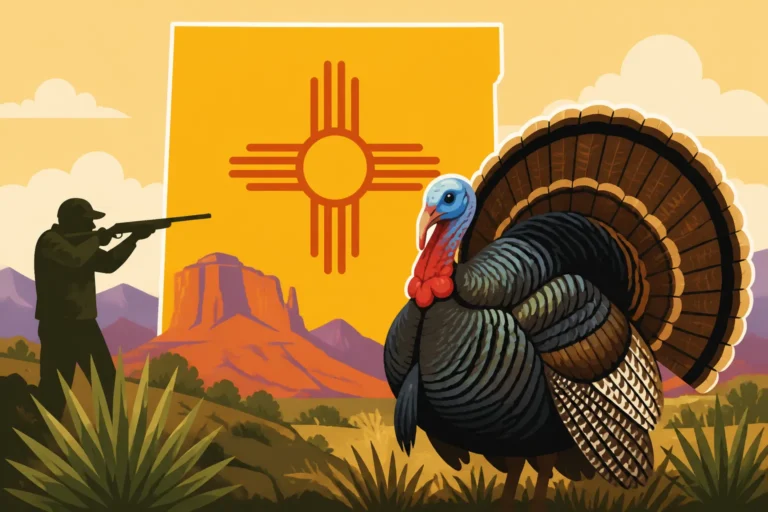
Many hunters dream of encountering the striking Merriam's turkey, with their distinctive white-tipped tail feathers, but actually locating these elusive birds in New Mexico's vast and often rugged high timber can feel like searching for a ghost in a forest. It’s not just about knowing they live in the mountains; it’s about understanding the specific types of timber they prefer, the elevations they frequent, and the nuanced features of the landscape that draw them in. This guide will walk you through exactly where Merriam's turkeys hold up in New Mexico's high country, helping you narrow down your search and increase your odds of a successful hunt.
Understanding Merriam's Preferred High Timber Habitat
Merriam's turkeys are truly birds of the mountain, quite unlike their Rio Grande or Eastern cousins. They thrive in the vast, often unbroken coniferous forests of the western states, and New Mexico is no exception. These aren't birds you'll typically find strutting through open plains or dense river bottom thickets; their world is one of towering pines, cool mountain air, and dramatic elevation changes.
Elevation and Coniferous Forests
When we talk about high timber in New Mexico, we're generally looking at elevations ranging from about 6,000 feet all the way up to 10,000 feet, sometimes even higher. Within this band, the preferred habitat for Merriam's is dominated by various coniferous tree species. Think of vast stands of ponderosa pine, which are often interspersed with mixed conifer forests that might include Douglas fir, white fir, and Ponderosa. As you climb higher, you'll start to see spruce and aspen stands, often indicating where turkeys might venture during certain times of the year, particularly after the snow melts and new growth emerges.
The key here is the structure of these forests. Merriam's prefer more open understories where they can easily move and forage, but with ample mature trees for roosting and cover. Dense, impenetrable dog-hair thickets, while offering cover, don't typically host large numbers of turkeys because of the difficulty in navigating and foraging. They need that balance – enough cover to feel secure from aerial predators and hunters, but enough space on the forest floor to scratch for insects, seeds, and acorns. This means focusing your efforts on areas where the timber isn't overly dense, but still provides that canopy security.
Ridge Systems and Canyon Edges
Merriam's turkeys are masters of utilizing terrain to their advantage, and in New Mexico's mountainous regions, that means intimately knowing the ridge systems and canyon edges. These topographical features serve multiple critical purposes for the birds. During the day, turkeys will often work their way up or down ridges, moving between feeding areas and water sources. These ridges provide natural travel corridors, offering a higher vantage point for spotting predators while still remaining largely within the timber.
Canyon edges are equally vital, especially for roosting. Turkeys almost universally prefer to roost in tall trees situated on the edges of steep canyons or deep draws. This gives them an unobstructed view of their surroundings as they fly up to their roosts in the evening and fly down in the morning. The steep terrain also offers an added layer of protection from ground predators, as it's harder for coyotes, bobcats, or mountain lions to approach undetected. When you're scouting, pay close attention to the steepest breaks and the tallest timber along their rims. These are prime candidates for finding where birds will fly up at dusk and descend at dawn. Understanding how to read the terrain before you even get out of the truck is a huge advantage, and using mapping tools like GoHunt can give you a significant edge in identifying these high-potential areas, allowing you to mark potential roost sites and feeding zones long before your boots hit the ground.
Key Geographic Areas and Specific Tree Species
New Mexico's high country is diverse, offering several distinct mountain ranges, each with its own character and timber composition. Knowing these broad areas will help you narrow your focus when planning your Merriam's hunt.
Northern Mountain Ranges
The northern part of New Mexico is home to some of the state's most iconic mountain ranges and national forests, which are prime Merriam's habitat. The Sangre de Cristo Mountains, extending down from Colorado, offer expansive tracts of high-elevation ponderosa, spruce, and fir forests. Here, you'll find birds in the steep canyons and on the vast, timbered slopes. Areas within the Carson National Forest, particularly around the Truchas Peaks Wilderness, offer classic Merriam's habitat. These areas can be incredibly rugged, demanding physical preparation, but they hold good turkey numbers. Similarly, the Jemez Mountains, with their unique volcanic formations, provide excellent habitat in their mixed conifer and ponderosa stands. Hunters who are willing to put in the legwork in these challenging environments often find success. Remember, these birds don't always hang out near easily accessible roads; often, the best hunting requires a willingness to get deep into the timber. Hunting the Carson High Country and Access Into New Mexico's Jemez Mountains are great resources for understanding access in these regions.
Central and Southern High Country
Moving south, we find other significant high timber areas that support Merriam's populations. The Lincoln National Forest, particularly the Sacramento Mountains, is renowned for its turkey hunting opportunities. These mountains are characterized by extensive ponderosa pine forests with scattered mixed conifer, and they often have a more rolling terrain compared to the steepness of the Sangres, making travel a bit easier in places. However, they still present plenty of rugged draws and canyon systems where turkeys thrive. Further west, the eastern portions of the vast Gila National Forest can also hold Merriam's. While the Gila is more famous for elk, its higher elevation timbered sections, especially those on the fringes of the wilderness areas, offer suitable habitat. Hunting New Mexico's Sacramento Mountains and Getting Into New Mexico's Gila National Forest can provide more detail on these hunting grounds.
These southern and central mountain ranges often have a slightly different feel than the northern ones, sometimes with more oak brush mixed in at lower elevations, which can provide additional food sources like acorns. The important takeaway is that throughout these ranges, the consistent factor is the presence of mature coniferous timber, especially ponderosa pine, and the varied topography of ridges and canyons that provide both shelter and ease of movement for the birds. Utilizing mapping platforms can significantly assist in identifying these prime timber blocks and associated terrain features.
Food, Water, and Roosting Considerations
Finding the right habitat is one thing, but understanding why turkeys are in a particular spot within that habitat often boils down to the three basic necessities: food, water, and safe roosting sites. These elements are interconnected and dictate the daily movements of a Merriam's flock.
Foraging Areas in Timber
Merriam's turkeys are opportunistic feeders, and their diet in high timber is diverse. They'll scratch for ponderosa pine seeds, especially in fall and winter. Acorns from various oak species, which can be found mixed into the pine forests or along their edges, are a highly prized food source when available. Beyond seeds and nuts, they constantly forage for insects, spiders, and other invertebrates, turning over leaf litter and digging in soft soil. During spring and summer, they also consume a variety of grasses, forbs, and berries.
What this means for a hunter is that "foraging areas" aren't just one type of spot. They could be open meadows or old logging clearings within the timber, which allow sunlight to reach the forest floor and encourage growth. They could also be areas where the forest floor is relatively open, allowing the birds to easily move through and scratch. South-facing slopes, which warm up faster in the morning sun, can also be critical feeding areas, especially in cooler weather, providing both warmth and earlier insect activity. Always consider the season you're hunting; what's a hot food source in April might be barren by October.
Water Sources and Turkey Concentration
Just like any other wild game, turkeys need water, and in New Mexico's often arid environment, water sources can be significant bottlenecks. While Merriam's can get some moisture from the dew on grasses or from the foods they eat, they will regularly seek out standing or flowing water. This is particularly true during the hotter, drier parts of the spring and summer.
Small spring seeps, ephemeral drainages that hold water after rains, and stock tanks or guzzlers developed for wildlife are all magnets for turkeys. These water sources often dictate their travel patterns throughout the day. A good strategy is to set up near a reliable water source that is surrounded by good timber, especially if you can find one near a potential roosting area. The birds will often fly down from their roosts, head to water, and then begin their foraging for the day. Identifying these critical water points is crucial, and paying attention to tracks and droppings around them will confirm if birds are frequenting the area. Water Sources That Concentrate Desert Game offers excellent advice on finding these vital spots.
Roosting Trees and Their Characteristics
The choice of roosting trees is perhaps one of the most consistent and defining characteristics of Merriam's turkey behavior in high timber. They almost exclusively prefer the tallest, most mature coniferous trees they can find, typically ponderosa pines, Douglas firs, or sometimes even old-growth spruce. These trees are usually located on the steep edges of canyons, ridges, or deep arroyos, providing a clear flight path into and out of the tree. The advantage here is not just safety from ground predators but also a wide field of view, allowing them to survey their surroundings before settling in for the night or flying down in the morning.
When scouting for roosting sites, look for clusters of large, old trees, often with prominent horizontal limbs that can support several birds. You'll also find droppings, or "turkey wash," accumulated at the base of these trees. Learning to spot these tell-tale signs is a critical skill. The location of roosts will influence the initial morning hunt, as turkeys are most vulnerable just as they fly down from the trees. Often, the same trees or grove of trees will be used repeatedly, especially if they remain undisturbed.
Scouting and Seasonal Movement in High Timber
Successful Merriam's hunting, especially in the challenging high timber environments of New Mexico, often hinges on thorough scouting and understanding the birds' seasonal behaviors. These birds aren't static; their locations can shift based on food availability, weather, and pressure.
Pre-Season Scouting Strategies
Even before hunting season opens, there's a tremendous amount you can do from home. Modern e-scouting tools are invaluable here. Platforms like GoHunt allow you to pore over detailed satellite imagery, topographic maps, and public land overlays. You can identify potential high timber zones, mark prominent ridges and canyon systems, pinpoint known or suspected water sources, and even identify clearings or south-facing slopes that might serve as feeding grounds. Using these tools to create a comprehensive plan can save you days of aimless wandering in the field.
Once you're on the ground, pre-season scouting involves looking for fresh turkey sign. This means searching for tracks in dusty roads or near water, droppings at the base of large pines (potential roost trees), dusting bowls where birds have cleaned their feathers, and shed feathers. Listening for gobbling at dawn or dusk, even weeks before the season, can reveal active areas. Remember that Merriam's will often range quite a bit, so finding sign doesn't guarantee they'll be in that exact spot on opening day, but it confirms the habitat is suitable and birds are present. E-Scouting a New Mexico Unit Before the Season provides great detail on how to leverage technology for this crucial step.
Seasonal Shifts and Weather Impact
Merriam's turkeys, like all wildlife, are highly influenced by the changing seasons and prevailing weather conditions. During the early spring hunts, often coinciding with the breeding season, birds will be more vocal and concentrated in their traditional strutting and nesting areas, typically at mid-to-high elevations where timber is plentiful but meadows or open areas are available for display. As spring progresses and snow melts at higher elevations, birds will often follow the receding snowline, moving up to access new food sources like fresh green shoots and insects.
Summer brings a wider dispersal as broods hatch and birds seek out abundant food and water. Fall hunts, while less popular for turkeys in New Mexico, will see birds focused on mast crops like acorns and pine nuts, often congregating in larger flocks. Extreme weather, such as heavy snow or prolonged drought, can dramatically alter their patterns. A severe winter might push birds to lower elevations for food, while a dry spring could concentrate them around limited water sources. Paying attention to these environmental cues, and how they interact with the high timber ecosystem, will give you a significant advantage in predicting where the turkeys will be.
Reading the Sign
Finding turkeys in vast timber country is often about being a good detective. You need to learn to interpret the subtle clues they leave behind.
Tracks: Look for three distinct toes pointing forward, with a shorter hind toe. Turkey tracks are typically larger than those of grouse or other upland birds. Dusty trails, sandy creek beds, or mud around water sources are prime locations to find clear prints. Fresh tracks mean birds have been there recently.
Droppings: Turkey droppings are quite distinctive. Males (toms) typically leave J-shaped droppings, while females (hens) leave more coiled or globular droppings. Finding a concentration of droppings under large trees is a strong indicator of a roost site. The freshness of the droppings (moist vs. dry, color) will tell you how recently birds were there.
Dusting Bowls: Turkeys love to take dust baths to clean their feathers and rid themselves of parasites. These are shallow depressions in soft, dry soil, often found in sunny spots within the timber. If you find several dusting bowls, it's a good sign that turkeys are regularly using the area for their daily routines.
Feathers: Finding a few scattered feathers can indicate where turkeys have been, but finding a concentration of body feathers, especially primary wing feathers or distinct white-tipped tail feathers, can suggest a roost site or a busy foraging area.
Sound: Perhaps the most obvious sign is the sound itself. Listening for gobbling in the morning or evening is the ultimate locator. But also listen for the subtle sounds of turkeys scratching in the leaves, their distinctive alarm putts, or the sound of wings beating as they fly up to or down from a roost. Silence can often be just as telling, indicating a lack of birds or that they are being unusually cautious.
By combining the knowledge of preferred timber types and elevations with diligent scouting for these signs, you can significantly increase your chances of finding those elusive Merriam's turkeys in New Mexico's beautiful high country.
New Mexico's Prime Merriam's Turkey Habitats
To help visualize where these conditions often come together, here's a table summarizing some of New Mexico's key high timber regions known for Merriam's turkey populations.
| Mountain Range/Forest | Primary Timber Types | Typical Elevation Range (feet) | Key Habitat Features and Scouting Tips |
|---|---|---|---|
| Sangre de Cristo Mountains | Ponderosa, Mixed Conifer, Spruce-Fir | 7,000 – 9,500 | Steep canyons, open parks, south-facing slopes for early warmth and foraging. Look for isolated timber stands on ridges. |
| Jemez Mountains | Ponderosa, Aspen, Mixed Conifer | 6,500 – 9,000 | Volcanic mesas, deep canyons, dense timber pockets. Check old burn areas for new growth and insect activity. |
| Carson National Forest | Ponderosa, Spruce-Fir, Aspen | 7,000 – 10,000 | High elevation plateaus, deep draws, and vast timber. Focus on transition zones between different timber types. |
| Lincoln National Forest (Sacramento Mts.) | Ponderosa, Mixed Conifer, Fir, Oak | 6,000 – 9,000 | Rolling mountains, shaded north slopes, oak thickets providing acorns. Water sources in lower elevations are critical. |
| Gila National Forest (Eastern Units) | Ponderosa, Mixed Conifer | 6,500 – 8,500 | Isolated ridges, extensive timber, and numerous small water sources. Focus on ridges overlooking draws. |
| Cibola National Forest (Magdalena, Zuni Mts.) | Ponderosa, Mixed Conifer | 6,000 – 8,000 | Dispersed timbered ranges, often drier. Water is a key factor; locate stock tanks and springs. |
This table represents general areas, and within each, the specific location of turkeys will vary from year to year and even week to week. Always consult the official New Mexico Department of Game and Fish regulations and unit maps for the most current information on seasons and boundaries.
Disclaimer
This article is for general informational purposes only and does not constitute professional advice. Laws, prices and regulations vary by location and change over time. Consult a qualified professional for guidance on your specific situation.