Where Coues Deer Live in New Mexico
So many hunters dream of chasing the elusive Coues deer, often called the "gray ghost" of the desert. But if you're like most folks, you might be scratching your head trying to figure out just where these incredible animals actually live in the vast and rugged landscapes of New Mexico. This guide is going to peel back the curtain and show you exactly where to find them, and what kind of challenging, brushy terrain they call home.
Understanding the Coues Deer's Core Range in New Mexico
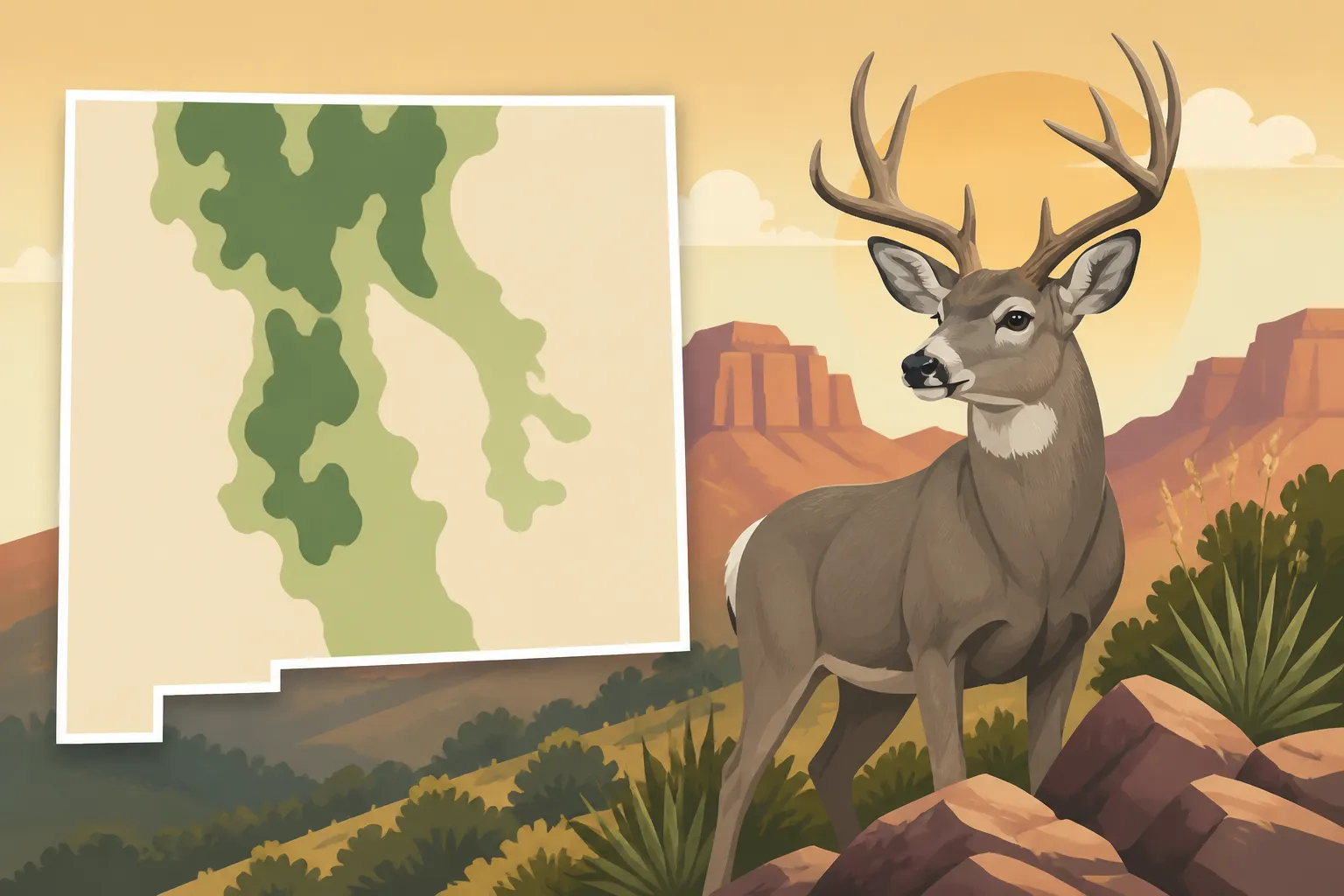
When we talk about Coues deer in New Mexico, we're primarily focusing on the southwestern quadrant of the state. These aren't animals you'll find spread out from border to border like mule deer or even elk. Their distribution is much more concentrated, tied directly to specific habitat types and elevations that suit their unique needs. Thinking about hunting them means narrowing your focus to this particular corner of the state, where their populations are strongest and most consistently found.
It's easy to get excited about hunting any big game, but with Coues deer, it truly is about being in the right place. These are not a creature of the high timber or the wide-open plains. They thrive in a very specific, often unforgiving environment that has shaped their evasive nature and small stature. Knowing their general geographic preference is the first, crucial step in any successful hunt planning.
The Bootheel and Southwestern Mountain Ranges
The absolute heart of Coues deer country in New Mexico lies squarely in the "Bootheel" — that southwesternmost corner of the state that dips down between Arizona and Mexico. This region is defined by a series of isolated mountain ranges that rise dramatically from the surrounding Chihuahuan Desert floor. Think of places like the Peloncillo Mountains, the Animas Mountains, and the Big Hatchet Mountains. These ranges are rugged, remote, and often sparsely vegetated with species that can handle the arid climate.
Within these mountain islands, Coues deer have found their ideal sanctuary. They utilize the elevation changes, the broken terrain, and the specific plant communities to evade predators and find sustenance. If you're looking for prime Coues habitat, these are the areas you absolutely need to concentrate your scouting and hunting efforts. The vast, often roadless expanses within these ranges offer the kind of solitude and wildness that these deer prefer. Many hunters specifically target Coues Hunting in the Bootheel Ranges because of the consistent presence of these deer.
Extending Beyond the Core: Fringe Areas
While the Bootheel is undoubtedly the stronghold, Coues deer populations do extend somewhat further north and east from these core areas, though often in lower densities and with more scattered distributions. You'll find them in ranges like the Florida Mountains, the Little Hatchet Mountains, and sometimes even further north into the southern reaches of the Black Range. These areas might offer opportunities, but they typically require more extensive scouting and a keen eye for finding isolated pockets of suitable habitat.
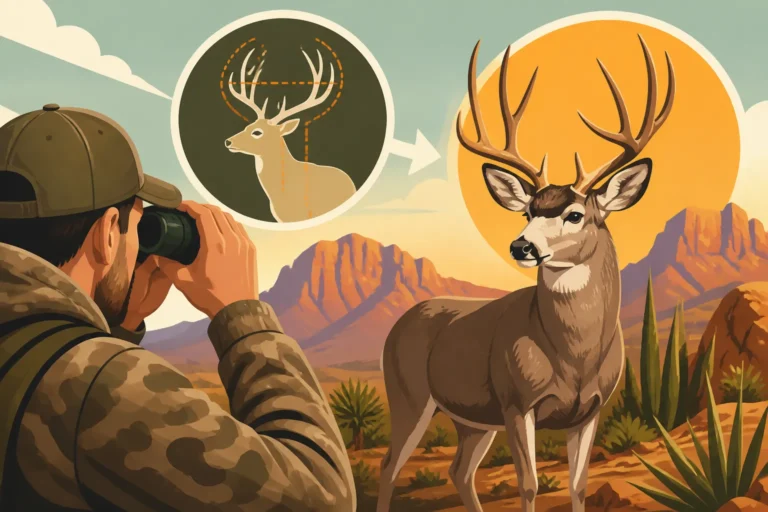
Hunting these fringe areas often means encountering a mix of mule deer and Coues deer, which can sometimes lead to identification challenges. Being able to tell the difference is crucial, especially when you're glassing at long distances. You might be interested in knowing more about Judging a Coues Buck in the Field to help differentiate them from their mule deer cousins. While the numbers might not be as high as in the Bootheel, these extended ranges can sometimes surprise a dedicated hunter, especially if you're willing to put in the legwork to locate smaller, resident herds.
Coues Deer Habitat Preferences in New Mexico
The "where" of Coues deer isn't just about lines on a map; it's deeply intertwined with the "what kind" of landscape they thrive in. These animals are masters of using their environment for cover, food, and escape. Their preferred habitat is harsh by many standards, but it's precisely this ruggedness that allows them to flourish and makes hunting them such a unique challenge.
When you step into Coues country, you'll immediately notice the difference from typical mule deer or elk terrain. It's often rocky, steep, and covered in vegetation that can be tough to navigate but provides excellent concealment. Understanding these habitat nuances is key to knowing where to focus your glassing and stalking efforts, and really, to understanding the "gray ghost" nickname.
Oak Brush and Juniper Canyons
Coues deer absolutely love dense oak brush and juniper thickets. These plants provide year-round cover and, depending on the season, can be a significant food source. You'll find them heavily utilizing north-facing slopes and canyon bottoms where these brush species grow particularly thick, often intertwined with other desert shrubs. This dense vegetation is where they disappear, seemingly melting into the landscape, hence their "gray ghost" moniker.
Hunting these areas means you'll be spending a lot of time still hunting or slowly picking apart draws and slopes with your binoculars. The deer often bed down in these almost impenetrable thickets, only to slip away unnoticed the moment they detect your presence. A great resource for navigating this type of cover might be found in articles on Still Hunting Oak Brush for Coues. Patience and meticulous glassing are paramount when dealing with this kind of dense, thorny cover.
Steep, Rocky Slopes and Desert Mountains
Beyond the brush, Coues deer are mountaineers of their own kind, perfectly adapted to steep, rocky slopes and the craggy faces of desert mountains. They use this rugged topography to their advantage, often bedding high on benches or ridgelines with commanding views, allowing them to spot threats from a distance. Their agility on this treacherous ground is remarkable, making it difficult for hunters to approach undetected.
The broken nature of these slopes provides endless folds, draws, and small canyons where deer can vanish with incredible speed. They'll ascend and descend seemingly impossible inclines with ease, especially when pressured. When scouting for these deer, pay close attention to the transition zones between the dense brush and the more open, rocky areas, as these are common travel corridors. Tools like GoHunt can provide invaluable satellite imagery and public/private land overlays, essential for navigating these complex units and identifying potential bedding and feeding areas.
Identifying Key Coues Deer Hunting Units
Now that we've covered the general geography and preferred habitat, let's get down to some specifics. While draw odds are always a factor in New Mexico, knowing which units consistently hold huntable populations of Coues deer is critical for any application strategy. Keep in mind that "huntable" doesn't always mean easy, but it does mean your efforts stand a chance of being rewarded.
New Mexico's unit system can be a bit daunting, and deciphering which codes correspond to good Coues habitat requires some research. Often, the best units are those with significant public land in the southwestern corner, offering ample space for both deer and hunters.
Units with Stronghold Populations
For Coues deer in New Mexico, you'll want to focus your attention on units like Unit 27, Unit 26, Unit 24, Unit 23, and Unit 22. These units encompass many of the mountain ranges mentioned earlier, including the Peloncillos, Animas, and Big Hatchets. They offer the quintessential Coues deer experience, with plenty of challenging terrain and the potential for encountering mature bucks.
It’s important to remember that these units are often vast and remote. Success in these areas typically comes down to intense physical preparation and a willingness to get deep into the backcountry. Always cross-reference your chosen unit with detailed maps and resources like GoHunt to understand public land access, road systems (or lack thereof), and terrain features. Answering the question of Units Around Las Cruces for Desert Hunts will often lead you right into some of these prime Coues units, as they are often within a reasonable drive of the city.
Considerations for Lesser-Known Units
While the core units are popular for a reason, don't completely discount adjacent or less-frequently mentioned units. Coues deer are resilient and can sometimes establish small, localized populations in areas that share similar habitat characteristics, even if they aren't traditionally considered prime Coues range. Units that border the main Coues areas, or those with isolated mountain ranges, might offer a hidden gem for the adventurous hunter.
The key to these "fringe" units is diligent pre-season scouting, often using tools like satellite imagery and topographical maps. You'll need to identify those specific pockets of oak brush, juniper, and rocky terrain that mimic their preferred habitat. It's a riskier strategy in terms of deer density, but it can sometimes lead to a less pressured hunting experience. Remember, Reading a New Mexico Hunt Code Before You Apply will always be your first step to ensure you're applying for the correct species and season within any given unit.
Here's a quick look at some key Coues deer units and what you might expect:
| New Mexico Unit | Primary Ranges Covered | General Habitat Type | Public Land Access | Noteworthy Characteristics |
|---|---|---|---|---|
| Unit 27 | Peloncillo Mountains | Steep, rocky, oak/juniper thickets | High | Classic Bootheel Coues hunting, very rugged. |
| Unit 26 | Animas, Big Hatchet Mtns | Isolated desert mountain ranges | High | Remote, wilderness feel, excellent Coues potential. |
| Unit 24 | Little Hatchet Mtns | Chihuahuan Desert mountains, canyons | Moderate to High | Good Coues presence, can be less rugged than 26/27. |
| Unit 23 | Florida Mtns, Cooke's Peak | Rocky, mesquite, scattered oak brush | Moderate | Coues often share habitat with desert mule deer. |
| Unit 22 | Pyramid, Burro Mtns | More juniper than oak, rocky hillsides | Moderate | Northern extent of core range, can be hit or miss. |
Hunting Coues Deer in Their New Mexico Domain
Knowing where Coues deer live is only half the battle; understanding how they utilize that specific terrain is what will truly elevate your hunting success. These deer are incredibly elusive, and their survival instincts are finely tuned to their rugged, arid environment. They don't just exist in these mountains; they are a part of them, moving seamlessly through cover and utilizing every fold and shadow to their advantage.
Hunting Coues deer is often described as a true test of a hunter's glassing ability and mental fortitude. It’s a game of patience, stealth, and a deep appreciation for the wild places they call home. When the Coues Rut Peaks, their behavior can change slightly, but their reliance on cover and terrain remains a constant.
Masters of Camouflage and Movement
The Coues deer's primary defense is its incredible ability to blend into its environment and disappear with astonishing speed. Their muted gray and brown coats are perfect camouflage against the sun-drenched rocks, dry grasses, and intricate shadows of the oak brush. One moment you might spot a flicker of movement, and the next, they've melted away, leaving you questioning what you saw.
Their small size and agile nature allow them to navigate dense brush and steep terrain that would slow down larger animals. They often move just inside the edge of thick cover, using it as a screen while they observe their surroundings. This is why thorough E-Scouting a New Mexico Unit Before the Season is so crucial. You need to identify every potential travel corridor, bedding area, and water source before you ever set foot on the ground. A successful Coues hunter learns to move slowly, deliberately, and to spend far more time glassing than walking, picking apart every patch of cover with powerful optics.
Water Sources and Critical Cover
In arid New Mexico, water is life, and for Coues deer, it's often a critical factor dictating their movements and concentration. While they are incredibly adapted to dry conditions and can derive much of their moisture from vegetation, reliable water sources will still draw them, especially during the hotter months or extended dry spells. Look for natural springs, seeps, and even man-made drinkers or stock tanks within their preferred habitat. These can be hot spots for deer activity, particularly in the early mornings and late evenings.
Coupled with water, quality cover is non-negotiable for Coues deer. They need dense, protective vegetation for bedding, escaping predators, and finding relief from the sun. This often means the thickest oak brush, juniper, or even mesquite patches you can find, especially on north-facing slopes that offer cooler temperatures. When you find these two elements – water and dense cover – co-existing within the rugged, steep terrain of New Mexico's southwestern mountains, you've likely found a place where the gray ghosts feel right at home. It’s a hunt that demands respect for the animal and the harsh beauty of its domain.
Disclaimer
This article is for general informational purposes only and does not constitute professional advice. Laws, prices and regulations vary by location and change over time. Consult a qualified professional for guidance on your specific situation.