Mule Deer Across Northern New Mexico
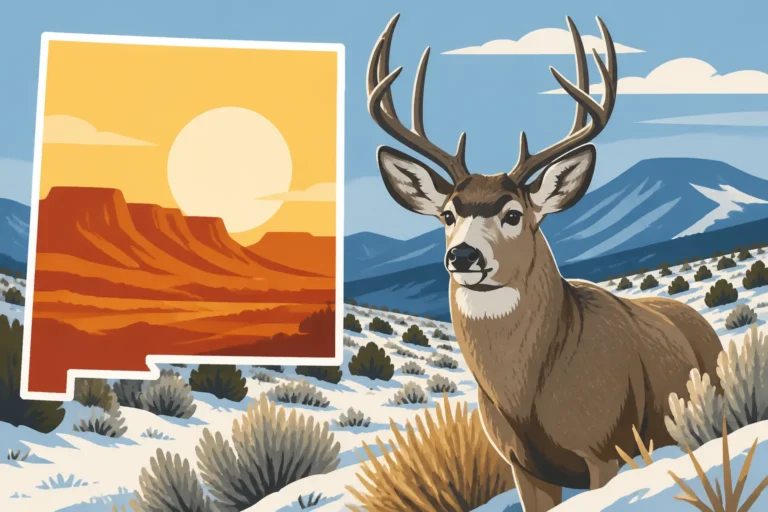
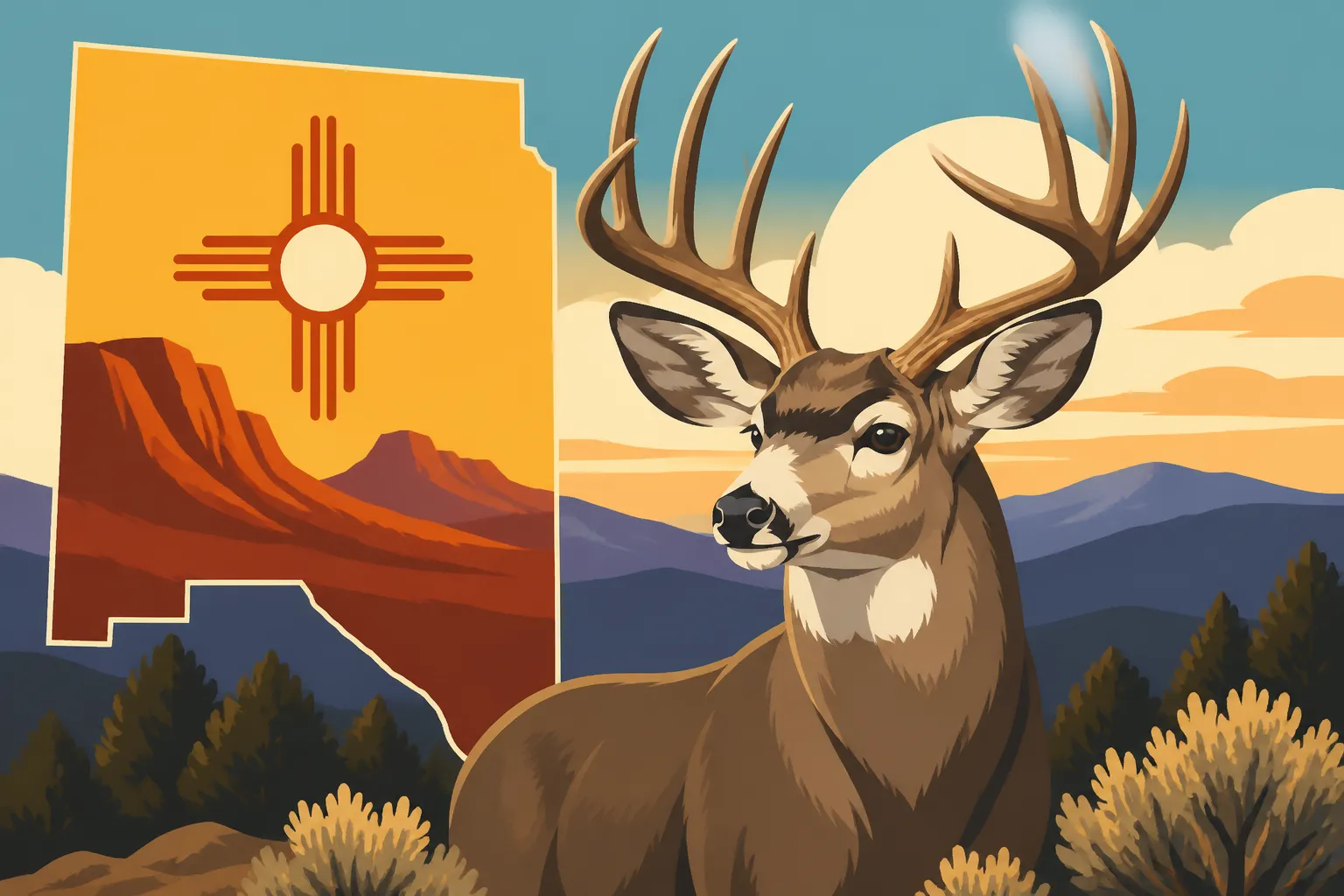
Hunting mule deer in northern New Mexico presents a formidable yet incredibly rewarding challenge. The vast, diverse landscapes, from towering peaks to intricate canyon systems, make these bucks elusive and the pursuit physically demanding. This guide is dedicated to helping you unravel the mysteries of northern New Mexico's mule deer, offering in-depth strategies to locate and pursue them effectively across these rugged and beautiful units.
Understanding Northern New Mexico's Mule Deer Habitat
Northern New Mexico is a tapestry of varied elevations and ecosystems, each playing a crucial role in the life cycle and habits of its mule deer. Unlike their desert cousins to the south, these bucks often inhabit country that feels more akin to Colorado or Arizona's high country, demanding a different approach from hunters. Understanding these distinct habitats is the first step to unlocking success.
High-Country Forests and Aspen Groves
As you ascend into the higher elevations of northern New Mexico, particularly in ranges like the Sangre de Cristo and parts of the Jemez Mountains, you'll encounter dense conifer forests interspersed with vibrant aspen groves. These areas, often above 8,000 feet, serve as prime summer range for mule deer. The cool temperatures, abundant forage, and thick cover provide ideal conditions for bucks to grow impressive antlers throughout the warmer months. Deer here often seek refuge in the darkest timber during midday, making them incredibly difficult to spot. Your hunting strategy in these areas often shifts from open-country glassing to slow, methodical still-hunting through the timber.
The edges of these high-country forests, where they meet open meadows or alpine parks, are critical transition zones. Deer will often feed in these openings during the early morning and late evening, providing brief windows of visibility. Water sources, whether natural springs or small seeps, are also magnets in these otherwise expansive areas. Learning to identify these key microhabitats within the vast forest can significantly increase your odds. Remember, the higher you go, the more oxygen-deprived the air becomes, so physical conditioning is paramount when you're Hunting New Mexico From 4,000 Feet to 10,000 and beyond.
Pinon-Juniper Foothills and Rimrock
Below the towering conifer forests, stretching down into the 6,000 to 8,000-foot elevation band, lies the classic pinon-juniper country. This habitat is characterized by rolling hills, steep canyons, and rocky rimrock formations, dotted with dense stands of pinon pine and juniper trees. While often considered winter range, many mule deer, especially during earlier seasons or in milder years, will inhabit these areas year-round. The broken terrain offers excellent cover, allowing deer to disappear with surprising ease, and the berries from the junipers provide a valuable food source.
Hunting the pinon-juniper can be incredibly frustrating yet equally rewarding. Visibility is often limited, forcing hunters to rely on acute observation skills and a patient approach. Bucks in these areas become masters of using the terrain to their advantage, often bedding in shaded draws or on steep, north-facing slopes where they have a commanding view while remaining hidden. Understanding how to Playing Thermals on a Canyon Stalk becomes incredibly important here, as shifting winds can quickly give away your position. Many of these areas are also crisscrossed by old two-track roads, providing access, but don't be afraid to leave the beaten path to find undisturbed pockets of deer.
Key Mule Deer Units in Northern New Mexico
New Mexico's northern half boasts several units renowned for their mule deer populations and the potential for mature bucks. Each unit, however, presents its own unique landscape, challenges, and hunting pressure dynamics. Doing your homework on these units before you even apply for a tag is absolutely essential. Using tools like those found on platforms such as GoHunt can give you a significant advantage in researching unit characteristics and draw odds.
Units Around Taos and the Sangre de Cristo Mountains
Units like 45, 48, and parts of 46, nestled in and around the majestic Sangre de Cristo Mountains, offer some incredible mule deer hunting opportunities. This is classic high-country terrain, with elevations often soaring above 10,000 feet, featuring vast tracts of Ponderosa pine, spruce, fir, and aspen. The deer here are often summering high, making them a target for early archery and muzzleloader seasons. These units demand extreme physical fitness and a willingness to get deep into the backcountry, often requiring extensive hiking or packing in.
While the views are breathtaking, the hunting can be tough. Deer densities aren't always exceptionally high in these vast expanses, meaning you'll need to cover significant ground. However, the quality of bucks can be outstanding. Finding secluded basins, pockets of old-growth timber, or hidden meadows can yield a true northern New Mexico trophy. Remember to read a unit's specific regulations closely when Reading a New Mexico Hunt Code Before You Apply, as season dates and weapon restrictions can vary.
Jemez Mountains and Surrounding Units
The Jemez Mountains, encompassing units such as 6A, 6B, and 6C, provide another prime destination for northern New Mexico mule deer. This region offers a diverse blend of high-elevation forests, open meadows, and intricate volcanic formations. Deer here utilize a mix of habitats throughout the year, making it versatile for different hunting seasons. The Valles Caldera National Preserve, a unique grassland basin within the Jemez, also offers special hunting opportunities, though permits are highly coveted.
Hunting in the Jemez often involves navigating steep canyons and thick timber. Many areas are accessible via forest roads, but the best hunting often lies a mile or more from vehicle access. Focusing on historical migration corridors and understanding how deer move between their summer and winter ranges in this broken terrain is crucial. These units can experience significant hunting pressure, especially on easily accessible public lands, so finding overlooked pockets often means putting in extra effort.
Northwestern Units and Their Unique Challenges
Moving west towards the Four Corners region, units like 2B, 2C, 5A, and 5B present a different kind of northern New Mexico mule deer hunting. This area tends to be a mix of high desert mesas, pinon-juniper hills, and scattered ponderosa stands. While still "northern," these units often feel drier and more open than the high mountains to the east. The challenges here include navigating extensive private land parcels interspersed with public land, often requiring meticulous e-scouting to identify huntable access points.
Deer in these northwestern units can be incredibly spread out, requiring a more mobile hunting approach. Glassing vast areas from elevated positions becomes a primary tactic. Water sources, even small seeps or stock tanks, can concentrate deer in this drier landscape. Success here often hinges on careful research and understanding land ownership, making platforms like GoHunt invaluable for planning. These units might not boast the same trophy potential as some high-country units every year, but they offer consistent opportunities for mature bucks to hunters willing to put in the legwork and adapt to the terrain.
Seasonal Movements and Behavior of Northern Mule Deer
Mule deer in northern New Mexico are masters of adapting to their environment, driven largely by seasonal changes in forage availability, weather, and breeding cycles. Understanding these annual patterns is paramount for consistently finding deer, whether you're chasing them with a bow in September or a rifle in November.
Early Season: Summer Patterns and High Elevation
When the early archery and muzzleloader seasons kick off in late August and September, northern New Mexico mule deer are typically still holding in their high-elevation summer ranges. Think cool timber, lush alpine meadows, and north-facing slopes that offer refuge from the sun. During this time, bucks are focused on feeding to recover from antler growth and prepare for the upcoming rut. They'll often be found in bachelor groups, though velvet may be shedding, and sparring might begin.
Finding these bucks means getting high and deep into the mountains. Accessing these areas can be physically demanding, requiring substantial hiking. Your strategy will likely involve extensive glassing of open parks and timber edges at dawn and dusk, followed by slow, methodical still-hunting through dense cover during the day. Water sources are key in the early season, as temperatures can still be warm. Pay close attention to subtle shifts in weather; an early cold snap can trigger a slight downward movement, but generally, deer will stay high until more significant weather pushes them.
Mid-Season: Transitioning to Lower Elevations
As October progresses into November, a noticeable shift occurs. Colder temperatures, shortening days, and the first snows in the high country begin to push mule deer down from their summer haunts. They start to move towards transitional ranges, often consisting of pinon-juniper foothills, oak brush, and south-facing slopes that receive more sunlight. This migration isn't always a dramatic, overnight event; it can be a gradual movement, often dictated by specific weather fronts.
Hunters during mid-season rifle hunts need to adapt their strategies. Instead of focusing solely on the highest peaks, you'll want to scout the mid-elevations and the interfaces between different habitat types. Look for fresh tracks, rub lines, and deer sign in the pinon-juniper. This is a time of increased deer movement as they stage before the peak rut and search for accessible forage. While the rut hasn't fully kicked in, bucks will begin to disperse from their bachelor groups and become more solitary or associate with does. Hunters using mapping apps for E-Scouting a New Mexico Unit Before the Season should identify potential travel corridors between high-country summer grounds and lower winter ranges.
Late Season: The Rut and Winter Range
The late rifle seasons, typically in November and early December, coincide with the peak of the mule deer rut in northern New Mexico. This is arguably the most exciting time to hunt, as bucks become much more visible and active, often throwing caution to the wind in pursuit of does. Deer are now predominantly in their winter ranges, which are generally lower in elevation and offer more accessible food sources and protection from harsh winter weather. These areas often include vast expanses of pinon-juniper, sagebrush flats, and south-facing slopes.
During the rut, bucks will actively chase does, making them more susceptible to calling and rattling. Focus on areas where you find does, as the bucks won't be far behind. Glassing becomes incredibly effective, as deer are often out in the open during daylight hours. While the rut is a powerful motivator, severe winter storms can still push deer even lower or into sheltered canyons, making survival a priority over breeding. Always be prepared for drastic weather changes; Layering for Gila Temperature Swings is a principle that applies just as well, if not more so, in northern New Mexico's mountains during late season. Understanding When the Mule Deer Rut Actually Starts in specific regions can fine-tune your hunt timing.
Scouting Strategies for Northern New Mexico Mule Deer
Successful mule deer hunting, especially in the vast and challenging terrain of northern New Mexico, hinges heavily on effective scouting. You can't just show up on opening morning and expect to fill your tag. A well-executed scouting plan, combining modern technology with boots-on-the-ground effort, is your best friend.
E-Scouting and Topographic Map Analysis
Before you ever set foot in your chosen unit, spend significant time e-scouting. This involves using online mapping tools, satellite imagery, and topographic maps to identify potential deer habitat and travel corridors. Look for key features such as north-facing slopes (offering cooler bedding in summer), south-facing slopes (ideal for winter sun exposure), benches, saddles, and natural funnels that deer might use. Water sources are paramount, especially in drier units, so mark every seep, spring, and stock tank you can find.
Pay close attention to changes in vegetation, indicating different forage types, and identify potential bedding areas, often in thick timber or broken rimrock. Apps like GoHunt offer detailed topographical maps, satellite imagery, and public/private land overlays, which are indispensable for identifying access points and avoiding trespass issues. This digital reconnaissance allows you to narrow down vast units into manageable, high-potential areas, creating a solid game plan for when you actually hit the dirt. Consider referring to guides on E-Scouting a New Mexico Unit Before the Season for more in-depth techniques.
Boots-on-the-Ground Reconnaissance
As valuable as e-scouting is, there's no substitute for getting your boots on the ground. Ideally, you want to scout your unit weeks or even months before the season opens. This allows you to confirm your e-scouting observations, find fresh sign, and learn the terrain firsthand. Walk potential access routes, climb to glassing points, and explore the dense cover where bucks might hide. Look for fresh tracks, droppings, rub lines, and beds. This is also the time to identify game trails and escape routes deer might use when pressured.
Focus your ground scouting efforts on areas you've identified as high potential from your e-scouting. If you can't scout the exact hunt dates, try to visit during a similar time of year to observe deer patterns. Pay attention to food sources that are currently active, such as aspen leaves in fall or specific browse species. This physical effort not only familiarizes you with the landscape but also gets you into hunting shape, a critical component for success in New Mexico's rugged northern units.
Reading Sign and Identifying Key Areas
Learning to "read" the landscape is a skill that develops with experience but is essential for mule deer hunting. Fresh tracks in mud or dust, shiny rub lines on trees (especially on smaller diameter trees where bucks are marking territory), and piles of fresh droppings are all indicators of recent deer activity. Understanding what constitutes a primary travel corridor versus an occasional path will help you set up effectively.
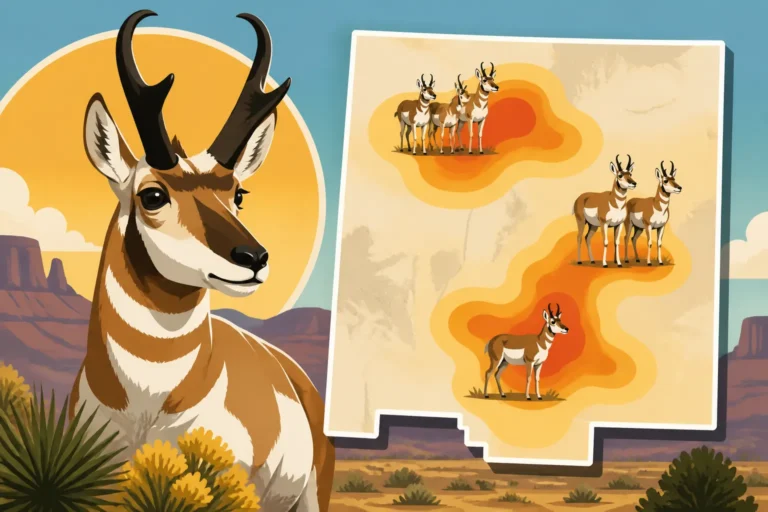
Identifying key areas means recognizing where deer spend their time: bedding, feeding, and watering. Bedding areas are often in dense cover, on points with good visibility, or along steep canyon sides where deer feel secure. Feeding areas are typically richer in browse or forage and might be open meadows or forest edges. Water sources, as mentioned, are always critical. Look for transition zones where two or more of these elements come together, as these are often hot spots for deer activity. By piecing together these signs, you can build a comprehensive understanding of how deer use a specific piece of terrain. Knowing Where Mule Deer Range in Northern Units specifically can help you focus your efforts on these key habitats.
Hunting Tactics for Northern New Mexico Mule Deer
Once you've done your scouting and understand the deer movements, it's time to choose the right hunting tactics. The diverse terrain of northern New Mexico demands a versatile approach, often requiring you to adapt your methods throughout a single hunt.
Spot and Stalk in Open Basins and Timber Edges
Spot and stalk is a classic mule deer hunting tactic, and it's highly effective in northern New Mexico's more open country, as well as along the edges of dense timber. This method involves finding a high vantage point, typically a ridge or a prominent knoll, and using high-quality optics to systematically glass distant hillsides, basins, and timberline fringes. Good binoculars and a spotting scope on a tripod are indispensable here. The key is patience and thoroughness; pick apart the terrain slowly, looking for flickers of movement, horizontal lines (the back of a deer), or the tell-tale white patch of a rump.
Once you spot a buck, the real challenge begins: planning and executing a successful stalk. This requires using the terrain to your advantage, staying out of sight, and paying close attention to wind direction. Take your time, move slowly, and be prepared for the buck to move or vanish. Often, the best approach involves closing the distance during the middle of the day when deer are typically bedded, making them less likely to move as you approach. Using The Grid Glassing Method, Step by Step can ensure you don't miss a hidden buck.
Still Hunting Heavy Timber and Dark Canyons
In the dense conifer forests and dark, steep canyons of units like the Jemez or Sangre de Cristos, still-hunting becomes a crucial tactic. This involves moving extremely slowly and deliberately through the cover, taking a few steps, then pausing for several minutes to scan for deer. Your eyes and ears are your primary tools here. Look for subtle movements, parts of a deer, or the gleam of an antler in the shadows. Listen for the snap of a twig, the rustle of leaves, or the distant sound of a feeding deer.
When still-hunting, always move into the wind or with a crosswind to keep your scent from blowing ahead of you. Pay close attention to terrain features that might funnel deer or offer them cover. Often, the best success comes from hunting benches, small draws, or natural travel routes within the timber. It's about being patient, methodical, and having the discipline to move at a snail's pace. Many hunters rush through this type of country, pushing deer out of an area without ever seeing them. Remember, deer in heavy timber are often spooked by sound, so quiet movement and a good understanding of how to Playing Thermals on a Canyon Stalk will greatly increase your odds.
Glassing Steep Slopes and Cedar Breaks
Many northern New Mexico units feature incredibly steep, broken country characterized by rocky slopes, cedar breaks, and deep canyons. These areas, while difficult to traverse, can hold some fantastic mule deer, especially older, wiser bucks who prefer the security and isolation these rugged landscapes offer. Effective hunting here is almost entirely dependent on proficient glassing.
Find a vantage point that allows you to see into these challenging areas, often opposite a steep slope or across a canyon. Use your binoculars and spotting scope to systematically pick apart every rock, every shadow, and every patch of vegetation. Mule deer blend in incredibly well, so you'll often be looking for anomalies in the landscape: a different shade of brown, a horizontal line, or the distinct shape of an ear. Glass early in the morning and late in the evening when deer are most active, but don't neglect midday glassing, as bedded deer can often be spotted if you're patient and thorough. Once a deer is spotted, the challenge shifts to planning a safe and effective approach through the steep and often treacherous terrain.
Challenges and Considerations for Northern Mule Deer Hunters
Northern New Mexico offers incredible mule deer hunting, but it's not without its unique set of challenges. Being prepared for these hurdles, both physically and mentally, is key to a safe and successful hunt.
Altitude and Physical Demands
Hunting in the high country of northern New Mexico can mean operating at elevations exceeding 10,000 feet. This brings with it the very real risk of altitude sickness, and even for those accustomed to elevation, the thin air significantly increases the physical demands of hunting. Every step feels harder, and climbing steep slopes can be exhausting. Many hunters, especially non-residents traveling from sea level, underestimate this challenge.
Preparation is key. Start a rigorous physical training regimen well in advance of your hunt, focusing on cardiovascular fitness and strength training. If possible, arrive in New Mexico a few days early to allow your body to acclimate to the elevation before your hunt begins. Stay hydrated, eat well, and avoid excessive alcohol. Recognize the symptoms of altitude sickness—headache, nausea, dizziness, fatigue—and don't push yourself if you experience them. A successful hunt is a safe hunt, and sometimes that means taking it easy for a day or retreating to lower elevations. This is a critical consideration often discussed when preparing physically for a high elevation hunt.
Weather Volatility and Preparedness
New Mexico's mountain weather is famously unpredictable. A beautiful, mild autumn day can quickly turn into a brutal winter storm with heavy snow and freezing temperatures, even in September or October. Conversely, early seasons can see surprisingly warm temperatures. Being prepared for anything is not just good advice; it's essential for survival and comfort.
Pack layers of clothing that can be added or removed as conditions change. A good waterproof and windproof outer shell is non-negotiable. Bring extra gloves, hats, and socks. Have an emergency kit with a fire starter, first aid supplies, extra food, and water. A satellite communication device can be a literal lifesaver in areas with no cell service. Always check the local forecast immediately before and during your hunt, but be aware that mountain weather can change much faster than predicted. For instance, Layering for Gila Temperature Swings is a principle that hunters across all New Mexico's mountainous regions should embrace.
Managing Hunting Pressure and Finding Solitude
Many of northern New Mexico's more accessible units, especially during rifle seasons, can experience significant hunting pressure. This means more vehicles on forest roads, more hunters in popular trailheads, and deer that are much warier and more nocturnal. Dealing with this pressure effectively is a major part of hunting success.
The best way to escape pressure is to go where others won't. This often means hiking further, getting into areas that require more effort, or hunting during less popular times if your tag allows. Use your maps to identify remote pockets of public land, wilderness areas, or areas that are simply difficult to access. Early morning and late evening hunts, when many other hunters are still in camp or heading back, can also be productive. Mule deer are incredibly adept at finding sanctuary, and if you can locate those untouched pockets, you'll significantly increase your chances. Hunting smarter, not just harder, is key to finding those mature bucks that have learned to evade easy detection. Information from GoHunt, particularly harvest data and pressure maps, can sometimes give insights into less-pressured areas.
| Season Type | Typical Dates | Elevation Focus | Deer Behavior | Hunter Tactics | Key Challenges |
|---|---|---|---|---|---|
| Early Archery/Muzzleloader | Late Aug – Mid Sept | High Country (8k+ ft) | Summer feeding, bachelor groups, velvet shedding | Still hunt timber, glass open parks, water focus | Altitude, physical exertion, warm days |
| Mid-Season Rifle | Late Oct – Early Nov | Mid-Elevations (6k-8k ft) | Transitioning down, pre-rut activity | Spot & stalk, still hunt pinon-juniper | Variable weather, increased pressure |
| Late Season Rifle | Mid Nov – Early Dec | Winter Range (Below 7k ft) | Peak rut, chasing does, highly active | Glassing, rattling/calling, focus on does | Cold weather, snow, intense pressure in spots |
Disclaimer
Please note that hunting regulations, season dates, and unit boundaries can change. Always consult the official New Mexico Department of Game and Fish (NMDGF) rules and information booklet for the most current and accurate information before planning any hunt. This guide is for informational purposes only and should not be considered a substitute for official NMDGF publications.