Preparing Physically for a High Elevation Hunt
There’s nothing quite like the dream of chasing elk or high-country mule deer in New Mexico’s breathtaking mountains, but that dream can quickly turn into a nightmare if you’re not physically ready for the thin air and unforgiving terrain. Many hunters underestimate the brutal demands of elevation, leading to misery, missed opportunities, and even health risks. This guide will walk you through exactly what it takes to prepare your body for a high-elevation hunt, ensuring you're strong, resilient, and ready to make the most of your adventure.
Understanding the Realities of High-Elevation Hunting in New Mexico
Let's be honest, those stunning photos of elk in vast mountain landscapes don't always convey the sheer effort it takes to get there. New Mexico's hunting opportunities often mean ascending from 4,000 feet all the way up to 10,000 feet, or even higher in some northern ranges. This isn't just a casual stroll; it's a full-body workout, often with a heavy pack, in an environment that actively works against you. The reality is, if you don't put in the work beforehand, the mountain will break you.
What Happens to Your Body at Altitude?
The biggest challenge at high elevation is the reduced atmospheric pressure, which means there's less oxygen available with each breath you take. Your body, which is used to a plentiful supply of oxygen at sea level, suddenly has to work much harder to get what it needs. This isn't about being "out of shape" in the traditional sense; even elite athletes can struggle if they haven't acclimatized.
When you ascend quickly, your body initiates a cascade of physiological responses. Your heart rate increases, and your breathing becomes faster and deeper to try and pull in more oxygen. Your kidneys start to excrete more bicarbonate to adjust your blood's pH, which can lead to increased urination and dehydration. On a cellular level, your body also starts producing more red blood cells over time to more efficiently carry oxygen. But these changes take time – often days or weeks – and if you don't give your body that grace period, you'll feel it. This is why you hear so many stories of hunters feeling sluggish, losing their appetite, and just generally feeling unwell on the first few days of a high-country hunt. It’s a completely normal response to an abnormal environment, and it’s critical to understand it to prepare effectively.
Common Symptoms and Their Impact on Your Hunt
Ignoring the warning signs of altitude sickness can be dangerous, and even mild symptoms can severely impact your hunting performance. The most common form is Acute Mountain Sickness (AMS), which can feel a lot like a bad hangover or the flu. You might experience headaches, nausea, dizziness, fatigue, and difficulty sleeping. Imagine trying to stay sharp, make a tricky stalk, or even just set up camp when your head is throbbing and you feel like you might throw up. It’s not a fun way to start your hunt.
Beyond AMS, more severe conditions like High Altitude Pulmonary Edema (HAPE) and High Altitude Cerebral Edema (HACE) are rare but life-threatening. HAPE involves fluid in the lungs, leading to shortness of breath, a persistent cough, and extreme fatigue. HACE is fluid on the brain, causing confusion, loss of coordination, and eventually coma. These aren't things to take lightly.
Even if you avoid full-blown altitude sickness, the general fatigue and reduced stamina from the thinner air will drain you. You'll move slower, make more noise, find glassing for long periods uncomfortable, and your decision-making might not be as sharp. A hunter who struggles with the physical demands of high-elevation won't be able to capitalize on opportunities. You might spot a bull at first light, but if you're too winded to get into position quickly and quietly, that opportunity vanishes. When you're planning your trip, consider checking out resources like GoHunt, which often provides detailed unit information that can give you a better idea of the elevation changes you'll encounter.
The Specific Demands of New Mexico's High Country
New Mexico offers incredible hunting across diverse terrains, but its high-elevation units present unique challenges. Think about Hunting New Mexico From 4,000 Feet to 10,000. The Gila National Forest, for example, is legendary for its elk, particularly areas like units 16A and 16D. While absolutely stunning, this is rugged, roadless country characterized by steep canyons, rocky ascents, and thick timber. Hunting in the Gila often means covering significant vertical and horizontal distances daily, frequently off-trail, carrying a heavy pack. If you're fortunate enough to tag out, the thought of Packing an Elk Out of the Gila Alone becomes a whole new challenge that demands serious physical fortitude.
Further north, the Sangre de Cristo and Jemez Mountains present similar and sometimes even greater challenges. Areas within the Carson National Forest or Santa Fe National Forest can involve climbs up to 12,000 feet or more, often through dense ponderosa and spruce-fir forests. The air is noticeably thinner up there. You're not just dealing with elevation; you're dealing with varied terrain—from loose scree slopes to dense deadfall—all while navigating, carrying your rifle or bow, and potentially glassing for hours. The more prepared you are for Altitude Preparation for a Gila Elk Hunt, the more enjoyable and successful your hunt will be, regardless of whether you're in the Gila or further north.
Building a Physical Foundation for High-Elevation Success
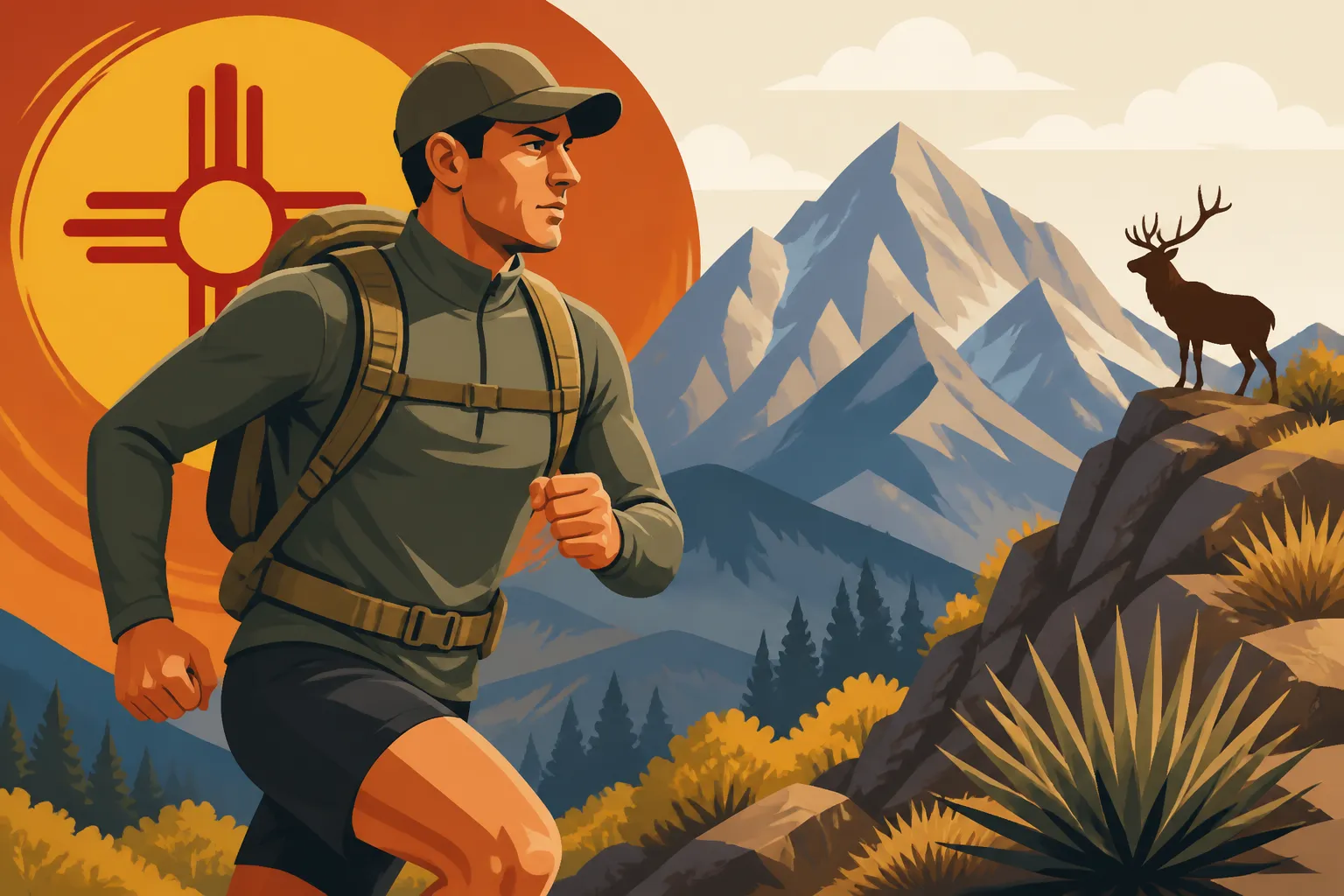
So, what do you do about it? You prepare, and you prepare thoroughly. This isn't about becoming a marathon runner or a powerlifter, but about building functional fitness that directly translates to mountain hunting. Forget the gym mirror; we're training for the real world, for those moments when every step counts.
Cardiovascular Endurance: Your Mountain Engine
Your cardiovascular system is your mountain engine. It's responsible for efficiently delivering oxygen to your muscles and removing waste products. At elevation, this system is under immense stress, so building a strong aerobic base is paramount. Think long, steady efforts, not just short bursts.
- Hiking with a Pack: This is hands-down the most relevant training you can do. Start with moderate weights (20-30 lbs) and gradually increase as you get fitter, aiming for your projected pack weight on the mountain (often 40-60 lbs, or more for a pack out). Seek out hills or stair-climbers if you don't have mountains nearby. Try to mimic the terrain you'll face. If your hunt requires you to be able to go all day through broken country, make sure your training reflects that.
- Stair Climbing or Step Machine: These are fantastic for building leg endurance and mimicking steep ascents. Incorporate weighted vests or backpacks to increase the load. Aim for sustained periods, rather than short sprints.
- Running/Jogging: While hiking is king, running helps build a stronger aerobic base. Mix in some trail running if possible, as it engages different muscle groups and improves balance on uneven ground. Focus on sustained efforts, not just speed.
- Cycling: Whether on a stationary bike or outdoors, cycling is great for cardiovascular health and building leg strength without the impact of running, which can be beneficial if you're trying to spare your joints.
Aim for 3-5 sessions per week, with at least two of those being longer efforts (45-90 minutes) with some elevation gain or resistance. Consistency is more important than intensity initially. Many hunters, especially those using tools like GoHunt for e-scouting, will start seeing the brutal elevation profiles of their units months out and begin their training then.
Strength Training for Pack-Outs and Steep Climbs
It's not just about cardio; you need the strength to carry heavy gear, navigate challenging terrain, and, critically, pack out an animal. Focus on functional movements that engage multiple muscle groups, rather than isolated exercises.
- Legs: Squats, lunges, deadlifts, and step-ups are your best friends. These exercises build power in your quads, hamstrings, and glutes, which are essential for climbing, descending, and enduring long days. If you're going to be constantly tackling terrain that could hide an approach at 10,000 feet, you need strong legs.
- Core: A strong core (abs, obliques, lower back) is crucial for stability, balance, and preventing injury, especially when carrying a heavy pack. Planks, Russian twists, and good mornings are excellent.
- Back and Shoulders: These muscles will bear the brunt of your pack weight. Rows (bent-over, seated, inverted), pull-ups, and overhead presses will build the resilience needed. Don't forget shrugs for trapezius strength.
- Grip Strength: Often overlooked, but vital for holding onto trekking poles, climbing steep inclines, and even field dressing. Incorporate farmer's carries (walking with heavy dumbbells) or hang from a pull-up bar for time.
Perform 2-3 full-body strength sessions per week, focusing on compound movements. Use weights that challenge you for 8-12 repetitions, and remember to include rest days for muscle recovery. This Physical Conditioning for a Gila Hunt is applicable to any high-elevation hunt in New Mexico.
The Importance of Mobility and Flexibility
Flexibility and mobility are often ignored in the rush to build strength and endurance, but they are critical for injury prevention and efficient movement. Tight hips, hamstrings, or shoulders can lead to awkward movements, reduce your range of motion, and increase your risk of strains or sprains, especially when you're moving over uneven ground or negotiating obstacles.
- Dynamic Stretching: Before your workouts, incorporate dynamic stretches like leg swings, arm circles, torso twists, and walking lunges. These warm up your muscles and improve blood flow.
- Static Stretching: After your workouts, when your muscles are warm, focus on static stretches. Hold each stretch for 20-30 seconds. Target major muscle groups like hamstrings, quads, hip flexors, glutes, and shoulders.
- Foam Rolling: Using a foam roller to release tension in tight muscles can be incredibly beneficial. Focus on your IT bands, quads, hamstrings, and back.
- Yoga/Pilates: These practices are excellent for improving overall flexibility, core strength, balance, and body awareness, all of which are invaluable for navigating rugged terrain safely and silently.
Dedicate 10-15 minutes to stretching after each workout, and consider a longer dedicated mobility session once or twice a week. Being limber will help you climb over downed timber, step around rocks, and stay comfortable during long hours of glassing or sitting. This kind of preparation directly contributes to your ability to stay comfortable and effective in the field, helping you execute skills like Reading Fresh Elk Sign in Ponderosa Timber more efficiently without discomfort.
Acclimatization Strategies and In-Hunt Performance
All the training in the world won't entirely negate the effects of altitude if you don't give your body a chance to adjust. Acclimatization is key to performing at your best once you're on the mountain.
Pre-Hunt Acclimatization: When to Arrive Early
The best way to combat altitude sickness is to arrive early and give your body time to adjust. For hunts above 8,000 feet, arriving 2-3 days before your hunt actually begins can make a massive difference. This isn't about hitting the hardest trails immediately; it's about gradually introducing your body to the thinner air.
- Gradual Ascent: If possible, drive to a lower elevation point near your hunting area a few days before and spend the night there, then move up to your base camp a day or two later. This step-wise approach helps your body adapt. For example, if you're hunting elk in the Gila, you might spend a night or two in a town like Silver City (around 5,900 feet) before heading deeper into the forest where elevations can soar.
- Light Activity: During these acclimatization days, engage in light activity. Take short hikes, scout some easily accessible areas, or simply set up camp. Avoid strenuous exertion or heavy lifting. The goal is to let your body naturally adapt without putting it under additional stress.
- Stay Hydrated: This is crucial. More on that in the next section, but make a conscious effort to drink water constantly during your travel and early days at altitude.
- Consider Medications: If you have a history of severe altitude sickness or are concerned, talk to your doctor about prescription medications like Acetazolamide (Diamox). These can help prevent or reduce the severity of AMS symptoms. Start taking them a day or two before your ascent, as directed by your physician. This kind of proactive approach is part of taking Preparing for Elevation on a New Mexico Hunt seriously.
Hydration and Nutrition: Fueling Your High-Altitude Efforts
What you put into your body is just as important as the physical training. At altitude, your body's needs change significantly.
- Hydration is Non-Negotiable: You dehydrate faster at elevation due to increased respiration, dry air, and diuresis (increased urination). It’s easy to get behind, and dehydration exacerbates altitude sickness symptoms. Aim to drink significantly more water than usual – often 3-5 liters or more per day. Electrolyte supplements can be very beneficial to replenish salts lost through sweat and increased urination. Products like Liquid IV or Nuun tablets are easy to carry and add to your water. Carry enough Water You Must Carry on a Desert Day Hunt even in the mountains.
- Calorie-Dense, Easy-to-Digest Foods: Your body burns more calories at altitude, even at rest. You need sufficient fuel, but sometimes appetite can be suppressed. Focus on calorie-dense, portable, and easily digestible foods.
- Complex Carbs: Oatmeal, whole-grain pasta, rice, and energy bars provide sustained energy.
- Healthy Fats: Nuts, seeds, avocado (if practical), and nut butters are calorie powerhouses.
- Lean Proteins: Jerky, protein bars, and dried meats help with muscle repair and satiety.
- Sugars for Quick Energy: Candy bars, dried fruit, or gels can give you a quick boost when you’re flagging, especially during a tough climb or pack-out.
- Avoid Alcohol and Caffeine (initially): Alcohol can dehydrate you and disrupt sleep, making altitude sickness worse. Excessive caffeine can also dehydrate and interfere with sleep patterns. It's best to limit or avoid them for the first few days at elevation.
Remember, every decision you make regarding food and water directly impacts your performance and well-being on the mountain. GoHunt often has articles on backcountry nutrition that can further assist in meal planning.
Pacing Yourself and Listening to Your Body
Once you’re on the mountain, smart tactics will help you conserve energy and stay effective. Even with the best physical preparation, altitude is a factor.
- Slow and Steady Wins the Race: This isn't a sprint. Adopt a slow, deliberate pace. The classic "rest step" where you lock out your downhill knee and rest for a split second on each step, or the "pressure breathe" technique (exhaling forcefully on exertion) can make a huge difference over a long day. You'll cover more ground and conserve more energy than if you blast off too fast and burn out.
- Take Frequent Breaks: Don't be afraid to stop and catch your breath. Use these moments to glass, check your map (perhaps on your GoHunt app!), or just enjoy the view. Short, frequent breaks are more effective than infrequent, long ones.
- Monitor Your Symptoms: Pay attention to how you feel. A mild headache can be managed with over-the-counter pain relievers, but if symptoms worsen, don't ignore them. If you develop a severe headache, persistent nausea, extreme fatigue, or shortness of breath at rest, it's time to descend. Self-rescue is always the first priority.
- Dress in Layers: High elevations mean dramatic temperature swings. You'll be sweating during a climb, then shivering on a ridge line when the wind picks up. Effective Layering for Gila Temperature Swings is crucial to managing your body temperature and conserving energy.
- Prioritize Sleep: Good sleep is vital for recovery and acclimatization. While altitude can disrupt sleep, do what you can to optimize it: avoid eating heavy meals right before bed, use earplugs if camp noise is an issue, and ensure your sleeping system is warm enough.
By combining rigorous physical preparation with smart in-hunt strategies, you’ll transform from a potential victim of the mountain to a formidable hunter, ready to conquer New Mexico’s incredible high country.
| Training Type | Key Focus | Examples | Benefits for High-Elevation Hunting |
|---|---|---|---|
| Cardiovascular | Endurance & Oxygen Uptake | Weighted Ruck/Hiking, Stair Climber, Jogging | Increased stamina, improved oxygen efficiency at altitude |
| Strength Training | Functional Power & Resilience | Squats, Deadlifts, Lunges, Rows, Planks | Carrying heavy packs, steep climbs, preventing injury |
| Mobility/Flexibility | Range of Motion & Injury Prevention | Dynamic Stretches, Yoga, Foam Rolling | Agile movement over uneven ground, reduces stiffness, less fatigue |
| Acclimatization | Body Adaptation | Gradual Ascent, Light Activity at Altitude | Minimizes altitude sickness, enhances mental sharpness |
| Nutrition/Hydration | Fuel & Electrolyte Balance | Water, Electrolyte Mix, Calorie-Dense Foods | Sustains energy, prevents dehydration, aids recovery |
Disclaimer
The information provided in this guide is for general informational purposes only and does not constitute medical advice. Hunting in high-elevation environments can be physically demanding and carries inherent risks. Always consult with a qualified healthcare professional before beginning any new exercise program or if you have concerns about your health, especially when planning a high-elevation hunt. The author and publisher are not responsible for any adverse effects that may result from following the advice contained herein.