Hunting Over a Stock Tank Legally
In New Mexico's vast, often arid landscapes, finding reliable water sources can feel like searching for a needle in a haystack for both wildlife and hunters. This scarcity often draws game animals, from mule deer and pronghorn to elk, to man-made stock tanks. While these watering holes are undeniably magnets for wildlife, many hunters wonder about the legality and ethics of hunting over them. This guide aims to demystify the rules and provide practical, ethical advice for successfully hunting over stock tanks in New Mexico.
The Lure of the Stock Tank: Why Water is King in New Mexico Hunting
The rugged, diverse terrain of New Mexico, ranging from high mountain forests to vast desert plains, presents a unique challenge for wildlife: finding a consistent water supply. In many units, especially those outside the perennial rivers and high-country snowmelt, water is the single most defining factor in animal movement and congregation. Stock tanks, often humble and overlooked, become absolute focal points in this arid dance.
Understanding Desert Ecology and Game Movement
Imagine a dry New Mexico landscape in late summer or early fall. The sun beats down relentlessly, and the scant rainfall from monsoon season might have long evaporated. In these conditions, water isn't just a convenience; it's a lifeline. Every living creature, from the smallest rabbit to the largest elk, is beholden to it. This fundamental ecological truth profoundly impacts game movement. Animals will travel considerable distances, sometimes miles, to reach a dependable water source. This behavior creates predictable patterns for hunters, making features like stock tanks incredibly attractive spots for observation and ambush.
In areas like the eastern plains, where pronghorn roam, or the southern desert units that hold mule deer and even oryx, a stock tank can be the only readily available water for many square miles. Even in the slightly wetter mountain units, a well-placed stock tank can be a critical supplement, especially during dry spells or late-season hunts when natural springs might be frozen or scarce. Understanding that water dictates life and movement is the first step in successful hunting in New Mexico. It's a concept that drives many of the strategies you'll find when planning your hunt and exploring a unit. For a deeper dive, consider understanding Finding Water in New Mexico's Dry Country before you even step foot in the field.
Stock Tanks as Wildlife Magnets
What exactly constitutes a "stock tank" in New Mexico? Often, they are man-made impoundments, ranging from small, dirt-lined depressions dug into a mesa top to larger, concrete or metal troughs fed by a well or pipeline. Their primary purpose is to provide water for livestock, but they serve an equally vital role for wild game. These tanks, by their very existence, create concentrated oases in otherwise dry environments.
Beyond merely drinking, these water sources offer a host of other benefits to wildlife. Elk might use larger, muddy tanks as wallows, caking themselves in cool mud to deter insects and regulate body temperature. Deer often utilize the surrounding vegetation for cover and browse while waiting their turn at the water's edge. Even predators like coyotes and bobcats will frequent these areas, knowing that prey will eventually show up. Their consistent presence means that these tanks effectively become congregation points, drawing multiple species throughout the day and night.
For the hunter, identifying these tanks on a map and understanding their role in the ecosystem is a crucial scouting strategy. Modern tools like GoHunt's mapping software often highlight these water features, allowing hunters to pinpoint potential hot spots long before their boots hit the dirt. You can learn more about how to pinpoint these features by reading our guide on Finding Stock Tanks on a Unit Map.
Navigating the Legalities: What New Mexico Says About Hunting Water
The magnetic pull of stock tanks for game animals naturally leads hunters to consider them as prime hunting locations. However, this raises important questions about legality and ethics, particularly concerning New Mexico's rules on baiting. It’s essential to be absolutely clear on the regulations to ensure your hunt is both lawful and above board.
The "Baiting" Conundrum and Stock Tanks
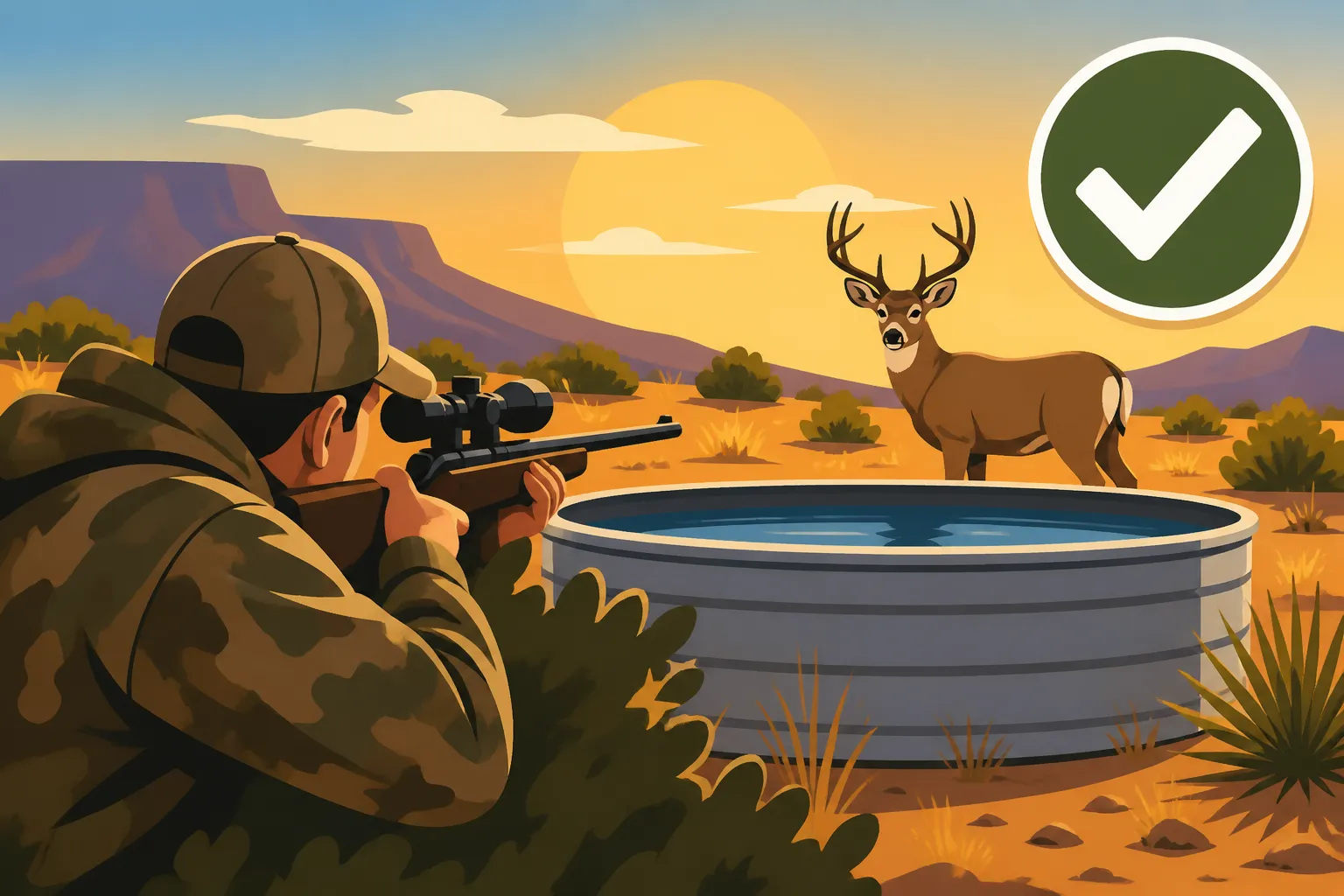
This is arguably the most common question surrounding hunting near water sources: Is sitting over a stock tank considered baiting in New Mexico? The answer, thankfully, is generally no, provided you are not adding anything to the tank or its surroundings to attract game.
New Mexico's Department of Game and Fish (NMDGF) regulations clearly prohibit baiting for big game. Baiting is defined as the intentional placing, depositing, or distributing of any material (such as food, salt, minerals, or other attractants) to attract game animals for the purpose of hunting. The crucial distinction here is whether the attractant is natural or artificially placed. A stock tank, even if man-made for livestock, provides water, which is a natural requirement for all animals. As long as the water itself is the sole attractant, and you haven't enhanced it with supplemental feed, mineral blocks, or scented lures, then hunting over it is generally permitted.
However, the line can get blurry, and ignorance is no excuse. If you were to place a corn pile, a salt block, or a bag of mineral attractant near a stock tank, that would absolutely be considered illegal baiting for big game. The intent to artificially concentrate animals using something other than their natural need for water is the key. Always err on the side of caution. If there's any doubt, don't place anything. For a comprehensive look at what is and isn't allowed, consult Baiting and Trail Camera Rules in New Mexico.
Here's a quick reference table to clarify some scenarios:
| Scenario | Legality for Big Game Hunting in New Mexico | Rationale |
|---|---|---|
| Sitting over a stock tank (water only) | Legal | Water is a natural attractant; not considered baiting. |
| Sitting over a natural spring | Legal | Natural water source, no artificial attractants. |
| Placing corn near a stock tank | Illegal | Food is an artificial attractant, falls under baiting definition. |
| Placing a salt block near a stock tank | Illegal | Minerals are artificial attractants, falls under baiting definition. |
| Hunting a waterhole with a game camera | Legal | Game cameras for scouting are generally allowed, as long as no bait is used. |
| Adding flavoring to water | Illegal | Artificial attractant, modifying a natural resource for hunting purposes. |
Ethical Considerations and Fair Chase
While legal, the ethics of hunting over a stock tank are often debated among hunters. The concept of "fair chase" is central to ethical hunting, meaning that the hunter does not have an improper advantage over the animal. Some argue that sitting directly on a water source, especially during a drought, can create an unfair advantage because animals are desperate and predictable.
However, many others believe that utilizing a stock tank, which requires extensive scouting, patience, and skill in concealment, still falls within the bounds of fair chase. The key often lies in how you hunt it. Are you merely waiting for an animal to walk into a kill zone, or are you observing patterns, using the tank as a starting point for a stalk, or ambushing an animal along a well-used trail leading to the water?
Consider these ethical nuances:
- Pressure: Over-pressuring a single tank can drive animals away, making it unproductive for everyone. If you see another hunter already set up, it's good etiquette to find another spot.
- Water Contamination: Be mindful of your presence. Avoid leaving trash, scent, or anything that could contaminate the water, which is vital for all wildlife and livestock.
- Respect for the Resource: These tanks are often critical infrastructure for ranchers and their livestock. Treat them with respect, leaving gates as you found them and avoiding damage.
Ultimately, the goal is to secure your animal while upholding the spirit of the hunt. Utilizing a stock tank effectively and ethically is a skill honed through experience and respect for the game and the land. For more on this, check out our insights on Water Sources and Ethics in Desert Hunting.
Practical Application: How to Ethically and Effectively Hunt Stock Tanks
Now that we've covered the legal and ethical groundwork, let's talk practical application. Hunting over a stock tank can be an incredibly effective strategy, but it requires careful planning, keen observation, and a commitment to responsible hunting practices.
Scouting and Planning Your Approach
Success at a stock tank begins long before opening day. Effective scouting is paramount.
- Map Reconnaissance: Start with detailed topographic maps and satellite imagery. Tools like GoHunt are invaluable here. Look for not just the tanks themselves, but also the terrain leading to them. Are there natural draws, saddles, or timbered corridors that funnel animals to the water? These are your potential ambush points. Identifying these key features is a major part of E-Scouting a New Mexico Unit Before the Season.
- On-the-Ground Scouting: Once you've identified potential tanks, it's time for boots on the ground. Look for fresh tracks, droppings, and worn game trails leading to and from the water. Note the direction of entry and exit. Are there particular times of day when animals seem to be most active? Set up trail cameras (legally, without bait) to get a better understanding of animal patterns and frequency.
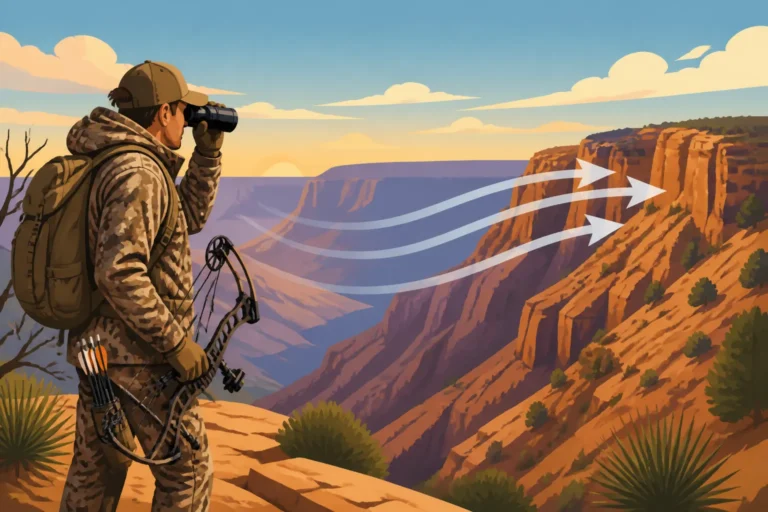
- Wind Direction: This is critical. Animals almost always approach water with the wind in their favor, trying to scent any potential danger. You must position yourself downwind from their most likely approach, or better yet, downwind of the tank itself. The prevailing winds for your hunt dates are crucial knowledge.
- Cover and Concealment: Identify natural cover (junipers, cedars, rock formations) that allows you to set up a blind, either natural or portable, without silhouetting yourself. A good setup will allow you to see the approach without being seen. Remember, minimal disturbance is key; you don't want to create an obvious, new feature that spooks wary animals.
Timing Your Hunt for Success
Timing is everything when hunting water sources.
- Time of Day: Early mornings and late evenings are almost always prime. This is when animals are most active, moving between feeding and bedding areas, and making their way to water. Midday visits can happen, especially for pronghorn or during periods of extreme heat, but they're generally less reliable for most big game.
- Seasonal Conditions: The drier the conditions, the more critical water sources become. During severe droughts, animals will be less selective and more desperate for water. This is when tanks become absolute magnets. Conversely, after significant rainfall, natural potholes and temporary seeps might scatter animals, making a single stock tank less of a guaranteed spot. Understanding How Drought Affects Desert Deer Numbers can give you a strategic edge here.
- Species-Specific Patterns:
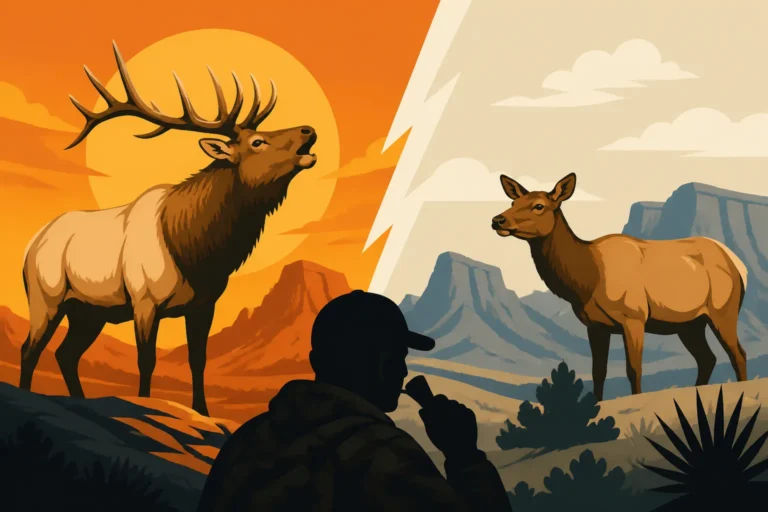
- Elk: Often water in the early morning or late evening. They may also wallow if the tank is muddy enough.
- Mule Deer/Coues Deer: Typically come to water around dawn and dusk, though midday visits are not uncommon in very hot weather.
- Pronghorn: Known to water more frequently during the warmer parts of the day. Their keen eyesight makes approaching these open-country tanks incredibly challenging.
- Oryx: Can be seen at water throughout the day, especially in the desert heat.
For early season hunts, like New Mexico's first archery deer season in August, when temperatures can still be scorching, water is incredibly important. You’ll want to be well-prepared for the heat yourself, as covered in our guide on Heat Management on an Early Season Hunt.
Respecting the Resource and Other Hunters
Hunting over stock tanks requires a high degree of responsibility, both towards the wildlife and your fellow hunters.
- Share the Resource: These tanks are not exclusive hunting grounds. They are vital for the survival of many species and often for private livestock. If you arrive at a tank and another hunter is already set up, find another spot. Communication is key if you encounter others.
- Leave No Trace: Practice strict "Leave No Trace" principles. Pack out all your trash, including spent cartridges. Don't leave any scent items or anything unnatural near the tank that could alarm animals.
- Ethical Shot Placement: When an animal comes to water, it's often relaxed and focused on drinking. This can present a calm shot opportunity. However, always ensure a clean, ethical shot that results in a quick harvest. Avoid shots that could lead to a wounded animal running into or dying in the water source, as this can contaminate it and make recovery difficult.
- Minimize Disturbance: Try to approach and depart from the tank quietly and discreetly. Avoid making excessive noise or leaving a strong human scent trail that could spook animals for days. The goal is to integrate yourself into the environment, not disrupt it.
By following these practical tips and maintaining a strong ethical compass, you can make hunting over a stock tank a highly successful and rewarding part of your New Mexico hunting experience. Whether you're targeting deer or antelope, strategies for Sitting Water for Deer and Antelope can be incredibly effective when executed properly.
Disclaimer
Please remember that hunting regulations can change. While every effort has been made to provide accurate and up-to-date information, it is the hunter's responsibility to consult the most current New Mexico Department of Game and Fish regulations prior to any hunt. This guide is for informational purposes only and should not be considered legal advice.