Do Shooting Hours Shift Through the Season?
It's a common thought for hunters, especially when you're planning those precious early morning or late evening sits: "Do the legal shooting hours stay the same throughout the entire season, or do they shift?" This isn't just a casual query; it's a critical piece of information that can make or break your hunt, impacting your safety, ethical conduct, and legal standing. This guide will dive deep into how New Mexico's legal shooting hours are determined, why they change, and what you, as a hunter, need to do to stay on the right side of the law and ensure a successful, responsible hunt.
The Rhythmic Dance of New Mexico's Legal Shooting Hours
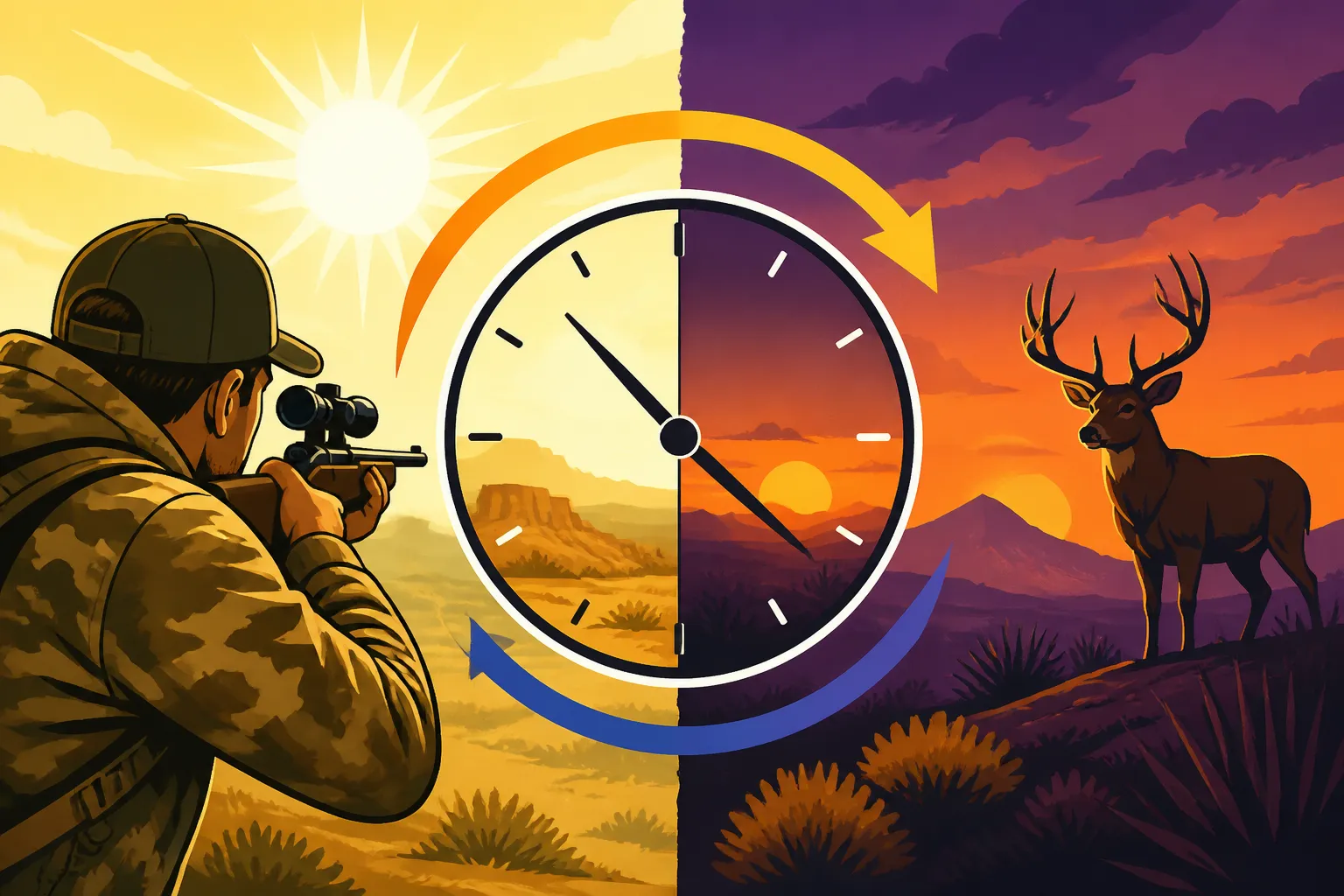
When you crack open the New Mexico Department of Game and Fish (NMDGF) regulations, you'll see a consistent rule for big game: legal shooting hours are defined as 30 minutes before official sunrise to 30 minutes after official sunset. This sounds straightforward enough, right? But here's the kicker: "official sunrise" and "official sunset" are not static times. They are dynamic, shifting daily with the earth's rotation and its journey around the sun. This means your legal hunting window is constantly changing, even within the same hunt season.
Decoding the 30-Minute Rule: Sunrise and Sunset are Your Guides
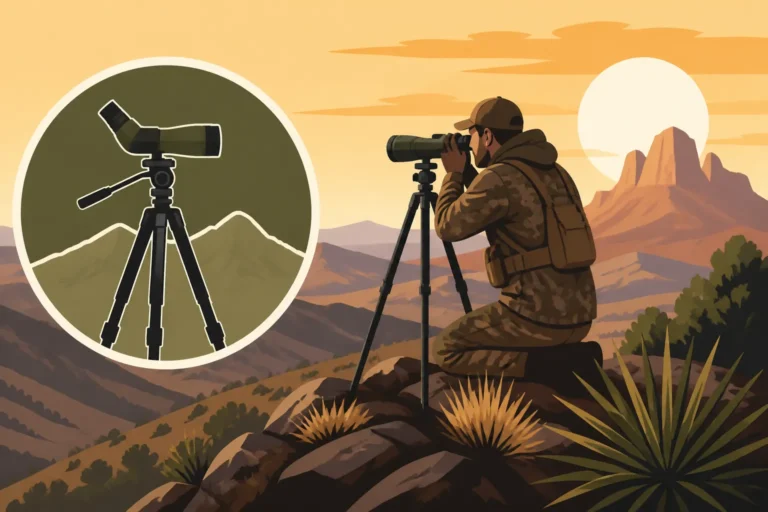
That 30-minute buffer on either side of sunrise and sunset is crucial. It's designed to give hunters enough ambient light to clearly identify their target, ensure a safe backdrop, and make an ethical shot. However, what you perceive as enough light from your glassing knob or ground blind isn't what counts. It's all about the official times published by astronomical data. These aren't local perceptions but scientifically calculated moments in time.
Think about it: in the mountains, especially in deep canyons like those found in the Gila National Forest, the sun might not visually clear the horizon until well after "official sunrise." Conversely, it can dip behind a ridge long before "official sunset." Your eyes might tell you it's still too dark to shoot, or that it's already too dark. However, the law relies on the official astronomical calculation for your specific location. This is why it's so important to rely on accurate data and not just your gut feeling. Misjudging these times, even by a few minutes, can lead to serious legal repercussions, let alone safety concerns.
Why the Clock Keeps Changing: The Science of Daylength
The variation in daylength throughout the year is a fundamental astronomical phenomenon. As the Earth orbits the sun on its tilted axis, the amount of daylight we receive changes daily. In New Mexico, like many places, summer brings longer days and shorter nights, while winter brings the opposite. This isn't just a minor tweak; it results in significant differences in legal shooting windows from, say, a September archery hunt to a December muzzleloader season.
For instance, during the peak of summer, you might have nearly 14 hours of daylight, meaning your legal shooting window is quite expansive. By the time winter rolls around, that daylight can shrink to just 9 or 10 hours. This daily shift means that the earliest you can start shooting and the latest you can finish will vary every single day of your hunt. You can't just memorize one time for the entire season; you need to be aware of the daily adjustments. This daily variation directly impacts how you plan your approach, when you need to be in your stand, and how much time you have to get out after a shot.
Practical Implications for Your Hunt Planning
Understanding that shooting hours are dynamic is one thing; incorporating that knowledge into your actual hunt planning is another. This daily shift has profound implications for how you schedule your time in the field, especially when comparing early and late-season opportunities.
Noticing the Shift: Early Season vs. Late Season Hunts
Let's imagine you’re gearing up for New Mexico's first archery deer season in early September. The days are still long and warm. You'll likely be able to start your hunt quite early, with legal light arriving well before 6:30 AM in many parts of the state. Conversely, you'll have ample time in the evening, with shooting hours potentially extending past 7:00 PM. This longer window means more opportunities to scout, glass, and sit. It also means you might be dealing with Heat Management on an Early Season Hunt, requiring strategic planning around the mid-day sun.
Now, fast forward to a late November or early December rifle deer hunt. The days are drastically shorter. Legal shooting light might not arrive until closer to 7:00 AM, and it could vanish as early as 5:00 PM. This compressed window demands a much more disciplined approach. You have fewer hours of optimal light to work with, making every minute count. This is a critical factor when deciding Which Rifle Season Suits a First New Mexico Hunt or any other season, really. You need to maximize your time efficiently, from scouting before dawn to packing out after sunset. The contrast between these seasonal hunt windows can be striking, highlighting the need for daily awareness.
Essential Tools for Staying Legal: Apps and Accurate Data
Given the daily flux of shooting hours, relying on a static schedule or an educated guess is simply not good enough. Thankfully, modern technology offers excellent solutions to keep you legal and informed. High-quality hunting apps are indispensable tools for any serious hunter in New Mexico. Apps like OnX Hunt, HuntStand, and GoHunt provide precise sunrise and sunset times for your exact GPS location. These apps often integrate a legal shooting hour overlay, which will automatically adjust as you move or as the day progresses. This means you can check the exact legal window for your specific stand, glassing point, or even your camp, right from your phone.
It's tempting to use a generic weather app or even the clock on your truck, but these often provide generalized times for a larger area, not the hyper-specific, official times for your exact coordinates. Always cross-reference with your hunting app and, ideally, the official NMDGF regulations booklet. Before you even head out, spending time E-Scouting a New Mexico Unit Before the Season with these tools can help you plan your movements and optimize your time. These digital resources are designed to take the guesswork out of the equation, ensuring you always know when it's legal to shoulder your rifle or draw your bow.
Navigating the Nuances and Ethical Considerations
Beyond the strict legal definitions, there are nuances and ethical considerations that every responsible hunter should keep in mind regarding shooting hours. It's not just about what's legal, but also about what's safe, ethical, and respectful.
Are There Any Exceptions? Big Game vs. Other Species
For most big game species in New Mexico—elk, mule deer, Coues deer, oryx, pronghorn, bear, and mountain lion—the 30-minutes-before-sunrise to 30-minutes-after-sunset rule is the standard. This applies across the board for general hunts. So, if you're out chasing a bull during When the Elk Rut Peaks in New Mexico or tracking a buck in the high country, these are the times you'll adhere to.
However, it’s always wise to remember that there can be specific exceptions for certain hunts or species, typically outside of big game. For instance, some predator or furbearer hunting may have different rules, sometimes even allowing night hunting with specific equipment. Waterfowl hunting often has specific regulations regarding legal shooting hours as well, which are usually published separately. Always consult the official NMDGF rules and information booklet for your specific hunt code and species. This is why Reading the New Mexico Rules and Info Booklet thoroughly before any hunt is absolutely essential, as those little details can make a big difference. For example, if you're ever in doubt about the general rules, look up New Mexico Legal Shooting Hours for Big Game for the authoritative overview.
Here’s a quick overview of how daylight changes through the seasons in a central New Mexico location (approximate times):
| Month | Approx. Sunrise (Start of Legal Shooting) | Approx. Sunset (End of Legal Shooting) | Total Legal Shooting Window (Approx.) |
|---|---|---|---|
| September | 6:00 AM | 7:30 PM | 13.5 hours |
| October | 6:30 AM | 6:30 PM | 12 hours |
| November | 7:00 AM | 5:00 PM | 10 hours |
| December | 7:30 AM | 4:45 PM | 9.25 hours |
Note: These are approximations for a general location in New Mexico and will vary daily and by exact coordinates. Always use a reliable hunting app or the NMDGF regulations for precise times.
Beyond Legal: Safety and Respect in the Field
Adhering to legal shooting hours is about more than just avoiding a citation; it's about being a responsible, ethical hunter. The primary reason for these regulations is to ensure sufficient light for target identification. Taking a shot in marginal light increases the risk of misidentifying your target, hitting a non-target animal, or making a poor shot that wounds an animal without a clean kill. In the excitement of the moment, it can be tempting to push the boundaries, but a truly ethical hunter prioritizes a clean, quick harvest above all else. This ties directly into broader ethical considerations like those discussed in Water Sources and Ethics in Desert Hunting.
Furthermore, being mindful of shooting hours is a matter of respect for other hunters and landowners. Starting too early or finishing too late can disrupt other hunters' plans, especially if they are trying to access public land that requires crossing private property, or if they are in an adjacent area. Respecting the legal window also reinforces a positive image of hunters to the broader public, demonstrating our commitment to fair chase and responsible practices. Being visible and knowing when you can legally hunt also touches on other important regulations, like those found in Legal Shooting Hours and Blaze Orange in New Mexico, which help ensure safety and compliance throughout your hunting experience. Whether you're trying to figure out the Best Time of Day to Glass for Elk or planning how to deal with a downed animal, awareness of light conditions is paramount.
Ultimately, your success in the field isn't just measured by what you harvest, but by how you conduct yourself. Knowing and respecting the daily shift in shooting hours is a fundamental part of responsible hunting in New Mexico. Keep those hunting apps updated, check the regulations, and always prioritize safety and ethics.
Disclaimer
Please remember that hunting regulations can change. Always consult the most current New Mexico Department of Game and Fish Rules & Information Booklet or their official website for the definitive and most up-to-date regulations before heading afield.