Can a Hunter Education Number Replace a Mentor Number?
It’s a common point of confusion for so many folks, especially parents and guardians eager to introduce their kids to the incredible world of hunting here in New Mexico: "Do I need a separate mentor number, or does my child’s hunter education certification cover it?" The truth is, while both are vital for ensuring safety and responsible hunting, a hunter education number absolutely cannot replace a mentor number. This guide is here to clear up that often-misunderstood distinction and make sure you’re set up correctly for the field.
Understanding New Mexico's Mentored Youth Program
Let's start by talking about the Mentored Youth Program, because it's a fantastic pathway for young hunters to get their feet wet without the immediate pressure of full certification. The New Mexico Department of Game and Fish (NMDGF) designed this program specifically to provide an opportunity for new, young hunters to experience the outdoors under the direct supervision of an experienced adult. It’s all about fostering a love for hunting early, with safety and hands-on learning at its core.
The program allows youth, typically those under a certain age threshold and who haven't yet completed hunter education, to participate in hunts. This is a huge benefit for families, as it means kids can start hunting earlier, often alongside a parent or guardian, learning the ropes directly from someone they trust. The adult mentor is truly the cornerstone of this program, carrying the responsibility for the youth’s safety, ethical conduct, and adherence to all regulations. If you're looking for a deeper dive, check out our piece on The New Mexico Mentored Youth Program Explained. It’s a game-changer for getting kids involved.
Who Qualifies as a Mentored Youth
The eligibility for the Mentored Youth Program is pretty straightforward, but it's crucial to understand the nuances. Primarily, this program is for young, first-time hunters. This means the youth cannot have previously completed a hunter education course or held a hunting license that required hunter education. It’s truly designed as an introductory phase.
The age limits are also a key factor, and they've been put in place to ensure that the program serves its intended purpose. Generally, youth under the age of 18 can participate. However, there are distinctions depending on age groups regarding what species a mentored youth may hunt. For example, younger participants might be restricted to certain species or seasons to ensure a safer, more controlled experience. This tiered approach allows for a gradual introduction to hunting, building skills and confidence over time. For specific age guidelines and what a mentored youth can hunt, our article on Which Species a Mentored Youth May Hunt in New Mexico offers detailed insights.
The Purpose of the Mentor Number
Now, about that mentor number. This isn't just a random ID; it's a critical component that links the experienced adult to the mentored youth in the NMDGF system. When an adult registers as a mentor, they are acknowledging their legal responsibility for the youth hunter they are supervising. This includes ensuring the youth follows all hunting laws, understands ethical hunting practices, and, most importantly, maintains firearm or archery safety at all times.
The mentor number is essentially a certification for the adult to participate in the program. It confirms that the mentor is an experienced, law-abiding hunter capable of teaching and supervising a novice. It’s a separate credential from any hunting license or hunter education certificate the mentor themselves might hold. It’s about accountability and ensuring a structured, safe learning environment for the youth. Our post on What a Mentor Number Requires in New Mexico goes into depth on how to obtain and maintain this vital number.
The Role of a Hunter Education Number
On the flip side, we have hunter education. This is a completely different beast, though equally important for long-term hunting participation. Hunter education courses are comprehensive programs designed to teach hunters of all ages—but particularly those new to the sport—the fundamental principles of firearm safety, wildlife conservation, ethical hunting practices, basic first aid, and survival skills. It's a rite of passage for most hunters and a mandatory step for many.
Think of it this way: hunter education is about certifying the individual hunter's knowledge and skill, making them proficient enough to hunt independently (once they reach legal age). The curriculum covers everything from reading the New Mexico regulations booklet to understanding shot placement, field dressing, and responsible land use. It’s a thorough academic and practical training that ensures hunters are prepared for the challenges and responsibilities of the field.
When Hunter Education is Required
In New Mexico, hunter education isn't just a suggestion; for most hunters, it's a firm requirement. Generally speaking, any hunter born on or after January 1, 1957, must possess proof of having successfully completed a state-approved hunter education course before they can purchase a hunting license for big game or certain small game. This rule is in place to ensure that everyone hunting independently meets a baseline standard of safety and knowledge.
There are, of course, a few exceptions, but for the vast majority of new hunters who aren't operating under the Mentored Youth Program, getting that hunter education certificate is non-negotiable. It's the key that unlocks independent hunting opportunities. So, while the mentored youth program offers a temporary bypass, the ultimate goal for any serious young hunter is to get that hunter education card. You can learn more about this by reading Who New Mexico's Hunter Education Rule Covers.
The Core Difference in Purpose
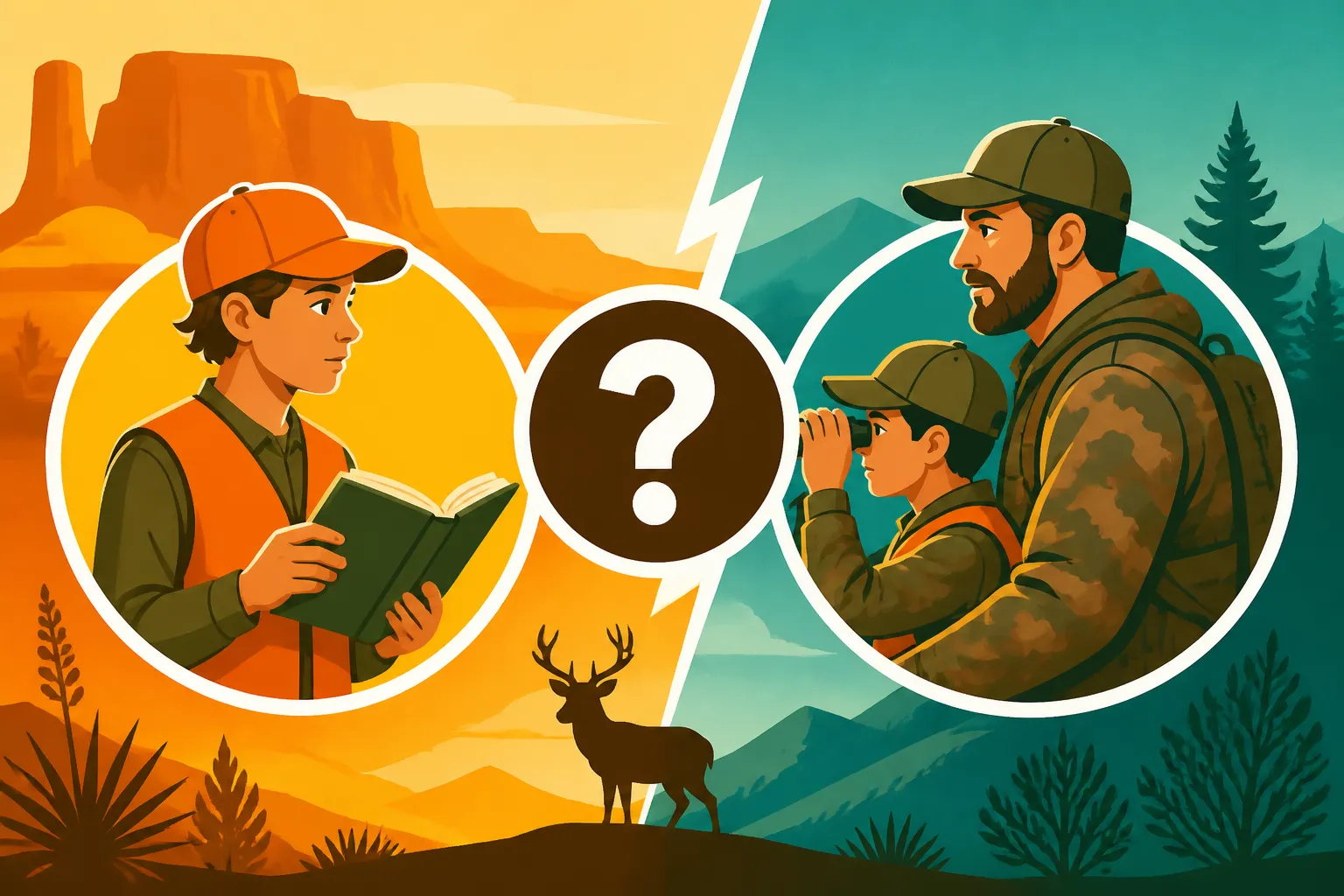
This is where the rubber meets the road on why these two are distinct. A hunter education number signifies that an individual has demonstrated competence and understanding to hunt safely and ethically on their own. It's a personal certification of knowledge. A mentor number, however, signifies an adult's eligibility and responsibility to supervise a new, uncertified youth.
They serve fundamentally different purposes: one certifies the hunter, the other certifies the supervisor. One is about individual readiness, the other is about facilitated learning under direct guidance. Because of these distinct roles, an adult’s hunter education number (or even a youth’s eventual hunter education number) cannot fulfill the specific requirement of a mentor number for the Mentored Youth Program. The program explicitly requires a registered mentor to provide that critical oversight.
Why a Mentor Number is Different
Let’s really break down why these two aren't interchangeable. The NMDGF has a clear goal with the Mentored Youth Program: to foster new hunters in a controlled, educational environment. The mentor number is central to this.
Legal Responsibility and Direct Supervision
The biggest differentiator lies in legal responsibility and direct supervision. When an adult registers for and uses a mentor number, they are taking on a direct legal responsibility for the youth hunter. This isn't just about sharing a blind or walking through the woods together; it means the mentor must be within "arm's reach" or "direct control" of the youth at all times, ready to take immediate action if needed. This level of oversight is far more stringent than simply hunting alongside another licensed hunter who has their own hunter education.
The mentor is responsible for ensuring the youth's firearm is handled safely, that they understand target identification, and that they comply with all tagging and harvest regulations. This direct, constant supervision is precisely what the mentor number enables, and it is a level of accountability that hunter education alone doesn't address. It’s also why Must a Mentored Youth Be a First-Time Hunter? is a key consideration for entry into the program.
Program Specificity for First-Time Hunters
The Mentored Youth Program is specifically tailored for first-time hunters who are still in their formative learning years. It’s designed to bridge the gap between having no experience and being fully hunter education certified. This distinction is crucial. Hunter education is a comprehensive course that assumes a certain level of readiness to absorb a lot of information and practical skills. For very young hunters, or those just starting out, the hands-on, one-on-one instruction from a dedicated mentor is often more effective and safer.
The mentor number, therefore, is tied directly to this introductory phase. It allows a youth to legally participate in a hunt before they've had to complete the full hunter education curriculum. Without that mentor number, a youth who hasn't completed hunter education cannot legally hunt. It's a temporary allowance, contingent on active adult supervision.
A Comparative Look: Hunter Education vs. Mentor Number
To really drive home the difference, let’s look at a quick comparison:
| Feature | Hunter Education Number | Mentor Number |
|---|---|---|
| Purpose | Certifies individual hunter's knowledge & safety skills | Certifies adult to supervise uncertified youth |
| Holder | The hunter (youth or adult) | The supervising adult |
| Requirement For | Most hunters born after 1/1/1957 to purchase license | Adults supervising mentored youth hunters |
| Prerequisite For Youth | Hunting independently (after reaching age) | Allows youth to hunt before hunter education |
| Focus | Individual competence, safety, ethics, regulations | Direct supervision, legal responsibility, hands-on teaching |
| Interchangeable? | No, cannot replace a mentor number for supervision | No, cannot replace hunter education for independent hunting |
As you can clearly see, they’re designed for different roles and different people within the hunting scenario. One doesn’t negate the need for the other; rather, they complement each other, offering a comprehensive path to responsible hunting.
Navigating the Requirements for Youth Hunters
So, how do you make sure you’re doing everything by the book when taking a youth hunting in New Mexico? It boils down to understanding the age of the youth and their current certification status.
The Path for Uncertified Youth
If you have a young, aspiring hunter who hasn’t yet completed hunter education and meets the age and "first-time hunter" criteria, the Mentored Youth Program is your go-to. First, the supervising adult needs to obtain a mentor number. This is usually done through the NMDGF website and requires meeting specific criteria, like being at least 18 years old and having a valid New Mexico hunting license. Once that mentor number is secured, the youth can then purchase a Mentored Youth Hunting License. Remember, the youth must still purchase appropriate tags for the species they intend to hunt, and they must always be under the direct, physical supervision of the registered mentor.
It’s an amazing opportunity to share your passion, and using digital tools like GoHunt can help you plan these initial adventures. You can use their mapping features to scout potential public lands or look at game concentrations, helping you choose accessible areas that are suitable for a young hunter’s first experience. Planning ahead, including understanding Legal Shooting Hours and Blaze Orange in New Mexico, is crucial for a successful and safe outing.
The Path for Hunter Education Certified Youth
Once your youth hunter completes their hunter education course and receives their certification, they transition out of the Mentored Youth Program and can begin hunting independently (within age restrictions for specific licenses). At this point, they no longer need a mentor number to participate in a hunt. Their hunter education number, along with a valid hunting license and appropriate tags, allows them to hunt without the direct supervision requirement of the mentor program.
This is often a proud moment for both the youth and the mentor, signifying a new level of independence and responsibility. They’ve graduated from being mentored to being a fully certified, responsible hunter. This means they are now fully accountable for their actions in the field, just like any other adult hunter. They'll be ready to tackle advanced scouting, perhaps using tools from GoHunt to analyze draw odds or explore new units for future hunts, as discussed in E-Scouting a New Mexico Unit Before the Season.
Resources and Staying Compliant
The New Mexico Department of Game and Fish website is your ultimate resource for current regulations, applications, and program details. It’s always changing, so getting familiar with Reading the New Mexico Rules and Info Booklet each year is incredibly important. Never assume old rules still apply.
When in doubt, don't hesitate to call the NMDGF directly. Their staff are there to help clarify any confusion and ensure you're hunting legally and safely. They'd much rather answer a question than deal with a violation in the field. Remember, the goal is always to create safe, ethical, and enjoyable hunting experiences, especially for the next generation.
Disclaimer
Please remember that hunting regulations can change frequently. The information provided here is for general guidance and educational purposes only. Always consult the official New Mexico Department of Game and Fish regulations handbook or website for the most current and accurate information before planning any hunting activity.