Where Ibex Hunting Happens in New Mexico
For many hunters, the thought of pursuing an exotic species like the Persian ibex in New Mexico feels like a distant dream, almost mythical. It's a hunt steeped in lore, renowned for its extreme difficulty and the incredibly specific, rugged landscape where these magnificent animals call home. If you’ve ever wondered about tagging one of these incredible mountain dwellers, this guide is going to walk you through exactly where ibex hunting happens in New Mexico, what makes it such a unique challenge, and how you can prepare for an experience unlike any other in the Southwest.
The Unique Challenge of Ibex Hunting in New Mexico
Let's be real, ibex hunting in New Mexico isn't for the faint of heart, or for those who prefer leisurely strolls. It's a brutal, exhilarating, and deeply rewarding experience precisely because of where these animals live. Unlike elk or deer that roam vast tracts of forest and desert, the ibex are confined to a single, incredibly rugged mountain range, making their pursuit both concentrated and exceptionally demanding.
The Florida Mountains: Their Only Home
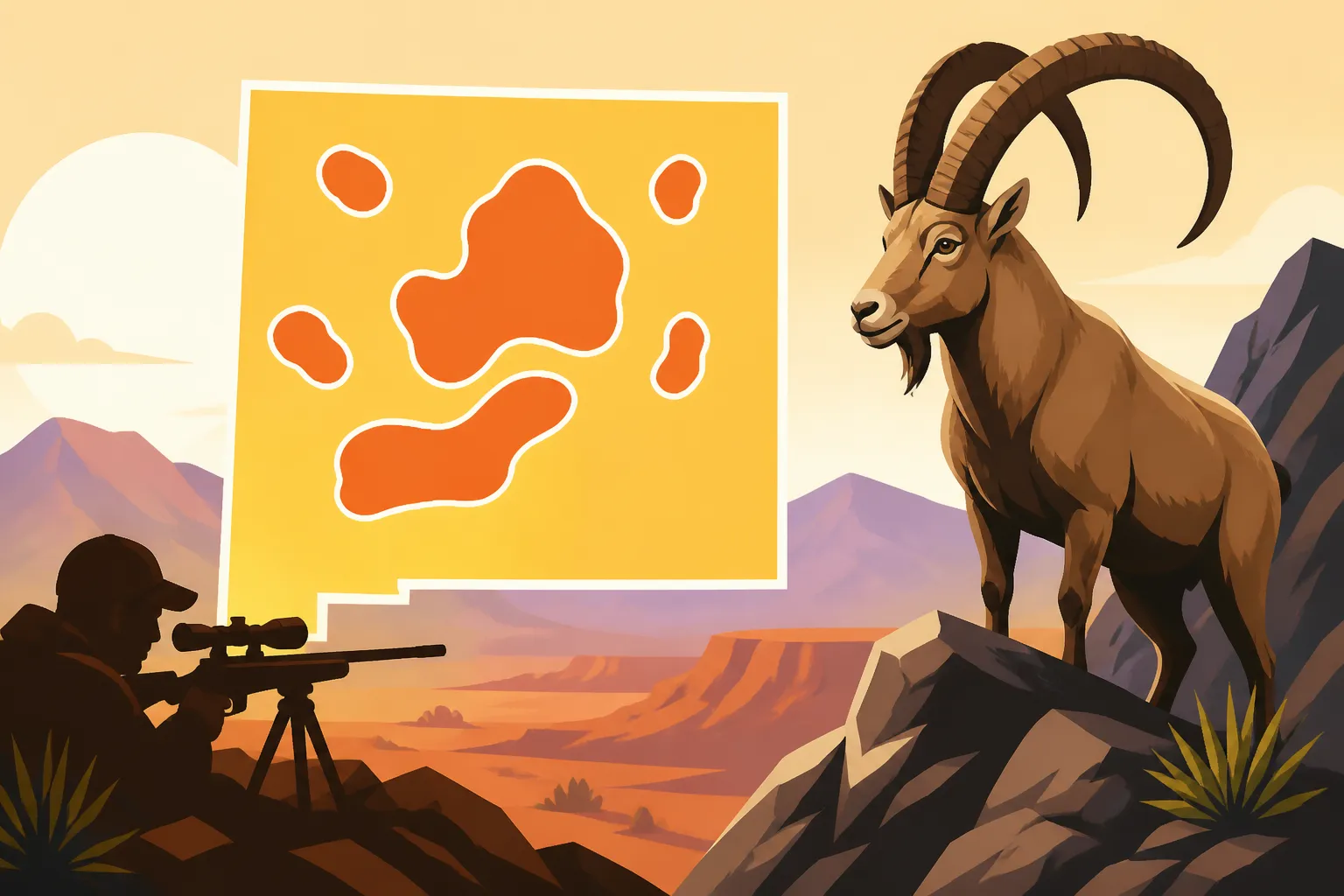
When we talk about ibex hunting in New Mexico, there's only one place on the map that truly matters: the Florida Mountains, often affectionately called "The Floridas" by locals and seasoned hunters. This isolated range, rising sharply from the Chihuahuan Desert floor just south of Deming, New Mexico, is the sole domain for free-ranging Persian ibex in the entire Western Hemisphere. You won't find them anywhere else in the state, or even the country, outside of zoos or private ranches. This geographical exclusivity is what makes drawing an Ibex tag a once-in-a-lifetime opportunity for most, and why the Florida Mountains are etched into the minds of every serious mountain hunter. The terrain here is a vertical labyrinth of jagged peaks, loose scree, and treacherous cliffs, designed, it seems, to keep all but the most determined at bay. This isn't country you can simply wander into; it demands respect, preparation, and an almost masochistic love for vertical suffering. If you want to know more about the specifics of hunting this range, check out our piece on Ibex Hunting in the Florida Mountains.
A Relict Population and Their Story
The presence of Persian ibex in New Mexico is a fascinating story of conservation and adaptation. These animals aren't native to North America; they were first introduced to the Florida Mountains in the late 1960s and early 1970s by the New Mexico Department of Game and Fish. The goal was to establish a unique big game hunting opportunity and to utilize habitat that wasn't being used by other native species. It wasn't a simple process, and there were several attempts before a self-sustaining population finally took hold. The chosen stock came from Iran, making these animals true transplants, thriving in an environment remarkably similar to their ancestral homelands. Learning How Ibex Were Introduced to New Mexico truly highlights the uniqueness of this hunt. They are incredibly agile, perfectly camouflaged against the rocks, and possess eyesight that will make you question your own abilities. This relict population has flourished in the harsh conditions, transforming the Florida Mountains into a world-class destination for hunters seeking the ultimate challenge.
Understanding the Florida Mountains Terrain and Access
The Florida Mountains aren't just part of the hunt; they are the hunt. Their geology, elevation, and sheer ruggedness dictate every move you make, every step you take, and every strategy you employ. It's a landscape that is simultaneously beautiful and brutal, offering stunning vistas alongside gut-wrenching ascents and descents.
Navigating the Rugged Landscape
Imagine a mountain range that seems to defy gravity, a chaotic jumble of volcanic rock, granite, and limestone thrust skyward. That's the Florida Mountains. Elevations range from around 4,500 feet at the base to over 7,400 feet at Florida Peak. While this might not sound like "high elevation" compared to the northern Rockies, the relative relief is immense, with sheer rock faces and deep, narrow canyons carving up the landscape. There are very few established trails, and those that exist are often faint, steep, and covered in ankle-twisting scree. Travel is almost exclusively off-trail, requiring intense scrambling, climbing over boulders, and navigating loose rockslides. Every step is an effort, and every gain in elevation is hard-won. The vegetation is sparse, primarily desert scrub, cacti, and juniper, offering little cover or relief from the intense sun. This is a place where your boots, trekking poles, and mental fortitude will be tested every single day.
Public Access Points and Limitations
Access to the Florida Mountains is primarily through state land, which surrounds the core mountain range. While much of the land is public, getting deep into the most productive ibex habitat often means hours of hiking from designated parking areas. There are a few main access points, often just pull-offs along state roads or small parking areas at the base of the mountains. It's critical to have detailed maps and e-scouting tools to understand these entry points and avoid private land. Companies like GoHunt offer excellent mapping resources that can help you visualize the terrain, identify potential access routes, and pinpoint areas of public land. Before you even set foot on the mountain, E-Scouting a New Mexico Unit Before the Season is an invaluable step to familiarize yourself with the topography, identify potential water sources, and plan your approach. Be aware that cell service can be spotty or nonexistent once you climb into the canyons, so reliable navigation tools are absolutely essential.
Preparing for Extreme Conditions
The Chihuahuan Desert climate is defined by extremes. Even during the cooler fall and winter months when ibex hunts typically occur, temperatures can swing wildly from freezing nights to warm, sunny days. The desert sun, even in winter, can be intense, leading to rapid dehydration. Wind is a constant companion, especially at higher elevations, and can make glassing incredibly challenging. Water sources are scarce and unreliable; you must carry enough water for your entire day's hunt, and then some. This means heavy packs, even for day hunts. When planning your trip, consider the seasonal variations; early season hunts might deal with warmer temperatures, while later hunts could see snow and ice on the north-facing slopes, adding another layer of danger. Your clothing system needs to be versatile, capable of handling significant temperature fluctuations and offering protection from both sun and wind. Don't forget, Heat Management on an Early Season Hunt can be just as crucial as staying warm in colder weather.
Strategies for a Successful Florida Mountains Ibex Hunt
Successfully hunting ibex in the Florida Mountains requires a blend of exceptional physical conditioning, advanced glassing techniques, and an iron will. It’s a chess match played on a vertical board, where the ibex holds most of the advantages.
Glassing Techniques for Elusive Ibex
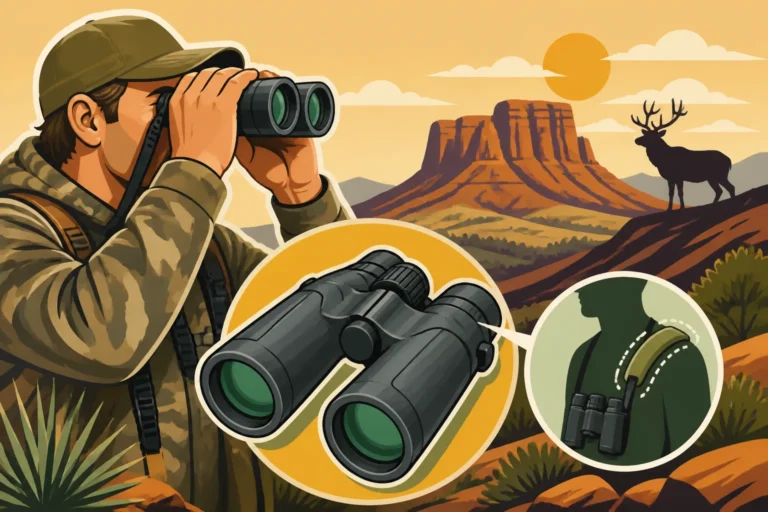
Given the vast, broken nature of the Florida Mountains, glassing is not just a tactic; it's the foundation of your hunt. You simply cannot effectively cover enough ground on foot to find these animals without spending significant time behind good optics. This means investing in a high-quality spotting scope, powerful binoculars (10x or 12x are common), and a sturdy tripod. Setting up a Tripod Setup for Glassing From a Ridge is non-negotiable. You'll spend hours, possibly days, picking apart every rockslide, every patch of scrub, every shadow on distant slopes. Ibex blend in seamlessly with their surroundings, often appearing as nothing more than a sun-baked rock. Look for movement, subtle color variations, or the distinctive horn shapes. Pay close attention to north-facing slopes in the morning as they warm up, and south-facing slopes in the afternoon. Utilize the "grid glassing" method, systematically covering sections of the mountain to ensure you don't miss anything. The ability to identify an ibex from a mile away is often the difference between success and failure. For more on this, checking out what Optics Power for New Mexico's Open Country is recommended.
The Stalk: A Test of Endurance and Skill
Once you've spotted an ibex, the real work begins. The stalk in ibex country is unlike almost any other hunt. You're often starting from extreme distances, and the terrain between you and the animal is rarely flat or forgiving. It involves navigating steep, loose rock, exposed ridges, and deep canyons that might require significant elevation loss and gain. Quiet movement is paramount, as the ibex have incredible hearing and a sixth sense for danger. Playing the wind is critical, especially in the swirling thermals of the mountains. You'll often find yourself having to move to an advantageous position only to lose sight of the animal for extended periods, hoping it hasn't moved. Patience is an absolute virtue. This is where your physical condition and mental toughness truly shine. Expect to climb, crawl, and sometimes even slide to get into shooting position. And when you finally do, remember to take your time and make the shot count; there are rarely second chances on a spooked ibex. Understanding how to differentiate between male and female ibex, and recognizing mature billies, is also crucial, so take some time to learn about Judging an Ibex in the Florida Mountains before your hunt.
Physical and Mental Preparation is Key
I cannot stress this enough: an ibex hunt in the Florida Mountains is a full-body workout, mentally and physically. You need to be in peak physical condition. This isn't about being able to run a marathon; it's about being able to hike aggressively with a heavy pack up and down steep, uneven terrain for hours on end, day after day, often at a high elevation. Cardiovascular fitness is crucial, as is leg strength, core stability, and ankle resilience. Start your Preparing Physically for a High Elevation Hunt regimen months in advance, incorporating plenty of hiking with weight, stair climbing, and strength training. But beyond the physical, the mental game is just as important. The Florida Mountains will test your patience, push you to your limits, and sometimes make you question why you ever thought this was a good idea. There will be frustrating moments, missed opportunities, and exhausting climbs. The ability to maintain a positive mindset, stay focused, and keep pushing forward despite the discomfort is what separates successful ibex hunters from those who quit. It's a grind, but the reward is truly unparalleled.
Drawing an Ibex Tag and What Comes Next
Getting an ibex tag is often the hardest part of the entire hunt, a testament to the limited opportunities and high demand for this unique experience. New Mexico manages ibex tags through a lottery draw system, making success largely dependent on luck and a solid application strategy.
Understanding the Draw Odds
New Mexico does not use a preference point system, meaning every applicant, resident or non-resident, generally has the same odds of drawing a tag each year, regardless of how many times they've applied in the past. This can be both a blessing and a curse. While it gives first-time applicants a fair shot, it means your odds don't improve over time. Ibex tags are notoriously difficult to draw, with success rates often in the single digits, especially for the more desirable hunts. This low probability means many hunters apply for years, even decades, before finally seeing their name on the successful applicants list. Platforms like GoHunt are indispensable for researching draw odds and past harvest data, helping you make informed decisions about your application. You'll want to review New Mexico Ibex Draw Odds carefully before putting in. Remember, The New Mexico Application Deadline Date typically falls in March, so mark your calendar and ensure your application is submitted well in advance. Then comes the agonizing wait until When New Mexico Posts Draw Results.
Essential Gear for the Floridas
Beyond your weapon of choice, the gear you bring to the Florida Mountains can make or break your hunt. Given the extreme terrain and conditions, preparation is paramount. Here’s a quick rundown of some non-negotiable items:
| Category | Essential Gear | Why It's Crucial |
|---|---|---|
| Footwear | Sturdy, high-ankle hiking boots | Unmatched ankle support on loose scree and rocky slopes. |
| Optics | High-quality binoculars (10x-15x), spotting scope, sturdy tripod | Essential for locating ibex from long distances; they blend in incredibly well. |
| Navigation | GPS device, detailed paper maps, compass, satellite communicator | Cell service is unreliable; vital for safety and finding your way in rugged terrain. |
| Hydration | Hydration pack, multiple water bottles, water filter | Water sources are scarce and often contaminated; carry more than you think you need. |
| Packs | Day pack (25-40L), multi-day pack (if applicable) | Comfortable for carrying heavy loads (water, gear, meat) over rough terrain. |
| Clothing | Layers (base, mid, outer), durable hunting pants | Adapt to extreme temperature swings, protect against brush and rock. |
| Safety | First-aid kit, headlamp, knife, fire starter, emergency shelter | Accidents can happen quickly in this unforgiving environment. |
| Other | Trekking poles, gloves, knee pads | Reduce impact on knees, provide stability, protect hands, make crawling bearable. |
When selecting your Choosing Boots for Rocky Desert Ground, prioritize durability and support. You'll be putting them through the wringer. Trekking poles are an absolute game-changer for stability on steep descents and for conserving energy on climbs. Think about every piece of gear you bring; if it doesn't serve a critical purpose, leave it behind. Light is right, but not at the expense of safety or effectiveness.
Hunting ibex in New Mexico is a journey of epic proportions. It's not just about harvesting an animal; it's about pushing your limits, experiencing an incredibly unique ecosystem, and immersing yourself in a challenge that few hunters ever undertake. The Florida Mountains will demand everything you have, but for those who answer the call, the reward is an unforgettable adventure and a trophy earned through sweat, grit, and unwavering determination.
Disclaimer
Please note that hunting regulations, seasons, and fees can change. Always consult the official New Mexico Department of Game and Fish website or the current year's hunting proclamation for the most up-to-date and accurate information before planning any hunt. This article is intended for informational purposes only and should not be considered legal advice.