Are Crossbows Legal for Big Game?
Trying to figure out the exact rules for hunting with a crossbow in New Mexico can feel like navigating a maze, especially with all the differing regulations and interpretations out there. It’s a common frustration to wonder if your equipment is even legal for the season you've drawn. This guide aims to clear up the confusion, providing a straightforward look at New Mexico's regulations surrounding crossbow use for big game.
The General Rule for Crossbows in New Mexico Big Game Hunting
Let’s cut right to the chase: yes, crossbows are legal for big game hunting in New Mexico, but with very specific and important caveats. They aren't universally allowed in all seasons, and there are particular conditions that often apply. The critical distinction usually boils down to whether you're hunting in an "any legal weapon" season or an "archery-only" season, and if you possess a specific permit.
For most general hunting seasons, often designated as "any legal weapon" or "muzzleloader" (provided the hunt code explicitly permits "legal hunting arms" which can include crossbows), a crossbow is generally considered a legal implement. However, the game changes entirely when you look at those coveted "archery-only" tags. New Mexico’s Game and Fish Department is quite clear: general archery seasons are reserved for traditional vertical bows, not crossbows, unless you have a specific mobility-impaired or handicapped hunting permit. It's a key detail that can make or break your hunt planning, and one many hunters overlook until it's too late.
Who Qualifies for Crossbow Use in Specific Seasons
The biggest exception to the "no crossbows in archery-only seasons" rule in New Mexico is for hunters with mobility impairments or disabilities. The New Mexico Department of Game and Fish (NMDGF) understands that physical limitations can prevent someone from effectively drawing and holding a traditional compound or recurve bow. To accommodate these hunters, they have a permit process in place.
If you have a qualifying disability that affects your ability to operate a vertical bow, you can apply for a special certificate that allows you to use a crossbow during any big game archery season. This isn't just a casual self-declaration; it typically requires a physician's statement verifying the disability. The intent is to ensure that those with genuine physical challenges can still participate in the archery seasons. It's important to apply for this well in advance of the draw or your hunt, as processing times can vary, and you certainly don't want to be caught without the proper documentation. Remember, even with a permit, you're still bound by all other regulations, such as legal shooting hours for big game.
Youth hunters are another group that sometimes gets special consideration. While New Mexico has an excellent New Mexico Mentored Youth Program Explained that allows younger hunters to participate before completing hunter education, specific crossbow allowances for youth in archery seasons generally fall under the same disability guidelines as adults, rather than a blanket age-based exemption. It’s always best to check the current year’s regulations carefully, as rules can occasionally be updated.
Crossbows in Archery-Only Seasons
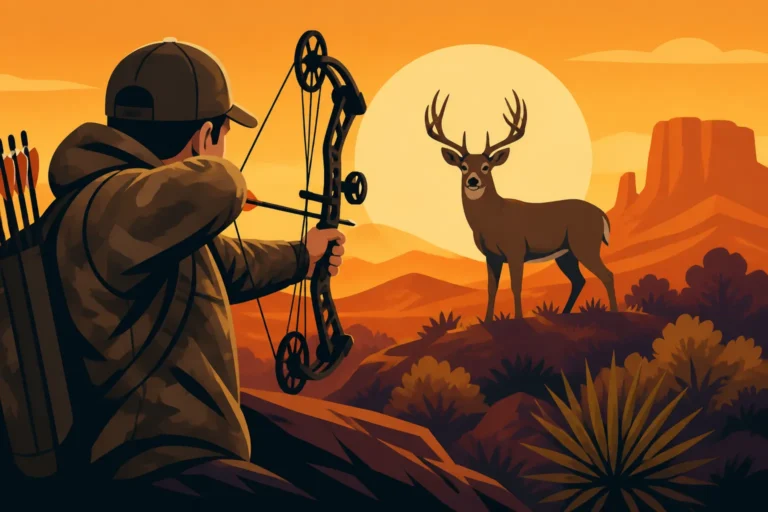
This is where the rubber meets the road for many aspiring crossbow hunters in New Mexico, and it’s often the source of the most confusion. As mentioned, for the vast majority of hunters, crossbows are expressly not permitted during designated "archery-only" big game seasons. This includes popular elk, deer, and antelope archery hunts. The rationale behind this is to maintain the traditional challenge and methods associated with bowhunting, which often involve getting much closer to the animal due to the limitations of a vertical bow compared to a crossbow.
The NMDGF carefully defines what constitutes legal archery equipment for these seasons, and a crossbow, without the specific mobility-impaired permit, does not fit that definition. So, if you've drawn a coveted first or second archery deer season tag, like those discussed in Hunting New Mexico's Two Back-to-Back Archery Deer Seasons, you need to be practicing with your compound, recurve, or longbow, not your crossbow. Showing up with a crossbow without the proper permit for an archery-only hunt could lead to severe penalties, including fines and loss of hunting privileges. It's simply not worth the risk. Always check the specific hunt code for your drawn tag; if it says "archery only," assume vertical bow unless you have that special permit.
Understanding New Mexico's Weapon Definitions
To truly grasp the legality of crossbows, it’s essential to dive into how New Mexico defines hunting weapons. The NMDGF regulations are quite precise, and understanding these definitions is key to staying on the right side of the law. They don’t just casually lump "bows" and "crossbows" together. Each type of weapon, whether it’s a muzzleloader, a rifle, or various forms of archery equipment, has its own set of parameters and permitted uses.
When you crack open the annual rulebook, you’ll see specific sections detailing what constitutes a legal "bow" for archery season. This includes stipulations on draw weight, minimum arrow length, and broadhead requirements. Crossbows, on the other hand, are treated as a distinct category, or sometimes as a general "legal hunting arm" that is allowed when no specific "archery only" restriction is present. This differentiation is critical because it directly impacts which seasons and hunts you can participate in with your chosen equipment. It's a nuanced but vital distinction that underscores why careful study of the regulations is paramount.
What Constitutes a Legal Crossbow
When a crossbow is permitted for a New Mexico big game hunt (typically in "any legal weapon" seasons or with a special permit in archery season), it must still meet certain legal requirements. While the NMDGF doesn't typically specify a minimum draw weight for crossbows in the same way they do for vertical bows (e.g., Minimum Bow Draw Weight for Big Game), they do have rules regarding the projectile and general safe operation.
First and foremost, the bolts (arrows) shot from a crossbow must adhere to the same broadhead requirements as vertical bows. This means broadheads must be fixed-blade or expandable (mechanical) with specific cutting diameters. For example, Broadhead Requirements for Bowhunting details that fixed-blade broadheads must be at least 7/8 inch wide, and expandable broadheads must expand to at least 7/8 inch. These rules are in place to ensure a humane kill. Additionally, the crossbow itself must be safe, in good working order, and capable of projecting a bolt with sufficient force for big game. Many crossbows today come with advanced safety features, but it's always the hunter's responsibility to ensure their equipment is legal and ethically suitable for the game pursued.
Where Crossbows Fit in Hunt Codes
New Mexico’s hunt codes are the Rosetta Stone for understanding specific season regulations. Each code is a condensed instruction manual, outlining the unit, species, weapon type, and dates for a particular hunt. You can learn more about how to decipher these codes in Reading a New Mexico Hunt Code Before You Apply. This is where the legal status of your crossbow becomes absolutely clear.
Generally, hunt codes will specify "Archery," "Muzzleloader," "Any Legal Weapon," or sometimes "Primitive Weapons" (which has its own unique rules, covered in What Makes a Weapon Primitive Under the Rules).
Here’s a simplified breakdown of where crossbows typically fit:
| Hunt Code Designation | Crossbow Legality | Notes |
|---|---|---|
| Archery-Only | No | Unless you possess a specific mobility-impaired permit. |
| Muzzleloader | Typically Yes | Check specific regulations. Often, the term "legal hunting arms" allows for crossbows, but this is less common than in "Any Legal Weapon" seasons. |
| Any Legal Weapon | Yes | This is the most common designation where crossbows are unequivocally legal, alongside rifles, shotguns, and vertical bows. |
| Primitive Weapons | No | Primitive weapons seasons are strictly defined and typically exclude modern crossbows. |
It is crucial to understand that these designations are not always static; they can vary by species, unit, and even change year to year. For instance, a deer hunt in a certain unit might be "any legal weapon" during one window, but strictly "archery-only" during an earlier window. The regulations found for Hunting the Any Legal Weapon Deer Windows would apply to crossbow users, while the archery windows would not. Always consult the official NMDGF "Rules & Information Booklet" for the current year's regulations to avoid any costly misunderstandings.
Navigating Regulations and Planning Your Hunt
The dynamic nature of hunting regulations in New Mexico means that successful hunters aren't just skilled in the field, they're also diligent researchers. It's not enough to hear a rumor or rely on what was true last year. The New Mexico Department of Game and Fish updates its "Rules & Information Booklet" annually, and this document is your definitive source for all current regulations, including those pertaining to weapon legality. This proactive approach to understanding the rules prevents unwelcome surprises and ensures your hunt is both legal and ethical.
Moreover, every hunt code, which identifies a specific hunting opportunity, is like a mini-contract. It lays out the precise conditions under which you can hunt a particular species in a given unit during a set timeframe. Ignorance of these codes is not a viable defense. Taking the time to read and comprehend these details is as important as sighting in your weapon or practicing your calls. It’s an integral part of responsible hunting and ensures you’re not just participating, but doing so within the established framework designed to manage and conserve wildlife.
Checking Your Specific Hunt Code
When you draw a tag, or even before you apply, your first order of business should be to meticulously examine the hunt code associated with that opportunity. New Mexico numbers its units, and then attaches a specific code to each hunt, like "E-1-110" for a general elk hunt. These codes are not arbitrary; they convey a wealth of information about the hunt, including the legal weapon type. As we've discussed, the presence of "Archery" in the weapon description of a code immediately flags it as a vertical-bow-only hunt, unless you hold that special mobility-impaired permit.
Platforms like GoHunt provide excellent tools for navigating these hunt codes and filtering opportunities based on weapon types. Using their detailed draw odds and unit information, you can strategically apply for hunts that align with your chosen equipment, whether that's a crossbow or a traditional bow. This kind of e-scouting and research, as detailed in guides like E-Scouting a New Mexico Unit Before the Season, can save you a lot of time and potential disappointment. The regulations do shift from year to year, sometimes subtly, sometimes significantly. A common example might be a unit that was "any legal weapon" for deer in November suddenly having an October archery-only season added. Always verify with the most current NMDGF regulations booklet; it’s your ultimate authority.
Ethical Considerations and Practice
Beyond the legalities, there are important ethical considerations when choosing to hunt with a crossbow. While modern crossbows are incredibly accurate and powerful, they do have different ballistic characteristics and effective ranges than vertical bows. A crossbow can certainly extend your effective range compared to a traditional bow, but that doesn't mean ethical shot distances disappear. It's crucial to practice extensively with your crossbow at varying distances, from different positions, and under simulated field conditions. Understand its capabilities and, more importantly, your capabilities with that specific weapon.
A well-placed shot is paramount for a quick, humane kill, regardless of the weapon. This means understanding the animal's anatomy, practicing shot placement, and knowing when to pass on a shot that isn't ideal. While a crossbow might give you greater stability and a more rifle-like sight picture, it's still a projectile weapon that requires a keen understanding of trajectory, wind, and animal movement. Never let the perceived ease of use lead to overconfidence. Continued practice, just like with a rifle or vertical bow, ensures you are prepared to make an ethical shot when the moment of truth arrives.
Brands and Resources for Crossbow Hunters
When considering crossbow hunting in New Mexico, having reliable information and equipment is paramount. Beyond just the legal aspects, hunters need to be armed with knowledge about high-quality crossbows and effective ways to navigate the complex world of draw odds and unit-specific details. While the NMDGF provides the rules, resources like GoHunt offer invaluable data-driven insights that can dramatically improve your hunting strategy, especially when deciding which hunts to apply for with your crossbow.
For equipment, the crossbow market has grown exponentially, offering a wide array of choices from reputable manufacturers. Brands such as TenPoint, Ravin, and Excalibur are often cited for their innovation, reliability, and accuracy, providing options for every budget and hunting style. However, the true advantage comes from knowing how to pair the right equipment with the right opportunity, and that's where comprehensive hunting platforms become indispensable.
Utilizing GoHunt for New Mexico Research
If you’re serious about hunting in New Mexico, especially when trying to pinpoint which seasons and units are suitable for crossbow use, resources like GoHunt are indispensable. GoHunt provides detailed data, draw odds, and unit profiles that can help you plan your application strategy. Their platform allows you to research specific hunt codes, understand success rates, and identify "any legal weapon" units where your crossbow will be a valid option.
For instance, you might use GoHunt's filter options to look specifically for elk or deer hunts that are designated "any legal weapon," thereby narrowing down your choices to those where a crossbow is permitted without a special permit. This takes much of the guesswork out of the application process. Their maps and scouting tools can also help you understand the terrain, access points, and public land percentages within specific units, which is crucial for Judging Access Before You Draw a Tag. Ultimately, combining the official NMDGF regulations with analytical tools from platforms like GoHunt empowers you to make highly informed decisions for your New Mexico hunting adventures.
Consulting the New Mexico Department of Game and Fish
While third-party resources like GoHunt are fantastic for data analysis and planning, the absolute, final word on all regulations, including crossbow legality, always comes directly from the New Mexico Department of Game and Fish (NMDGF). Every year, they publish a comprehensive "Rules & Information Booklet" that details all hunting and fishing regulations. This booklet is available online as a PDF and often in print at license vendors across the state.
It is your responsibility as a hunter to read and understand this document. This is where you'll find the most up-to-date definitions of legal weapons, specific season dates, unit boundaries, and any special provisions for crossbow use, such as the mobility-impaired permit application process. Don’t rely solely on hearsay or outdated information. Always cross-reference any information with the official NMDGF booklet for the current year. You can find out Where the Current New Mexico Regulations Are Posted directly on their website. It’s the single most important document to consult before heading afield with your crossbow, or any other hunting weapon, in New Mexico.
Disclaimer
Please note that hunting regulations are subject to change. While this guide provides comprehensive information based on current understanding, it is always the hunter's responsibility to consult the most recent official New Mexico Department of Game and Fish "Rules & Information Booklet" and any applicable proclamations before planning or engaging in any hunting activity.