Why Mentored Youth Must Be First-Time Hunters
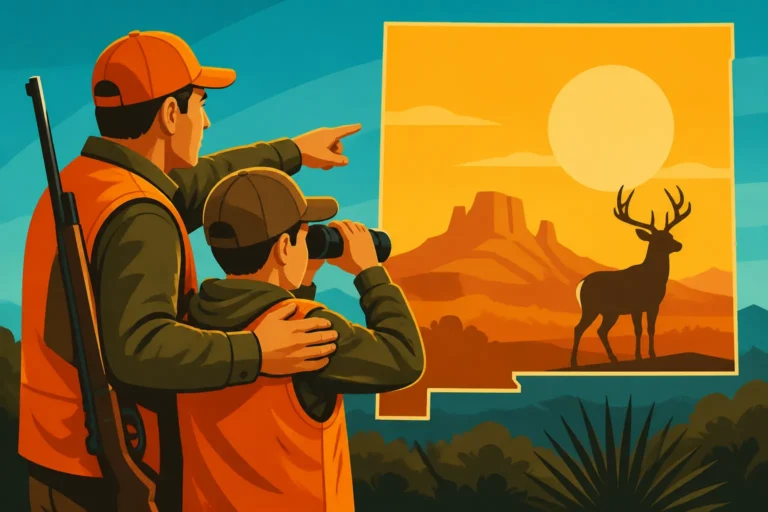
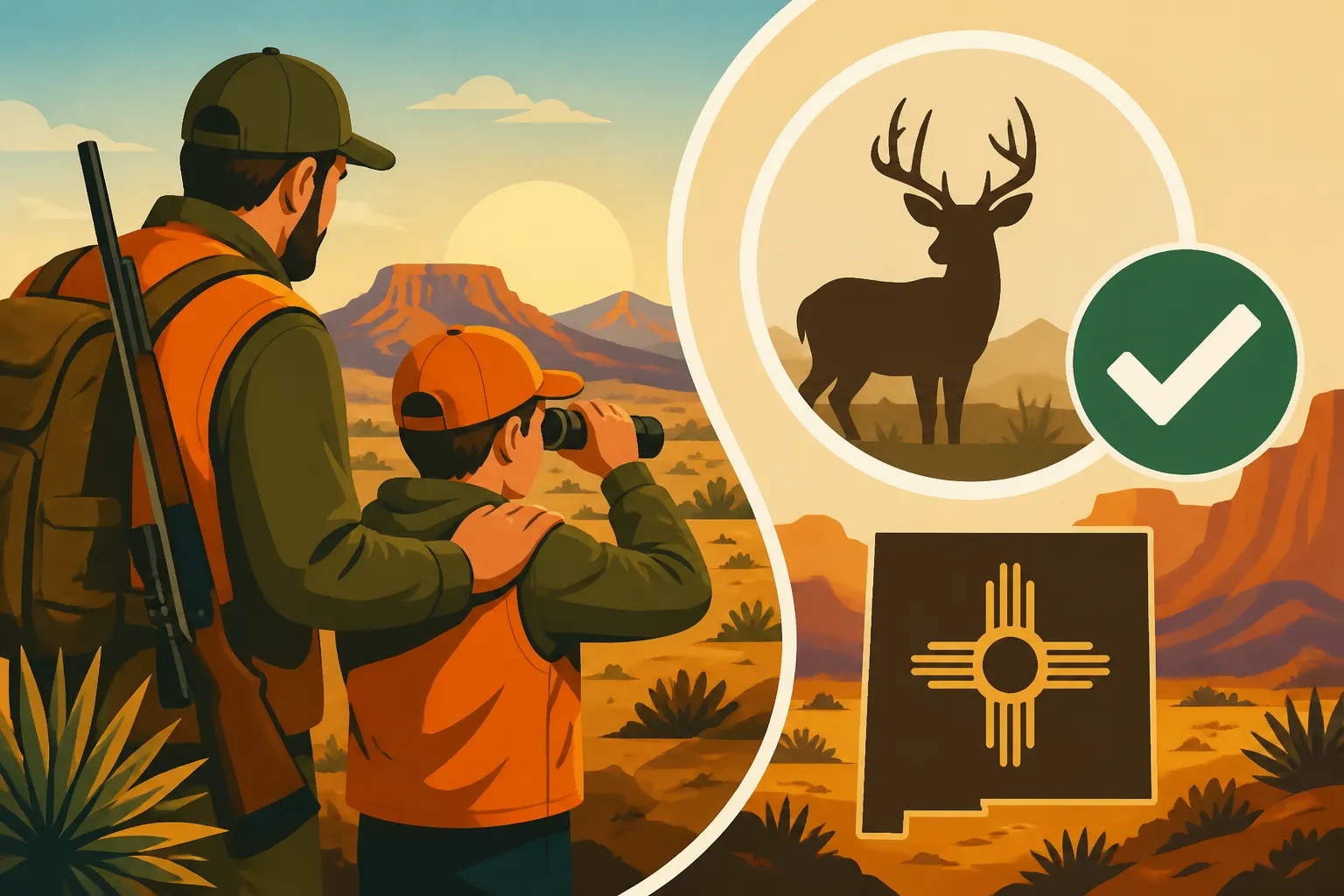
It’s a truly special experience to introduce a young person to the outdoors, to the quiet solitude of the mountains, or the stark beauty of the desert, all with a purpose. Many of us want to share the tradition of hunting with our kids, grandkids, or even a neighbor's child who shows interest. But when you dive into New Mexico's Mentored Youth Program, one rule often trips people up: the requirement that mentored youth must be first-time hunters. This guide will cut through the confusion and explain exactly why this rule is in place, what it means for you and your aspiring young hunter, and how to navigate it to give them the best start possible.
The Heart of the Mentored Youth Program: Learning, Not Tagging Out
New Mexico's Mentored Youth Program isn't just about getting a tag in a young hunter's hand. It's built on a much deeper philosophy: nurturing the next generation of ethical, safe, and responsible conservationists. The "first-time hunter" rule is central to achieving this goal, ensuring that the foundation laid is solid and true.
New Mexico's Philosophy on Hunter Development
The New Mexico Department of Game and Fish (NMDGF) has a clear vision when it comes to bringing new hunters into the fold. They're not just looking for more license sales; they're investing in the future stewardship of our wild places and game populations. The Mentored Youth Program is a critical piece of this puzzle, designed specifically to provide a structured, hands-on introduction to hunting under the watchful eye of an experienced adult. It acknowledges that hunting is a complex activity that requires not just skill with a firearm or bow, but also a deep understanding of wildlife, habitat, regulations, and, most importantly, ethics.
This program helps to instill values that go beyond the shot. It teaches respect for the animal, an appreciation for the outdoors, and the importance of conservation. It’s about building a connection to the land and its resources, fostering a sense of responsibility that will carry these young people through a lifetime of outdoor pursuits. It's a stepping stone, a carefully crafted bridge designed to lead enthusiastic youngsters toward becoming fully certified, self-reliant hunters.
Why "First-Time" Is Key to the Learning Curve
The insistence on "first-time" hunters isn't meant to exclude; it's designed to optimize the learning experience. Think about it like teaching someone to drive. You wouldn't hand the keys to a new driver who’s already developed a bunch of bad habits from unsupervised joyrides. You want them to start fresh, learning the proper techniques and rules from the ground up. The same principle applies here. When a youth is truly a "first-time" hunter, they come to the experience without preconceived notions or potentially unsafe practices picked up elsewhere.
This clean slate allows the mentor to build a strong foundation of safety, ethical decision-making, and practical hunting skills from scratch. It ensures that the first lessons learned are the right ones: how to handle a weapon safely, how to identify game, how to track, how to approach an animal ethically, and how to field dress and care for meat. If a child has already been hunting informally without proper guidance, they might have picked up habits that are difficult to unlearn later. The "first-time" requirement safeguards the integrity of this crucial initial instruction, making sure the mentor can truly shape a responsible hunter. It's about ensuring quality over quantity in those formative hunting experiences.
Understanding the "First-Time Hunter" Definition
The term "first-time hunter" can sometimes be a bit ambiguous, leading to questions and confusion among well-meaning parents and mentors. Let's clarify exactly what New Mexico means when it uses this phrase in the context of the Mentored Youth Program.
What Qualifies as "First-Time" in New Mexico
When the New Mexico Department of Game and Fish (NMDGF) refers to a "first-time hunter" for the Mentored Youth Program, they are primarily focusing on whether that individual has previously completed a Hunter Education course and received certification. The core idea behind the program is to offer an alternative path for young, uncertified individuals to experience hunting legally before they are required to complete the full Hunter Education course. So, if a youth has never completed an accredited Hunter Education course and does not possess a Hunter Education certificate or card from New Mexico or any other state, they generally qualify as a "first-time hunter" for this program.
It's important to differentiate between merely participating in some informal hunting activity in the past and formally completing Hunter Education. A child who has tagged along with a family member on a hunt, perhaps even carried a small game license, but has not gone through the structured Hunter Education curriculum, would still be considered a "first-time hunter" for the purposes of entering the Mentored Youth Program. The program is specifically designed to bridge the gap for these enthusiastic youngsters, allowing them a taste of big game or small game hunting under strict supervision before they commit to full certification. This allows families to test the waters, so to speak, and gauge a child’s genuine interest and readiness before embarking on the full Hunter Education journey.
Distinguishing Mentored Youth from Certified Hunters
The distinction between a mentored youth and a certified hunter is significant, defining their privileges and responsibilities in the field. A "mentored youth" is, by definition, operating under the direct guidance and license of their adult mentor. This means the mentor bears the primary responsibility for the youth's actions, ensuring adherence to all safety protocols and hunting regulations. The youth themselves do not need to possess a Hunter Education card because they are effectively hunting under the umbrella of their mentor's certification and experience. Their learning is hands-on and immediate, occurring in the field alongside a seasoned hunter. The beauty of the program is that it allows for this practical immersion without the prerequisite of formal classroom training, making the initial entry into hunting less daunting for many families.
In contrast, a "certified hunter" is an individual who has successfully completed an approved Hunter Education course, passed the necessary tests, and received their official certification card. Once certified, and provided they meet the minimum age requirements for specific licenses, these individuals can purchase their own hunting licenses and tags and hunt independently, or with supervision if they choose. They are presumed to have a foundational understanding of hunting laws, ethics, and safety. The Mentored Youth Program is a temporary status, a preparatory phase meant to cultivate that understanding before the youth transitions into becoming a fully certified, independent hunter. It’s a pathway to full participation, not a replacement for it, ensuring a gradual and informed entry into the hunting community.
The Program's Structure and Its Limitations
Understanding the structure of New Mexico's Mentored Youth Program, including its age limits and duration, is crucial for anyone considering this pathway. It's designed with specific intentions and, like any program, has its inherent limitations.
Age Brackets and Opportunities Within the Program
New Mexico's Mentored Youth Program is thoughtfully structured with age in mind, recognizing that younger children require even closer supervision and different types of opportunities than older youth. As detailed in resources like The New Mexico Mentored Youth Program Explained, the program covers a specific range of ages. Critically, Age Limits Inside the Mentored Youth Program dictate who can participate. For the youngest hunters, those under the age of 10, the focus is often on small game. What Mentored Youth Under Ten May Hunt typically includes species like rabbits and squirrels, where the pace might be slower, shots are often closer, and the overall experience can be less intense, providing a gentle introduction to the hunting experience. This allows them to learn weapon handling, target acquisition, and the basics of game identification in a lower-pressure environment.
As youth mature and gain experience, the program expands their opportunities. For those aged 10 and older who are enrolled in the program, What Mentored Youth Over Ten May Hunt can include big game, as long as they are accompanied by a licensed adult mentor and meet other specific requirements for that species. This progression allows young hunters to grow into more challenging hunts as their skills and maturity develop. However, it's vital to remember that the mentored youth status isn't forever. It’s designed as a two-year window, as explained in New Mexico Mentored Youth Can Hunt Two Years Before Certifying. This finite period, specifically How Long Mentored Youth Status Lasts, is intended to give them sufficient exposure to hunting while encouraging them to pursue full Hunter Education certification. After those two years, What Happens When the Two Years End, the youth must then complete Hunter Education to continue hunting legally in New Mexico.
Why the Mentored Youth Status Isn't a Permanent Solution
It’s easy to feel a little frustrated by the time limit on the Mentored Youth Program. You might think, "Why can't my child just stay a mentored youth indefinitely if they're learning so much?" However, the program was never intended to be a permanent workaround for Hunter Education. Instead, it serves as a robust, two-year apprenticeship. The idea is to provide a hands-on, field-based learning experience that ignites a passion for hunting and builds a foundation of practical skills and ethical understanding. This initial immersion is incredibly valuable, offering real-world application of concepts that might otherwise be abstract in a classroom setting.
The time limit serves a dual purpose. First, it ensures that participants are actively moving towards becoming fully independent, certified hunters. It prevents individuals from perpetually bypassing the important, comprehensive education provided by a formal Hunter Education course. Second, it encourages mentors and families to view the program as a dedicated period for intensive instruction and skill development, rather than a casual, ongoing activity. By the end of the two years, the youth should have a solid enough understanding and enough positive experiences to feel motivated and prepared to tackle the Hunter Education course, which is the gateway to full, lifelong hunting privileges in New Mexico and across the country. It’s a bridge, not a destination, preparing them for a future of confident and compliant hunting.
The Mentor's Crucial Role and Responsibilities
Without a dedicated and responsible mentor, the Mentored Youth Program simply wouldn't exist. The success of this initiative hinges entirely on the commitment and active participation of these experienced adults.
Becoming a New Mexico Mentor
Taking on the role of a mentor in New Mexico is a significant commitment, one that carries both immense rewards and serious responsibilities. It’s not just about having a hunting license; it’s about having the wisdom, patience, and dedication to guide a new hunter. To qualify, mentors must meet specific criteria. For instance, How Old a New Mexico Mentor Must Be is clearly defined, typically requiring the mentor to be 18 years of age or older. More importantly, they must be fully licensed and Hunter Education certified themselves, ensuring they possess the knowledge and legal standing to teach. Beyond these basic requirements, they also need to obtain a special "mentor number" from the New Mexico Department of Game and Fish, a process outlined in Getting a Mentor Number From New Mexico. This number links the youth directly to their mentor, establishing that critical supervisory relationship within the NMDGF system.
This isn't a casual affair where you just let a kid tag along. The mentor assumes a legal and ethical obligation to teach and supervise. This includes not only sharing hunting techniques but also imparting the core tenets of conservation, wildlife identification, shot selection, and carcass care. A good mentor understands that they are shaping a future hunter’s entire outlook on the sport and their relationship with the natural world. It requires patience to teach, vigilance to ensure safety, and integrity to model ethical behavior. The commitment is real, but so is the satisfaction of seeing a young person connect with hunting in a meaningful and responsible way.
Direct Supervision and Skill Transfer
The requirement for "direct supervision" for mentored youth is absolute and non-negotiable in New Mexico. This isn't just about being in the same general vicinity; it means the mentor must be close enough to the mentored youth to maintain constant verbal control and, if necessary, physical control over the weapon and the hunting situation. We’re talking about being right there, side-by-side, or at least within earshot and clear line of sight. The mentor is responsible for every aspect of the hunt, from ensuring the youth handles their weapon safely to making ethical decisions in the field, like confirming target identification before a shot is taken. This level of intimacy in the teaching process is exactly why the "first-time hunter" rule is so sensible.
When a youth is truly new to hunting, they are a sponge, soaking up every piece of information and every behavior exhibited by their mentor. This direct, hands-on transfer of skills is invaluable. The mentor teaches crucial skills like interpreting game sign, reading wind, understanding terrain, effective tracking, and proper shot placement for a quick, ethical harvest. They also convey the unspoken rules of the woods – respect for private property, retrieving all edible meat, and understanding hunting hours, such as New Mexico Legal Shooting Hours for Big Game. This is where the magic happens: the veteran hunter sharing a lifetime of knowledge, guiding the new hunter through their first experiences, and fostering an unbreakable bond with the wild. Without this intensive, personalized instruction, the long-term goal of producing responsible, independent hunters would be far harder to achieve.
| Feature | Mentored Youth Hunter | Certified Youth Hunter |
|---|---|---|
| Hunter Education | Not required (must be "first-time") | Required; must possess certification card |
| Age Requirement | Specific age brackets (e.g., under 10, 10-17) | Varies by species, generally 10+ for big game |
| Supervision | Direct supervision by a certified, licensed mentor required at all times | Can hunt independently (within age limits and rules) or with an adult |
| License | Hunts under mentor's license; does not purchase own hunting license | Purchases own hunting license and tags (within age limits) |
| Duration | Limited to a two-year period (bridge program) | Lifelong certification (subject to license renewal) |
| Species Hunted | Which Species a Mentored Youth May Hunt in New Mexico | Can hunt any legal species for which they purchase a tag |
| Goal | Introduce hunting, teach basics, encourage certification | Independent, responsible hunting |
Navigating the Transition to Independent Hunting
The Mentored Youth Program, while fantastic, is a temporary stage. The ultimate goal is to equip young people with the knowledge and skills to become confident, independent, and lifelong hunters. The transition from mentored youth to certified hunter is a crucial step in this journey.
The Path to Hunter Education Certification
Once a young hunter has completed their two years in the Mentored Youth Program, or if they decide to skip the mentored phase and go straight to certification, the next logical and legally required step is to complete a formal Hunter Education course. This is a foundational requirement for almost all hunters across the United States, and New Mexico is no exception. The New Mexico Hunter Education Requirement applies to nearly everyone, with only a few specific exemptions covered in Who Is Exempt From Hunter Education. These courses are designed to be comprehensive, covering everything from firearm safety and archery basics to wildlife identification, conservation principles, ethical hunting practices, and New Mexico-specific regulations.
Today, there are multiple pathways to achieving this certification. Many states, including New Mexico, offer online Hunter Education courses that allow students to learn at their own pace, which can be particularly convenient for busy families. How Long the Online Hunter Education Course Takes can vary, but these courses typically require a significant time investment to ensure all material is covered thoroughly. However, it’s not always just an online endeavor. Many programs also include a mandatory field day, as highlighted in Does Hunter Education Include a Field Day?. This practical component is critical for hands-on learning, allowing students to demonstrate safe firearm handling, shooting proficiency, and other essential skills under the direct supervision of certified instructors. It’s where the theoretical knowledge from the online course comes to life, cementing good habits and ensuring readiness for the field.
Planning for Post-Mentored Youth Opportunities
The moment your young hunter receives their Hunter Education certificate is a huge milestone, opening up a world of new possibilities. Now, they're no longer restricted by the "mentored youth" status and can begin to hunt more independently, applying for tags and experiencing the full breadth of New Mexico's hunting opportunities. This is when parents and mentors should really shift gears and start planning for these expanded opportunities. With their own certification, youth can now apply for regular draw hunts, which previously wasn't an option under the mentored status. They can also target specific youth-only hunts, often designated as New Mexico Youth-Only Hunt Codes, which are designed to offer less crowded and often more successful experiences for young hunters. These hunts can be fantastic for building confidence and securing a first big game animal.
This is also where resources become even more valuable. Services like GoHunt, for instance, become indispensable tools for researching draw odds, understanding unit specific information, and strategizing application choices for various species like elk, deer, or antelope. It's about empowering them to take ownership of their hunting journey, from researching potential units to understanding the intricacies of the draw system. Encourage them to actively participate in the planning process, from studying maps to learning about game behavior. This transition is about fostering a truly independent hunter, one who not only understands the rules and safety but also has the initiative and knowledge to plan and execute their own ethical and successful hunts for years to come.
Disclaimer
Please remember that hunting regulations can change. While I strive to provide accurate and up-to-date information, it is always your responsibility to consult the most current New Mexico Department of Game and Fish (NMDGF) hunting proclamation and regulations before planning or undertaking any hunting activity. This guide is for informational purposes only and does not constitute legal advice.