Hunting Oryx on an Active Missile Range
The unique opportunity to hunt oryx in New Mexico is often shrouded in mystery and logistics, especially when that hunt takes place on the active White Sands Missile Range. It’s a completely different ballgame than your typical public land venture, bringing with it a mix of exhilaration and strict regulations that can be daunting to navigate. This guide will walk you through everything you need to know, from applying for a tag to field dressing your animal, ensuring you’re well-prepared for this extraordinary desert adventure.
Understanding the White Sands Oryx Hunt
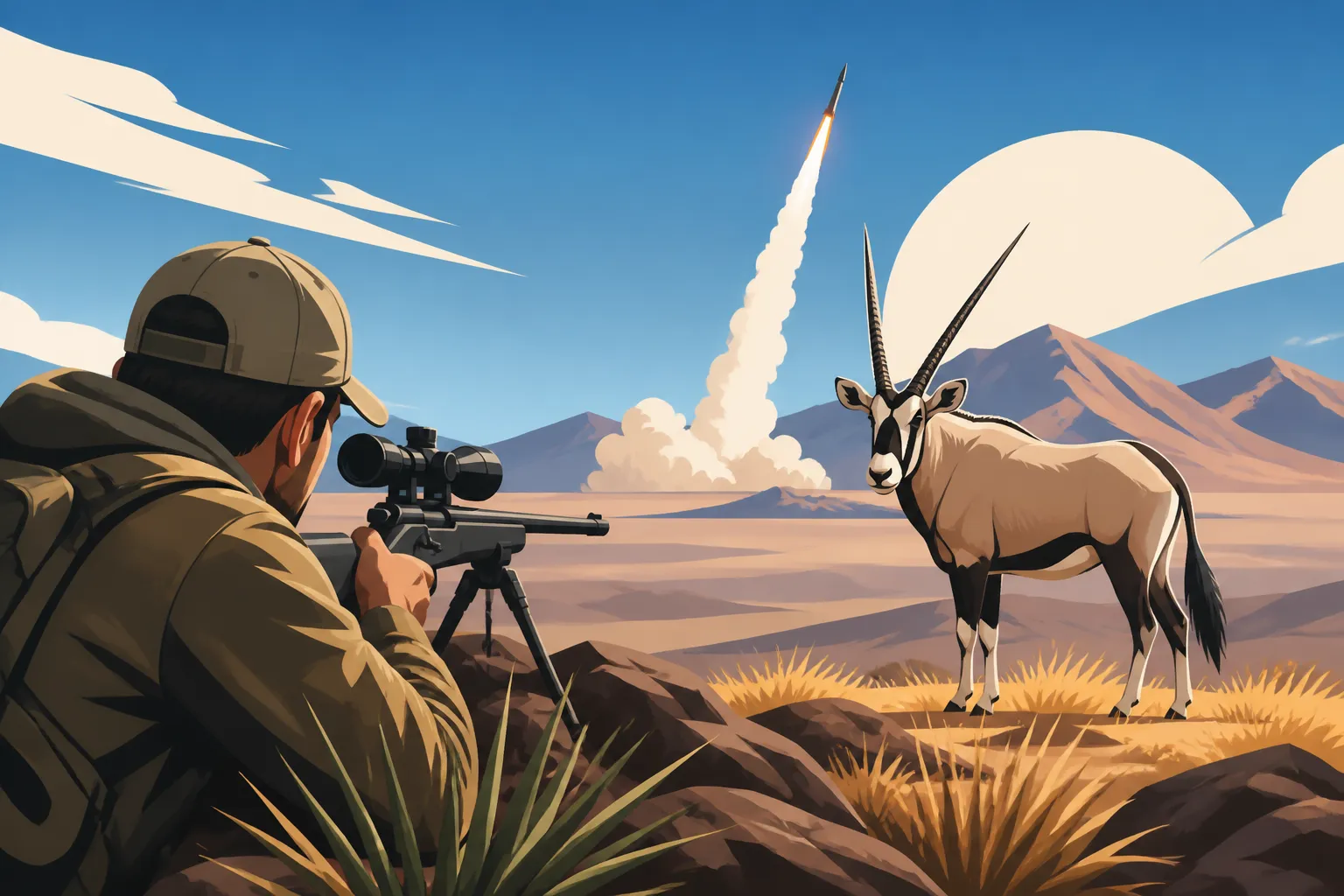
Hunting oryx on the White Sands Missile Range (WSMR) isn't just a hunt; it's an experience unlike almost any other in North America. These majestic African natives have thrived in New Mexico's desert landscape, offering a truly unique big game opportunity. But what makes this hunt particularly special, and challenging, is its location on an active military installation.
The Unique Opportunity and Its Appeal
Imagine pursuing a large, aggressive antelope species with impressive, spear-like horns across vast, open desert plains. That's the allure of a New Mexico oryx hunt. The animals themselves are a marvel, imported from Africa decades ago to establish a sustainable population in a similar arid environment. They’ve done remarkably well, creating a robust herd that provides a limited number of tags each year. For many, drawing an oryx tag, especially a coveted White Sands Missile Range permit, is a once-in-a-lifetime goal. The landscape itself, with its shimmering white gypsum dunes stretching to the horizon, provides a stunning and often surreal backdrop to the hunt. It's a blend of raw wilderness and highly controlled airspace, an odd but compelling juxtaposition that defines the White Sands experience.
The draw odds are notoriously low, which only adds to the mystique and desirability of these tags. Hunters often apply for years, even decades, hoping to be one of the lucky few. The challenge isn't just in finding and harvesting an oryx, but in navigating the very specific set of rules and conditions that come with hunting on federal military land. It’s a true test of patience, planning, and desert hunting skills, culminating in a trophy that represents a truly exceptional outdoor achievement. This isn't a casual hunt; it requires dedication long before you ever step foot on the range.
Hunt Structure and Regulations Specific to White Sands
Unlike many standard big game seasons, the White Sands oryx hunts operate on a highly structured and often condensed schedule. Most hunts are designed to be short, typically running for only three days. This compressed timeframe demands efficient scouting, quick decision-making, and often intense hunting pressure, as everyone is trying to make the most of their limited window. The dates are usually fixed and strictly enforced, with no flexibility for individual hunters to extend their stay. This is a critical point that differentiates it from a regular public land hunt where you might have more leeway within a broader season. If you miss a day, that's one-third of your hunt gone.
Beyond the duration, the operational nature of the missile range dictates many of the regulations. Hunters are required to check in and check out at designated entry points, adhere to specific travel routes, and stay within pre-approved hunting zones. These zones can change, or parts of them can be temporarily closed, based on military testing schedules. This means constant vigilance and communication with range personnel is paramount. Understanding How Long a New Mexico Oryx Season Lasts and its potential for interruption is crucial. In some cases, unexpected military operations can even cause a hunt to be cut short, a possibility hunters must be prepared for. This leads us to the reality of What Happens If Military Operations Shorten Your Hunt, a very real frustration for those who have waited so long for this opportunity. The New Mexico Department of Game and Fish (NMDGF) works closely with WSMR to manage these hunts, but military priorities always take precedence, and hunters must respect that.
The History of Oryx in New Mexico
The presence of oryx in New Mexico is a testament to an ambitious wildlife introduction program. The species, specifically the gemsbok subspecies of oryx, are native to the arid regions of Southern Africa. In the late 1960s, the New Mexico Department of Game and Fish, in cooperation with the U.S. Bureau of Land Management, began introducing oryx to the Tularosa Basin, primarily on the White Sands Missile Range. The goal was to establish a unique big game species that could thrive in the desert environment, utilizing forage sources that native species might not.
The initial releases involved a relatively small number of animals, and biologists closely monitored their adaptation. To everyone's delight, the oryx not only survived but flourished, demonstrating remarkable resilience and reproductive success. They quickly adapted to the scorching summers, sparse vegetation, and limited water sources of the Chihuahuan Desert, mirroring their ancestral home. Their ability to conserve water and tolerate extreme heat made them perfectly suited for the region. Over the decades, the population grew significantly, spreading beyond the initial release sites into other areas of southern New Mexico. Today, while the largest and most concentrated herds remain on White Sands, smaller "off-range" populations exist, providing additional, though still limited, hunting opportunities. This success story highlights the careful planning and dedication that went into introducing a non-native species while striving for ecological balance, an interesting read you can dive into with How Oryx Were Introduced to New Mexico.
Navigating the Application Process for White Sands
Applying for a New Mexico oryx tag, especially a White Sands hunt, is a process fraught with anticipation and the stark reality of low draw odds. It's not for the faint of heart, and understanding the nuances of the application is key to even having a chance.
Understanding Draw Odds and Application Pools
New Mexico's draw system is unique in that it doesn't utilize a preference point or bonus point system for most species. Every applicant starts with an equal chance, regardless of how many years they've applied. This can be both a blessing and a curse; you could draw a tag on your first try, or never draw one in a lifetime of applying. For oryx, particularly the White Sands hunts, the odds are exceptionally slim due to the high demand and limited number of tags allocated. You're often looking at single-digit percentage chances, sometimes even less than one percent, depending on the specific hunt code.
New Mexico employs an allocation system that divides tags into three main pools: resident, nonresident, and outfitter. Specifically, the state reserves 84% of tags for residents, 10% for clients who apply with a New Mexico registered outfitter, and 6% for nonresidents applying without an outfitter. This structure, detailed in New Mexico Splits Every Hunt 84, 10 and 6 Percent, significantly impacts your draw odds. If you're a nonresident, applying without an outfitter means you're competing for a tiny fraction of the total tags. Some nonresidents choose to apply through the outfitter pool, as statistically, those odds can sometimes be slightly better, though it comes with the added cost and commitment of a guide. For any applicant, thorough research into previous years' draw statistics is essential to set realistic expectations. Resources like GoHunt provide excellent tools for analyzing these draw odds, allowing you to compare different hunt codes and understand historical success rates before you even commit to an application. This kind of data-driven approach is invaluable when facing such long odds.
Essential Licenses and Fees
Before you even think about putting in for an oryx tag, you need to be aware of the associated costs, which can add up quickly, especially for nonresidents. The New Mexico Department of Game and Fish requires a few foundational items that are non-refundable, regardless of whether you draw a tag. First, you'll need a Game Hunting License, which is an annual requirement for anyone planning to hunt big game in the state. For nonresidents, this license alone can be a significant upfront cost.
In addition to the hunting license, there's an application fee per species you apply for, which is also non-refundable. So, even if you don't draw that coveted oryx tag, you won't get that application fee back. If you are successful in the draw, then the full tag fee will be charged to your card. For a nonresident, this can be quite substantial; for instance, A Nonresident New Mexico Oryx Tag Runs $1,623. Beyond these, you'll also need a Habitat Management and Access Validation (HMAV) and a Habitat Stamp. The HMAV is a required validation for any hunter, while the Habitat Stamp is needed if you plan to hunt on federal lands, which of course, the White Sands Missile Range certainly is. It's crucial to budget for all these components well in advance and understand that the application process itself incurs costs before the actual hunt even begins.
Getting Cleared Onto White Sands Missile Range
Drawing an oryx tag for White Sands is only the first hurdle; the next, equally important step, is gaining official clearance to enter the missile range. This isn't a typical public land access where you just drive in and start hunting. As an active military installation, WSMR has stringent security protocols that all hunters must follow without exception. This process can be quite detailed and requires your full attention.
Typically, successful applicants will receive specific instructions from the New Mexico Department of Game and Fish and WSMR directly. This often involves completing additional paperwork, such as background checks and liability waivers, and submitting them by a strict deadline. You'll likely need to provide personal identification, vehicle information, and perhaps even details about any hunting partners. The security clearance process is designed to ensure the safety of both hunters and military personnel, and any discrepancies or missing information can lead to your access being denied, even with a valid tag. It's not uncommon for hunters to need to confirm their arrival plans and even sometimes attend a mandatory safety briefing prior to their hunt. This briefing covers critical information about safe zones, restricted areas, emergency procedures, and communication protocols while on the range. Ignoring or failing to complete any of these steps means you won't be allowed past the gate, rendering your hard-won tag useless. You must understand and comply with every aspect of Getting Onto White Sands Missile Range before your hunt begins.
Preparing for Your White Sands Oryx Hunt
Once you've navigated the application and clearance hurdles, the real work of preparation begins. An oryx hunt on White Sands requires a distinct set of physical, mental, and gear preparations that differ significantly from a typical forest or mountain hunt.
Physical and Mental Readiness for Desert Hunting
Hunting oryx on White Sands is a physically demanding endeavor. The terrain, though often flat or gently rolling, is deceptively challenging. You'll be walking across loose sand, thorny scrub, and potentially rocky ground for miles under the relentless New Mexico sun. Dehydration is a constant threat, and heat exhaustion can quickly become a serious issue, especially during early season hunts. Therefore, a solid level of cardiovascular fitness is non-negotiable. Regular hiking, especially with a weighted pack, will prepare your body for the long days afield. Focus on building endurance, not just strength.
Beyond the physical, the mental game is just as crucial. You’ll be hunting in an environment that can feel vast and unforgiving, with limited shade and the constant awareness of being on an active military range. This can lead to mental fatigue, frustration, and the temptation to give up. The short, three-day hunt window also adds pressure. Developing mental toughness, the ability to push through discomfort, stay positive, and maintain focus, will be invaluable. This includes having a strong understanding of Heat Management on an Early Season Hunt if your tag falls during warmer months. Remember, success often comes down to who can stay in the game longer, both physically and mentally.
Essential Gear for the Desert Environment
The unique conditions of White Sands demand a specific gear list. Forget your heavy wool and insulated layers; think light, breathable, and protective.
- Clothing: Lightweight, moisture-wicking clothing in neutral colors is paramount. Long sleeves and pants are essential for sun protection and to guard against thorny vegetation. A wide-brimmed hat, sunglasses, and gaiters to keep sand out of your boots will be your best friends.
- Footwear: Comfortable, broken-in hiking boots with good ankle support are critical for navigating varied terrain. Consider desert-specific boots if you have them, as they are often designed for breathability and sand management.
- Hydration: This is perhaps the most important item. You must carry more water than you think you'll need. Multiple water bottles, a hydration bladder, and backup purification methods are advisable. A good rule of thumb is at least a gallon per person per day, potentially more if it's hot and you're covering significant ground.
- Optics: Oryx have incredible eyesight, and the open terrain means you’ll be spotting them from a distance. High-quality binoculars are a must, ideally 10×42 or 12×50. A spotting scope (20-60x or 15-45x) on a sturdy tripod is indispensable for thoroughly glassing vast expanses and judging animals before attempting a stalk. For more details on what power you need, check out Optics Power for New Mexico's Open Country.
- Navigation: While you'll be given maps, having a GPS device (like a handheld unit or a robust hunting app like GoHunt on your phone) with downloaded satellite imagery and unit boundaries is non-negotiable. Knowing where you are and where the boundaries are is paramount, especially on a military range with restricted zones.
- Safety & Communication: A fully charged cell phone (though service can be spotty), a satellite messenger (Garmin inReach or Zoleo), a first-aid kit, and a whistle are vital. Consider a good headlamp, fire-starting tools, and emergency signaling devices.
Firearms and Ammunition Considerations
Oryx are incredibly tough, resilient animals. Their thick hides, bone structure, and sheer will to live mean that shot placement and bullet performance are absolutely critical. Under-gunning for an oryx is a recipe for a long, potentially unsuccessful, and unethical day.
- Caliber: While many calibers can kill an oryx, a responsible hunter will choose something that delivers ample energy. Popular choices include .300 Win Mag, .338 Win Mag, .7mm Rem Mag, and even larger calibers like the .375 H&H. Minimum recommendations typically start around .270 or .30-06, but it’s crucial to use premium, heavy-for-caliber bullets. The goal is complete penetration and significant energy transfer to ensure a clean, ethical kill.
- Bullet Selection: This is arguably more important than caliber. Choose high-quality, bonded, or monolithic bullets designed for deep penetration and controlled expansion. Think Barnes TTSX, Nosler AccuBond, Hornady ELD-X, or Swift A-Frame. Avoid highly frangible bullets that might not penetrate the tough hide and bone structures of an oryx. You want a bullet that will punch through to vital organs, even on a quartering shot.
- Zeroing Distance: Given the open nature of the desert, shots can often be taken at longer distances than in timbered country. Many hunters zero their rifles at 200 yards, which provides a versatile point-blank range for most practical hunting scenarios. However, practicing at 300, 400, and even 500 yards is highly recommended, not because you should take long shots, but because it builds confidence in your rifle and your ability, making closer shots feel like chip shots. A good discussion on Rifle Zero Distance for Canyon Country provides valuable insights that can be adapted to open desert environments. Always confirm your rifle's zero before your hunt, especially after travel.
Tactics for Success on the Missile Range
Hunting oryx on White Sands is a dynamic experience that demands a blend of patience, keen observation, and strategic execution. It's an environment where every advantage counts.
Spot and Stalk Strategies in Open Desert
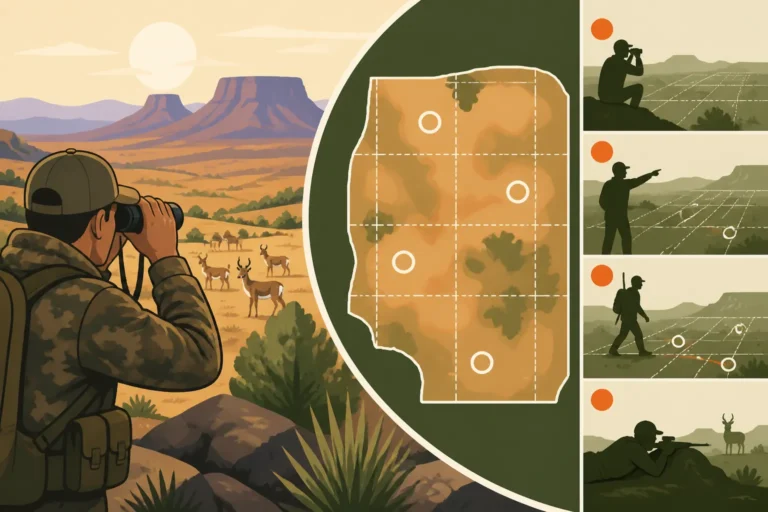
The vast, open nature of the White Sands Missile Range means that successful oryx hunting is predominantly a spot-and-stalk game. There's often very little cover, forcing hunters to rely on terrain features, the sun's angle, and wind direction to get close. The first step, and arguably the most crucial, is effective glassing. You'll spend a significant amount of time behind your binoculars and spotting scope, systematically searching the landscape. Oryx can blend surprisingly well into the desert, even against the white gypsum, so a slow, deliberate approach to glassing is key. Look for flashes of white, the unique silhouette of their horns, or any movement out of place.
Once an oryx or a herd is spotted, the stalk begins. This is where the challenge intensifies. With limited cover, you'll need to use every small rise, wash, or patch of brush to your advantage. Patience is paramount; a stalk might take hours, crawling on hands and knees through prickly pear and sharp rocks. Pay close attention to the wind, as oryx have a good sense of smell. Using the sun to your advantage, keeping it in their eyes and out of yours, can also help conceal your approach. Knowing How an Oryx Hunt Actually Runs will help you understand the pace and intensity of these stalks. The goal is to get within an ethical shooting range for your chosen caliber and skill level, ideally 200-300 yards, before the animal detects you.
Understanding Oryx Behavior
To consistently find and successfully stalk oryx, understanding their behavior is critical. Oryx are herd animals, often found in groups ranging from a few individuals to dozens. They have incredibly keen eyesight, making them difficult to approach in open country. They are almost constantly scanning their surroundings, and any sudden movement or exposed silhouette will send them trotting off. When alerted, they can cover ground remarkably quickly.
During the heat of the day, oryx often seek what little shade they can find, sometimes bedding down under small mesquite bushes or in the shadows of larger rocks. This can be a prime time for spotting them, as they are less likely to be on the move. They also utilize washes and depressions in the terrain, not just for travel, but for bedding and finding some respite from the elements. Their diet consists of various grasses, forbs, and even succulents, allowing them to extract moisture from vegetation and survive for extended periods without free water. This means they aren't tied to obvious water sources in the same way some other big game might be, making their movements less predictable based on water. Observing their routines, where they feed in the mornings and evenings, where they bed during midday, and their general travel corridors can give you a significant edge.
Working with Range Personnel and Safety Protocols
Hunting on an active military range comes with a non-negotiable set of rules and a chain of command that hunters must respect. When you arrive at White Sands, you will interact with range personnel, often military police or civilian contractors, who are responsible for your safety and the security of the installation. Listen intently to all briefings and instructions, and do not deviate from them. They will provide information on open hunting areas, any unexpected closures, and emergency procedures.
The most critical aspect is adherence to safety protocols. This includes staying within designated hunting boundaries, understanding "no-go" areas, and being aware of any potential military testing that might impact your hunt. Vehicles are often restricted to established roads and two-tracks, and off-roading is strictly prohibited. Carry a reliable two-way radio or a satellite communication device, as cell service can be spotty, and you may need to contact range control in an emergency or for updates. Remember that military operations always take precedence. If you are instructed to move or stop hunting due to range activity, you must comply immediately. Your cooperation ensures not only your safety but also the continued opportunity for others to hunt on this unique land. Disregard for rules can lead to immediate expulsion from the range and potential legal consequences.
Post-Harvest Logistics and Considerations
Taking down an oryx on White Sands is a moment of triumph, but it's quickly followed by a demanding set of tasks related to field care, trophy preservation, and strict check-out procedures. Being prepared for these steps is just as important as the hunt itself.
Field Dressing and Meat Care in Desert Heat
Harvesting a large animal like an oryx in the desert, especially if it’s a warm day, presents immediate challenges for meat care. Oryx are substantial animals, and their body heat combined with external temperatures can quickly degrade the meat if not handled properly. The very first priority is to field dress the animal immediately to begin the cooling process. This means removing the entrails as quickly as possible to allow air circulation and dissipate heat. You'll need a sharp knife, a game bag, and potentially some rope or strong cord to assist with opening the cavity or moving the animal.
Once field dressed, the best practice is to skin the animal as soon as possible. The hide acts as an insulator, trapping heat. Quartering the animal and placing the meat directly into breathable game bags will maximize air exposure and allow it to cool down rapidly. This is where planning ahead for Getting Meat Cooled on an Early Season Hunt truly pays off. Many successful hunters bring large coolers filled with ice, planning to get the quartered meat into them as soon as possible. Some even bring tarps to create temporary shade over the carcass. The goal is to reduce the meat's temperature rapidly to prevent spoilage, which can happen alarmingly fast in the desert heat.
Trophy Care and Taxidermy
Oryx are prized for their magnificent, long, straight horns, which are present on both males and females. Proper trophy care begins immediately after the harvest. If you plan a shoulder mount, you’ll need to make careful incisions to ensure the cape is long enough for your taxidermist. Instructions for skinning a proper cape cut can easily be found online or from your taxidermist. The hide and skull plate with horns need to be kept cool and clean, just like the meat. If you're several hours from a processor or taxidermist, consider salting the cape heavily to prevent hair slippage, especially in warm temperatures.
For horn preservation, simply keeping them clean is usually sufficient. However, if you plan to measure for record books, avoid any damage to the tips. After a successful hunt, your taxidermist will be able to provide the best advice on cleaning and preserving the skull and horns. Ensure you have adequate space in your vehicle for the horns, as they can be quite long. Proper care at the time of harvest ensures your trophy will last a lifetime.
Mandatory Reporting and Check-out Procedures
Unlike many unmanaged public land hunts, an oryx hunt on White Sands Missile Range has very specific mandatory reporting and check-out procedures that must be followed to the letter. Once you have harvested your oryx and handled the field dressing and trophy care, you cannot simply leave the range. You must report your harvest and check out at the designated points.
Typically, this involves presenting your harvested animal and your tag to range personnel or New Mexico Department of Game and Fish officers at a specified check station. They will often inspect the animal, verify the tag, and collect biological data such as age, sex, and horn measurements. This data is vital for wildlife management purposes. You may also be required to provide specific details about the location of your harvest and any other relevant observations from your hunt. Crucially, you will need to formally check out of the range, often at the same gate you entered. This confirms your departure and ensures that all hunters are accounted for. Failure to follow these mandatory reporting and check-out procedures can lead to serious legal repercussions, including fines, loss of hunting privileges, and even federal charges for violating military installation rules. Always assume you need to follow every step of the process; when in doubt, ask the range personnel.
| Item Type | Essential Gear | Purpose | Notes |
|---|---|---|---|
| Hydration | Water bottles/bladder (gallon+ per day) | Prevent dehydration, sustain energy | Critical. More is always better. |
| Water purification tablets/filter | Emergency backup | Cell service is not guaranteed; be self-sufficient. | |
| Optics | Binoculars (10x-12x) | Spotting oryx at distance, identifying details | High quality helps significantly. |
| Spotting scope (15x-60x) & tripod | Long-range glassing, judging trophy quality | Essential for open country. | |
| Navigation | GPS device/hunting app (GoHunt) | Locating position, boundaries, planning routes | Download offline maps; boundaries are critical on WSMR. |
| Physical map & compass | Backup for electronic failure | Always carry a reliable physical backup. | |
| Safety | First-aid kit | Treating injuries, especially minor cuts/scrapes from brush | Snake bite kit can be a consideration. |
| Satellite messenger (inReach/Zoleo) | Emergency communication where cell service is absent | Two-way text and SOS capabilities. | |
| Headlamp/flashlight | Navigating in low light conditions (pre-dawn, post-dusk) | Essential for early starts or late finishes. | |
| Clothing | Lightweight, breathable, sun-protective layers | Heat management, protection from sun and thorns | Avoid cotton; use synthetics or merino wool. |
| Wide-brimmed hat, sunglasses | Sun protection for face and eyes | Crucial to prevent sunburn and glare fatigue. | |
| Gaiters | Keep sand and debris out of boots | Highly recommended for desert terrain. | |
| Footwear | Comfortable, broken-in hiking boots | Support for long walks over varied terrain | Good ankle support is key. |
| Firearm | Appropriate caliber rifle (.300 WM, .7mm RM) | Ethical harvest of tough animals | Use premium, deep-penetrating bullets. |
| Ammunition | Sufficient rounds for sighting in and hunting | Bring extra, you don't want to run out. | |
| Other | Game bags, sharp knife | Field dressing, meat care | Keep knives sharp and have a backup. |
| Coolers & ice | Immediate meat cooling post-harvest | Large capacity is needed for an oryx. |
Disclaimer
Hunting carries inherent risks, including but not limited to those associated with wildlife encounters, firearms, and challenging terrain. The information provided in this guide is for informational purposes only and does not constitute professional advice. Always consult the most current New Mexico Department of Game and Fish regulations and White Sands Missile Range specific rules before planning any hunt. Safety should be your number one priority.