What Guides Expect From Their Clients
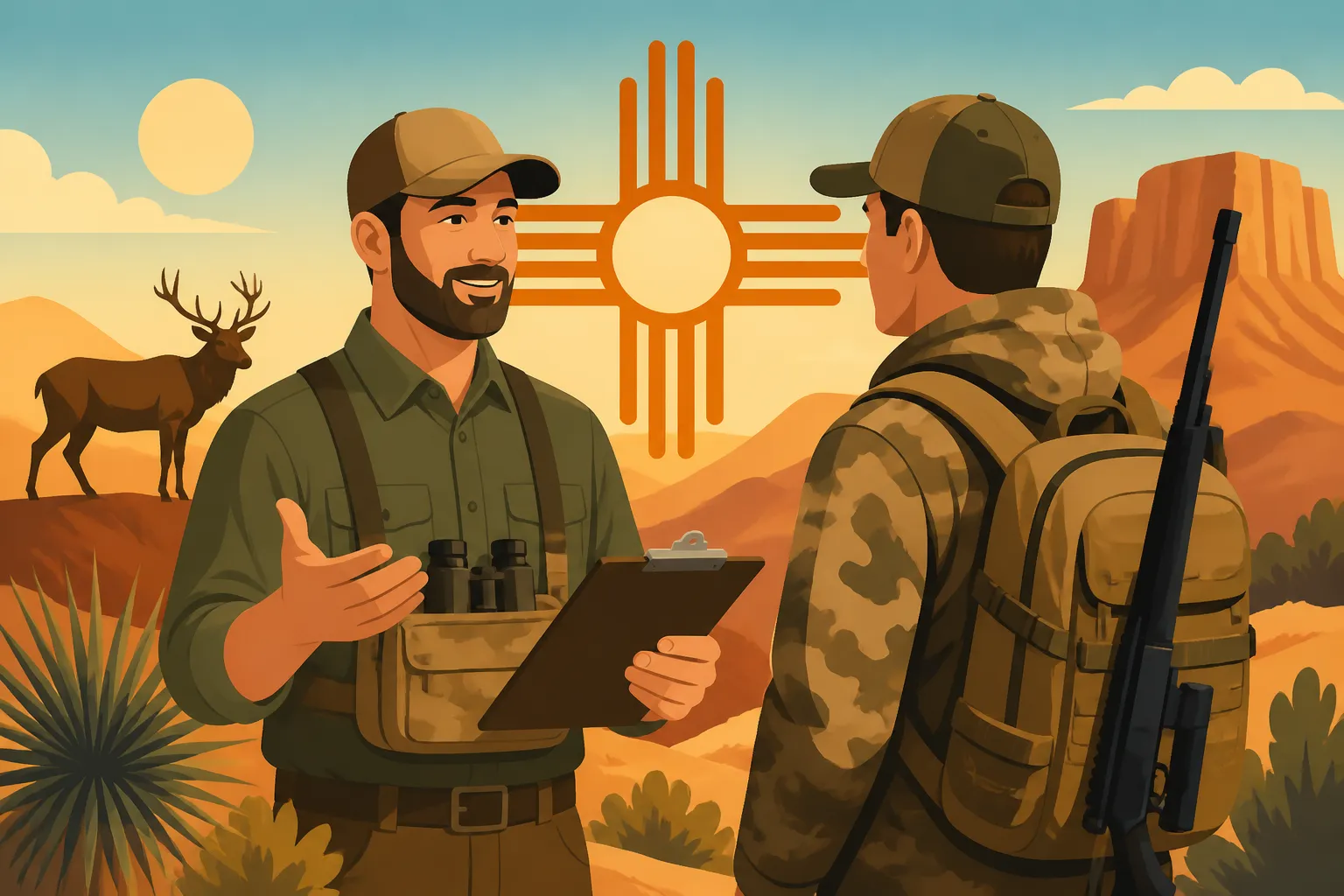
You’ve finally booked that New Mexico hunt you’ve been dreaming of, maybe a trophy elk in the Gila or a unique oryx hunt on White Sands. It’s a huge investment, both financially and emotionally, and it's natural to feel a mix of excitement and the pressure to perform. But here’s the thing many hunters overlook: a guided hunt is a partnership, and your guide isn't just there to point out animals and pack them out. They have very real, often unspoken, expectations of their clients that can make or break the success and enjoyment of the trip for everyone involved. This guide will walk you through what guides truly expect, helping you prepare to be the best client possible and maximize your chances for a memorable, successful hunt.
Open and Honest Communication: The Foundation of a Successful Hunt
Imagine trying to navigate unfamiliar terrain with a driver who won't tell you where they want to go, or worse, gives you conflicting directions. That's how it can feel for a guide with a client who doesn't communicate effectively. From your first inquiry to the moment you part ways, clear and honest communication is absolutely paramount. It builds trust, helps the guide tailor the experience, and avoids misunderstandings that can sour a hunt.
Before the Hunt: Setting the Stage
Long before you ever set foot in New Mexico, your guide is trying to get a read on you. They want to understand your experience level, your physical condition, and your genuine expectations for the hunt. If you tell them you're in "good shape" but haven't climbed a flight of stairs in months, that's not just a disservice to yourself; it puts your guide in a tough spot when the reality of hiking at 9,000 feet in the Gila sets in. Be upfront about any physical limitations, medical conditions, or even fears you might have. Do you have a fear of heights? Do you struggle with early mornings? These aren't weaknesses; they're vital pieces of information that allow your guide to plan accordingly and ensure your safety and comfort.
It's also crucial to discuss your hunting goals. Are you looking for a trophy, or is any legal animal a success? Are you comfortable with a long, difficult shot, or do you prefer closer encounters? Guides are professionals, and they want to help you achieve your goals, but they can only do so if they know what those goals are. Don't be afraid to ask Questions Worth Asking Before You Book and clarify every detail of the trip, from food to lodging to what equipment you need to bring. Reputable outfitters, often found through resources like BookYourHunt, will appreciate your thoroughness and candidness.
During the Hunt: Being Present and Responsive
Once you're in the field, communication shifts from planning to execution. This means actively listening to your guide, paying attention to their instructions, and asking clarifying questions if something isn't clear. If your guide tells you to stop, stop. If they point out an animal and give you a specific shot angle, trust their judgment. They are often reading subtle cues in the wind, terrain, and animal behavior that you might miss. Hesitation or second-guessing in a critical moment can mean the difference between a successful stalk and a spooked animal disappearing over the ridge.
It also means speaking up if you're feeling unwell, exhausted, or truly struggling. Don't try to tough it out to impress your guide, especially in challenging environments like New Mexico's mountains or arid deserts. Hiding discomfort can lead to safety issues or, at the very least, make you miserable. Your guide needs to know if you need a break, more water, or if you're genuinely out of gas so they can adjust the plan. Furthermore, keep conversation relevant and quiet; loud chatter can ruin a stalk or send game fleeing.
After the Hunt: Feedback and Gratuity
Even after the hunt is over, good communication continues. Most guides genuinely want to know about your experience, both the good and the bad. Constructive feedback helps them improve their services for future clients. This isn't the time to nitpick, but if there were legitimate concerns or areas for improvement, a professional guide will appreciate hearing them respectfully.
And then there's the topic of gratuity. While not strictly "communication," it's a way of communicating your appreciation for their hard work, expertise, and dedication. Guides work incredibly hard, often for long hours in tough conditions, and tips are a significant part of their income. It’s helpful to understand How Much to Tip a Hunting Guide before your trip so you can budget accordingly. If you had a fantastic experience, show it. If you didn't, be honest but fair in your assessment.
Preparation and Self-Sufficiency: Easing the Burden
A guide isn't a babysitter or a personal assistant; they are there to help you hunt. The more prepared and self-sufficient you are, the more the guide can focus on finding game and ensuring a safe, productive experience. This covers everything from your physical conditioning to your gear choices and understanding of basic hunting principles.
Physical and Mental Readiness
New Mexico hunting, whether it's chasing elk in the high country or traversing the endless plains for pronghorn, is physically demanding. Guides expect you to arrive in shape, ready to climb, hike, and endure long days in varying conditions. This isn't about being an Olympic athlete, but about being honest with yourself and putting in the effort beforehand. If you’ve booked an elk hunt, your guide expects you to be ready for the kind of exertion described in articles like Physical Conditioning for a Gila Hunt or Preparing for Elevation on a New Mexico Hunt. The better your physical condition, the more ground you can cover, the quieter you can be, and the less likely you are to slow down the group or compromise a stalk.
Mental toughness is equally important. Hunting can be slow, frustrating, and often involves long periods of waiting or arduous travel with no immediate reward. Guides appreciate clients who maintain a positive attitude, even when conditions are tough or game isn't cooperating. Whining, complaining, or becoming visibly dejected saps morale for everyone. A guide will appreciate your resilience and determination far more than constant negativity.
Proper Gear and Equipment
Your guide will typically provide a gear list, and they expect you to adhere to it. This isn't just a suggestion; it's based on years of experience in that specific terrain and climate. Showing up with cotton clothing for a mountain hunt, or insufficient layers for unpredictable New Mexico weather swings, isn't just uncomfortable for you; it can be dangerous and a distraction for the guide. They'll also expect your equipment, especially your weapon, to be in good working order and that you are proficient with it. This includes knowing Rifle Zero Distance for Canyon Country if you're on a rifle hunt, or being comfortable with your draw weight and broadhead setup if you're bowhunting.
Your firearm or bow should be sighted in and reliable. Nothing is more frustrating for a guide than a client who misses an opportunity because their scope is off, or they haven't practiced shooting enough. You're paying for their expertise in finding the animal; your job is to be ready to make the shot when the opportunity arises. Tools and resources like those offered by GoHunt can provide valuable insights into units and terrain, helping you select appropriate gear and understand the conditions you'll face.
Basic Hunting Etiquette and Knowledge
While your guide is there to lead, they expect you to possess a fundamental understanding of hunting etiquette and safety. This includes knowing basic gun safety rules, being mindful of noise and movement, and understanding the importance of scent control. They expect you to understand Firearm Safety Expectations From Your Guide and execute them without constant reminders. A guide shouldn't have to repeatedly tell an adult client to keep their muzzle pointed in a safe direction.
Furthermore, a guide appreciates a client who is actively involved in the hunt, not just passively waiting to be shown an animal. This means carrying your own pack, being alert to your surroundings, helping spot game, and assisting with tasks where appropriate and safe. You might be surprised how much a guide values a client who takes initiative to offer help with camp chores or packing out game, even if it's not explicitly part of their "job."
Respect for the Guide, the Land, and the Game: Ethical Hunting
Beyond communication and preparation, a guide expects a deep respect for the entire hunting process. This encompasses their professional role, the wild landscapes of New Mexico, and the animals you are pursuing. Ethical hunting is at the core of their profession.
Trusting Your Guide's Expertise and Decisions
You hired a guide for their knowledge of the area, the animal, and the hunt. This means trusting their judgment, even when it might contradict your own instincts or desires. They know the terrain, the local regulations, and the habits of the game better than anyone. If they say a shot is too far, or the wind is wrong for a stalk, listen to them. They have a vested interest in your success and safety. Questioning every decision, second-guessing their calls, or insisting on your own plan undermines their authority and can jeopardize the hunt. Your guide will indicate When to Take the Shot Your Guide Calls, and they expect you to act decisively based on their guidance.
Remember, a guide has likely seen it all – successful hunts and heartbreaking misses. Their advice is born from experience. Being a good client means being coachable and having faith in the person leading you.
Adherence to Laws and Ethical Hunting Practices
Your guide is not just trying to help you harvest an animal; they are also responsible for ensuring the hunt is conducted legally and ethically. This means you must adhere to all New Mexico game laws and regulations, without exception. Your guide expects you to understand things like Legal Shooting Hours and Blaze Orange in New Mexico and Baiting and Trail Camera Rules in New Mexico. Don't ask them to bend rules or push boundaries. A guide's reputation and livelihood are on the line, and they will not compromise their integrity for a client.
Ethical shot placement, humane harvesting, and proper Meat Salvage Requirements for Big Game are non-negotiable. If you wound an animal, your guide expects you to be fully committed to tracking and recovering it, understanding How Outfitters Handle a Wounded Animal. This can mean long, difficult hours, and a client who gives up easily is deeply frustrating and unethical. Respect for the animal means doing everything in your power to make a clean kill and ensure no meat is wasted.
Respect for the Environment and Property
New Mexico's public and private lands are a precious resource, and guides expect clients to treat them with the utmost respect. This includes practicing "Leave No Trace" principles, packing out all your trash, and minimizing your impact on the environment. Whether you're on national forest land, BLM ground, or private ranches, your guide expects you to respect the landscape and any property you encounter.
This also extends to respecting other hunters or land users you might encounter. Courtesy and a good attitude go a long way in fostering a positive hunting community. Your guide is essentially your ambassador in the field, and your behavior reflects on them and their outfitting business.
Realistic Expectations and Adaptability: Embracing the Hunt's Challenges
Hunting is not a guarantee, and guides understand this better than anyone. What they expect from you is a realistic understanding of the challenges, an adaptable spirit, and a positive outlook, regardless of the outcome.
Understanding the Unpredictable Nature of Hunting
Nature is unpredictable. Weather can change in an instant, game can be scarce, and even the most meticulously planned hunt can hit unforeseen snags. Guides expect you to understand that they cannot control every variable. They can put you in the best possible position, but they can't make an animal appear or guarantee a shot opportunity. Coming into a hunt with an "I paid, so I'm getting a trophy" mindset is a recipe for disappointment, for both you and your guide.
Instead, embrace the experience of the hunt. Enjoy the scenery, the challenge, the camaraderie, and the chance to be in the wild. A guide loves a client who appreciates the journey, even if the destination (a harvested animal) isn't reached.
Flexibility and Patience
Hunting often requires immense patience and the ability to adapt to changing circumstances. Your guide might have to change plans on the fly due to weather, animal movement, or other hunters. They expect you to be flexible and go with the flow. If the original plan isn't working, a good guide will pivot, and they need a client who is willing to pivot with them. This might mean an unexpected hike, a new glassing spot, or an early morning start you didn't anticipate.
Patience is a virtue in hunting. Hours can pass without seeing anything, or a stalk might take an entire day. A guide expects you to be patient, quiet, and committed to the process. Rushing things or becoming restless can ruin an opportunity that took hours to set up. Remember that guide services often manage booking schedules with a tight margin, sometimes found through platforms like BookYourHunt or GoHunt, and sudden changes can affect them too, so your understanding is key.
Managing Disappointment Gracefully
Not every hunt ends with a harvested animal. It's a tough pill to swallow, especially after a significant investment, but it's part of hunting. Guides expect clients to manage disappointment gracefully. Becoming angry, blaming the guide, or turning sour after an unsuccessful hunt is incredibly unfair and unprofessional. Your guide worked just as hard, if not harder, and they're often more disappointed than you are when things don't pan out.
Focus on what you gained: the memories, the lessons, the time spent in incredible country. A gracious client, even without a trophy, is a client a guide would be happy to welcome back in the future. Building a relationship with a guide can sometimes lead to future opportunities or insights that money alone can't buy.
Summary of Client Expectations
To help you remember what guides truly value in their clients, here's a quick overview:
| Expectation Category | Key Behaviors | Why It Matters to Your Guide |
|---|---|---|
| Communication | Honesty about physical/skill level; active listening; clear goals. | Ensures safety, tailored experience, and efficient hunting. |
| Preparation | Arrive in physical shape; appropriate, functional gear; basic skills. | Allows guide to focus on hunting, not managing client issues; increases success odds. |
| Respect | Trust guide's expertise; adhere to laws/ethics; leave no trace. | Protects guide's reputation; upholds hunting integrity; preserves resources. |
| Realistic Expectations | Understand unpredictability; patience; adaptability; grace. | Minimizes frustration; fosters positive atmosphere; values the overall experience. |
Ultimately, being a great client means understanding that your guide is your partner, not your servant. They are providing a service based on their expertise, hard work, and deep connection to the land and the animals. By meeting their expectations through open communication, thorough preparation, ethical conduct, and a realistic mindset, you not only make their job easier but dramatically enhance your own hunting experience in the wilds of New Mexico. It’s a rewarding partnership that can lead to incredible adventures and lasting memories.
Disclaimer
This article is for general informational purposes only and does not constitute professional advice. Laws, prices and regulations vary by location and change over time. Consult a qualified professional for guidance on your specific situation.