Bugle Timing Through New Mexico’s Rut
There's nothing quite as frustrating as being in the elk woods during what you think should be the peak of the rut, only to hear absolute silence. You know the bulls are there, you've seen the sign, but their voices are locked away, leaving you wondering if you've missed the window or if your timing is just off. This guide is all about peeling back the layers of New Mexico's elk rut, helping you understand the nuances of bugle timing so you can be where the action is, when the action is happening.
Understanding the New Mexico Elk Rut Cycle
The elk rut isn't a single, fixed event that kicks off on a specific calendar day and ends neatly a week later. It's a dynamic process influenced by a multitude of factors, and in New Mexico, with its diverse elevations and habitats, this can mean significant variation from unit to unit, and even year to year. Thinking of it as a spectrum rather than a switch is crucial for success.
The Phases of the Rut and Elk Behavior
Broadly, the elk rut can be broken down into three main phases: pre-rut, peak rut, and post-rut. Each phase presents different challenges and opportunities for hunters, and the type of bugling you'll hear, if any, will change dramatically. During the pre-rut, bulls are still often in bachelor groups, feeding heavily and starting to strip velvet. They might offer a few tentative, distant bugles as they feel the stirrings of testosterone, but it's not the full-throated challenge you dream of. Cows are not yet receptive, so the urgency isn't there for the bulls.
As the rut progresses into its peak, the real show begins. Bulls are actively gathering cows, challenging rivals, and asserting dominance. This is when the woods can come alive with vocalizations—deep, resonant bugles, sharp chuckles, and the constant breaking of branches as bulls thrash saplings. Finally, in the post-rut, many cows have been bred, and the intensity fades. Bulls, exhausted and often injured, will start to disperse, and the loud, aggressive bugling subsides, replaced by quieter, more sporadic calls as they seek out remaining receptive cows or simply rest and feed. Understanding When the Elk Rut Peaks in New Mexico is critical to planning your hunt.
Environmental and Biological Influences on Timing
Several key factors beyond just the calendar dictate when these phases truly hit their stride. Weather plays a massive role; unusually warm spells can temper rut activity, while a sudden cold snap, especially if it brings precipitation, can ignite it. Barometric pressure changes can also impact activity levels, with dropping pressure often correlating with increased movement and vocalizations. Herd health and nutrition are also significant. A healthy, well-fed cow herd, for instance, might come into estrus more uniformly and intensely, leading to a more compressed and vocal rut. This is why knowing How Monsoon Rain Affects Antler Growth and overall herd health is so important.
Another critical biological factor is the age structure of the bull herd. In areas with a good number of mature bulls, the rut is often more intense and vocal, as these older, larger animals are more dominant and more willing to challenge. In areas with a younger bull population, the rut might be less vociferous, as smaller bulls are warier of attracting attention from bigger rivals.
Early Season Bugling Strategies
New Mexico offers some incredible archery opportunities, often starting in early September. This can be a tricky time, as it's typically the pre-rut or the very beginning of the peak, and the weather can still be quite warm. Your calling strategy needs to adapt to this initial reluctance from the bulls.
Locator Bugles and Soft Cow Calls
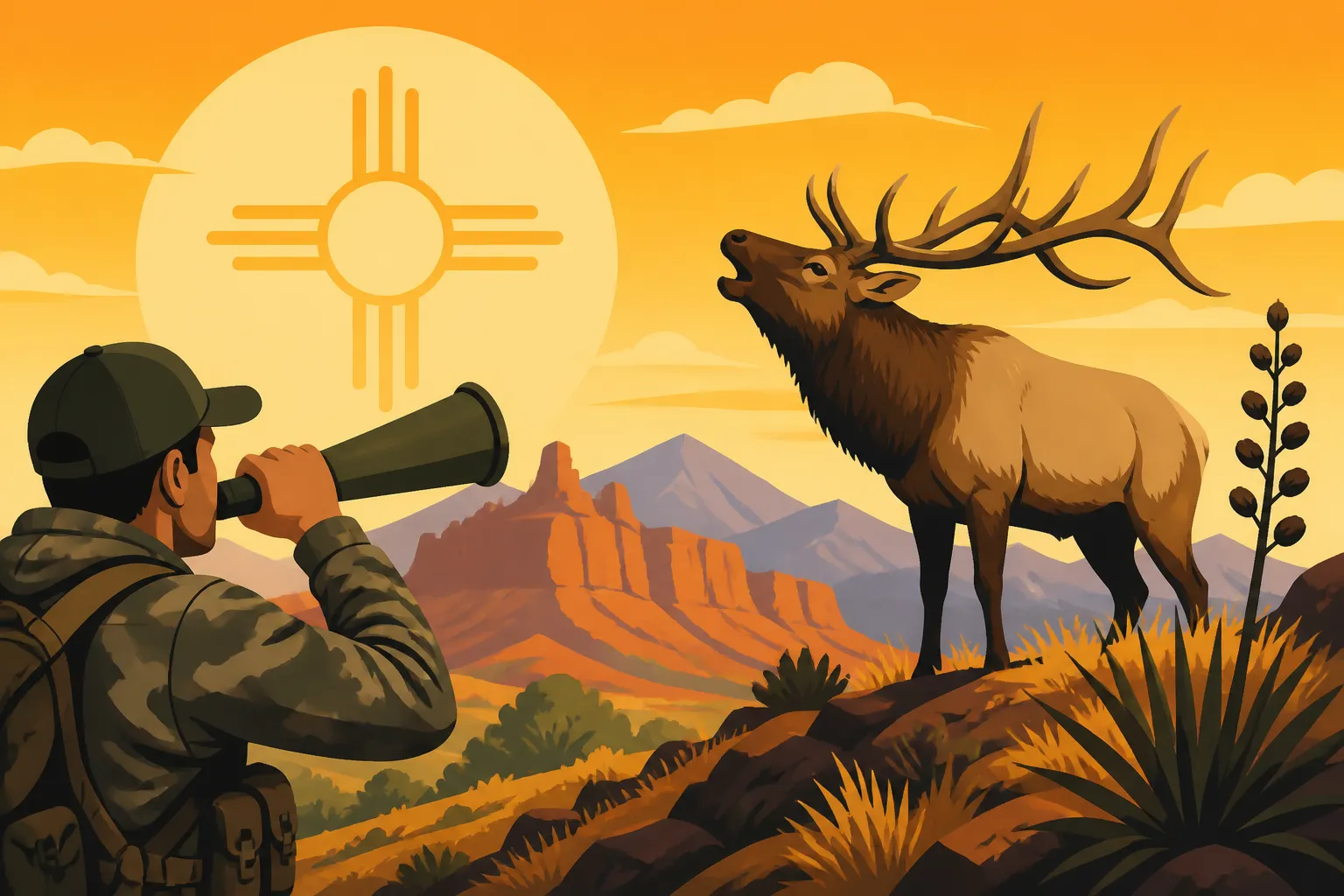
During the early archery season, bulls are just starting to think about cows, but they haven't committed to their harems yet. They're often still in smaller bachelor groups, or just beginning to move alone, focusing on feeding and bulking up. Aggressive, challenging bugles can actually shut them down if they're not yet in a fighting mood, or if a more dominant bull is nearby and you haven't yet located him. Instead, focus on locator bugles just at first light or last light. These are not challenge bugles, but rather exploratory calls, almost like a greeting to see who's around. Follow up with soft cow mews. This sounds much less threatening and can pique a bull's curiosity, making him feel like he's just checking out a lone cow rather than walking into a brawl. Learning Locator Bugles for Finding Bulls at Dawn is an essential skill for this period.
Think about mimicking a small group of cows moving through the timber. Use subtle mews and chirps, making it sound natural and unhurried. Often, in this stage, bulls will quietly slip in to investigate, rather than charge in bugling. Your goal is to get their attention without immediately triggering their fight-or-flight response. This means patience is key, and often, less is more with your calling volume and intensity. Pay close attention to the wind, as elk are notoriously sensitive to scent.
Reading Pre-Rut Elk Sign
Beyond bugles, the early season demands that you become a master at reading physical sign. Bulls will be starting to make rubs on trees, often smaller ones at first, indicating they're stripping velvet and beginning to feel their oats. As the rut approaches, these rubs will become larger and more frequent, showing increasing aggression and territorial marking. Wallows will also become more active. Bulls use wallows not just for cooling off, but to cover themselves in mud and scent, making them more attractive and intimidating to other elk. Fresh tracks around a wallow, or muddy trees nearby, are excellent indicators of recent bull activity. Hunting a Wallow During Early Archery can be incredibly productive.
Droppings can also tell a story. In the pre-rut, bulls are still focused on nutrition, so their droppings might be larger and more abundant. As the rut intensifies and they eat less, their droppings will become smaller and sparser. Don't overlook heavily used trails, especially those connecting feeding areas to bedding cover. These are highways that elk travel daily, and finding fresh sign on them can lead you to an active bull. Combining silent observation with subtle calling and careful reading of the landscape, like how Terrain That Hides an Approach at 10,000 Feet can conceal your stalk, will significantly improve your chances during this period.
Peak Rut Bugling Tactics
This is the time most elk hunters dream about—when bulls are actively seeking and defending cows, and the woods reverberate with their calls. New Mexico's September archery seasons often hit right in this sweet spot, offering prime opportunities. This is also when you'll find New Mexico's First and Second Archery Deer Seasons overlapping with prime elk rut activity in some units, adding to the complexity and excitement.
Aggressive Bugles and Challenge Calls
When the rut is truly on, especially in the middle of September, bulls are in full competition mode. This is when aggressive, full-throated bugles, often followed by chuckles and grunts, become incredibly effective. You're no longer just trying to pique curiosity; you're issuing a direct challenge. The goal is to make a bull believe there's a rival bull encroaching on his territory or trying to steal his cows. You might get a bull to scream back from a mile away, and sometimes they'll come charging in, ready for a fight. Remember, Bugling Against Cow Calling in September can be a powerful combination.
However, even during the peak rut, there's a fine line between an effective challenge and over-calling or sounding unnatural. Experienced, older bulls, often referred to as "call-shy," might hang up out of range or circle downwind if they suspect something is off. This is where subtle cow calls can still come into play, even with aggressive bugling. A mixed strategy, where you primarily challenge but also throw in some mews to sound like a small, vulnerable cow herd, can draw a bull in, especially if he's hesitant to directly confront another bull. Utilizing Calling Bulls That Have Heard It All requires a nuanced approach. Many hunters find using an app like GoHunt to scout areas beforehand helps immensely in understanding potential elk densities and terrain for setting up calls.
Incorporating Cow Calls and Decoys
While the bull's bugle is the star of the show during the peak rut, neglecting cow calls is a mistake. Often, a dominant bull might be surrounded by his harem and be reluctant to leave them to investigate another bull's challenge. However, a lonely-sounding cow mew or a series of excited estrous mews can often entice him to move a few steps closer, or even pull a satellite bull away from the fringes of the herd. This is where Two-Hunter Calling Setups That Actually Work truly shine. One caller can play the role of the challenging bull, while the other mimics receptive cows, creating a realistic scenario that appeals to a bull's two primary drives: dominance and breeding.
Decoys can also be highly effective during the peak rut, especially for bowhunters who need to get How Close a Bowhunter Needs to Get on Elk. A life-sized cow decoy, placed in front of your position, can provide a visual target for an incoming bull, distracting him from your movements and drawing his attention away from your hiding spot. Just be sure to set up where a bull can approach without getting downwind of you, and always be aware of your surroundings, as other hunters might mistake a decoy for a real animal. Always position yourself behind the decoy, never directly in front of it.
Late Season Bugling Challenges
As New Mexico's elk seasons transition from archery into muzzleloader and rifle hunts, typically in late September and October, the rut dynamics shift significantly. The intense, vocal period often winds down, presenting new challenges for hunters relying on bugling. However, opportunity still exists for those who adapt. New Mexico Elk Season Dates by Unit will show you when these later seasons typically occur.
Post-Rut Silence and Sporadic Activity
By late September and into October, many cows have been bred, and the frenetic energy of the peak rut dissipates. Bulls are worn out, having expended massive amounts of energy fighting, breeding, and not eating. They'll often seek out secluded areas to rest and recover, becoming much less vocal. You might still hear a few sporadic bugles, usually from younger, less dominant bulls still searching for the last receptive cows, or from a mature bull that's simply not quite done. These calls are typically less aggressive and more spaced out, often just a single bugle without the full accompanying chuckles and grunts.
During this period, listening becomes even more critical than calling. Focus on covering ground quietly, stopping frequently to listen for those faint, infrequent bugles. When you do hear one, approach cautiously, using the wind and terrain to your advantage. Aggressive calling is rarely effective now and can often send a wary bull deeper into cover. A soft cow mew might still pique a bull's interest, especially if he's actively seeking, but don't expect him to come crashing in.
Hunting Dispersed Bulls and Cow Herds
With the break-up of large breeding herds, elk tend to disperse into smaller groups or solitary animals. Bulls will often separate from cows, seeking out good feeding and bedding areas to recuperate. This means your focus might shift from trying to locate a bugling bull to finding fresh sign and visually locating animals. Spot-and-stalk tactics become paramount. Utilize optics—good binoculars and a spotting scope—to systematically glass open parks, meadows, and clearings, especially at dawn and dusk. GoHunt's mapping features can assist in identifying potential bedding and feeding locations.
When you do locate a cow herd, remember that there might still be a bull with them, even if he's not bugling. Approach stealthily, using terrain features and prevailing winds. If you find a lone bull, a subtle cow call might be all it takes to bring him closer if he's still feeling a bit lonely. Sometimes, a very light, almost desperate-sounding bugle, like a young bull trying to find a last cow, can work, but proceed with extreme caution and be prepared for the bull to come in silently.
Factors Influencing Elk Vocalizations
Beyond the phase of the rut, several other critical elements can impact how and when elk bugle. Ignoring these can lead to missed opportunities or, worse, spooked animals.
Weather Conditions and Temperature Swings
New Mexico is known for its dramatic weather, from scorching September days to sudden cold snaps and even early snow. Temperature, wind, and precipitation all play a significant role in elk vocalizations. Extremely hot weather often suppresses rut activity and bugling. Elk are naturally less active during the heat of the day, preferring to bed down in cool, shaded areas. Their vocalizations will be limited to early mornings and late evenings, if at all. A sudden drop in temperature, however, can kickstart activity, almost like a switch.
Wind is another major factor. High winds make it incredibly difficult for elk to hear distant bugles, and it also makes it harder for hunters to hear elk. Strong winds also mean elk will rely more heavily on their sense of smell, making it easier for them to bust you. On windy days, elk often move into thicker timber or down into draws to escape the wind, and their vocalizations will be significantly reduced. Post-front conditions, especially after a cold front or a rain shower, can often lead to increased elk activity and bugling, as the air clears and temperatures drop. Remember to account for Reading Wind in a Deep Gila Canyon when planning your approach.
Hunting Pressure and Herd Dynamics
Unsurprisingly, hunting pressure has a profound impact on how often and how enthusiastically bulls bugle. In units that see heavy hunting pressure, especially on public land, bulls quickly become wary. They learn that bugling can attract unwanted attention, not just from other bulls, but from hunters. These "pressured bulls" often go silent or only bugle sparingly and cautiously. They might still respond to calls, but they'll often circle downwind, trying to pick up your scent before committing. This is why tactics for Calling Bulls That Have Heard It All are so vital.
Herd dynamics also play a role. In areas with a high bull-to-cow ratio, competition is intense, and bulls will bugle more aggressively and frequently. Conversely, in areas with fewer bulls or where bulls are widely dispersed, bugling might be less common. Additionally, the presence of dominant bulls can suppress vocalizations from smaller, satellite bulls who don't want to challenge the big boy. Understanding these dynamics by reviewing harvest statistics, often available through resources like GoHunt, can help you predict how vocal a unit might be.
Reading Elk Behavior Beyond the Bugle
While the bugle is often what draws us to elk hunting, it's far from the only indicator of elk presence or activity. Becoming a keen observer of elk behavior, even when they're silent, is what truly separates successful hunters.
Interpreting Non-Vocal Cues
Elk communicate and signal their presence in numerous ways that don't involve vocal cords. Rubs, as mentioned earlier, are a clear sign of a bull's presence and his readiness for the rut. Larger, more recent rubs indicate a more aggressive, mature bull. Walloping areas, with fresh mud and strong elk scent, are another undeniable sign of recent activity. Bedding areas, especially fresh ones, can tell you where elk are resting. Look for depressions in the grass or pine needles, often with fresh droppings or hair.
Visual cues are also critical. Watching a cow herd's behavior can tell you a lot. If cows are nervous, constantly looking over their shoulders, or seem to be trying to avoid a certain area, there might be a bull (or another hunter) nearby. Conversely, if cows are feeding calmly but occasionally looking in a specific direction or taking a few steps, they might be sensing a bull they can't yet see. Sometimes, just the distinct smell of elk, a musky odor, can alert you to their nearby presence, especially during the rut.
The Importance of Scouting and E-Scouting
Successful bugling strategies begin long before you set foot in the woods. Thorough scouting, both physical and digital, is absolutely paramount. E-scouting using mapping software to identify potential bedding areas, feeding grounds, water sources, and travel corridors is the first step. Look for areas with a mix of dark timber for bedding, open parks or clearings for feeding, and natural funnels or saddles that elk might use to travel between them. Understanding E-Scouting a New Mexico Unit Before the Season can give you a significant advantage.
Once on the ground, confirm your e-scouting findings. Look for historical sign, like old rubs and wallows, to understand traditional elk patterns. More importantly, look for fresh sign. How active are the wallows? Are there fresh tracks on game trails? Are trees being freshly rubbed? The information gleaned from scouting helps you pinpoint areas where bulls are likely to be, giving you a starting point for your calling. Remember, you can Scouting New Mexico State Trust Land Fourteen Days Out, allowing you to verify conditions right before your hunt. This knowledge allows you to set up intelligently, even if the bugles aren't booming.
Bugle Timing Table
To summarize the general bugle timing and associated strategies, here's a quick reference table. Keep in mind, these are general guidelines, and local conditions will always dictate the exact timing.
| Rut Phase | Typical Dates (New Mexico) | Bugle Activity (Bulls) | Primary Calling Strategy | Key Hunter Focus |
|---|---|---|---|---|
| Pre-Rut | Late August – Early Sept. | Minimal, exploratory | Soft cow mews, subtle locator bugles. Aim for curiosity. | Locate bachelor groups, fresh rubs, active wallows. |
| Peak Rut | Mid-Sept. – Late Sept. | High, aggressive | Aggressive challenge bugles, chuckles, excited estrous mews. | Challenge dominant bulls, pull satellite bulls, use decoys. |
| Post-Rut | Late Sept. – Mid-Oct. | Low, sporadic | Soft cow calls, quiet mews, light locator bugles. | Spot & stalk, locate dispersed bulls/cow herds visually. |
Disclaimer
Always consult the official New Mexico Department of Game and Fish regulations for the most current and accurate information regarding hunting seasons, rules, and licensing requirements. This article provides general information and should not be considered a substitute for official regulations.