Hunting New Mexico’s Zuni Mountains
It's easy to look at a map of New Mexico and get drawn into the allure of the Gila or the high peaks of the Sangre de Cristos. But for those who've spent time exploring, the Zuni Mountains offer a completely different, equally rewarding hunting experience – albeit one that comes with its own set of challenges. This guide is here to break down what makes hunting this unique range special, what you can expect, and how to prepare for a successful trip, addressing the quiet frustrations of navigating less-talked-about units.
Understanding the Zuni Mountains as Hunting Ground
The Zuni Mountains, often overshadowed by their more famous neighbors, form a distinct island range within western New Mexico. They're a part of the larger Cibola National Forest, specifically the Mt. Taylor Ranger District, but they have their own character shaped by ancient volcanic activity and varied forest types. Hunters often find themselves navigating a mix of federal forest land, state lands, and checkerboarded private parcels, which can be a real headache if you're not prepared.
Geographic Layout and Habitat Diversity
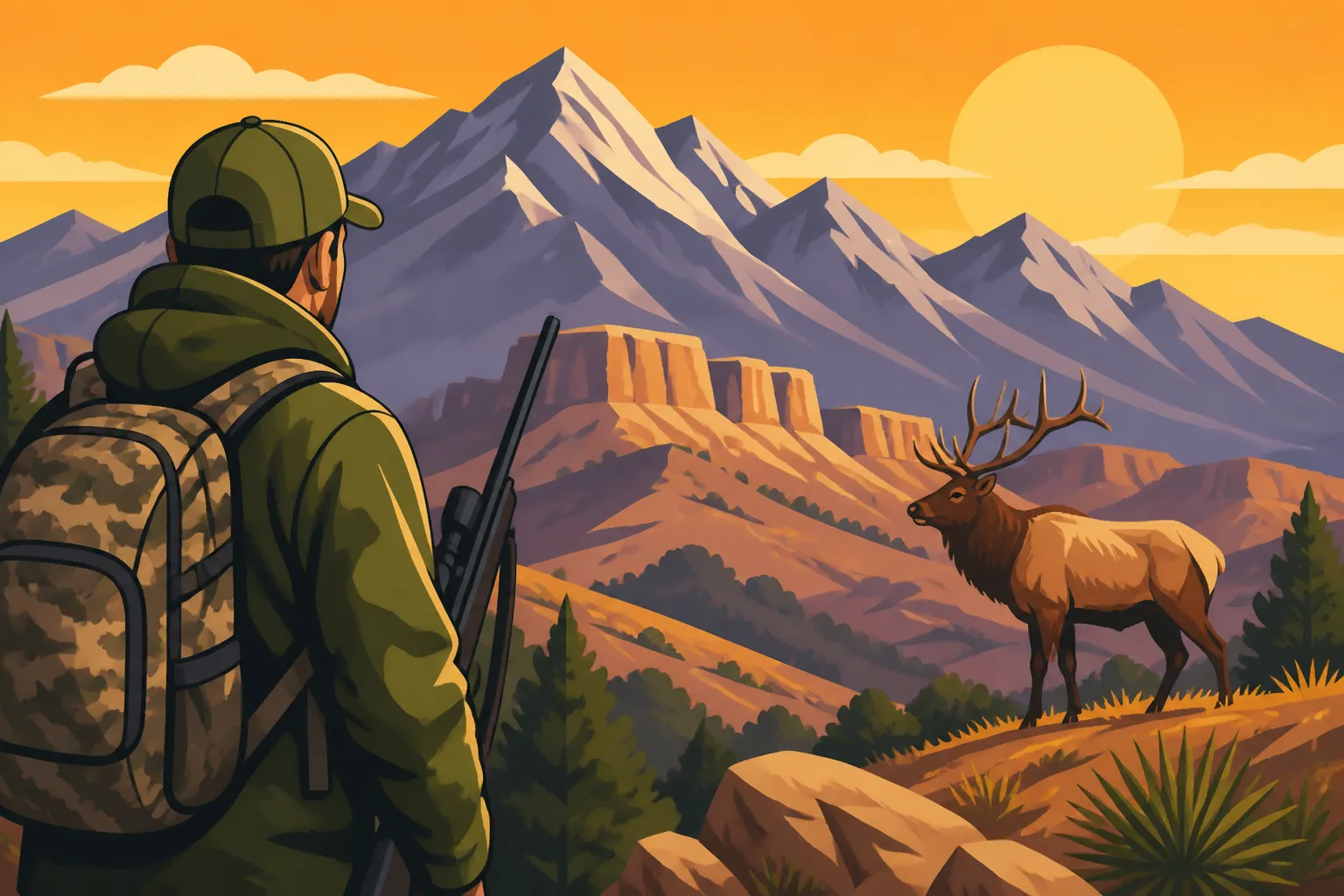
This mountain range isn't towering peaks in the traditional sense; instead, it's characterized by elevated mesas, rounded forested hills, and deep canyons that cut through volcanic rock. The elevation generally ranges from about 7,000 to 9,000 feet. You'll find a striking diversity of habitats, moving from lower elevation juniper and piñon woodlands, perfect for mule deer, up into dense ponderosa pine forests and even some mixed conifer stands at the highest points. This mosaic of cover provides excellent bedding, foraging, and travel corridors for big game.
The volcanic history means the ground can be incredibly rocky, filled with basalt flows and cinder cones. This kind of terrain can be tough on boots and ankles, making silent stalking a true art form. Water sources, while present, are often seasonal or tied to specific drainages and stock tanks, which can become major focal points for game, especially during dry periods. Understanding these micro-habitats is key to finding animals that are constantly adapting to changing conditions. A tool like onX Hunt can be invaluable here, helping you discern public land from private and identifying potential water sources from satellite imagery.
General Game Presence and Distribution
While not as widely known for monster bulls as some Gila units, the Zuni Mountains consistently produce good numbers of elk and mule deer. These animals are often spread out across the varied terrain, making for challenging but rewarding hunts. You'll also find black bear and cougar, particularly in the thicker timbered areas and canyon bottoms, where they follow their prey. Small game like Merriam's turkey also call these mountains home, offering additional opportunities.
The distribution of game can vary greatly by season and even by year, depending on factors like precipitation and forage availability. During archery seasons, elk might be found bugling in the higher ponderosa parks, while later rifle seasons could see them moving to lower, more protected slopes. Mule deer often stick to the piñon-juniper breaks and the edges of the timber, making good use of the natural cover. Understanding these patterns requires diligent scouting, both in person and with digital tools. E-Scouting a New Mexico Unit Before the Season can help you get a head start.
Key Species and Seasons in the Zunis
The Zuni Mountains offer a diverse hunting experience, primarily for elk, mule deer, bear, and cougar. Each species comes with its own preferred habitat within the range and specific season dates that dictate hunting strategies.
Elk Hunting Opportunities
Elk in the Zuni Mountains are part of the larger regional population, often moving between the forested slopes and adjacent agricultural lands, though the core of the hunting typically takes place within the forest boundaries. The Zunis fall into specific game management units that offer both archery and rifle hunts, and sometimes muzzleloader seasons. Archery hunts, usually in September, coincide with the elk rut, offering the thrilling chance to Bugling Bulls Through New Mexico's Mid-September Rut. Rifle seasons typically occur later in the fall.
Success often hinges on locating herds in their preferred cover and understanding their daily routines. During the rut, bulls can be vocal and active, but they also become wise to hunting pressure quickly. Later in the season, elk might be found in denser timber or congregating near thermal cover in colder weather. Patience and persistence are critical, especially when navigating the rocky, broken terrain. Hunters often focus on north-facing slopes, deep canyons, and areas with good feed and water sources.
Mule Deer Pursuits
Mule deer are a cornerstone species in the Zunis, found throughout the range but favoring the piñon-juniper woodlands, oak brush thickets, and the edges of the ponderosa forest. They adapt incredibly well to the rocky, broken terrain, using it for escape and bedding. Deer seasons typically include archery, muzzleloader, and any legal weapon hunts, usually starting in the early fall and extending into December for some rifle hunts. Muzzleloader Deer Windows Across New Mexico Units can vary widely.
Spot-and-stalk is a highly effective tactic here, especially when combined with careful glassing of slopes and draws. The broken terrain offers many opportunities to move undetected, but also plenty of places for deer to disappear. Key areas to focus on include benches, saddles, and the bottoms of canyons where deer might be feeding or traveling. Pay close attention to recent sign – tracks, scat, and rubs – to identify active areas. The late fall hunts can be particularly productive as deer become more active during the rut, but conditions can also be colder and snowier.
Bear and Cougar Hunts
Black bear and cougar are present across the Zuni Mountains, often overlapping with elk and deer habitat. Bear seasons typically run concurrently with deer and elk seasons, providing an opportunity for a combo hunt if you draw the right tags. Cougar hunting is often open for a longer period, sometimes year-round with specific regulations, and can be done with hounds in certain areas. Black Bear and Cougar Across New Mexico are apex predators that thrive in these environments.
Hunting bear often involves locating areas with abundant fall forage, such as oak thickets for acorns or berry patches. Water sources can also be hotspots. Cougar hunting, while challenging, offers a unique big game experience. For both species, understanding their habits, preferred cover, and the availability of their primary food sources (deer and elk) is paramount. Always check the current regulations for specific unit closures, as bear harvest limits can close a zone unexpectedly.
Navigating Access and Terrain in the Zunis
One of the biggest hurdles and sources of frustration for hunters in many New Mexico units, including the Zunis, is navigating the complex quilt of public and private land. This isn't wide-open public domain in many places; it's a mix that demands careful planning.
Public and Private Land Interaction
The Zuni Mountains are largely encompassed within the Cibola National Forest, which means a good portion is public land managed by the Forest Service. However, these public lands are often interspersed with private holdings, checkerboarded patterns, and state trust lands. This creates a situation where you might find prime hunting habitat, only to discover it’s surrounded or bisected by private property. Crossing Private Ground to Reach New Mexico Public Land without explicit, written permission is a serious offense.
This is where digital mapping tools become indispensable. Brands like onX Hunt provide detailed land ownership maps that clearly delineate public, private, and state trust lands. Before you even set foot in the field, use these tools to identify potential access points, legal travel corridors, and areas that might be landlocked. It's not uncommon to find excellent public hunting tucked away behind a small parcel of private ground, requiring you to find alternative routes or secure permission if available.
Road Conditions and Seasonal Access
Access into the Zuni Mountains is primarily via a network of Forest Service roads and county roads. While some main arteries are well-maintained, many of the smaller spurs and two-tracks can be rough, rocky, and become impassable with rain or snow. Summer monsoons can turn dirt roads into muddy quagmires, and early winter snows can quickly block high-elevation routes. Always be prepared for changing conditions, and carry appropriate recovery gear. Seasonal Road Closures Across New Mexico are common, especially in the higher elevations as winter sets in.
It's crucial to check with the local Forest Service office (Mount Taylor Ranger District) for current road conditions and any closures before heading out. Don't rely solely on what a map tells you, as conditions on the ground can change rapidly. Plan your routes, have backup options, and consider the limitations of your vehicle. A good rule of thumb: if you're questioning whether your truck can make it, it's probably best to walk or find another way.
Terrain Challenges and Preparation
As mentioned, the Zuni Mountains are characterized by volcanic features, including basalt rock flows, cinder cones, and rugged canyons. This kind of terrain demands specific physical preparation and gear choices. Expect steep, loose climbs and descents, and rough ground that will test your footwear.
| Terrain Feature | Hunting Impact | Recommended Preparation/Gear |
|---|---|---|
| Volcanic Rock | Loud stalking, tough on feet/ankles | Sturdy, high-ankle boots; trekking poles for stability |
| Steep Canyons | Hard on knees/quads, thermal drafts | Physical conditioning (hills, stairs); attention to wind |
| Dense Ponderosa | Limited visibility, quiet movement | Stealthy clothing, slow and deliberate stalking |
| Pinon-Juniper | Good cover, scent holding | Good glass for spotting; understanding deer habits |
| Seasonal Water | Game congregates, can be scarce | Carry ample water; scout for stock tanks/springs |
Preparing physically for a Zuni hunt means focusing on cardiovascular fitness, strength training for your legs, and plenty of time walking on uneven ground. Mentally, it requires patience and adaptability. Choosing Boots for Rocky Desert Ground is essential, as is understanding how to layer clothing for temperature swings. The ability to move quietly and efficiently through this diverse, challenging terrain will greatly increase your chances of success.
Tactics for Success in the Zuni Mountains
Hunting the Zuni Mountains requires a blend of traditional western hunting skills and a keen understanding of the unit's unique characteristics. It’s not about finding massive herds in wide-open country; it’s about persistence, attention to detail, and smart navigation.
Effective Scouting and Locating Game
Whether you're after elk or mule deer, pre-season scouting is paramount. Start by E-Scouting a New Mexico Unit Before the Season using digital mapping platforms. Look for areas with a mix of cover, water, and potential feeding grounds. Identify north-facing slopes for bedding, dense timber pockets, and benches that might serve as travel corridors. Pay attention to changes in elevation and vegetation type, as these often correlate with game distribution.
Once on the ground, focus on finding fresh sign: tracks, droppings, rubs, and wallows. Early season hunts might find elk near water sources or in shaded timber. As seasons progress and pressure mounts, animals will often retreat to thicker cover in canyons or dense timber. For mule deer, focus on the transition zones between different habitat types, especially where piñon-juniper meets ponderosa. Use your optics heavily; Glassing Benches and Parks for Elk can reveal animals you'd otherwise walk past. Take notes and mark waypoints on your GPS or phone app for any promising sign or sightings.
Reading Thermals and Wind
The Zuni Mountains, with their numerous canyons, drainages, and varied topography, create complex wind patterns and thermals. Understanding these is non-negotiable for success. In general, thermals rise in the morning as the sun heats the ground, pulling scent uphill. In the evening, as the air cools, thermals drop, pushing scent downhill. However, local topography, such as a deep canyon or a prominent ridge, can significantly alter these predictable patterns. Reading Wind in a Deep Gila Canyon applies to the Zunis as well.
Before making a move, always check the wind, and be prepared for it to swirl, especially in canyon bottoms or around saddles. Your scent is your biggest giveaway. Plan your approach routes to take advantage of favorable wind, and be ready to change plans if the wind shifts. This often means hunting from the side or below your target, allowing your scent to rise above or be carried away from the animals. Portable wind checkers are small, but they’re one of the most important tools in your pack.
Stalking and Closing the Distance
The rocky and often timbered terrain of the Zunis makes stalking a genuine challenge. Success relies on slow, deliberate movement and extreme patience. For archery hunters, How Close a Bowhunter Needs to Get on Elk means mastering silent movement. Take one step at a time, checking the ground ahead for loose rocks or crunchy leaves. Use natural cover – trees, rocks, terrain features – to break up your silhouette and mask your movement.
When you spot an animal, assess the situation carefully. What's the wind doing? Where are the escape routes for the animal? Is there a better approach angle? Often, the best strategy is to be patient, wait for the animal to move into a more favorable position, or circle widely to get the wind right. For rifle hunters, getting within comfortable shooting distance still requires a careful approach, especially on bedded animals. Practice shooting from various field positions, as you rarely get a perfect bench rest opportunity in these mountains.
Utilizing Technology for an Edge
Modern technology has transformed hunting, and the Zuni Mountains are an ideal place to leverage it. As mentioned, digital mapping apps like onX Hunt are indispensable for understanding land ownership, topography, and marking waypoints. You can download maps for offline use, which is critical since cell service is often spotty or nonexistent in many parts of the Zunis.
Beyond mapping, apps like GoHunt can provide valuable insights into draw odds and harvest data for specific units, helping you plan which tags to apply for. Weather apps are also essential for real-time conditions, and satellite communicators can be lifesavers for safety in areas without cell coverage. While traditional skills remain paramount, integrating these tools responsibly can significantly enhance your safety, efficiency, and ultimately, your success in these diverse New Mexico mountains.
Disclaimer
This article is for general informational purposes only and does not constitute professional advice. Laws, prices and regulations vary by location and change over time. Consult a qualified professional for guidance on your specific situation.