Hunting the Carson High Country
The Carson National Forest, stretching across northern New Mexico, is an absolute gem for hunters, but its sprawling, rugged high country can feel like a formidable maze if you're not prepared. From its towering peaks to its deep, timbered canyons, this region presents unique challenges and incredible opportunities. This guide is dedicated to helping you demystify the Carson's high country, offering practical advice on how to scout, plan, and execute a successful hunt in this stunning, demanding landscape.
Understanding the Carson's Unique High Country Terrain
Hunting the Carson National Forest means embracing elevation and diverse terrain that shifts dramatically within a few miles. This isn't flat-land hunting, and understanding the lay of the land is your first, most critical step to success. We're talking about a vast area that includes some of the highest peaks in New Mexico, intertwined with deep canyons, expansive parks, and dense timber stands.
Elevation and Habitat Zones
The Carson's high country starts where the pinyon-juniper and ponderosa pine transition to spruce, fir, and aspen forests, generally above 8,000 feet, often pushing well over 10,000 feet. This elevation dictates everything: the animals you'll find, the weather you'll encounter, and the physical demands of your hunt. Lower elevations might hold mule deer and some elk during migration, but the true high country is where the elk and mule deer spend their summers and early fall. You'll find different plant communities at different altitudes, creating distinct habitat zones. For example, open meadows and aspen groves at 9,000 feet might be prime feeding grounds, while the dark timber higher up provides bedding and thermal cover. Understanding these zones is crucial for patterning game. You'll often discover elk herds moving between these elevation bands based on forage, water, and hunting pressure. Getting your lungs ready for this kind of exertion is paramount, especially if you're coming from sea level. Consider looking into Altitude Preparation for a Gila Elk Hunt as many of the principles apply directly to hunting the Carson's high country.
Key Features: Timber, Parks, and Canyons
The Carson is characterized by a mix of incredibly dense dark timber, often spruce-fir, interspersed with expansive, beautiful mountain parks (open meadows), and then deeply cut canyons. Each of these features plays a vital role in how animals move and where they seek refuge. The timber offers incredible cover, making animals feel secure, but it can be incredibly difficult to navigate and hunt through. Visibility often shrinks to mere yards. When you're in the dark timber, you need to rely on your ears, your nose, and quiet footwork. The parks, on the other hand, are crucial feeding areas, especially during the early mornings and late evenings. They offer opportunities for glassing, but also expose animals to view, making them cautious. Glassing Benches and Parks for Elk discusses strategies that are highly effective in these open areas. The canyons are complex; they can be travel corridors, escape routes, and thermal regulators. Animals will use them to move between feeding and bedding areas, often utilizing the prevailing wind and thermal drafts to their advantage. Learning Reading Wind in a Deep Gila Canyon can offer insights that are very transferable to the Carson's deep drainages.
Planning Your Carson High Country Hunt
A successful hunt in the Carson's high country isn't just about showing up with a rifle or bow. It's about meticulous planning, from hours spent behind a computer screen to months spent training your body. This region demands respect and preparation.
E-Scouting and Map Research
Before you even think about lacing up your boots, you need to immerse yourself in the maps. This is where tools like onX Hunt truly shine. You can zoom in on specific areas, identify public versus private land boundaries, locate potential water sources, and pick out promising bedding areas or feeding grounds from satellite imagery. Look for saddle points, benches, and terrain features that could funnel game. Identify areas of different timber density, old burns that might be regenerating with new forage, and natural travel corridors. Pay close attention to topographic lines to understand elevation changes and steepness. Mark potential access points, possible campsites, and escape routes. E-Scouting a New Mexico Unit Before the Season covers this process in detail and can help you develop a robust e-scouting strategy. Download offline maps to your phone using onX Hunt, because cell service in the remote Carson high country is often nonexistent. This can literally be a lifesaver when you're miles deep in the wilderness and need to verify your location or navigate back to camp.
Physical Preparation and Logistics
The Carson high country is no joke. The thin air, steep climbs, and often long distances from trailheads mean you need to be in peak physical condition. Start a consistent training regimen months before your hunt. Focus on cardio, strength, and endurance. Practice hiking with a loaded pack, simulating the weight of packing out an animal. The temperatures can swing wildly from freezing nights to warm days, so Layering for Gila Temperature Swings is a good read, as the same principles apply. Think about your gear: durable, broken-in boots are non-negotiable, and they should be suited for Choosing Boots for Rocky Desert Ground but also handle wet conditions. Consider your shelter, food, water filtration, and emergency supplies. Logistically, plan how you'll get deep into the country. Will you be setting up a base camp and day-hunting, or are you planning a multi-day backcountry spike camp? Factor in potential weather delays or unexpected detours. Having a backup plan for almost everything is smart. Resources like GoHunt can also be invaluable for researching unit-specific information, draw odds, and reading articles from other hunters who have experience in this challenging terrain, giving you a realistic picture of what to expect.
Strategies for Hunting the Carson's Rugged Landscape
Once you're physically and mentally prepared, and you've got your maps dialed, it's time to think about how you'll actually hunt this rugged country. The Carson demands adaptable tactics and a deep understanding of animal behavior.
Glassing and Still Hunting Tactics
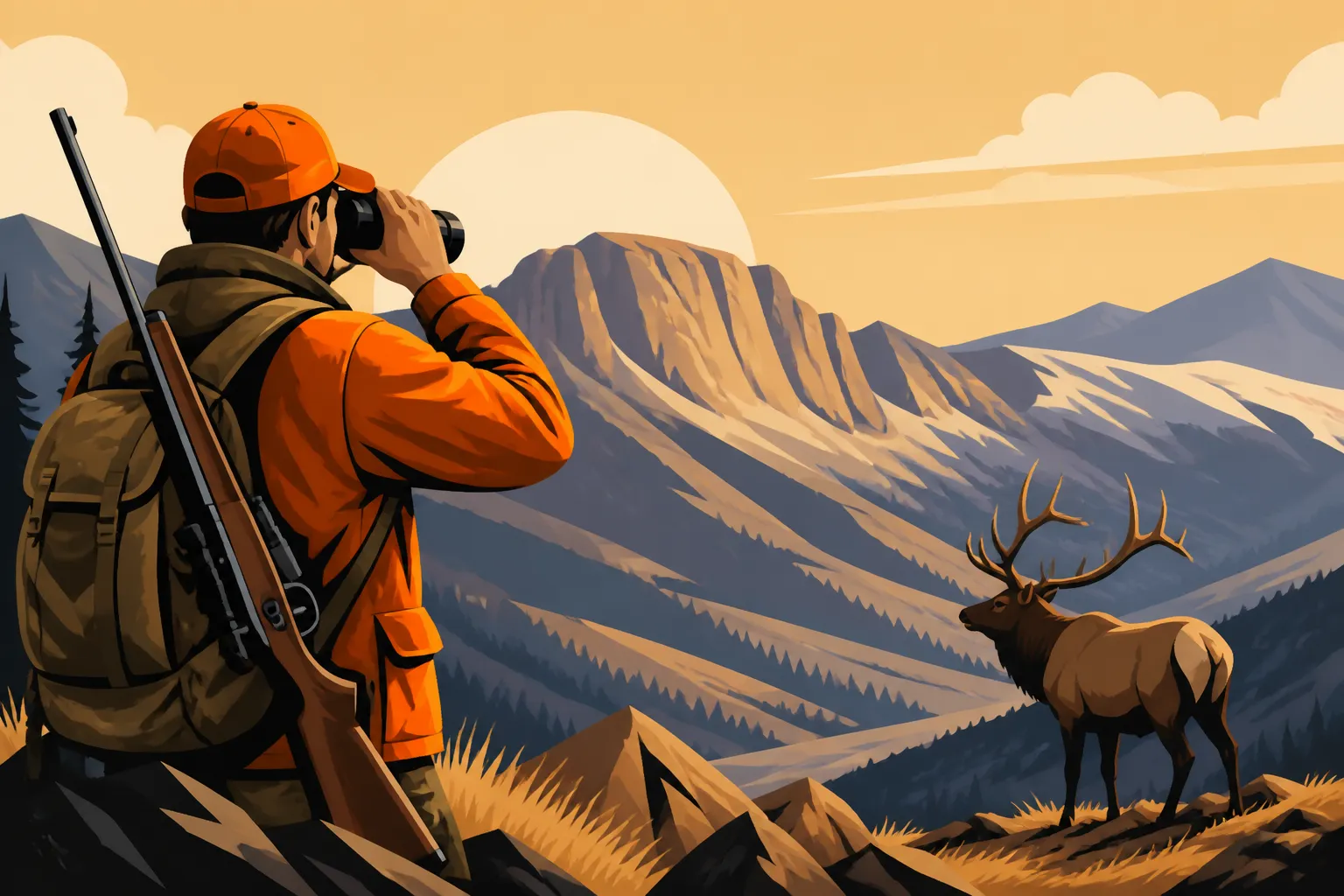
In the Carson's more open parks and clearings, glassing is your best friend. Find a vantage point, settle in, and meticulously pick apart every patch of timber edge, every open bench, and every shadowed draw. Use quality optics and a tripod for stability. Don't just scan; grid-glass systematically. You'll be surprised what appears after minutes of staring at what you thought was just a cluster of rocks or downed timber. However, much of the Carson is thick. When you're in that dense cover, still hunting becomes the primary tactic. Move slowly, taking one or two steps, then pause for several minutes, listening and looking. Terrain That Hides an Approach at 10,000 Feet is an excellent resource for understanding how to use the landscape to your advantage for stealthy movement. Watch for flicking ears, a patch of hide, or the subtle sway of a branch that doesn't belong. Pay attention to the wind direction, ensuring it's in your favor to prevent your scent from spooking animals. This slow, deliberate method requires immense patience, but it's often the only way to get close to game in thick timber.
Reading Sign and Animal Behavior at Elevation
Animals in the high country leave plenty of clues if you know what to look for. Fresh tracks, droppings, rubs on trees, and well-worn game trails all tell a story. In early season, look for wallows where elk might be cooling off or rolling in mud, especially during the rut. As the season progresses, pay attention to the transition zones where different habitat types meet. Animals will often be found near these edges, moving between feeding and bedding. At high elevations, particularly as temperatures drop, animals will seek out south-facing slopes for warmth, especially in the mornings, and move to north-facing slopes or into the dark timber for shade during the heat of the day. They're also incredibly sensitive to hunting pressure. If you encounter an area with heavy sign but no animals, it's likely they've been pushed out. Look for sanctuary areas, often in the steepest, most remote canyons or densest timber, where pressure is minimal. These are the places where mature bulls and bucks will seek refuge.
Navigating Access and Regulations in the Carson
The Carson National Forest offers incredible public access, but like any vast public land system, there are specific rules and nuances you need to understand. Knowing these can save you a lot of grief and ensure you have a legal, ethical, and enjoyable hunt.
Road Access and Seasonal Closures
Many parts of the Carson are accessible by forest roads, but these roads can be rugged, requiring a high-clearance 4×4 vehicle. More importantly, many of these roads are subject to seasonal closures, especially higher up. These closures can be due to snow, mud, or to protect wildlife habitat during sensitive times of the year. Always check with the local Forest Service office or consult your onX Hunt app for current road conditions and closure dates before your hunt. Seasonal Road Closures Across New Mexico can provide broader context, but specific Carson information is key. Don't assume a road marked on a map is open. Getting stuck or cited for driving on a closed road is a quick way to ruin a hunt. Understanding Motorized Travel Rules on New Mexico Public Land is also essential, as off-road travel is almost universally prohibited, even for game retrieval. Be prepared to hike far from where you park your vehicle.
Respecting Wilderness Boundaries
Within the Carson National Forest, there are designated wilderness areas, such as the Latir Peak Wilderness and parts of the Pecos Wilderness. These areas have stricter regulations: no motorized vehicles, no mountain bikes, and sometimes even restrictions on group size or camping. It's imperative that you identify and respect these boundaries. Your onX Hunt app will clearly display wilderness boundaries, making it easy to see where these rules apply. Familiarize yourself with the specific regulations for any wilderness area you plan to enter. Hunting in a wilderness area often means even deeper backcountry travel and relying entirely on foot or horseback. Make sure your planning accounts for the increased physical demands and logistical challenges these areas present. Reading a Wilderness Boundary on a Forest Map is a skill every backcountry hunter needs. Always carry a physical map and compass as a backup to your digital tools, especially when venturing into remote wilderness where unexpected tech failures can leave you disoriented.
New Mexico High Country Hunting Checklist
To help you visualize the crucial aspects of a Carson high country hunt, here's a quick reference table:
| Aspect | Key Considerations | Essential Tools/Resources |
|---|---|---|
| Terrain & Elevation | Steep climbs, dense timber, open parks, deep canyons. Varies by altitude. | Topo maps (onX Hunt), physical fitness. |
| Game Animals | Elk (dominant), Mule Deer. Occasional bear. | Quality optics, quiet footwear. |
| Scouting | Identify water, feeding areas, bedding cover, travel corridors, access points. | onX Hunt, GoHunt, Google Earth. |
| Physical Prep | Cardio, strength, endurance. Hiking with a loaded pack. Acclimatization. | Training regimen, good hiking boots. |
| Navigation | Often no cell service. Easy to get disoriented in thick timber. | onX Hunt (offline maps), physical map, compass, GPS. |
| Access | Forest roads, often rugged. Seasonal closures. Hike into wilderness areas. | Forest Service MVUM maps, onX Hunt, 4×4 vehicle. |
| Weather | Extreme temperature swings, rain, snow, sudden storms possible at any time. | Layered clothing, quality raingear, emergency shelter. |
| Regulations | Unit boundaries, wilderness rules, road closures, blaze orange requirements. | NMDGF rules & info booklet, onX Hunt property layer. |
| Emergency Prep | Remote areas mean delayed help. | First-aid kit, satellite messenger/PLB, fire starter. |
Remember, hunting the Carson High Country is an immersive experience that tests your limits and rewards your efforts with incredible scenery and challenging opportunities. Embrace the preparation, respect the land, and enjoy the adventure.
Disclaimer
This article is for general informational purposes only and does not constitute professional advice. Laws, prices and regulations vary by location and change over time. Consult a qualified professional for guidance on your specific situation.