Best Public Land Units in Western New Mexico
Trying to figure out where to even begin with public land hunting in Western New Mexico can feel like an impossible task. You’re looking at millions of acres, endless lines on a map, and the constant worry of picking a unit that's either hammered by pressure, inaccessible, or just doesn't hold the animals you're after. It's a daunting challenge for any hunter, whether you're a seasoned veteran or just starting out. This guide aims to cut through that complexity, highlighting some of the best public land units in Western New Mexico to help you focus your efforts and dramatically improve your chances of a successful hunt.
Understanding Western New Mexico's Public Land Landscape
Western New Mexico is a sprawling tapestry of diverse landscapes, from the high, timbered peaks of the Gila to the rugged, broken desert country further south. This region boasts an incredible amount of public land, offering some of the most sought-after hunting opportunities in the state. But with that vastness comes the challenge of understanding exactly where to go and how to access it effectively.
The Sheer Scale and Diversity
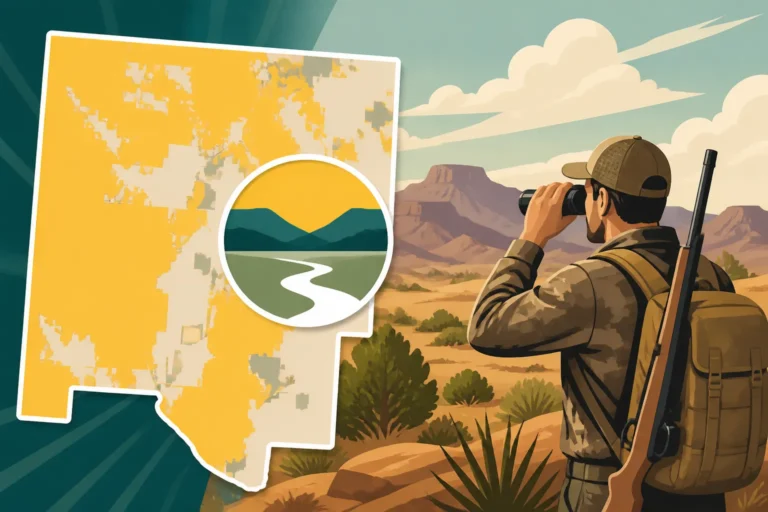
When you're looking at a map of Western New Mexico, the sheer volume of green — representing public lands like National Forests and Bureau of Land Management (BLM) areas — can be overwhelming. It's not just one contiguous block; it's a mosaic. You'll find vast tracts of national forest land, like the Gila, interspersed with extensive BLM acreage, and even pockets of New Mexico State Trust Land. Each type of land comes with its own nuances in terms of access, regulations, and even how game animals utilize the habitat. For instance, elk often prefer the higher elevations and timbered security cover of national forests, while mule deer can be found in both the high country and the more arid, broken terrain of BLM lands. Understanding these differences is crucial because it helps you narrow down your focus from "all of Western New Mexico" to specific habitats within specific units. This diversity is both a blessing and a curse; it provides abundant opportunity but demands a thorough understanding of the terrain you intend to hunt. Hunting New Mexico From 4,000 Feet to 10,000 is a great resource to understand these elevation changes.
Why Western New Mexico?
So, why do so many hunters set their sights on Western New Mexico? The answer is simple: opportunity and quality. This region is home to some of the most iconic big game species in the Southwest, including the legendary Gila elk, healthy populations of mule deer, and even unique animals like oryx and Barbary sheep in its more arid zones. The rugged, expansive terrain offers a true backcountry experience, allowing hunters to escape the crowds often found in more accessible areas. For many, the dream of calling in a bugling bull in the Gila or pursuing a mature mule deer buck in its high-desert haunts is what draws them here year after year. The sheer amount of public ground means that if you're willing to put in the work – both physically and with your pre-season scouting – you can often find untouched pockets of wilderness that hold quality animals. It's a place where big game thrives precisely because much of it remains wild and relatively undisturbed.
Standout Public Land Units for Big Game
While nearly every unit in Western New Mexico offers some form of hunting, a few stand out consistently for their public land access and potential for quality animals. These are the units that often populate wish lists and are worth a deep dive for any serious hunter.
The Gila Complex: Elk and Mule Deer Powerhouses
When anyone talks about Western New Mexico hunting, the Gila National Forest almost immediately comes to mind. This sprawling expanse of wilderness is legendary, particularly for its elk hunting. Units like 15, 16A, 16D, and 17 form the heart of the Gila complex, renowned for producing some of the state's largest bulls and offering a true wilderness hunting experience. New Mexico Elk Are Why the Gila Draws Everyone is not just a catchy title; it's a testament to the Gila's reputation.
- Unit 15: Often hailed as one of the Gila's finest, Unit 15 is largely wilderness, demanding physical prowess and dedication. It's a primitive weapons unit in many areas, which helps manage pressure and fosters older age-class animals. Access requires pack strings or significant hiking, but the reward can be exceptional. Expect steep canyons, dense timber, and a genuine challenge. Why Unit 15 Is Called the Finest in the Gila provides more insight into what makes this unit special. Mule deer are also present, often found on the fringes of the timber and in the more open, broken country.
- Units 16A and 16D: These units are often grouped together when discussing the Gila's premier elk hunting. They offer a mix of rugged canyon systems, high mesas, and dense ponderosa pine and mixed conifer forests. While not as strictly primitive as parts of Unit 15, they still offer vast public access, primarily within the Gila Wilderness and surrounding National Forest lands. Hunters here need to be prepared for significant elevation changes and long days in the field. Mule deer can be found throughout these units, often in the transitional zones between forest and more open ground. New Mexico Units 16A and 16D Elk Reputation speaks to the quality of hunting in these areas.
- Unit 17: Unit 17 is unique in that it encompasses parts of both the Gila Wilderness and the Aldo Leopold Wilderness Area. This means a substantial portion is roadless, offering tremendous opportunities for those willing to pack in deep. The terrain is incredibly varied, from high mountain peaks to vast timbered flats and deep canyons. Elk and mule deer thrive in this diverse habitat, but accessing the best spots requires meticulous planning and physical conditioning. The public land percentage is extremely high, making it a fantastic option for DIY hunters seeking solitude. The Gila National Forest as New Mexico Elk Country provides a broader overview of hunting in this incredible region.
Beyond the Gila: Other Western Gems
While the Gila gets a lot of attention, Western New Mexico offers other excellent public land units that deserve consideration, especially if you're targeting specific species or looking for different types of terrain.
- Units 23, 24, 26 (Desert Mule Deer & Oryx): As you move south and west, the landscape transitions into the Chihuahuan Desert. Units like 23, 24, and 26 offer significant tracts of BLM land, along with some National Forest components. These units are prime habitat for desert mule deer, which present a unique hunting challenge. Glassing vast expanses, often broken by rimrock and arroyos, is key to success. In certain areas, particularly around White Sands Missile Range, you'll also find oryx (Gemsbok) roaming these arid landscapes. Hunting oryx on these off-range units offers a different experience than the more structured White Sands hunts. Desert Mule Deer in Southern New Mexico can help you understand the nuances of hunting these elusive animals.
- Units 10, 12, 13 (Mule Deer & Elk): Further north, yet still west of the Rio Grande, units like 10, 12, and 13 offer excellent opportunities, particularly for mule deer and elk. These units often feature a mix of national forest, BLM, and tribal lands (where specific permits are required). They can have more varied terrain, from high-elevation mesas to pinyon-juniper breaks. While possibly not as consistently producing trophy elk as the core Gila units, they can offer very good hunting, especially if you catch the mule deer rut at the right time. Public land access here is generally good, but identifying land boundaries is absolutely critical.
- Barbary Sheep Units (e.g., portions of 21, 28, 30): For a truly unique public land hunting experience in Western New Mexico, consider units that hold Barbary sheep (Aoudad). These rugged, incredibly resilient animals inhabit some of the most desolate and challenging canyon country. Public land here is almost exclusively BLM ground, characterized by steep cliffs, deep arroyos, and sparse vegetation. Hunters must be prepared for extreme physical exertion and an intense spot-and-stalk approach. While not as universally distributed as deer or elk, finding a Barbary sheep unit with good public access can lead to an unforgettable hunt.
Navigating Public Land and Maximizing Access
Drawing a tag in one of these fantastic Western New Mexico units is only half the battle. The other half, arguably the more crucial one, is effectively navigating and utilizing the vast public land once you're there. This means smart scouting, the right tools, and a deep respect for the rules.
Essential Tools for the Modern Hunter
Gone are the days when a paper map and a compass were your only navigational aids. Today, digital mapping tools are indispensable for public land hunting in New Mexico.
- Mapping Apps (e.g., onX Hunt): Platforms like onX Hunt are game-changers. They allow you to instantly see land ownership boundaries, topo lines, satellite imagery, roads, trails, and even historical burn data. Before you even set foot in the unit, you can meticulously plan routes, identify potential bedding areas, locate water sources, and pinpoint public access points. This is particularly vital in areas where public and private land are intermingled, helping you avoid trespass issues. Reading a Land Ownership Layer Correctly is a skill every hunter needs to master, and these apps make it significantly easier.
- Draw Odds and Research (e.g., GoHunt): For planning your application strategy, resources like GoHunt offer invaluable data on draw odds, unit harvest statistics, and detailed unit profiles. Understanding which units have higher success rates, what percentage of public land is available, and historical draw difficulty can greatly influence your choices when applying for those coveted tags. These tools help you make informed decisions, rather than just guessing.
- GPS Devices: While phone apps are powerful, a dedicated GPS device can be a lifesaver in areas with no cell service – which is common in many Western New Mexico wilderness areas. It provides reliable navigation and allows you to mark waypoints for crucial features like water, game sign, or your camp.
The Importance of Scouting and Local Knowledge
Even with the best digital tools, there's no substitute for thorough scouting and, if possible, local knowledge.
- E-Scouting: Before you drive hundreds of miles, spend hours e-scouting your chosen unit. Look for distinct terrain features that could funnel game, identify potential glassing knobs, and locate reliable water sources (crucial in the arid parts of Western New Mexico). Satellite imagery can reveal subtle changes in vegetation, historical burns that create new forage, and remote pockets that might hold unpressured animals. This pre-work helps you prioritize areas for boots-on-the-ground scouting. E-Scouting a New Mexico Unit Before the Season offers a detailed approach to this critical task.
- Boots-on-the-Ground Scouting: Nothing beats walking the ground. If you can visit your unit before the season, even for a day or two, you'll gain an invaluable understanding of the terrain, game trails, and current conditions. Look for fresh tracks, droppings, rubs, and active wallows for elk. Pay attention to bedding areas and feeding patterns. This also allows you to test your gear, break in your boots, and get a feel for the elevation and physical demands of the area.
- Leveraging Local Insights: While not always easy to come by, talking to forest rangers, game wardens, or even folks at local diners can sometimes yield useful, general information about an area. They might not give you an X on the map, but they can offer insights into recent weather patterns, game movements, or particularly difficult access points.
Respecting Boundaries and Regulations
Public land hunting comes with responsibilities. A lack of awareness or respect for boundaries and rules can not only ruin your hunt but also lead to legal trouble.
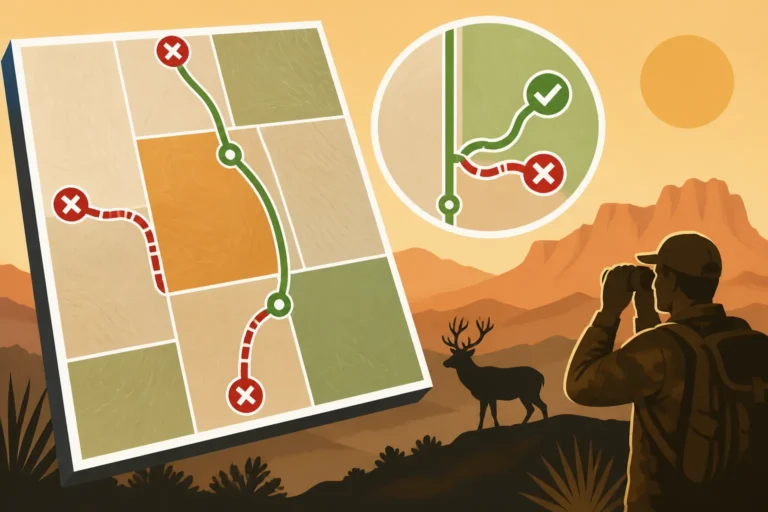
- Private Land Incursions: Many public land parcels, especially BLM ground, are often interspersed with private land. Always know where you are. Even accidentally stepping onto private property without permission can be considered trespass. Always carry your land ownership map and understand the boundaries. If you need to cross private land to access public land, you must obtain written permission beforehand. This is not just good etiquette; it's the law in New Mexico. Crossing Private Ground to Reach New Mexico Public Land covers this in detail.
- Road Closures and Motorized Travel: National Forests and BLM lands often have seasonal or permanent road closures to protect habitat, prevent erosion, or manage wildlife. Always check current travel management plans for your specific unit. Violating these rules can result in heavy fines and damage to the very resources we cherish. Understand that "open" doesn't always mean "drivable" for all vehicles, especially after heavy rains. Motorized Travel Rules on New Mexico Public Land is a must-read for anyone heading into the backcountry.
- Unit-Specific Rules: Always read the current New Mexico Hunting Rules & Information booklet. Game Management Units (GMUs) can have specific regulations regarding weapon types, season dates, harvest limits, and even blaze orange requirements that vary from one unit to another. Reading a New Mexico Hunt Code Before You Apply is essential before you even submit your tag application.
Knowing your unit, understanding the land, and respecting the regulations are paramount to a successful and ethical hunt in Western New Mexico's incredible public lands.
| Unit Complex (Western NM) | Primary Species | Key Terrain Features | Public Land Type Dominance | Typical Hunting Pressure |
|---|---|---|---|---|
| Gila National Forest | Elk, Mule Deer | High mountains, timber, deep canyons | National Forest (Wilderness) | Moderate to High, but thins out deep |
| Southern Desert Units | Mule Deer, Oryx | Arid plains, broken mesas, rimrock, arroyos | BLM, some State Trust Land | Moderate, localized near water |
| Northern Western Units | Mule Deer, Elk | Pinyon-juniper, high mesas, ponderosa | National Forest, BLM | Moderate, varies by access |
| Barbary Sheep Units | Barbary Sheep | Rugged canyons, steep rocky slopes | BLM | Low, very challenging terrain |
Disclaimer
This article is for general informational purposes only and does not constitute professional advice. Laws, prices and regulations vary by location and change over time. Consult a qualified professional for guidance on your specific situation.