National Forest Acreage in New Mexico
Figuring out where you can actually hunt in New Mexico can feel like deciphering an ancient riddle sometimes. So much of the state is private land, or tribal land with its own unique rules, that it’s easy to get discouraged just looking at a map. But don't despair! This guide is going to walk you through the incredible opportunities that New Mexico’s vast National Forests offer, helping you understand their size, character, and how to effectively plan your hunts within them.
The Foundation: Understanding New Mexico's National Forest System
When you dream of wide-open spaces, towering pines, and elk bugling through the timber, chances are you're picturing a National Forest. These federal lands are the backbone of public hunting access in many western states, and New Mexico is no exception. They represent a huge portion of the state’s accessible hunting acreage, offering diverse landscapes from desert mountains to alpine peaks. It's a truly invaluable resource for anyone seeking a true wilderness hunting experience without the need for private land access.
How Much National Forest Acreage New Mexico Holds
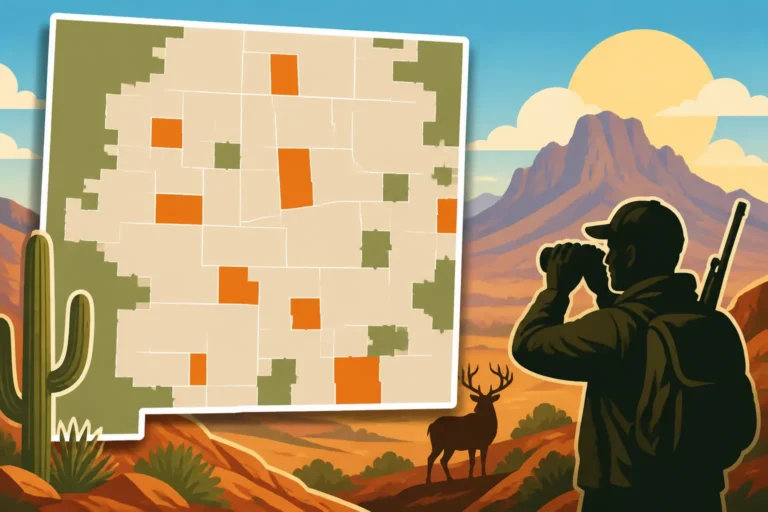
New Mexico is blessed with millions of acres designated as National Forest land, managed by the U.S. Forest Service. This isn't just a few scattered plots; we're talking about massive, contiguous blocks of public ground that stretch across vast regions of the state. These areas are generally open to hunting, fishing, and other recreational activities, providing an incredible playground for hunters. The sheer scale means that even during busy seasons, you can often find solitude if you're willing to put in the effort to get away from the roads.
For many hunters, especially those coming from states with limited public access, grasping the sheer size of these areas is the first step. It's not uncommon to look at an online map and see a National Forest unit that's larger than entire counties in other parts of the country. This scale is both a blessing and a challenge; it means endless possibilities, but also requires serious planning and preparation to navigate effectively.
The Role of National Forests in Public Land Hunting
National Forests are absolutely critical for New Mexico hunters. While Bureau of Land Management (BLM) lands also contribute significantly to public access, National Forests often encompass the higher elevations, denser timber, and more rugged, mountainous terrain that many of our most sought-after big game animals — like elk, deer, and bear — call home. The ecosystems within these forests support healthy populations, and their management prioritizes wildlife habitat alongside other uses like timber and recreation.
For anyone pursuing a draw tag, particularly for elk or high-country mule deer, understanding the National Forest boundaries within your chosen unit is paramount. These are the areas where you'll spend the bulk of your time, and often where the biggest challenges and rewards lie. They offer varied hunting experiences, from stalking through dark timber to glassing vast parks and meadows. Unlike some private or state lands, hunting on National Forest ground often means a true backcountry adventure, requiring self-sufficiency and a good understanding of navigation and survival skills.
Major National Forests and Their Hunting Character
New Mexico is home to several distinct National Forests, each with its own unique characteristics, terrain, and primary game species. Knowing the general layout and feel of each one can save you countless hours of scouting and help you narrow down your draw applications.
The Gila National Forest: New Mexico's Elk Mecca
When you talk about elk hunting in New Mexico, the Gila National Forest is almost always the first place that comes to mind. It's a vast expanse of mountainous terrain, deep canyons, and extensive wilderness areas, particularly the Gila Wilderness and the Aldo Leopold Wilderness. This is rugged, unforgiving country that demands respect, but it's also where some of the state's most iconic elk herds roam. Hunters who draw tags for units within the Gila often find themselves facing steep climbs, long days, and the real possibility of packing an elk out many miles from the nearest road.
The Gila is not just for elk, though. It offers fantastic opportunities for mule deer, especially in the more open, ponderosa pine areas and along canyon rims. Bear and mountain lion are also present, often following the elk and deer herds. The sheer scale and primitive nature of much of the Gila mean that true wilderness skills are a must. Many successful hunts here involve horses or mules to get deep into the backcountry, allowing hunters to escape pressure and reach unmolested game. Understanding New Mexico's Gila National Forest for Elk Hunters is crucial for anyone considering a hunt here.
Northern Forests: Carson and Santa Fe
Moving north, the Carson National Forest and the Santa Fe National Forest offer a completely different hunting experience, characterized by higher elevations, aspen groves, and vast tracts of dark timber. These forests are part of the southern Rocky Mountains, providing habitats for a variety of game species. The Carson, particularly in its more remote sections, is known for its strong elk populations and good mule deer hunting, especially during the later rifle seasons. It's a place where timber hunting tactics often come into play, requiring patience and a keen eye for subtle sign. Hunting the Carson High Country offers a glimpse into what you can expect in these challenging but rewarding areas.
The Santa Fe National Forest, lying closer to the state capital, also provides excellent hunting opportunities. It features diverse terrain, from the Pecos Wilderness Area with its pristine high mountain lakes and spruce-fir forests to the lower-elevation Ponderosa pine and piñon-juniper woodlands. Both elk and mule deer are present, and the more accessible areas can see significant pressure, especially on opening weekends. However, if you're willing to hike in, the Santa Fe offers solitude and productive hunting. Exploring Santa Fe National Forest Ground in New Mexico reveals its potential.
Central and Southern Forests: Cibola and Lincoln
Further south, the Cibola National Forest is a mosaic of sky island mountain ranges surrounded by high desert plains. These isolated mountain blocks, like the Magdalena Mountains, the Gallinas Mountains, and the Manzano Mountains, act as oases for wildlife. Each range can offer unique hunting experiences, with elk and mule deer adapted to these drier, often rockier environments. Access can vary, with some ranges having well-developed road systems and others requiring more legwork to explore. Cibola National Forest Access in New Mexico provides insights into navigating these varied landscapes.
The Lincoln National Forest, located in the south-central part of the state, is another key hunting area, encompassing the Sacramento, Capitan, and Guadalupe Mountains. It's famous for its abundant mule deer and healthy elk herds, especially in the Sacramento Mountains. This forest also offers hunting opportunities for other species like black bear and even an occasional oryx that might wander off-range. The terrain here can be steep and heavily timbered, especially at higher elevations, transitioning to more open, arid piñon-juniper country at lower altitudes. Understanding Lincoln National Forest Hunting in New Mexico is vital for planning a hunt in this region. The Sacramento Mountains, in particular, are a popular destination.
Accessing and Navigating National Forest Lands
Once you've identified a promising National Forest for your hunt, the next challenge is understanding how to actually get in there and move around. National Forests are generally very accessible, but they come with their own set of rules and considerations regarding roads, trails, and wilderness designations.
Road Systems and Motorized Travel
National Forests typically have an extensive network of Forest Service roads, ranging from well-maintained gravel roads to rough, two-track trails that require a high-clearance 4×4 vehicle. These roads are your primary means of accessing large portions of the forest. However, it’s crucial to understand that not all roads are open year-round, or even during hunting season. Many have seasonal closures to protect roads during wet periods, prevent resource damage, or provide undisturbed winter range for wildlife. It's also vital to remember that off-road travel is generally prohibited. Stick to designated routes to avoid fines and damage to the ecosystem.
Before heading out, always consult the relevant Forest Service motor vehicle use maps (MVUMs) for the specific forest and district you plan to hunt. These maps are the definitive guide to where you can drive, ride an ATV, or even mountain bike. What looks like a promising two-track on a satellite image might actually be closed to motorized use. This is where tools like onX Hunt become invaluable, as they often have layers that show these seasonal closures and designated routes, helping you plan your approach without risking a violation or getting stuck.
Trailheads and Wilderness Area Entry
Beyond the roads, National Forests contain thousands of miles of hiking and equestrian trails. These trails are your gateway to the deeper backcountry and, most importantly, into designated wilderness areas. Wilderness areas, by definition, prohibit motorized and mechanized travel, meaning no ATVs, dirt bikes, or even mountain bikes are allowed. This is where you truly escape the crowds and immerse yourself in the wild. If you're looking to hunt a wilderness area, be prepared to go on foot or with pack stock.
Identifying trailheads and understanding the trail system is a critical part of scouting. Satellite imagery can show you potential access points, but it's important to cross-reference with official Forest Service maps or detailed hunting apps like GoHunt or onX Hunt. Knowing which trail leads to specific basins, ridges, or water sources can make or break a backcountry hunt. Always consider the physical demands of hiking into and out of a wilderness area, especially if you anticipate packing out an animal. Preparing physically for Altitude Preparation for a Gila Elk Hunt or any high-country hunt is non-negotiable.
Navigating Unit Boundaries Within National Forests
New Mexico’s game management units (GMUs) often overlap with National Forest boundaries, meaning a single unit might contain parts of one or more National Forests, as well as BLM land, state land, and private property. This can be confusing, especially if you're not intimately familiar with the area. It's not uncommon for a hunt unit to encompass a huge chunk of a National Forest.
When you're studying your hunt unit, use maps that clearly delineate land ownership. This is another area where digital mapping tools like onX Hunt shine, as they provide color-coded land ownership layers right on your phone or GPS. It's your responsibility to know exactly where you are at all times and to respect all land boundaries. Unintentionally crossing onto private property can lead to serious legal issues, even if you thought you were on public National Forest land. Always be certain of your location, especially when closing in on an animal. Reading a New Mexico Unit Boundary Before You Apply will help you understand the importance of this.
Planning Your National Forest Hunt
Hunting in New Mexico's National Forests requires thoughtful planning. These aren't small, manicured hunting preserves; they are wild, vast, and often remote. Success comes from preparation, both before you leave home and once you're on the ground.
Utilizing Maps and Digital Tools
Modern mapping technology has revolutionized how we scout and hunt National Forests. Gone are the days of relying solely on paper maps, though carrying one as a backup is always a good idea. Digital mapping applications allow you to download offline maps, mark waypoints, track your movement, and view multiple layers of information, including topographical lines, land ownership, roads, trails, and water sources. Brands like onX Hunt have become indispensable for hunters navigating these complex landscapes.
Before your hunt, spend significant time e-scouting with these tools. Identify potential access roads, trailheads, bedding areas, feeding grounds, and water sources. Look for terrain features that might funnel game, provide cover for an approach, or offer good glassing points. Use the topographic lines to understand elevation changes and identify potential camp spots. The more time you spend virtually exploring your unit's National Forest areas, the better prepared you'll be when you arrive on the ground. E-Scouting a New Mexico Unit Before the Season provides an in-depth look at this critical preparation.
Understanding Regulations and Special Closures
While National Forests are generally open to hunting, it’s vital to remember that all state hunting regulations apply, including season dates, bag limits, and legal shooting hours. Beyond that, the Forest Service itself can impose additional restrictions. These might include fire restrictions, especially during dry periods, which can prohibit campfires or even specific types of stoves. There can also be area closures due to logging operations, prescribed burns, or wildlife management needs.
Always check the Forest Service website for the specific National Forest and ranger district you plan to visit before your hunt. It’s also wise to call the local ranger station; they are often a wealth of current, ground-level information that might not yet be posted online. These small details can drastically affect your hunt. Imagine driving for hours only to find your planned access road closed, or your campfire plans dashed by a fire ban. A quick call can save you a lot of headache.
The Importance of Physical Conditioning
Hunting in New Mexico's National Forests, particularly the mountainous regions like the Gila or the northern Carson and Santa Fe forests, is physically demanding. You’ll be hiking at high elevations, often carrying heavy packs over uneven terrain, and potentially covering many miles in a day. The thin air at 8,000 to 10,000 feet can be a real shock to flatlanders, and even seasoned hunters benefit from pre-season conditioning.
Start a workout regimen months before your hunt. Focus on cardiovascular fitness, leg strength, and endurance. Practice hiking with a loaded pack to simulate carrying out game. Being in good physical shape not only increases your chances of success but also enhances your safety and enjoyment of the hunt. It allows you to push deeper into less-pressured areas and react more effectively when you find game. Remember, packing out a bull elk from a remote canyon requires an immense amount of physical and mental fortitude.
Challenges and Considerations for National Forest Hunts
While National Forests offer incredible opportunities, they also present unique challenges that hunters need to be aware of and plan for. Being realistic about these hurdles is part of being prepared for a successful and safe hunt.
Managing Hunting Pressure
With millions of acres open to the public, it's easy to assume you'll have a National Forest entirely to yourself. However, that's rarely the case, especially during popular seasons like archery elk or rifle deer openers. Areas close to paved roads or popular trailheads can experience significant hunting pressure. This pressure can push game into thicker cover, more remote areas, or onto adjacent private lands.
To mitigate pressure, be willing to work harder than most. Hike further, explore steeper terrain, or consider hunting mid-week when many weekend warriors have gone home. Using your e-scouting tools to identify areas that are furthest from easy road access can be a great strategy. Often, just a mile or two from a trailhead is enough to leave 90% of other hunters behind. Finding Low Pressure Ground on Opening Weekend in these vast forests is a skill developed over time.
Seasonal Conditions and Weather Extremes
National Forests in New Mexico span a wide range of elevations and geographies, meaning weather conditions can vary dramatically. Early archery seasons might see scorching desert heat in lower elevations, requiring careful Heat Management on an Early Season Hunt and constant attention to water. Later rifle seasons, especially in the northern forests, can bring deep snow, icy conditions, and sub-zero temperatures. Summer monsoons can turn forest roads into impassable quagmires and create flash flood hazards in canyons.
Always monitor weather forecasts for the specific elevation and area you'll be hunting. Pack appropriate gear for all possible conditions, and be prepared for sudden changes. A sunny autumn morning can quickly turn into a blizzard in the high country. Road conditions can deteriorate rapidly with rain or snow. Having a flexible plan, a reliable vehicle, and the right clothing layers (like those recommended for Layering for Gila Temperature Swings) are essential for safety and comfort.
Remote Operations and Emergency Preparedness
Hunting deep in a National Forest, especially in a wilderness area, means you are often miles, or even days, from any immediate assistance. Cell service is spotty at best in many of these remote regions, and nonexistent in the deeper canyons and wilderness. This isolation is part of the allure, but it also means you are solely responsible for your own safety and emergency preparedness.
Always carry a first-aid kit, fire-starting materials, extra food and water, and navigation tools. Consider investing in a satellite messenger device for emergency communication. Let someone responsible know your detailed hunt plan, including where you'll be, your planned routes, and when you expect to return. Be prepared to handle minor injuries, navigation errors, or unexpected overnight stays in the backcountry. The rugged beauty of New Mexico's National Forests is undeniable, but it demands respect and thorough preparation.
Here's a quick look at New Mexico's primary National Forests:
| National Forest | Primary County Location | Key Game Species | General Character | Estimated Acreage (Approx.) |
|---|---|---|---|---|
| Gila | Grant, Catron, Sierra | Elk, Mule Deer, Bear | Rugged Mountains, Deep Canyons, Extensive Wilderness | 3.3 Million |
| Carson | Taos, Rio Arriba, Colfax | Elk, Mule Deer, Bear | High Mountains, Aspen, Dark Timber, Alpine | 1.5 Million |
| Santa Fe | Santa Fe, Rio Arriba, San Miguel | Elk, Mule Deer, Bear | Diverse, from Pecos Wilderness to Pinon-Juniper | 1.6 Million |
| Cibola | Bernalillo, Valencia, Socorro | Elk, Mule Deer, Bear | Sky Island Ranges, Surrounded by Desert | 1.6 Million |
| Lincoln | Lincoln, Otero, Chaves | Mule Deer, Elk, Bear | Mountainous, Varied Elevations, Sacramento Mtns. | 1.1 Million |
This article is for general informational purposes only and does not constitute professional advice. Laws, prices and regulations vary by location and change over time. Consult a qualified professional for guidance on your specific situation.