Nine Million Acres of New Mexico National Forest
Many aspiring hunters dream of chasing big game across vast, wild landscapes, only to get overwhelmed by the sheer scale of public land and the intricate rules for navigating it. New Mexico offers a monumental opportunity for these dreams, boasting nearly nine million acres of National Forest land open to hunting, but figuring out where to start can feel like an impossible task. This guide is designed to demystify these incredible public hunting grounds, offering a detailed roadmap to understanding, accessing, and successfully hunting in New Mexico's magnificent National Forests.
Understanding New Mexico's National Forests for Hunting
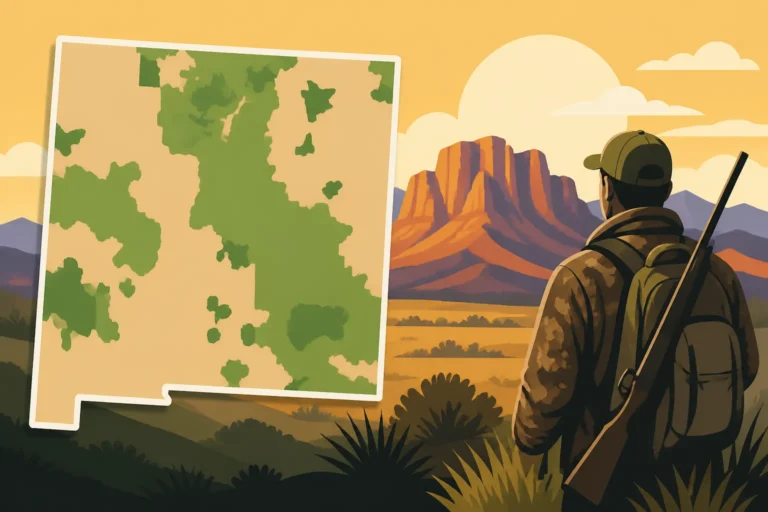
When you look at a map of New Mexico, the green swathes of National Forest land truly stand out, covering an impressive chunk of the state. These aren't just pretty pictures; they represent some of the most productive and challenging hunting grounds available to the public. For many, these forests are the backbone of their hunting aspirations, providing the space and habitat needed for thriving populations of elk, deer, bear, and other species.
The Sheer Scale of Opportunity
Imagine nearly nine million acres, an area larger than many entire states, dedicated to public use—including hunting. This isn't just one big contiguous forest; it's a collection of diverse ecosystems spread across New Mexico, from the high, snow-capped peaks of the Sangre de Cristos to the arid sky islands of the south. Each National Forest, and even different sections within them, presents a unique set of challenges and rewards. This immense acreage means there's always new ground to explore, new ridges to climb, and new canyons to glass. It also means that even on popular hunts, you can often find solitude if you're willing to put in the effort to get away from road access. The vastness provides opportunities for both road-accessible day hunts and multi-day backcountry expeditions, catering to a wide range of hunting styles and physical abilities.
However, this scale can also be intimidating. Newcomers often struggle with where to begin their scouting and how to effectively cover such massive areas. Knowing which forest generally holds what species, and what type of terrain to expect, is the first critical step in narrowing down your focus and turning that overwhelming feeling into actionable plans. This is where tools like onX Hunt become invaluable, allowing you to visualize these millions of acres, identify land ownership, and start pinpointing potential hunting zones from the comfort of your home.
The "Multiple Use" Mandate
National Forests operate under a "multiple use" mandate, meaning they are managed for a variety of purposes beyond just timber production, which was their original primary goal. This mandate includes recreation (like hunting, hiking, and camping), wildlife conservation, grazing, water management, and even mineral extraction. For hunters, this is generally a good thing, as it ensures that wildlife habitat is a key consideration in forest management plans. It also means, however, that you're likely to encounter other users sharing these lands. You might see hikers on trails, campers in designated areas, mountain bikers, or even livestock grazing in certain allotments.
Understanding this "multiple use" aspect is crucial for setting realistic expectations and practicing good outdoor etiquette. It means sharing the resource respectfully, being aware of others, and always prioritizing safety. For instance, during archery season, you might encounter hikers on popular trails, so being mindful of your arrow's backdrop is paramount. During rifle season, the forests can feel much busier, and wearing appropriate blaze orange is not just a rule, but a critical safety measure. Blaze Orange Requirements Through the Season is an important read to ensure you're always in compliance and visible. The "multiple use" philosophy ultimately benefits everyone by maintaining healthy, accessible forests, but it requires cooperation and respect from all users.
Key National Forests for Hunters in New Mexico
New Mexico is home to several distinct National Forests, each with its own character, terrain, and primary game species. Knowing the general lay of the land for each can help you decide where to focus your efforts when planning your next hunting adventure or applying for tags.
The Iconic Gila National Forest
When most people think of elk hunting in New Mexico, the Gila National Forest immediately comes to mind. It's legendary for a reason—its vast, rugged wilderness areas, deep canyons, and expansive timber stands provide ideal habitat for trophy-class bull elk and mule deer. Covering over 3.3 million acres in southwestern New Mexico, the Gila is truly a wilderness hunter's paradise. It encompasses three designated wilderness areas: the Gila Wilderness, the Aldo Leopold Wilderness, and the Blue Range Wilderness (which it shares with Arizona). These areas are managed to preserve their wild character, meaning limited motorized access and a focus on primitive experiences.
Hunting the Gila is not for the faint of heart. The terrain is demanding, elevations can be significant, and getting deep into prime hunting areas often requires horses or a serious backpacking commitment. But for those willing to embrace the challenge, the rewards can be incredible. The Gila consistently produces some of the state's largest elk, and the feeling of bugling with a bull in the untouched depths of the wilderness is something truly special. The Gila National Forest as New Mexico Elk Country provides an excellent deep dive into what makes this area so famous for elk. Beyond elk, the Gila also holds healthy populations of mule deer, black bear, and mountain lion, offering diverse hunting opportunities throughout the year.
Northern Giants: Carson and Santa Fe National Forests
Moving north, the Carson and Santa Fe National Forests dominate the landscape with their towering peaks, dense conifer forests, and aspen groves, particularly within the Sangre de Cristo and Jemez mountain ranges. These forests are classic high-country hunting grounds, offering different challenges and species concentrations compared to the Gila. The Carson National Forest, located in north-central New Mexico, is famous for its high-elevation mule deer and elk, particularly in the units bordering Colorado. Carson National Forest Access in New Mexico details some of the specific challenges and rewards of hunting this northern gem.
The Santa Fe National Forest, situated immediately south of the Carson, includes portions of the Jemez Mountains and the southern Sangre de Cristos. It offers similar species—elk, mule deer, bear, and turkey—but with its own unique access points and terrain. These northern forests are characterized by colder temperatures, significant snowpack in late seasons, and often steeper, more broken country. Hunters here need to be prepared for rapid weather changes and rigorous climbs. While not as widely renowned for "trophy" elk as parts of the Gila, these forests offer consistently good hunting, beautiful scenery, and often more accessible trail systems than the deepest wilderness of the Gila. Santa Fe National Forest Ground in New Mexico sheds more light on what to expect when hunting this forest. Both forests are also critical habitat for Merriam's turkey, making them popular for spring turkey hunts.
Central and Southern Hunting Grounds: Cibola and Lincoln National Forests
In the central and southern parts of the state, you'll find the Cibola and Lincoln National Forests, offering diverse habitats that range from ponderosa pine forests to "sky island" mountain ranges rising out of the desert. The Cibola National Forest is actually comprised of several distinct mountain ranges, including the Magdalenas, San Mateos, and Manzanos, each separated by vast stretches of high desert or plains. This fragmented nature means hunters need to research specific ranges within the Cibola to understand the local conditions and game populations. Cibola National Forest Access in New Mexico can help you navigate these unique areas. These units often hold good numbers of mule deer and sometimes elk, especially in the higher elevations.
The Lincoln National Forest, located in southeastern New Mexico, includes the Sacramento, Capitan, and White Mountains. It's well-known for its healthy populations of mule deer, elk (especially in the Sacramento Mountains), and black bear. It also features unique opportunities for species like Barbary sheep in its rugged canyon systems. Lincoln National Forest Hunting in New Mexico offers insights into these diverse hunting grounds. Both the Cibola and Lincoln forests present a mix of accessible areas and more remote backcountry, providing opportunities for hunters who prefer to stay closer to roads as well as those looking for a more strenuous wilderness experience. The "sky island" nature of some of these ranges means that wildlife can be concentrated, but getting to them often involves traversing challenging, steep terrain.
| National Forest | Primary Game Species | Key Characteristics | Access Notes |
|---|---|---|---|
| Gila National Forest | Elk, Mule Deer, Bear, Mountain Lion | Vast wilderness, deep canyons, rugged terrain, high elevations | Often requires horses or extensive backpacking for deep access |
| Carson National Forest | Elk, Mule Deer, Bear, Turkey | High country, steep slopes, thick timber, significant snowpack | Mixture of road access and wilderness trails, popular in fall |
| Santa Fe National Forest | Elk, Mule Deer, Bear, Turkey | Jemez Mountains, southern Sangre de Cristos, varied elevations | Good road system in many areas, popular for day trips |
| Cibola National Forest | Mule Deer, Elk, Bear (fragmented ranges) | "Sky island" mountains rising from desert, diverse habitats | Access varies greatly by range, some very remote, some roaded |
| Lincoln National Forest | Mule Deer, Elk, Bear, Barbary Sheep, Turkey | Sacramento, Capitan, White Mountains; varied terrain | Good road access in parts, challenging backcountry in others |
Accessing National Forest Land
Once you've identified a National Forest or even a specific unit within one that sparks your interest, the next hurdle is understanding how to actually get in there and navigate the landscape. Public land, by definition, is open to everyone, but that doesn't mean all of it is equally easy to reach or traverse.
Roads, Trails, and Wilderness Areas
National Forests typically have a network of forest service roads, ranging from well-maintained gravel roads to rugged, unpaved two-tracks that require a high-clearance 4×4 vehicle. These roads are your primary arteries for getting into hunting areas, but it's crucial to understand the regulations governing motorized travel. Motorized Travel Rules on New Mexico Public Land are strictly enforced to protect natural resources and ensure quiet recreation opportunities. Many roads are seasonally closed, especially at higher elevations, due to snow or to protect them during wet periods. You'll need to check the local Forest Service office or their website for current conditions and closures before you head out. Seasonal Road Closures Across New Mexico can definitely throw a wrench in your plans if you're not prepared. Don't assume that because a road appears on a map, it will be open or passable.
Beyond roads, an extensive network of trails provides foot and horseback access, particularly into wilderness areas where motorized travel is prohibited. Entering a wilderness area means leaving your vehicle behind and embracing a truly primitive experience. These areas offer the best chance for solitude and undisturbed game, but they demand a higher level of fitness and self-sufficiency. Always carry detailed maps and a reliable GPS device, and know how to use them. For parking at trailheads, be mindful of rules and common courtesy; Trailhead Parking Rules for New Mexico Hunters are in place to ensure access for everyone and prevent congestion. Whether you're hunting roadsides or venturing deep into the backcountry, always be aware of your location relative to forest boundaries, private property, and special management areas.
Navigating with Digital Tools
In today's hunting world, digital mapping applications like onX Hunt have become indispensable, especially when tackling the vastness of National Forests. Gone are the days of relying solely on paper maps, though carrying one as a backup is always a smart move. Apps like onX allow you to download maps for offline use, showing public and private land boundaries, forest service roads, trails, wilderness areas, water sources, and even historical burn scars. This level of detail is a game-changer for scouting and navigating in the field. You can mark waypoints for potential stand locations, game sign, or camp spots, and track your movements to avoid getting lost.
Before you even leave your couch, these apps can help you e-scout an area, identifying promising terrain features like saddles, benches, and north-facing slopes where game might hold up. You can overlay different layers, such as vegetation types or past wildfires, to get a better understanding of habitat. While technology is incredibly helpful, it's not a substitute for traditional map reading skills and good old-fashioned boots-on-the-ground scouting. The combination of digital precision and on-the-ground observation is the most effective approach. Knowing how to interpret what you see on the screen and match it to the real world is key; Reading a Land Ownership Layer Correctly on an app like onX can save you from an accidental trespass.
Planning Your Hunt in a National Forest
A successful hunt in a New Mexico National Forest isn't just about finding the animals; it's about meticulous planning, understanding the regulations, and being prepared for whatever the landscape throws at you.
Understanding Regulations and Seasonal Closures
Each National Forest is managed by its respective Forest Service office, and while federal regulations apply across all National Forests, there can be specific local rules or closures that differ. Beyond federal regulations, state hunting regulations are paramount. You absolutely must carry a current copy of the New Mexico hunting proclamation and understand the specific hunt code for your tag. Reading a New Mexico Hunt Code Before You Apply is a critical skill that every hunter needs to master. These codes dictate the species, sex, weapon type, unit, and dates you are allowed to hunt. Missing a detail here can lead to severe penalties.
Seasonal closures are another significant factor. As mentioned, forest service roads might close due to snow or mud, but there can also be closures for fire danger, particularly during dry periods in late summer and fall. Always check with the local Forest Service ranger district office or their website before your hunt. They often post alerts and closures prominently. Additionally, certain areas might be temporarily closed for timber operations, scientific research, or to protect sensitive wildlife during specific times of the year. Being aware of these dynamic conditions is part of responsible hunting and can prevent a wasted trip.
Water, Camping, and Supplies
Water is a critical consideration in almost all New Mexico National Forests, even in the higher elevations. While some areas have perennial streams, many depend on seasonal snowmelt and monsoon rains. Identifying reliable water sources for both yourself and for game is essential. Don't rely on finding water on the fly, especially in the dryer units. Always carry more water than you think you'll need, or plan to filter and treat water from natural sources if available. Water You Must Carry on a Desert Day Hunt is great advice, but even in forested areas, dehydration can quickly become a problem, especially if you're physically exerting yourself.
Camping regulations vary. Developed campgrounds are available in some areas, offering amenities like picnic tables and restrooms, usually for a fee. Dispersed camping (camping outside of developed campgrounds) is generally allowed throughout National Forests, but there are often restrictions on how close you can camp to roads, water sources, or developed areas, and specific rules regarding campfires. Always practice Leave No Trace principles, packing out everything you pack in, and leaving your campsite cleaner than you found it. Consider bringing a portable fire pan if fire restrictions are in place or if you want to ensure minimal impact. Beyond water and camping, plan all your supplies meticulously, from food and first aid to navigation tools and emergency communication devices.
Physical Preparation and Safety
Hunting in New Mexico's National Forests, especially for elk and mule deer, often means covering significant distances over challenging terrain at high altitudes. This is not a sport for the unprepared. Physical fitness is paramount. Start a rigorous exercise routine months before your hunt, focusing on cardiovascular endurance, strength, and hiking with a weighted pack. If you're coming from lower elevations, a few days of acclimatization before your hunt can make a huge difference in your performance and comfort. Altitude Preparation for a Gila Elk Hunt can provide valuable insights, even if you're hunting a different forest at similar elevations.
Safety should always be your top priority. Let someone know your detailed hunt plan, including your intended route, expected return time, and who to contact if you don't check in. Carry a comprehensive first-aid kit, emergency shelter, and reliable communication device, such as a satellite messenger or two-way radio, especially if hunting in areas with no cell service. Be aware of potential wildlife encounters beyond your target species, including bears and mountain lions. Carry bear spray if appropriate for the area, and know how to react in an encounter. Weather can change rapidly in the mountains; always pack layers and be prepared for rain, snow, or sudden drops in temperature, even if the forecast looks clear.
Species and Habitat Within National Forests
The nine million acres of National Forest land in New Mexico provide a diverse range of habitats, supporting a wide array of game species. Understanding what lives where is fundamental to selecting your hunting unit and developing effective strategies.
Elk and Deer Strongholds
New Mexico's National Forests are synonymous with elk and deer hunting. The Gila National Forest, as mentioned, is legendary for its bull elk, with its vast wilderness areas providing the solitude and abundant feed for animals to reach maturity. Hunters often focus on tracking and calling mature bulls during the archery season, Bugling Bulls Through New Mexico's Mid-September Rut is a great resource if you're planning an archery hunt. Rifle hunters find success glassing open parks and timbered slopes, or by still-hunting through dense cover. The Carson and Santa Fe National Forests in the north also hold strong elk populations, particularly in the higher elevations and timbered basins. These areas can be very productive, though the elk might be more dispersed or harder to locate than in some Gila units. New Mexico Elk Are Why the Gila Draws Everyone is a must-read for anyone considering an elk hunt in the state.
Mule deer are even more widespread throughout the National Forests, adapting to a broader range of habitats from high-alpine meadows to juniper-studded canyons. The Lincoln National Forest in the south, for instance, has excellent mule deer populations, as do the fragmented ranges of the Cibola National Forest. The northern forests like the Carson and Santa Fe also offer great mule deer hunting, often alongside elk. Look for mule deer in transition areas between timber and open country, on steep, broken slopes, and near browse. Understanding their seasonal movements between summer range and wintering grounds is crucial for consistent success. Mule Deer Across New Mexico's High Country and Desert details the widespread presence of these deer. For trophy bucks, hunters often spend countless hours glassing from high vantage points, picking apart distant hillsides for the tell-tale shape of antlers.
Other Big Game Opportunities
Beyond elk and mule deer, New Mexico's National Forests offer opportunities for other exciting big game species. Black bears are common throughout all the forested regions, often sharing the same habitats as elk and deer. Bear tags are typically available over the counter, or through a draw, and can be pursued opportunistically during other big game seasons or as a dedicated hunt. Bear hunting often involves spotting them in open areas feeding on berries or acorns, or still-hunting through thick cover. Remember that New Mexico has specific regulations regarding bear harvest limits by zone, so always check the current proclamation.
Mountain lions also roam these forests, offering a challenging hunt for those seeking a true predator experience. Lion hunting is often done with hounds, requiring a specialized outfitter, though opportunities exist for still-hunting or calling them in. Similarly, the Lincoln National Forest is one of the best places in New Mexico to pursue Barbary sheep (Aoudad) on public land. These agile sheep thrive in the steep, rocky rimrock and canyon country, providing an incredibly challenging and rewarding hunt. They are an exotic species, but their presence adds a unique dimension to hunting in specific National Forest units. Drawing a Barbary sheep tag can be difficult, but the experience of hunting them in their rugged habitat is unforgettable.
Small Game and Bird Hunting
It's easy to get caught up in the pursuit of big game, but New Mexico's National Forests also provide fantastic opportunities for small game and bird hunting. Squirrels, rabbits, and coyotes are plentiful throughout many forested areas, offering fun and accessible hunting options, often without the need for a drawn tag. Squirrels, in particular, are a great way to introduce new hunters to the sport or to simply enjoy a relaxing day in the woods during the off-season.
For bird hunters, the National Forests are home to healthy populations of Merriam's turkey. These magnificent birds thrive in the ponderosa pine and mixed conifer forests of the Gila, Carson, Santa Fe, and Lincoln National Forests. Spring turkey hunts, with their crisp mornings and active gobbling, are a highlight for many hunters. While quail are more commonly associated with New Mexico's desert and grassland habitats, some of the lower-elevation forested fringes and adjacent brushlands can hold pockets of Gambel's and Scaled quail. Always check the current season dates, bag limits, and specific regulations for small game and birds, as they often differ significantly from big game seasons.
Respecting the Land and Its Resources
Hunting in New Mexico's National Forests is a privilege, and with that privilege comes the responsibility to be a good steward of the land. Our actions directly impact the health of the ecosystem, the quality of other users' experiences, and the future of hunting itself.
Leave No Trace Principles
The foundational principle of ethical outdoor recreation, including hunting, is Leave No Trace. This means minimizing your impact on the environment and leaving no evidence of your visit. For hunters, this translates to several key practices:
- Plan Ahead and Prepare: Research your chosen area, weather, and regulations. Pack appropriate gear to minimize your impact.
- Travel and Camp on Durable Surfaces: Stick to existing roads and trails. When dispersed camping, choose sites that show evidence of prior use or that are on durable ground.
- Dispose of Waste Properly: Pack out everything you pack in, including trash, spent cartridges, and any uneaten food. Bury human waste in a cathole 6-8 inches deep and at least 200 feet from water, camp, or trails.
- Leave What You Find: Don't disturb cultural or natural features. Leave rocks, plants, and other natural objects as you find them.
- Minimize Campfire Impacts: Use established fire rings where available. Keep fires small, burn all wood and coals to ash, and ensure fires are completely out before leaving. Be mindful of fire restrictions.
- Respect Wildlife: Observe wildlife from a distance and never feed animals. Store food and trash securely to prevent attracting wildlife.
- Be Considerate of Other Visitors: Respect other users of the forest, keep noise levels down, and yield to others on trails.
Adhering to these principles ensures that the National Forests remain pristine and enjoyable for all users, including future generations of hunters.
Fire Restrictions and OHV Use
Fire is a constant concern in New Mexico's dry climate, and National Forests frequently implement fire restrictions, especially during late summer and fall hunting seasons. These restrictions can range from banning open campfires to prohibiting charcoal grills and even certain types of stoves. Always check the current fire danger and restrictions with the local Forest Service office before your trip. A single spark from an unattended campfire or a hot exhaust pipe can quickly devastate thousands of acres of critical wildlife habitat and put lives at risk. Be vigilant, responsible, and never assume "it won't happen to me."
Off-Highway Vehicle (OHV) use is another area with strict regulations designed to protect fragile ecosystems and minimize conflict with other forest users. Motorized Travel Rules on New Mexico Public Land apply to all OHVs, not just full-sized vehicles. Most National Forests have designated travel management plans, which specify which roads and trails are open to OHV use and which are closed. Driving off designated routes can cause significant soil erosion, damage vegetation, and disturb wildlife. Respecting these rules is not just about avoiding a ticket; it's about preserving the very landscapes that we cherish for hunting. Stick to the marked trails, stay on designated roads, and always obey posted signage.
Coexisting with Other Forest Users
Hunting in National Forests means sharing the land with a diverse group of other outdoor enthusiasts. You might encounter hikers, mountain bikers, horseback riders, birdwatchers, photographers, and other campers. It's essential to practice courtesy and respect towards everyone you meet. This includes:
- Visibility: Especially during rifle seasons, wear highly visible clothing like blaze orange to ensure you are easily seen by others, both hunters and non-hunters. Is Blaze Orange Required for Archery Hunting? is a common question, and while it might not always be legally mandated for archery, it's a good safety practice to consider in areas with high foot traffic.
- Communication: A friendly wave or greeting can go a long way. If you see other hunters, a brief, respectful conversation can help you understand each other's plans and avoid stepping on toes.
- Noise Control: Keep unnecessary noise to a minimum. Loud conversations, barking dogs, or excessive vehicle noise can disrupt the experience for others and spook game.
- Right of Way: Yield to hikers and horseback riders on trails.
- Safety First: Always be aware of your surroundings and the direction of your shot. Never shoot near trails, campgrounds, or areas where other users might be present.
By being a considerate and responsible user of the National Forests, we help foster a positive image of hunting and ensure continued access for everyone. These magnificent public lands are a shared treasure, and it's up to all of us to protect and respect them.
Disclaimer
This article is for general informational purposes only and does not constitute professional advice. Laws, prices and regulations vary by location and change over time. Consult a qualified professional for guidance on your specific situation.