Buying a New Mexico EPLUS Tag From a Landowner
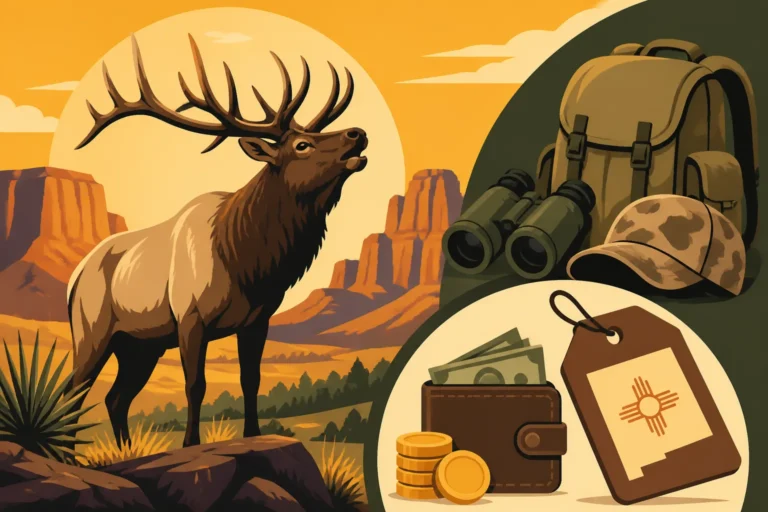
For many hunters, the New Mexico draw can feel like an insurmountable barrier, a lottery system that leaves you empty-handed year after year, despite your best efforts and careful application strategy. It’s incredibly frustrating when you’ve put in the time and research, only to see your dreams of a New Mexico elk hunt evaporate with the draw results. This guide is for those who are ready to explore an alternative path: securing a coveted New Mexico elk tag directly from a landowner through the state’s innovative EPLUS program, giving you a tangible route to the field without relying on luck.
Understanding New Mexico's EPLUS Program
The New Mexico EPLUS program, which stands for Elk Private Land Use System, is a cornerstone of elk management and hunting opportunity in the state. It was designed to achieve a few critical objectives: primarily, to incentivize private landowners to tolerate and manage elk on their property, and secondarily, to provide a means for hunters to acquire elk tags outside of the highly competitive public land draw. Many hunters struggle to wrap their heads around the intricacies of this system, especially how it differs from traditional draw tags, but understanding its foundation is key to leveraging it.
Essentially, EPLUS tags are authorizations issued by the New Mexico Department of Game and Fish (NMDGF) directly to private landowners. These landowners, in return for managing elk populations on their property—which often means dealing with crop damage or fencing issues caused by elk—receive a certain number of tags each year. These aren't just any tags; they are specifically designated for elk hunting and offer a direct route to hunting some of New Mexico's best elk country. If you've ever wondered why some hunters seem to always find a way into New Mexico elk season, often it's through this program.
The beauty of the EPLUS system, from a hunter's perspective, is that Do EPLUS Tags Bypass the New Mexico Draw?. Yes, they do. This means you skip the nail-biting wait for draw results and instead secure your hunt directly, provided you can find a willing landowner or outfitter and are prepared for the financial investment. These tags are essentially your ticket to hunt, circumventing the state's public land lottery. It's a completely separate allocation process, created to balance wildlife management needs with hunter access and landowner compensation.
Unit-Wide Versus Ranch-Only EPLUS Authorizations
A critical distinction within the EPLUS program that every hunter needs to grasp is the difference between "unit-wide" and "ranch-only" authorizations. Misunderstanding this can lead to significant disappointment, or worse, hunting illegally.
A unit-wide EPLUS authorization is the golden ticket. When a landowner sells you one of these, it means you can hunt elk anywhere within the specified Game Management Unit (GMU), provided it is open to public hunting or you have explicit permission from other private landowners. This is huge because it gives you access to a vast amount of public land within that unit, treating your EPLUS tag almost identically to a regular public draw tag in terms of geographic scope. You still have to do your scouting, understand land boundaries, and respect private property, but the entire unit becomes your hunting ground. This is often the most sought-after type of EPLUS tag because it maximizes your hunting opportunities and potential for a truly wild hunt.
On the other hand, a ranch-only EPLUS authorization is much more restrictive. With a ranch-only tag, your hunting is limited strictly to the landowner's property for which the authorization was issued. You cannot venture onto adjacent public lands, even if they are within the same unit. This type of tag is typically less expensive than a unit-wide tag, and for good reason—your hunting area is confined. While it guarantees you access to a specific piece of private land where elk might be present, it can significantly limit your ability to pursue elk if they move off the property or if the land itself is small or less productive. Many hunters, especially those new to New Mexico, fail to understand this crucial difference and can find themselves in a bind once they arrive. Always clarify whether you are purchasing a unit-wide or ranch-only authorization before committing.
How Landowners Obtain EPLUS Authorizations
Landowners don't just wake up with EPLUS tags in their hands; there's a specific process by which they acquire these valuable authorizations from the NMDGF. It all starts with the landowner owning significant acreage where elk are present, and often, causing agricultural damage or simply residing.
The NMDGF works with these private landowners through a formal application process. Landowners submit detailed applications outlining their property boundaries, current elk populations, and often, documentation of elk damage. They must commit to certain management practices that benefit elk and provide data back to the department. Based on these factors, the NMDGF allocates a specific number of EPLUS authorization numbers to the landowner. The number of authorizations depends on factors like the size of the property, the unit's elk population objectives, and the level of elk use or damage reported on the land.
Once awarded, these authorizations have specific hunt codes tied to them, dictating season dates and legal weapon types. This is where the landowner gains the ability to sell these tags directly to hunters. It's a system designed to create a mutually beneficial relationship: landowners receive compensation for hosting elk and managing their impact, and hunters gain access to tags they might otherwise never draw. Understanding How New Mexico EPLUS Authorizations Are Issued can give you a better appreciation for the system and the value these tags represent.
The Landowner's Role in Selling EPLUS Tags
For many New Mexico landowners, participating in the EPLUS program is a practical business decision. Elk can be beautiful animals, but a herd of them moving through alfalfa fields or damaging fences can quickly become a significant financial burden. The EPLUS program provides a way for landowners to mitigate these costs and generate revenue by offering hunting opportunities directly. It’s a classic win-win when managed correctly.
Landowners receive authorization numbers from the NMDGF, and it's then up to them to market and sell these tags. This isn't always a straightforward process, and how they approach it can vary wildly. Some larger ranches have established relationships with hunting brokers or outfitters, while smaller landowners might try to sell them privately through word-of-mouth or online forums. The crucial element for you as a hunter is to identify reliable sources and ensure the transaction is legitimate.
The pricing of EPLUS tags is entirely at the landowner's discretion, and it often reflects the quality of hunting experience they believe their property or associated public lands can provide, as well as the demand for tags in that particular unit. Don't be surprised by the cost; these tags are market-driven and often command a premium compared to what a typical public draw tag costs. This higher price is a reflection of guaranteed access and, in many cases, access to private lands that might hold excellent elk populations.
Finding Reputable Landowners and Brokers
So, you're convinced that an EPLUS tag is your best bet for a New Mexico elk hunt. The next hurdle is finding a legitimate source. This is where your research skills truly come into play, and it's crucial to be thorough to avoid scams or misrepresentations.
Many reputable landowners work directly with a network of trusted hunting outfitters. These outfitters often have years of experience with the EPLUS system, understand the units, and can provide a more comprehensive hunting package that includes guiding services, lodging, and meals. While this adds to the overall cost, it can simplify the logistics and enhance your chances of success, especially if you're unfamiliar with the area. It's often the safest route for a non-resident or first-time EPLUS buyer. You can explore Vetting a New Mexico Outfitter Before You Send a Deposit for tips on how to ensure you're working with a legitimate and capable outfitter.
Alternatively, some landowners choose to sell their EPLUS authorizations directly. This often happens through online hunting forums, dedicated tag marketplaces, or even through their own ranch websites. When going this route, be extra diligent. Ask for references, confirm the landowner's identity, and verify the legitimacy of the EPLUS authorization with NMDGF if possible. Platforms like GoHunt often provide resources and forums where hunters discuss these opportunities, and sometimes landowners or brokers list tags there. You might find listings or discussions about specific units and the types of EPLUS tags available, offering a starting point for your search. Remember, a handshake deal isn't enough; you need proper documentation.
What to Ask Before Committing to a Purchase
Once you've identified a potential EPLUS tag, a detailed conversation with the landowner or outfitter is absolutely non-negotiable. Don't be shy; this is a significant investment, and you need all the facts. Here's a list of critical questions to ask:
- Is the tag unit-wide or ranch-only? This is the most important question. Get it in writing.
- Which Game Management Unit (GMU) and specific hunt code does the tag cover? This dictates the season dates and legal weapons.
- What are the exact boundaries of the huntable land? If it’s ranch-only, can they show you a map? If it’s unit-wide, how much public land is accessible?
- What is the success rate or opportunity rate on their property/unit? While not a guarantee, it gives you an idea of the potential.
- Are there any services included with the tag? (e.g., lodging, guiding, trespass fees, scouting reports, access to ATVs/UTVs). Most EPLUS tags are simply the authorization, but some landowners may offer additional services for a higher price.
- What are the hunt dates? Confirm these against the official NMDGF regulations for that hunt code.
- What is the total price, and what payment methods are accepted? Are there any additional fees (e.g., for trophy care, trespass fees on other private parcels)?
- What documentation will I receive upon payment? You need the official EPLUS authorization number and often a bill of sale.
- What is their cancellation or refund policy? Understand the terms if something unexpected happens.
By asking these questions, you’ll not only gather vital information but also get a feel for the landowner or outfitter's professionalism and transparency. This conversation is your due diligence, so take it seriously.
The Hunter's Journey: Securing and Using Your EPLUS Tag
Once you've found a landowner or outfitter with an EPLUS tag that fits your hunting goals, the next step is the actual transaction and preparation. This phase involves a combination of financial commitment, paperwork, and diligent pre-hunt planning. It’s exciting, but don’t let that override your careful attention to detail.
Remember that while the EPLUS tag bypasses the public draw, it doesn't exempt you from other New Mexico hunting requirements. You’ll still need to purchase a The Nonresident New Mexico Game Hunting License (if applicable), and very likely, a The New Mexico HMAV Validation Explained and a The New Mexico Habitat Stamp for Federal Land if you plan to hunt on any federal lands within your unit. Always double-check the current regulations on the NMDGF website, as rules can change.
The Transaction Process
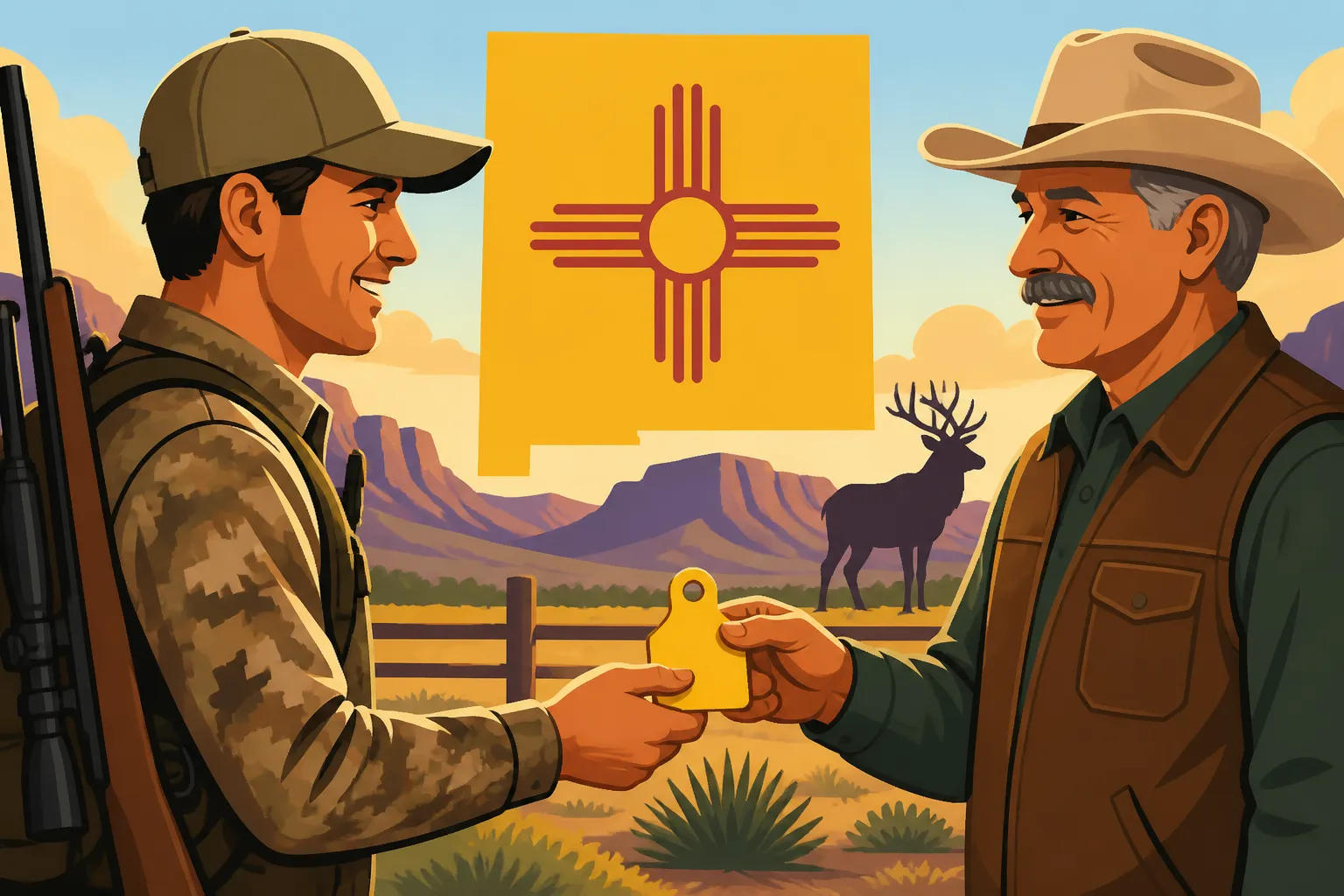
When you’re ready to buy, the landowner will provide you with the official EPLUS authorization number. This number is unique and directly tied to a specific hunt code, species, and season. You will typically pay the landowner directly for this authorization. Upon payment, ensure you receive a clear bill of sale or a contract outlining the terms of the sale, the specific EPLUS authorization number, the unit, and the hunt dates. This document is your proof of purchase and a vital record.
Once you have the EPLUS authorization number, you, the hunter, are responsible for purchasing the actual New Mexico hunting license and tag from the NMDGF. You will go through the NMDGF online licensing system, select the EPLUS option, and enter the authorization number provided by the landowner. This process "activates" your tag and links it to your personal hunter profile. Essentially, the landowner sells you the right to buy the tag from the state, not the physical tag itself. This is a crucial distinction.
Verify all information entered carefully, especially the hunt code, as Reading a New Mexico Hunt Code is essential to ensuring you have the correct tag for your hunt. After purchasing the license and tag, you will typically receive a digital copy, which you should print out and carry with you, along with your physical game hunting license and any required stamps.
Planning Your Hunt with an EPLUS Tag
With your EPLUS tag secured, it's time to shift your focus entirely to planning the actual hunt. This is where your investment pays off, as you now have guaranteed access to hunt.
For unit-wide EPLUS tags, your planning should be almost identical to a public land draw hunt. You’ll be researching the unit, looking at public land access points, scouting terrain, and strategizing your approach. Resources like GoHunt's Insider platform, for example, can be invaluable here. They provide detailed maps, public/private land ownership overlays, and historical harvest data that can help you pinpoint promising areas within your unit. Looking at New Mexico Elk Season Structure by Unit will help you understand specific regulations and timing for your chosen area.
If you have a ranch-only EPLUS tag, your planning will be more focused on the specific private property. Get detailed maps from the landowner, understand their property boundaries, and discuss any specific rules or restrictions they have for hunting on their land. What are the best access points? Are there any off-limit areas? Where do the elk typically concentrate? Communication is key here.
Regardless of the tag type, thorough scouting is paramount. If you can’t physically scout, use mapping software, satellite imagery, and online forums to gather as much information as possible. Understand the terrain, water sources, and potential elk bedding and feeding areas. Prepare for the physical demands of a New Mexico hunt, which can range from high-elevation mountain climbing to long walks in arid desert environments.
| Feature | New Mexico Public Draw Tag | New Mexico EPLUS Tag (Unit-Wide) | New Mexico EPLUS Tag (Ranch-Only) |
|---|---|---|---|
| Acquisition Method | Lottery/Draw | Purchase from Landowner/Outfitter | Purchase from Landowner/Outfitter |
| Cost | Application fee + Tag fee (lower) | Higher (market-driven) | Moderate (market-driven) |
| Access | Public land within the unit | Public land within the unit | Restricted to private property |
| Odds of Getting | Low, based on luck/points | Guaranteed upon purchase | Guaranteed upon purchase |
| Flexibility | High (roam public land) | High (roam public land) | Low (confined to private ranch) |
| Required State Lic. | Yes (Game Hunting License, HMAV, Habitat Stamp) | Yes (Game Hunting License, HMAV, Habitat Stamp) | Yes (Game Hunting License, HMAV, Habitat Stamp) |
| Best For | Hunters seeking low-cost entry | Hunters prioritizing guaranteed access/flexibility | Hunters prioritizing guaranteed private access |
Important Considerations and Expectations
Buying a New Mexico EPLUS tag is a significant decision, often involving a substantial financial outlay. It’s crucial to enter this process with realistic expectations and a clear understanding of what you’re getting into. While an EPLUS tag offers guaranteed access, it doesn't guarantee a trophy elk or even a filled tag. It simply provides the opportunity.
The Financial Investment and Value
Let's be blunt: EPLUS tags are expensive. The price can vary wildly depending on the unit, the reputation of the landowner or outfitter, the type of tag (unit-wide vs. ranch-only), and the perceived quality of the hunt. Prices for unit-wide tags in desirable units can range from several thousand dollars to well over ten thousand, especially for rifle bull elk tags. What a New Mexico EPLUS Authorization Costs can give you an idea of the investment involved.
This higher cost reflects the value of guaranteed access and the avoidance of the draw lottery. For many, especially non-residents who face abysmal draw odds, this cost is a worthwhile investment to ensure they can hunt New Mexico elk in a given year. Weigh this cost against your personal budget and the value you place on the hunting opportunity. It's an investment in an experience, not a commodity.
Realistic Hunt Expectations
Even with a guaranteed tag, elk hunting in New Mexico is tough. The terrain can be brutal, the weather unpredictable, and the elk themselves are smart and elusive. A ranch-only EPLUS tag might confine you to a smaller area, requiring you to adapt your tactics to the specific property. While some private ranches have incredible elk numbers due to excellent feed or water sources, others may only see sporadic elk movement.
With a unit-wide EPLUS tag, you have the freedom of public land, but you'll still be competing with other public land hunters. Your success will depend heavily on your scouting, hunting skills, physical condition, and a bit of luck. Don't expect a "canned hunt." New Mexico's EPLUS program offers a legitimate hunting experience, not a guaranteed kill. Manage your expectations, prepare thoroughly, and be ready to work hard for your elk.
Remember, the goal is to hunt, to be out in the incredible landscapes New Mexico offers. A successful hunt isn't solely defined by punching your tag, but by the entire experience, the effort, and the memories made. Utilize all available resources, including platforms like GoHunt that provide detailed draw statistics and insights into unit quality, to help set realistic expectations for your specific EPLUS hunt area.
Disclaimer
Please note that hunting regulations, license fees, and program details can change. Always consult the official New Mexico Department of Game and Fish (NMDGF) website and the current year's hunting proclamation for the most accurate and up-to-date information before making any hunting plans or purchases.