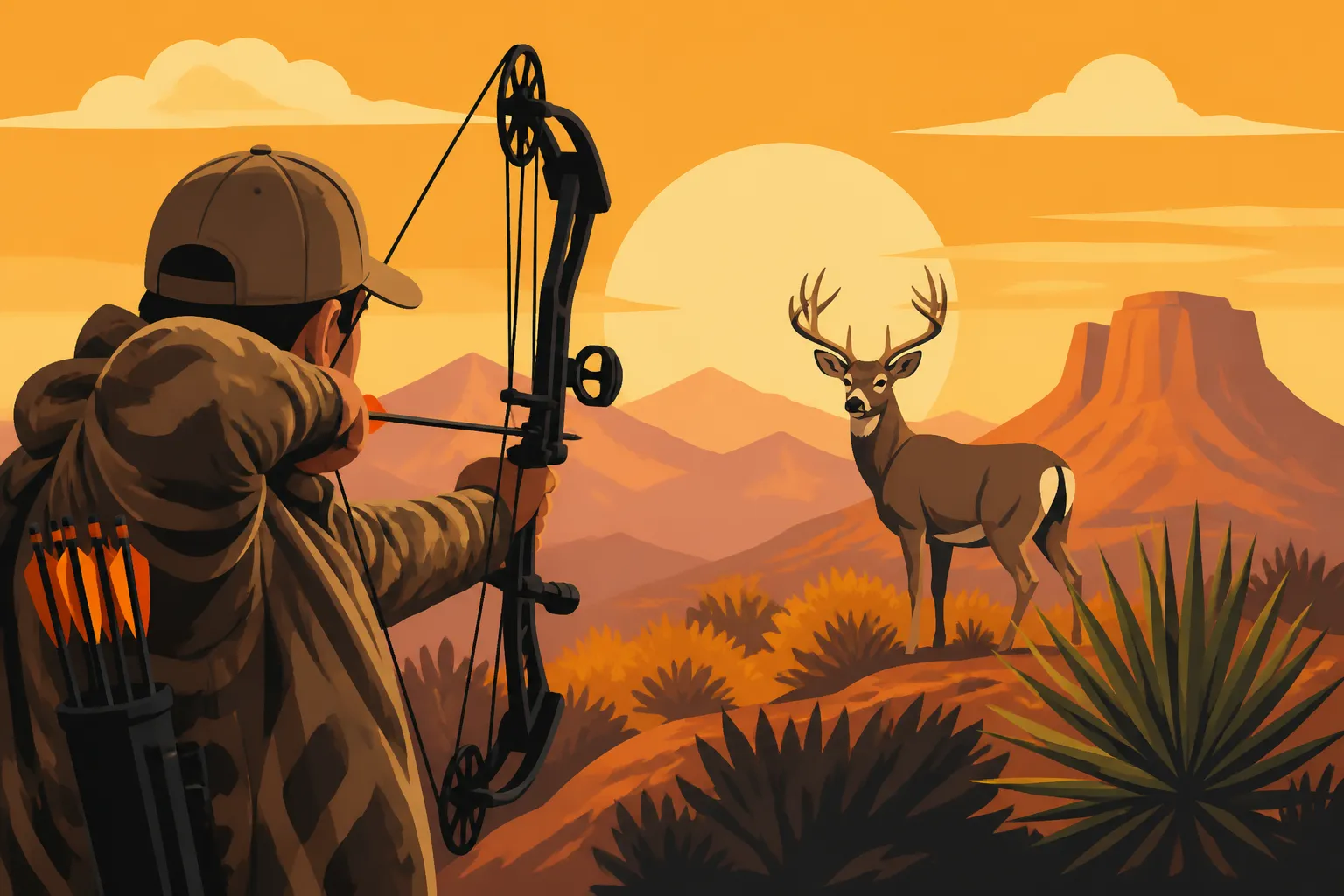
When the Second Archery Deer Season Runs
The unique structure of New Mexico's big game seasons can sometimes feel like trying to solve a puzzle, especially when you're eyeing a specific hunt like the second archery deer season. Many hunters find themselves scratching their heads, wondering exactly when that window opens, which units offer it, and what to expect when they're finally out in the field. This guide aims to clear up all that confusion, giving you a comprehensive breakdown of the second archery deer season in New Mexico so you can plan your hunt with confidence and precision.
Navigating New Mexico's Unique Archery Deer Season Structure
New Mexico stands out with its decision to often split its archery deer seasons into two distinct periods. This isn't just an arbitrary choice; it's a strategic move by the New Mexico Department of Game and Fish to manage hunter pressure, provide diverse hunting opportunities, and sometimes even align with different phases of the deer rut across varying elevations and habitats. It can certainly be a head-scratcher if you're used to states with a single, continuous archery season, but once you understand the rationale, it makes a lot more sense.
The Rationale Behind Split Seasons
Think about the vast landscapes of New Mexico, stretching from the high, cool mountains of the north to the warmer, arid deserts in the south. Deer behavior, including the timing of their rut and their movement patterns, can vary significantly across these different regions. By splitting the archery seasons, the state can offer an early window that might catch deer in their summer patterns or early pre-rut, and a later window that could align with the peak of the rut in some areas, or simply provide a cooler hunting experience. It also serves to distribute hunters over a longer period, reducing crowding in popular units and theoretically improving the quality of the hunting experience for everyone involved. For a deeper dive into this, you might find insight in articles like Why New Mexico Splits September Into Two Archery Hunts.
The Overlap and Differences
While it might seem like a complex system, the core difference between New Mexico's first and second archery deer seasons often boils down to timing and, in some cases, specific unit availability. The first season typically falls in early to mid-September, when temperatures can still be quite warm, especially in the lower elevations. Deer are often still in their bachelor groups, or transitioning from summer patterns. The second season, on the other hand, usually lands in mid-to-late October, ushering in cooler weather and often coinciding with increased deer activity as the pre-rut or rut really starts to kick off in many areas. Understanding these distinctions is crucial for planning. The article How the Two Archery Deer Seasons Differ further elaborates on these points, helping you choose which window might be best suited for your hunting style and target behavior.
Pinpointing the Second Archery Deer Season Dates and Units
When it comes to the second archery deer season, knowing the exact dates and which units are open is paramount. The New Mexico Department of Game and Fish (NMDGF) publishes a comprehensive "Rules and Information Booklet" annually, and this document is your absolute bible for all season dates and regulations. It’s important to note that while dates tend to be fairly consistent year-to-year, always double-check the latest proclamation for the specific hunting year you plan to go out, as minor adjustments can occur.
Specific Dates You Need to Know
Generally speaking, New Mexico's second archery deer season typically runs through the latter half of October. For instance, in many recent years, hunters found the second archery deer season opening around October 14th or 15th and running through October 28th or 29th. These dates are usually pretty consistent, but again, always consult the official NMDGF regulations for the current year. This later window offers a vastly different experience compared to the warmth of the early September hunts. Cooler temperatures mean deer often move more during daylight hours, and hunters can stay afield longer without battling intense heat. The shift in weather also brings with it a whole new set of considerations for your gear and hunting strategy. You can review the overall New Mexico Archery Deer Season Structure for a broader perspective on how these dates fit into the larger deer hunting calendar.
Which Units Host the Second Season?
This is where it gets a little trickier and requires careful attention to the hunt codes. Not every unit in New Mexico offers a second archery deer season. Some units might only have an early archery season, or they might transition directly into muzzleloader or "any legal weapon" seasons in October. The units that do offer a second archery window are often those with healthy deer populations and diverse habitats that can support sustained hunting pressure.
When you're looking at the NMDGF regulations or using a planning tool like GoHunt, you'll see hunt codes listed for each season. These codes are a combination of numbers and letters that denote the unit, species, weapon type, and season dates. It's vital to learn Reading a New Mexico Hunt Code Before You Apply to correctly identify which units are open for the second archery deer season. For example, you might see codes like "DE-1-201" where "DE" is deer, "1" is the unit, and "201" denotes the specific season. Always cross-reference the season description to ensure it's the second archery hunt. Common units that have offered second archery deer seasons in the past include various units in the northern mountains and some central and southern units where conditions are suitable. Platforms like GoHunt can be invaluable here, as they often have easily filterable data to see which units offer specific seasons. For a comparison of both seasons and the units that typically host them, check out New Mexico's First and Second Archery Deer Seasons.
Tactics and Expectations for a Later Archery Deer Hunt
Hunting New Mexico’s second archery deer season means stepping into a completely different environment than the early September hunts. The landscape has changed, the weather has shifted, and most importantly, the deer themselves are behaving differently. Adapting your tactics and expectations is key to success during this later window.
Understanding Deer Behavior in the Late Season
By mid-to-late October, deer in New Mexico are often past their initial summer patterns and are firmly into their fall routines. Bucks have hard antlers, and the velvet is long gone. Their focus starts to shift towards breeding. While the peak rut for mule deer might not hit until November or even early December in some areas, the second archery season can coincide with significant pre-rut activity. This means bucks might be more inclined to cruise for does, check scrapes, and engage in sparring matches. You'll likely see less group behavior from bucks, as they become more solitary or pair up with a rival. This increased movement, driven by the impending rut and the cooler weather, can present fantastic opportunities for archers. Keep an eye out for fresh rubs and scrapes; these are tell-tale signs of an active buck. Understanding When the Mule Deer Rut Actually Starts can give you an edge in predicting these crucial periods of activity.
Adapt Your Strategy for Cooler Weather
One of the biggest advantages of the second archery season is the break from the intense heat of early September. While you might still get warm afternoons in lower elevations, mornings and evenings are typically much cooler, sometimes even frosty in the higher country. This cooler weather directly influences deer movement, often extending their feeding periods into later mornings and earlier afternoons. This means more time for daylight movement, and more opportunities for you to intercept them.
For hunters, this means a different approach to comfort and safety. You won't be as concerned with Heat Management on an Early Season Hunt, but rather with staying warm and dry. Layering becomes incredibly important – start with a good base layer, add insulating layers, and top it off with a windproof and water-resistant outer shell. The temperatures can swing wildly from freezing pre-dawn to pleasant midday sun, so being able to shed or add layers is crucial. Proper hydration is always important, but the volume you need to carry might decrease slightly compared to a scorching September hunt. When glassing from a ridge in cooler temps, having the right gear to stay warm and still is essential. For advice on dressing for these variable conditions, refer to Layering for Gila Temperature Swings.
Gear Considerations for October Archery
Beyond your clothing, a few other gear considerations come into play for the second archery season. Good optics are always critical in New Mexico's vast terrain, but with deer potentially moving more, having quality binoculars and a spotting scope can help you locate animals from a distance without disturbing them. You’ll want to ensure your bow is perfectly tuned for the cooler weather – string material can react to temperature changes, so a check before you head out is wise. Your broadhead choice remains paramount, and while rules are consistent, it’s always a good idea to refresh your memory on Broadhead Requirements for Bowhunting to ensure you're using legal and ethical equipment. Similarly, ensure your bow still meets the Minimum Bow Draw Weight for Big Game requirements. Consider sturdy, waterproof boots if there's a chance of snow or wet conditions in higher elevations. An effective E-scouting regimen using tools like GoHunt before you even leave home can help you pinpoint areas where deer might be concentrated due to seasonal food sources or cover, making your time in the field much more productive.
Maximizing Your Chances in the Second Archery Window
Success in the second archery deer season often hinges on being prepared for the conditions, understanding deer behavior, and applying smart hunting strategies. It's a window of opportunity that, while potentially more challenging due to wary deer, can also be incredibly rewarding.
Scouting Between Seasons
If at all possible, try to scout during the gap between the first and second archery seasons. Deer patterns can shift rapidly as food sources change, and hunting pressure from the earlier season might push them into different areas. Look for new rubs, fresh scrapes, and revised travel corridors. While E-scouting is a powerful tool, nothing beats boots on the ground to get a feel for current conditions. Use satellite imagery to identify potential bedding areas, transition routes, and late-season feeding grounds. Platforms like GoHunt can provide overlays for public and private land, topography, and even historical satellite imagery that can help identify changes in vegetation or water sources. Regularly checking these resources can help you refine your strategy. Learning to utilize E-Scouting a New Mexico Unit Before the Season effectively will significantly increase your odds of finding deer.
Patience and Persistence
By the second archery season, many deer have already had some exposure to hunters. This makes them warier, more elusive, and more sensitive to pressure. You'll need an extra dose of patience and persistence. Still-hunting slowly and quietly through timbered areas, or setting up for long sits in areas with good visibility and consistent deer sign, can be effective. Scent control is absolutely critical; deer are on high alert. Focus on playing the wind, making slow, deliberate movements, and being prepared to wait out deer movement. If you're hunting in challenging terrain, understanding how to use Terrain That Hides an Approach at 10,000 Feet can be a game-changer for getting close to unpressured animals. This persistence often pays off with a mature buck that has eluded earlier hunters. Using resources like GoHunt to study historical harvest success rates for specific units during this later period can also help you set realistic expectations and identify higher-probability areas.
Can You Draw a Second Season Tag?
Drawing a tag for the second archery deer season follows the same application process as other draw hunts in New Mexico. You'll need to apply through the NMDGF online system by the annual March deadline. It’s important to research the draw odds for your desired units and seasons. Some units might have better odds for the second archery season if hunter preference leans towards the earlier hunt, or vice-versa. You generally cannot hold two big game tags for the same species in the same year, so applying for a second archery deer tag means you're committing to that window if you draw. The question of Can You Hunt Both Archery Deer Seasons? delves into the specifics of how the tag system works in this regard. Carefully consider your preferred timing, unit, and the associated draw odds before making your application choices.
New Mexico Archery Deer Season Overview
To help you visualize the typical structure, here's a brief overview of the general season dates for New Mexico archery deer hunting. Remember, always verify with the current NMDGF regulations.
| Season Type | Typical Dates | Key Characteristics |
|---|---|---|
| First Archery Deer Season | Early to Mid-September | Warmer temperatures, deer in summer patterns, bucks often in bachelor groups or transitioning, velvet still present (early). |
| Second Archery Deer Season | Mid to Late October | Cooler temperatures, potential for pre-rut activity, bucks with hard antlers, increased daylight movement due to weather. |
This table provides a generalized snapshot. Always consult the official New Mexico Department of Game and Fish website for the most accurate and up-to-date information for the specific year you plan to hunt.
Disclaimer
Please note: Hunting regulations and season dates are subject to change. Always consult the official New Mexico Department of Game and Fish (NMDGF) website and the current year's "Rules and Information Booklet" before planning any hunting trip. This content is for informational purposes only and does not constitute legal advice or an endorsement of any specific hunting practice.