New Mexico Hunt Codes and How to Read Them
If you've ever stared at the New Mexico Department of Game and Fish (NMDGF) hunting proclamation, trying to decipher those cryptic lines of letters and numbers that identify each hunt, you're not alone. It can feel like you're trying to read a secret code, and one misinterpretation could mean missing out on a dream tag or, worse, applying for the wrong hunt entirely. This comprehensive guide is designed to pull back the curtain on New Mexico hunt codes, helping you understand every component so you can apply with confidence and precision.
The Basics of New Mexico Hunt Codes
Navigating the world of big game hunting in New Mexico involves a lot of moving parts: understanding the draw process, picking your units, and preparing for the actual hunt. But before any of that, you have to nail the application, and that starts with understanding the hunt codes. These aren't just arbitrary strings of characters; they're the DNA of every hunting opportunity offered in the state.
What Exactly is a Hunt Code?
At its core, a hunt code is a unique identifier assigned by the New Mexico Department of Game and Fish to each specific hunting opportunity. Think of it like a product code on an item at the grocery store – it tells you everything you need to know about that particular hunt in a compact format. Each code specifies the species, the game management unit (GMU), the legal weapon type, and the season dates. Without these codes, the NMDGF application system wouldn't know which specific hunt you're trying to draw for, and believe me, there are hundreds, if not thousands, of unique hunt opportunities across the state for various species.
These codes are meticulously crafted to ensure clarity, though sometimes that clarity feels buried under layers of abbreviations. They allow the department to manage harvest quotas, distribute pressure, and offer diverse hunting experiences across different landscapes and timeframes. From the rugged high-country elk hunts in the Gila National Forest to the desert mule deer seasons down south, each has its own distinct code, tailored to its specific parameters. It's the system's way of organizing the vast array of possibilities into something manageable, even if it initially appears daunting to the uninitiated.
Why Hunt Codes Are So Important for Your Application
The hunt code is arguably the single most critical piece of information you'll enter when you fill out your New Mexico big game application. Get it wrong, and all your scouting, research, and anticipation could be for naught. It's the direct link between your desire to hunt a specific animal in a specific place at a specific time and the actual tag you hope to receive. The NMDGF system processes thousands of applications, and it relies solely on these codes to know what you're asking for.
Imagine spending countless hours researching the best elk units, poring over draw odds from previous years, and maybe even e-scouting some remote canyons with tools like GoHunt, only to accidentally input a code for a cow elk hunt when you wanted a bull, or a primitive weapons hunt when you planned on using your rifle. It’s a gut-wrenching mistake that happens more often than you might think, especially for first-time applicants or those new to New Mexico's system. Your application lives and dies by the accuracy of those codes. Understanding "What the Letters in a New Mexico Hunt Code Mean" is the first step in avoiding these painful errors and ensuring your application accurately reflects your hunting goals.
Decoding the Hunt Code Structure
New Mexico hunt codes aren't just random letters and numbers; they follow a logical, albeit condensed, structure. Once you understand the pattern, it's like learning a new language, and suddenly, the entire proclamation starts to make sense. Each segment of the code conveys vital information about the hunt.
Understanding the Species and Unit Number
The very first part of a New Mexico hunt code almost always tells you two key things: the species you're hunting and the game management unit (GMU) it takes place in. For example, a code might start with "ELK16A" or "MD23." "ELK" clearly stands for elk, while "MD" signifies mule deer. Other species have their own abbreviations, which we'll delve into shortly. This initial segment immediately narrows down your focus to a specific animal and a defined geographic area.
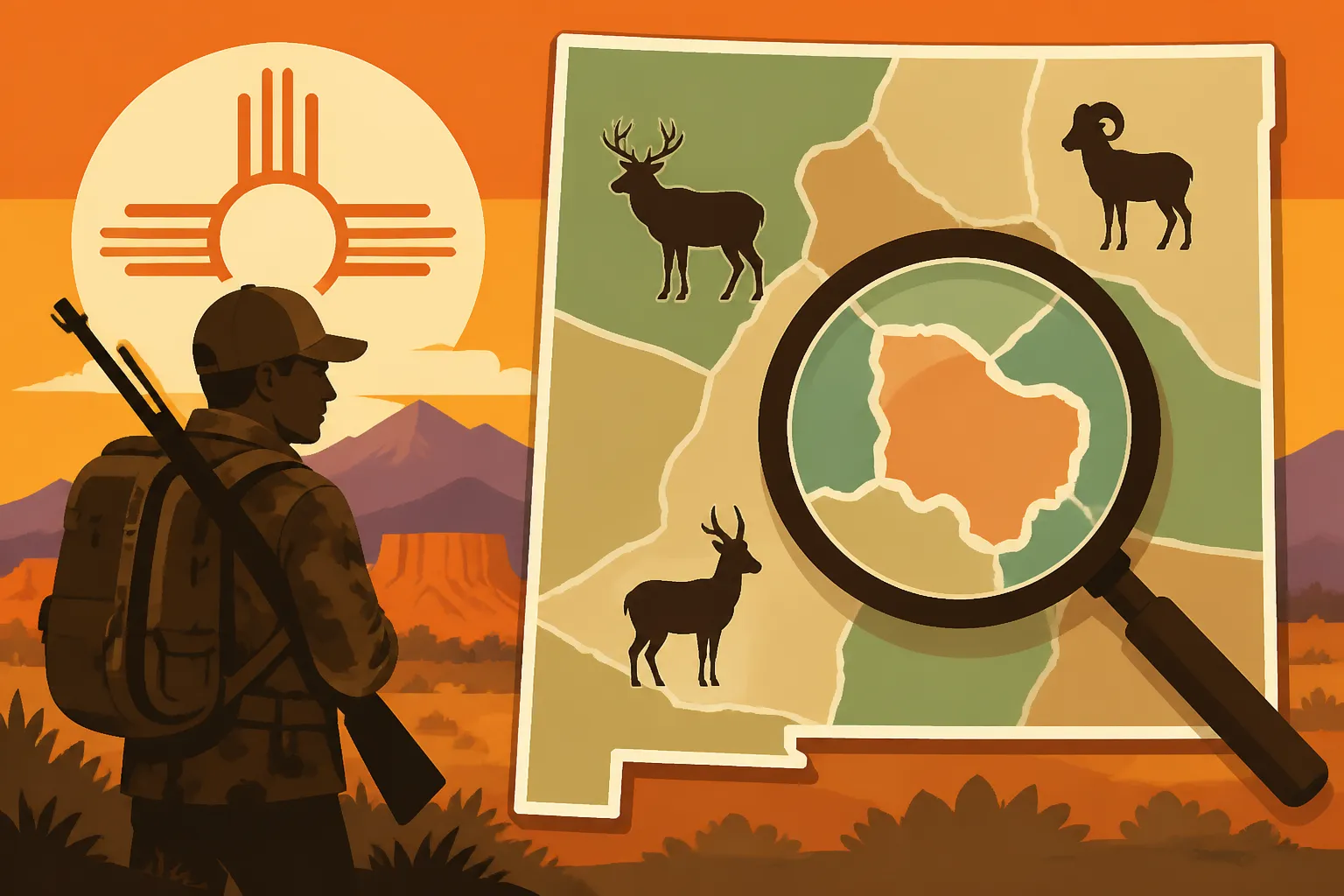
The unit number, like "16A" or "23," refers to one of New Mexico's many game management units. These units are geographical areas designated by the NMDGF to manage wildlife populations. Understanding "How New Mexico Numbers Its Game Management Units" and knowing your chosen unit's boundaries is absolutely crucial. You wouldn't want to apply for Unit 16A if your heart is set on the Gila Wilderness in Unit 16D, for instance. Always double-check that the unit number in the hunt code matches the specific area you intend to hunt, as units can vary wildly in terrain, access, and game density. This combination of species and unit forms the foundation of every hunt code.
Dissecting the Weapon Type Designations
Once you know the species and unit, the next piece of information in the hunt code usually indicates the legal weapon type for that specific season. New Mexico offers a variety of weapon choices, each with its own set of regulations and associated hunt codes. This is where you'll see abbreviations like "AR" for archery, "ML" for muzzleloader, and "RV" for rifle (often referred to as Any Legal Weapon).
Choosing the correct weapon type is paramount, as you can only participate in the hunt with the weapon specified by the tag. If you're a bowhunter, accidentally applying for a muzzleloader tag means you're out of luck or facing a difficult decision to hunt with a new weapon. The NMDGF's "New Mexico Archery Deer Season Structure" differs significantly from, say, "Muzzleloader Deer Windows Across New Mexico Units," and the hunt codes reflect these differences directly. Paying close attention to these weapon designations will save you a lot of headache and ensure you're applying for a hunt that aligns with your gear and hunting style.
Pinpointing the Season Dates and Special Regulations
The final, but certainly not least important, segment of a hunt code specifies the actual season dates and often includes additional identifiers for special regulations or hunt types. This is typically a series of numbers that denote the month and day, or sometimes just a sequence number if there are multiple hunts of the same type within a unit. For example, an elk hunt code might end with "1001" implying an October 1st opener, or "1" if it's the first in a series of similar hunts.
Beyond just dates, these final characters can also signify youth-only hunts, mobility-impaired hunts, or other specific categories. It's common to find multiple hunts for the same species and weapon type within a single unit, differentiated only by their season dates. For instance, Unit 15 might have an early archery elk hunt and a later archery elk hunt, each with a distinct code. Knowing "When New Mexico's First Archery Deer Season Runs" versus the second, and ensuring your chosen code matches your availability and preferred timing, is absolutely vital. Always refer back to the official NMDGF proclamation to cross-reference the exact start and end dates associated with the full hunt code you're considering.
Common Hunt Code Elements Explained
Let's break down some of the most frequently encountered abbreviations you'll find in New Mexico hunt codes. Getting familiar with these will make reading the proclamation feel far less like a foreign language.
The "ELK" and "MD" for Species
These are probably the easiest to remember because they're so intuitive. "ELK" quite simply stands for elk, which are a major draw for hunters to New Mexico, particularly to the famed Gila National Forest. You'll see this prefix on any elk hunt code, whether it's for bulls or cows, archery, muzzleloader, or rifle. New Mexico's elk population is robust, offering numerous opportunities, and distinguishing between bull and cow tags is often indicated by subsequent numbers or explicit descriptors in the proclamation rather than the initial species code itself.
Similarly, "MD" is the universal abbreviation for mule deer. These codes will identify hunts for mule deer across the varied landscapes of the state, from the high northern mountains to the southern desert ranges. For hunters specifically targeting the smaller-bodied Coues deer found in the southern part of the state, you'll typically see "CD" or "COUES" in the code. Other common species abbreviations include "PR" for pronghorn, "OR" for oryx, and "BS" for Barbary sheep. Learning these simple two-letter (or three-letter) codes is your first big step to quickly identifying what animal the hunt is for.
Decoding Weapon Types: AR, ML, RV, PR
This is where understanding the legal weapon types becomes paramount. New Mexico is quite specific about what constitutes a legal weapon for each season, and the codes reflect this:
- AR (Archery): This designates an archery-only hunt. If you're applying for an "AR" hunt, you must use a legal bow and arrow. This means no crossbows unless you have a mobility-impaired permit that specifically allows it, and strict "Broadhead Requirements for Bowhunting" must be met. These seasons typically offer a more challenging and intimate hunting experience, often occurring earlier in the fall when game is still fairly active.
- ML (Muzzleloader): These hunts are for traditional muzzleloading firearms. There are specific "Muzzleloader Caliber Minimums for Elk" and other big game, and rules around optics can also apply (e.g., "Can You Use a Scope on a Muzzleloader?"). Muzzleloader seasons often fall between archery and rifle seasons, offering a unique blend of challenge and increased range compared to archery.
- RV (Rifle/Any Legal Weapon): This is the broadest category, often referred to as "Any Legal Weapon." It means you can use a rifle, shotgun, muzzleloader, or bow, as long as it meets general big game regulations. Many popular deer and elk hunts fall under this category. For a first-time hunter in New Mexico, "Which Rifle Season Suits a First New Mexico Hunt" might be an "RV" hunt due to its flexibility.
- PR (Primitive): This is a special designation for hunts restricted to "Primitive Weapons Hunting in New Mexico's Unit 15" and other designated areas. Understanding "What Makes a Weapon Primitive Under the Rules" is crucial, as it typically involves open-sight muzzleloaders, longbows, or recurves without modern accessories. These hunts are designed for a more traditional, challenging experience.
Each of these weapon types represents a distinct hunting season, with its own set of rules and often different draw odds. Always ensure the weapon type in the code matches the weapon you intend to use.
Reading the Date Ranges and Hunt Order
The numbers following the species, unit, and weapon type are all about when the hunt takes place. Sometimes it's a direct date, like "1015" for October 15th, indicating the season opener. Other times, especially for units with multiple identical hunts, it might be a sequential number, like "1," "2," or "3," which refers to the first, second, or third hunt listed for that weapon type and unit in the proclamation.
For example, a code like "ELK16AMLRV1" might mean the first muzzleloader/rifle hunt in Unit 16A for elk. You'd then have to consult the official NMDGF proclamation to see the exact dates for "ELK16AMLRV1." The same unit might have "ELK16AMLRV2" for a later season. This sequential numbering allows the department to offer multiple opportunities while keeping the code compact. It's why referencing the current year's "New Mexico Rules and Info Booklet" is non-negotiable – the dates for "New Mexico Elk Season Structure by Unit" can shift slightly year to year, or the order of hunts might change. Never rely on old information for current season dates, as that could lead to applying for a hunt that simply doesn't align with your calendar.
Special Designations and What They Mean
New Mexico's hunting opportunities aren't just for the general public; the state also offers special hunts tailored to specific groups, which are reflected in unique hunt code designations. These programs aim to introduce new hunters, accommodate those with mobility challenges, or manage specific wildlife populations.
Youth-Only and Mentored Youth Codes
New Mexico is committed to fostering the next generation of hunters, and its youth programs are a testament to that. You'll often see hunt codes specifically designated for youth. These are typically indicated by "YO" or a numerical suffix that, when cross-referenced with the proclamation, specifies it as a youth-only hunt. These hunts are fantastic opportunities, often held during periods with higher success rates or less pressure, making them ideal for young hunters to gain experience.
Beyond youth-only tags, the state also runs the "New Mexico Mentored Youth Program Explained." This program allows youth, including those under the hunter education certification age, to hunt under the direct supervision of an adult mentor. Codes for these hunts might not explicitly say "mentored youth," but they will usually be youth-only hunts that fall under the program's guidelines. For instance, "What Mentored Youth Under Ten May Hunt" might involve specific species or seasons. If you're applying for a youth or mentored youth tag, always ensure the hunter's age falls within the specified limits for that particular code and that you understand the mentor's responsibilities, including the requirement for a "What a Mentor Number Requires in New Mexico."
Mobility Impaired and Population Management Hunts
New Mexico also provides special opportunities for hunters with mobility impairments. These codes are often identifiable by a specific letter, like "M," within the hunt code, which points to a mobility-impaired hunt in the proclamation. These hunts often have relaxed access rules, such as allowing motorized vehicle use in areas typically restricted, or are held in locations that are more accessible. Hunters applying for these tags must meet specific criteria and often require a special permit from the NMDGF. It's a vital program that ensures hunting remains accessible to a broader community.
Additionally, you might encounter codes related to population management or depredation hunts. These hunts are specifically designed to address overpopulation issues in certain areas or to mitigate conflicts between wildlife and agricultural interests. While less common in the general draw, these tags are sometimes made available and will have unique identifiers in their hunt codes and corresponding descriptions in the proclamation. These hunts often have different success metrics and objectives compared to traditional trophy-focused hunts, focusing more on herd reduction. For hunters looking for high-opportunity hunts, keeping an eye out for these codes might be beneficial, but always read the details carefully, as they can come with specific conditions or harvest objectives.
Real-World Examples: Putting It All Together
Okay, enough theory. Let's look at some hypothetical but realistic New Mexico hunt codes and break them down piece by piece, just like you would when planning your application. This is where all the information we've covered comes together.
Breaking Down an Elk Archery Code
Let's imagine you see a hunt code like ELK23AR2. At first glance, it's a jumble of letters and numbers, but now we can systematically decode it:
- ELK: This immediately tells us we're talking about an elk hunt. Simple enough!
- 23: This is the Game Management Unit. So, this hunt takes place in Unit 23. You'd then pull up your maps, maybe an app like GoHunt, and research Unit 23 to see its terrain, public land access, and historical harvest data. This unit is known for its rugged desert mountains and canyons, holding good numbers of mule deer and sometimes elk, but they can be elusive.
- AR: This is our weapon type. "AR" stands for Archery. So, this is an archery-only elk hunt. If you're a bowhunter, this is good news. If you only shoot a rifle, this code isn't for you.
- 2: This final number typically indicates the hunt order or a specific date range. In this case, "2" might mean it's the second archery elk season offered in Unit 23. You would then refer to the official New Mexico proclamation under the "ELK23AR2" listing to find the precise start and end dates for that particular season. It's crucial not to assume dates; always verify them. This could be the late September archery hunt, perhaps designed for "Bugling Bulls Through New Mexico's Mid-September Rut."
So, ELK23AR2 translates to: An Archery Elk hunt in Game Management Unit 23, specifically referring to the second archery season offered in that unit. Now you know exactly what you're applying for and can ensure it aligns with your hunting style and schedule.
Interpreting a Mule Deer Muzzleloader Code
How about MD15ML1101? Let's dissect this one:
- MD: This clearly signifies a mule deer hunt. We're chasing bucks (or does, depending on the specifics of the unit and tag type, which would be clarified in the proclamation).
- 15: This is Game Management Unit 15. For those in the know, Unit 15 is famous for being a "Primitive Weapons Hunting in New Mexico's Unit 15" unit. This adds an interesting layer to our interpretation!
- ML: Our weapon type is Muzzleloader. This confirms the hunt is for traditional muzzleloading firearms. Given Unit 15's reputation, this is highly relevant.
- 1101: This is a direct date. "11" for November, "01" for the 1st. So, this hunt opens on November 1st. This tells you it’s a late-season muzzleloader hunt, possibly coinciding with or just before the peak of the mule deer rut in that region.
Putting it all together, MD15ML1101 means: A Muzzleloader Mule Deer hunt in Game Management Unit 15, opening on November 1st. This is a great example of how the unit itself can influence the interpretation of the weapon type, reinforcing why it's so important to have a strong understanding of the units you're interested in, beyond just their boundaries.
Deciphering a Pronghorn Any Legal Weapon Code
Finally, let's tackle PR48RV920:
- PR: This is for Pronghorn, often referred to as antelope. These swift animals populate New Mexico's eastern plains, providing exciting open-country hunts.
- 48: Our unit is Game Management Unit 48. You'd look up Unit 48 to verify it's prime pronghorn country, likely in the eastern part of the state, characterized by vast grasslands and rolling prairies.
- RV: This is the Any Legal Weapon designation. So, you could use a rifle, muzzleloader, or bow that meets the legal requirements for pronghorn. This offers flexibility for hunters.
- 920: A direct date: September 20th. This means the hunt kicks off on September 20th. For pronghorn, this is still relatively early in the fall, often before the harshest cold sets in but possibly after the initial chaos of the rut has settled.
Therefore, PR48RV920 decodes to: An Any Legal Weapon Pronghorn hunt in Game Management Unit 48, with a season opening on September 20th. This specific example highlights how different species have their seasons structured, often indicated by the final numeric string. It also ties into understanding "New Mexico Pronghorn Season Timing" and what the weather and animal behavior might be like at that time of year.
Where to Find and Verify Hunt Codes
Knowing how to read hunt codes is one thing, but knowing where to consistently find the most accurate and up-to-date information is equally, if not more, important. Relying on outdated sources is a recipe for disappointment.
Navigating the New Mexico Game and Fish Rules and Information Booklet
The absolute, undeniable, most authoritative source for New Mexico hunt codes is the official "New Mexico Rules and Info Booklet" published annually by the New Mexico Department of Game and Fish (NMDGF). This document is your bible for all hunting regulations, season dates, and, of course, the full list of hunt codes. It’s typically released online several months before the application deadline (which is "All New Mexico Applications Close March 18 at 5 p.m." for most species), giving you plenty of time to study it.
You can usually find a digital PDF version of this booklet on the NMDGF website. It's often organized by species, then by unit, listing all available hunt codes, their associated dates, and any special restrictions. While it can be a lengthy read, taking the time to go through the sections relevant to the species and units you're interested in is non-negotiable. Don't skim! Every detail, especially in the hunt code tables, is critical. This booklet is also where you'll find the nuances of "What the Letters in a New Mexico Hunt Code Mean" and any changes from previous years.
Using Online Resources and Mapping Tools like GoHunt
While the official proclamation is your primary source, several excellent online resources and mapping tools can greatly assist in finding and verifying hunt codes, especially when you're doing your initial research and planning. Websites that compile draw odds and application strategies often list hunt codes alongside their statistics, making it easier to compare opportunities.
Mapping applications like GoHunt are invaluable. They often integrate NMDGF unit boundaries and can sometimes even overlay season dates or hunt code information directly onto the map. This visual aid is incredibly helpful for understanding the geographical context of a hunt code. For example, if you're "Reading a New Mexico Unit Boundary Before You Apply," seeing the hunt code for that specific unit on an interactive map can reinforce your understanding. Many of these platforms also provide tools for "Checking New Mexico Draw Odds Before You Apply," helping you make informed decisions about which codes to prioritize in your application. Just remember, while these tools are fantastic for planning and visualization, always cross-reference the final hunt code with the official NMDGF proclamation to ensure absolute accuracy before submitting your application.
Common Mistakes to Avoid When Reading Hunt Codes
Even with a solid understanding of the structure, it's easy to make mistakes if you're not meticulous. The devil is truly in the details when it comes to hunt codes, and a small oversight can have big consequences for your hunting season.
Mismatching Weapon Types or Season Dates
This is, by far, one of the most common and heartbreaking errors. Picture this: you've been practicing with your rifle all year, dreaming of a November mule deer hunt, but in your haste, you accidentally select a hunt code for an archery season. Or maybe you wanted the early October elk muzzleloader hunt, but you picked the code for the late October hunt, and now your vacation time doesn't line up.
These mismatches happen due to simple oversight, fatigue from poring over long lists of codes, or even just rushing the application process. New Mexico often has multiple hunts for the same species in the same unit, differentiated only by their weapon type or specific dates. For example, a unit might have three different "New Mexico Muzzleloader Deer Season Windows" in a given year. It's incredibly easy to grab the wrong one if you're not paying close attention to every single character in the code. Always, always, double-check the weapon designation (AR, ML, RV, PR) and then triple-check the associated season dates in the proclamation to ensure they perfectly match your intentions. A quick review before hitting "submit" can save you from a year of regret.
Overlooking Unit-Specific Regulations
While the hunt code itself tells you the unit, it doesn't always spell out every single regulation unique to that unit. This is why reading the entire NMDGF proclamation, or at least the sections pertaining to your chosen units, is so crucial. Some units might have specific access restrictions, unique blaze orange requirements, or even different legal shooting hours than the general state regulations.
For instance, certain units might be "Primitive Weapons Units in New Mexico" by their very nature, meaning even if a hunt code seems to imply a modern rifle, the unit's overarching regulations could override it (though typically the hunt code itself would reflect this through a PR designation). Similarly, there might be specific land ownership patterns or private land concerns within a unit that impact access, even to public lands. While hunt codes are precise, they are a shorthand. The full context provided in the rules booklet is essential for a complete understanding. Don't assume that because you know the species, weapon, and dates, you know everything about hunting in that specific unit.
The Peril of Assuming Previous Year's Codes
This mistake trips up experienced hunters and new applicants alike. It's tempting, especially if you've hunted New Mexico for several years, to think, "Oh, I know that hunt code from last year, I'll just use that." Do not do this. The New Mexico Department of Game and Fish adjusts hunt codes, season dates, and unit configurations annually based on population data, harvest objectives, and environmental factors. A hunt code that was valid last year might be completely different, or even non-existent, this year.
The dates for "New Mexico's First and Second Archery Deer Seasons" can shift, new hunts can be added, and old ones removed. Even a slight change in a single number or letter in a hunt code can point to an entirely different hunt. Always obtain and review the current year's official proclamation. This means downloading the latest PDF from the NMDGF website and cross-referencing every single character of the hunt code you intend to use. Operating on assumptions from previous years is one of the quickest ways to invalidate your application or apply for a hunt you never intended.
Strategy: Using Hunt Codes to Your Advantage
Now that you're a hunt code decoding expert, how can you leverage this knowledge to improve your chances in the New Mexico draw? It's not just about avoiding mistakes; it's about making smart choices that align with your hunting goals and maximize your odds.
Prioritizing Hunt Choices Based on Odds and Preferences
New Mexico's draw system allows you to list multiple hunt choices on your application. Understanding the nuances of each hunt code, and the specific opportunities they represent, is critical for effectively prioritizing these choices. Hunters often consult historical draw odds (available on the NMDGF website or through services like GoHunt) to strategically rank their choices. A hunt with a very low draw success rate might be your dream hunt, but it might make more sense to list it as a first choice, followed by codes for hunts with slightly better odds as second and third choices.
By meticulously breaking down each potential hunt code, you can build a more informed application strategy. For example, if you know you want an elk hunt, you might identify several "New Mexico Elk Season Structure by Unit" options across different units and weapon types. You could prioritize a high-demand muzzleloader bull hunt as your first choice, then a more accessible rifle cow hunt in a different unit as your second, and a late-season archery hunt as your third. Your ability to distinguish these specific hunts by their codes means you're not just throwing darts at a board; you're making calculated decisions based on specific opportunities.
Understanding How Hunt Codes Influence Draw Success
Each unique hunt code essentially represents a distinct lottery. The odds of drawing a specific tag are tied directly to that hunt code, influenced by the number of tags available for that code and the number of applicants who select it. This is why a hunt for the same species in the same unit can have wildly different draw odds if the weapon type or season dates differ. For instance, a prime rifle elk hunt in Unit 13 will likely have much tougher odds than an early archery hunt for cows in the same unit, and their respective hunt codes reflect these different "products."
Knowing this, you can use hunt codes to refine your application strategy. If your primary goal is simply to draw an elk tag in New Mexico, you might target codes for cow elk hunts or hunts in units with historically higher success rates, even if they aren't the "trophy" units. Conversely, if you're holding out for a specific trophy opportunity, you'll need to understand that the associated hunt code will come with significantly lower draw odds. By understanding how to "Checking New Mexico Draw Odds Before You Apply" for each specific hunt code, you can balance your desires for a dream hunt with the realistic probability of drawing a tag, creating an application that maximizes your chances while still aiming for your preferred experiences.
New Mexico Hunt Code Components at a Glance
To summarize, here's a quick reference table of common hunt code components you'll encounter in New Mexico:
| Component | Typical Abbreviations/Format | Explanation |
|---|---|---|
| Species | ELK, MD, CD, PR, OR, BS, IB, BC | Identifies the big game animal: Elk, Mule Deer, Coues Deer, Pronghorn, Oryx, Barbary Sheep, Ibex, Bear, Cougar, etc. |
| Unit Number | 1, 2, 16A, 23, 48 | Refers to the Game Management Unit (GMU) where the hunt takes place. Often a 1 or 2-digit number, sometimes with a letter suffix for subdivisions within a large unit (e.g., 16A, 16B, 16D). |
| Weapon Type | AR, ML, RV, PR | Specifies the legal weapon: Archery (AR), Muzzleloader (ML), Rifle/Any Legal Weapon (RV), Primitive (PR). |
| Season Dates/Order | 1001, 1215, 1, 2, 3 | Indicates the start date (MMDD format, e.g., 1001 for Oct 1) or a sequential order number (1, 2, 3) if there are multiple hunts of the same type in a unit. Always cross-reference with the NMDGF proclamation for exact dates. |
| Special Designations | YO, M, CM, PL, DP | Additional identifiers for Youth Only (YO), Mobility Impaired (M), Cow Management (CM), Private Land (PL), or Depredation (DP) hunts. These vary and might be integrated differently depending on the species. |
Disclaimer
The information provided in this guide is for general informational purposes only and is subject to change. Hunting regulations, season dates, and hunt codes are determined by the New Mexico Department of Game and Fish (NMDGF) and can be modified annually. Always consult the most current official NMDGF Rules and Information Booklet and other official NMDGF publications for precise, up-to-date regulations before applying for any licenses or tags.