Trapping License Requirements for Residents
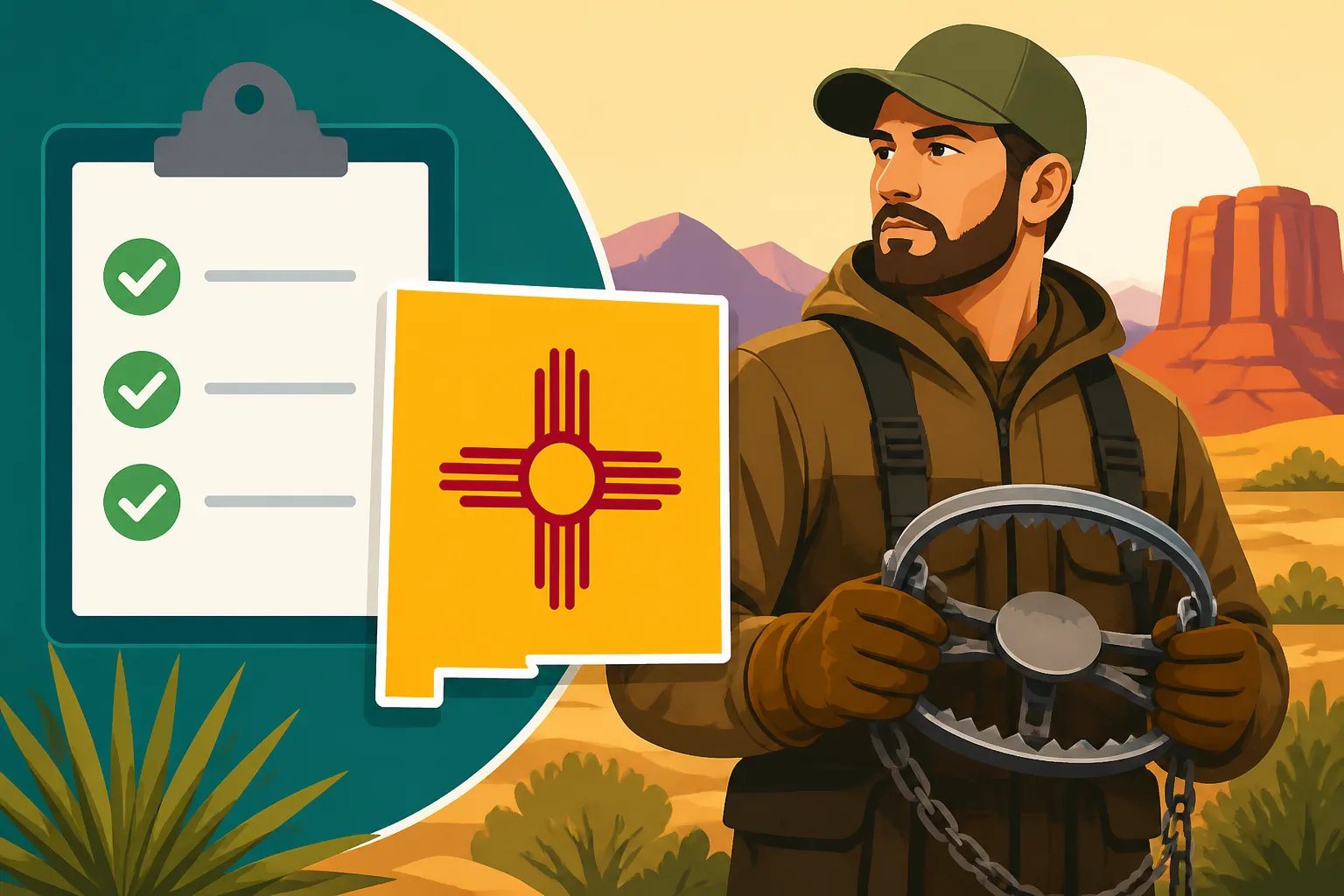
If you've been eyeing the tracks of coyotes or bobcats, or dreaming of putting up some beautiful pelts, then you've probably wondered about the ins and outs of trapping in New Mexico. It's not as simple as just setting a snare, and for residents, navigating the specific license requirements can feel like trying to untangle a snarled trap line. This guide is here to cut through the confusion and lay out exactly what you need to know to legally and ethically pursue furbearers and predators as a New Mexico resident trapper.
Understanding New Mexico's Trapping Regulations
Trapping, just like hunting, is a regulated activity in New Mexico, primarily managed by the New Mexico Department of Game and Fish (NMDGF). The goal is to ensure sustainable populations of furbearers and predators, manage wildlife, and maintain ethical standards. It’s a pursuit that demands responsibility, knowledge, and adherence to rules that are specifically designed for the unique challenges and opportunities of the New Mexico landscape. Many folks mistakenly think that if they hunt, they're automatically good to go for trapping, but that's a common pitfall. The reality is, trapping requires its own set of credentials.
The types of animals you can trap in New Mexico broadly fall under "furbearers" and "non-game species" (like coyotes and skunks). Furbearers typically include species like bobcat, badger, weasel, grey fox, swift fox, ringtail, and muskrat, which are managed for their fur. Understanding these distinctions is crucial because the regulations—from season dates to reporting requirements—can differ significantly. For instance, species like bobcats have specific pelt tagging rules that are vital to follow. This is where getting acquainted with the current rules, often found in the NMDGF's annual "Rules and Information Booklet," becomes your bible.
For residents, the licensing structure is designed to ensure you're educated on the regulations and contributing to wildlife management. It’s not just a hoop to jump through; it’s part of a broader system that benefits the resource we all cherish. Without proper licenses, not only are you breaking the law, but you're also undermining the very efforts that keep these populations healthy and viable for future generations of trappers.
Required Licenses and Validations for Resident Trappers
To legally trap in New Mexico as a resident, you'll need a combination of licenses and validations, much like you would for big game hunting. The cornerstone of your trapping endeavor will be the New Mexico Furbearer License. This isn't something that comes automatically with a general hunting license; it's a separate permit specifically for taking furbearers.
In addition to your Furbearer License, there are a couple of other critical components that many hunters are already familiar with, but trappers also need. The Habitat Management and Access Validation (HMAV) is mandatory for anyone holding a hunting, fishing, or trapping license in New Mexico. Think of it as your all-access pass to public lands, ensuring that funds are available for habitat restoration and maintaining access points. Secondly, if you plan to trap on any federal lands, such as National Forests or Bureau of Land Management (BLM) property, you'll also need a New Mexico Habitat Stamp. Many trappers operate across a mix of land types, so it's best practice to secure both the HMAV and the Habitat Stamp to avoid any legal headaches. You can find more details on these vital components in our comprehensive guide, The HMAV and Habitat Stamp Every New Mexico Hunter Needs.
Here’s a quick overview of the main requirements:
| Requirement | Purpose | Where to Purchase | Cost (Resident, approximate) |
|---|---|---|---|
| New Mexico Furbearer License | Authorizes the taking of furbearers. | NMDGF Online, License Vendors | ~$20.00 |
| Habitat Management and Access Validation (HMAV) | Required for all hunting/fishing/trapping licenses. | NMDGF Online, License Vendors | ~$4.00 |
| New Mexico Habitat Stamp | Required for hunting/trapping on federal lands. | NMDGF Online, License Vendors | ~$5.00 |
| Hunting License (Small Game/Game Hunting) | Sometimes bundled or required for certain non-game species (check regs). | NMDGF Online, License Vendors | Varies |
Note: Costs are approximate and subject to change. Always check the current NMDGF fee schedule.
Regarding age requirements, New Mexico often has provisions for youth, sometimes allowing younger individuals to trap under the supervision of a licensed adult or with specific youth licenses. However, the Furbearer License itself typically requires individuals to be 10 years or older. It's always a good idea to check the most current regulations for any specific age-related exemptions or requirements for mentored youth programs. This is where resources like GoHunt become incredibly useful for staying up-to-date with any changes or nuances in the regulations, which can shift from year to year.
Purchasing these licenses is generally straightforward. You can usually do it online through the NMDGF website, or in person at one of the many authorized license vendors across the state. If you don't already have one, you'll need to set up a New Mexico online account, which makes managing all your licenses and applications much easier. For more detailed instructions, you might find our guide on Setting Up a New Mexico Online Account helpful.
Navigating Regulations, Seasons, and Ethical Practices
Once you have your licenses in hand, the real work begins: understanding the nuances of when, where, and how you can trap. New Mexico's trapping seasons are typically set with specific opening and closing dates for various furbearers, and these dates can vary by species and even by management zone. For instance, the general New Mexico Furbearer Trapping Season Dates might be broad, but individual species might have more restrictive windows. It’s absolutely vital to know these dates cold.
One of the most important resources at your disposal is the annual NMDGF "Rules and Information Booklet." This free publication, available online and at license vendors, details everything from season dates and bag limits to legal trap types and setback distances from roads or public trails. We can't stress this enough: you must read this booklet cover to cover every year. Our article on Reading the New Mexico Rules and Info Booklet can help you navigate its complexities. These regulations aren't just suggestions; they are legally binding and designed to protect both the wildlife and public safety.
Consider specific trapping methods. New Mexico has rules about what constitutes a legal trap. For example, snares often have size restrictions and breakaway devices, and foot-hold traps might have jaw spread limits. You'll also find regulations on trap check times—how often you're required to visit your traps. This is a critical ethical consideration, as it minimizes animal suffering and allows for quick release of non-target species. This level of detail highlights why a general hunting license isn't enough; trapping is a specialized skill with its own stringent guidelines.
Trapping location is another key aspect. You can trap on certain public lands, such as those managed by the Bureau of Land Management (BLM Ground Carries Most of New Mexico's Open Access) and National Forests, as long as you adhere to all state and federal regulations, including local restrictions or closures. However, State Trust Land, while often open for hunting with your license, has specific scouting and access rules that trappers must also follow. It's crucial to consult maps, such as those provided by services like GoHunt or the NMDGF, to clearly identify land ownership. When it comes to private land, just like hunting, you absolutely need written permission from the landowner before setting any traps. Failure to obtain permission is trespass and can lead to serious legal consequences.
Responsible trapping also means being aware of your surroundings and doing your utmost to avoid non-target animals, including domestic pets. Education on setting traps that are selective, using proper bait, and understanding animal behavior are key components of ethical trapping. If a non-target animal is caught, knowing how to safely and quickly release it is paramount. Additionally, if you're targeting furbearers like bobcats, be prepared for the New Mexico Bobcat Season and Pelt Tag Rules, which require specific tags to be affixed to the pelt within a certain timeframe after harvest.
Staying Current and Enhancing Your Trapping Skills
The world of trapping, like all wildlife management, is dynamic. Regulations can change, seasons might be adjusted based on population data, and new techniques or technologies emerge. Therefore, staying informed is not just recommended, it's essential for any serious trapper.
Beyond the official NMDGF booklet, there are numerous ways to keep your knowledge sharp. The NMDGF website is a fantastic resource, offering updates, press releases, and often answers to frequently asked questions. Subscribing to their email newsletters can also provide timely alerts about season changes or emergency closures. Online platforms, like those offered by GoHunt, provide not only up-to-date mapping and public land ownership data but also often integrate regulation summaries and news, making it a powerful tool for preseason planning and staying informed throughout the trapping season.
Joining local or state trapping organizations can also be incredibly beneficial. These groups often host workshops, provide mentorship opportunities, and serve as a collective voice for trappers, keeping members informed about legislative changes or conservation efforts. Learning from experienced trappers is invaluable; they can teach you about effective and ethical sets, scent theory, animal sign, and how to adapt to changing conditions. These hands-on skills complement the regulatory knowledge, making you a more effective and responsible trapper.
Finally, consider the larger picture of wildlife management. Trapping plays a role in population control, disease prevention, and even protecting livestock from depredation by certain predators. Understanding this broader context enriches the experience and highlights the importance of adhering to all regulations. Whether you're targeting a coyote using methods related to Hunting Coyotes Year Round in the Desert or pursuing a specific furbearer, your actions contribute to the overall health of New Mexico's diverse wildlife populations.
Remember, a trapping license isn't just a piece of paper; it's a commitment to ethical practice and sustainable use of our natural resources. Arm yourself with the right licenses, the right knowledge, and a deep respect for the animals you pursue, and you'll be well on your way to a rewarding trapping experience in the Land of Enchantment.
Disclaimer
Please note that wildlife regulations, fees, and season dates are subject to change. Always consult the most current New Mexico Department of Game and Fish hunting and trapping proclamations and rules before engaging in any trapping activities. This guide provides general information and should not be considered a substitute for official NMDGF publications.