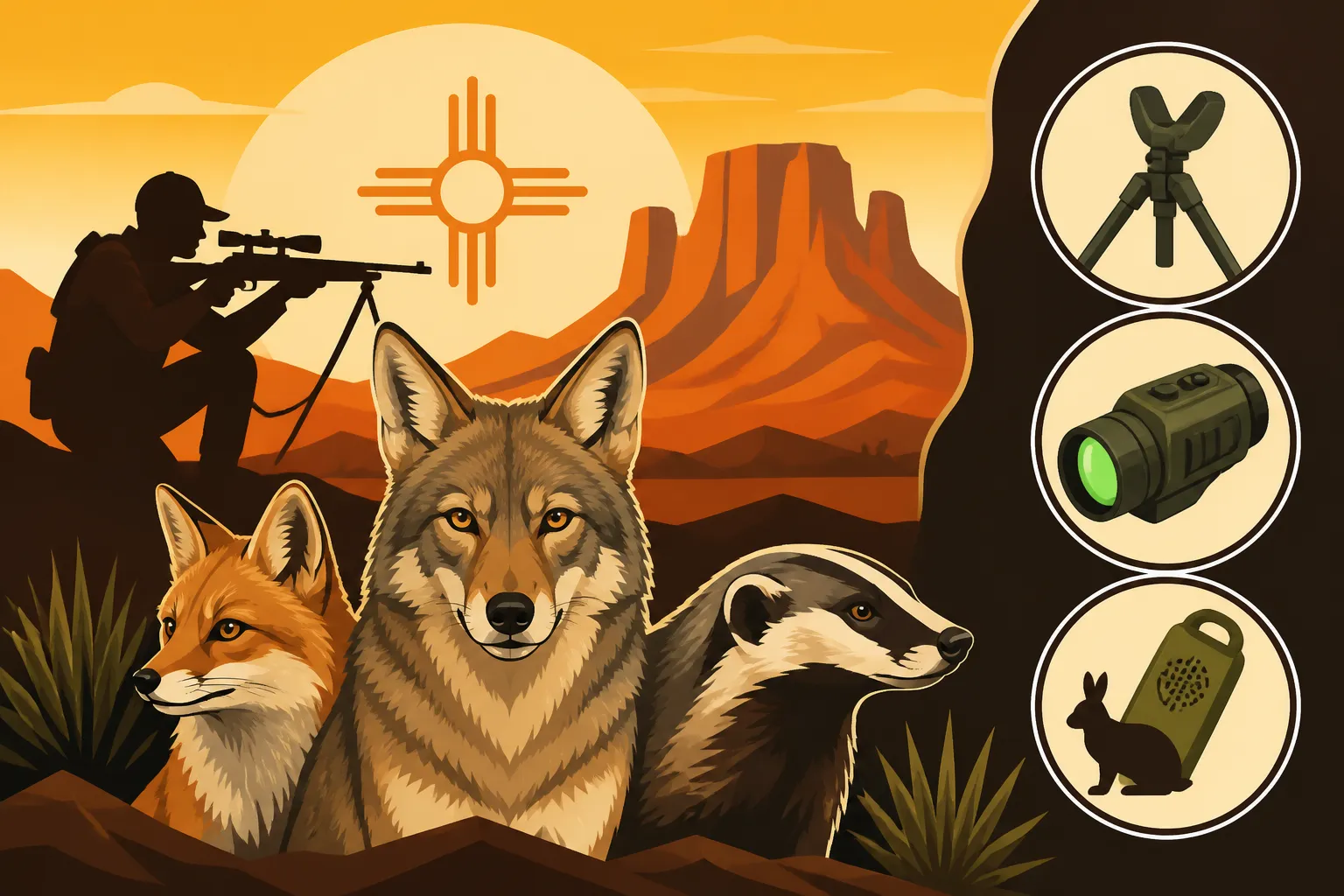
Predator Hunt Add-Ons Worth Booking
Many hunters dream of drawing that coveted big game tag in New Mexico, spending days tracking an elk or mule deer through breathtaking landscapes. But what happens if you fill your tag early, or find yourself with an extra day or two in the field after your main quarry? Instead of packing up, adding a predator hunt to your itinerary can inject a whole new level of excitement, sharpen your skills, and even contribute positively to the local ecosystem. This guide is all about how to make those predator hunt add-ons a reality and why they're absolutely worth booking.
Why Consider a Predator Hunt Add-On?
It's a common scenario: you've spent months planning, driving, and hiking, only to fill your elk tag on day two. While the success is sweet, the thought of leaving all that incredible New Mexico backcountry early can be a real letdown. Or perhaps you're simply looking for ways to get more out of your existing hunting trip, soaking up every minute of your time outdoors. Predator hunting offers a fantastic solution, transforming potential downtime into valuable, action-packed hunting experience.
Maximizing Your Time in the Field
Nobody wants to cut a hunting trip short, especially when you've invested significant effort and resources to get there. Whether you've managed to punch your big game tag sooner than expected or you just have some flexible time during your trip, adding a predator hunt means more time doing what you love. It’s a great way to squeeze every drop of adventure out of your journey, making that long drive or flight even more worthwhile.
Think about it: you're already in camp, your gear is sorted, and you're mentally tuned into the hunt. Shifting your focus to predators allows you to extend that experience without needing a whole new expedition. Many outfitters, particularly those operating on larger ranches or private land, are happy to accommodate predator calling as an extension of a big game hunt, often utilizing areas that might not be prime big game habitat but are crawling with coyotes or foxes. This means more mornings watching the sunrise from a hillside and more evenings strategizing your next move.
Sharpening Hunting Skills
Predator hunting, particularly with calls, is a masterclass in many fundamental hunting skills that directly translate to success with larger game. It demands an acute understanding of wind direction and thermals, flawless camouflage and concealment, meticulous stand setup, and the patience of a seasoned hunter. When a coyote comes streaking in from an unexpected direction, your ability to quickly and quietly get on target is tested immediately.
You'll quickly learn the importance of using cover to break up your outline, how subtle movements can give you away, and the art of staying motionless for extended periods. These are invaluable lessons for anyone chasing elk through timber or stalking mule deer across open country. Furthermore, successful calling, whether with electronic devices or mouth calls, is a skill that takes practice and finesse. The lessons learned calling in a wary coyote can greatly inform your approach to Cow Calling Pressured Gila Bulls or even stalking a bedded buck. It's hands-on training that keeps you sharp for future seasons.
Contributing to Local Wildlife Management
In many parts of New Mexico, predator populations, especially coyotes, can exert significant pressure on deer and elk herds, particularly on fawns and calves during critical birthing seasons. While predators are a natural and necessary component of healthy ecosystems, localized imbalances can occur.
By participating in regulated predator hunts, you’re not just having fun; you’re actively engaging in a form of wildlife management that can benefit local game populations. Many landowners and outfitters appreciate hunters who are willing to help manage predator numbers, viewing it as a direct contribution to herd health. This is often part of a broader strategy, which might also include understanding Predator Management and Deer Recovery efforts in the area. It’s an ethical way to hunt that offers an additional layer of purpose to your trip.
Common New Mexico Predator Species for Add-Ons
New Mexico's diverse landscapes host a variety of predators, each offering a unique challenge and a thrilling hunting experience. When considering an add-on hunt, certain species are more commonly pursued due to their widespread distribution and open seasons.
Coyotes: The Ubiquitous Challenge
Coyotes are perhaps the most popular and accessible predator to hunt as an add-on in New Mexico. They roam every corner of the state, from the high peaks of the Sangre de Cristos to the vast Chihuahuan Desert, adapting to almost any environment. Their numbers are strong, and hunting opportunities are typically year-round with liberal limits, making them a perfect candidate for an impromptu or planned extension to your trip.
Calling coyotes is an art form, relying heavily on distress sounds (like a rabbit in distress) or challenge howls to lure them into range. They are incredibly intelligent and wary, with sharp eyesight, keen hearing, and an exceptional sense of smell, making every successful call-in a true accomplishment. A good setup, which involves finding an elevated position with a clear view, playing the wind perfectly, and remaining absolutely motionless, is crucial. They can materialize silently, appear from unexpected angles, and often move quickly, demanding a steady hand and a quick decision. Learning to use Electronic Calls for Predators and Varmint Hunting can significantly increase your chances with these smart canines.
Bobcat: Elusive Feline Prowlers
For those seeking a more exclusive and challenging add-on, the bobcat stands as a truly coveted quarry. These magnificent felines are masters of stealth and camouflage, preferring dense brush, rocky outcrops, and riparian corridors where they can effectively ambush small prey. Encountering a bobcat is less common than a coyote, and successfully calling one in requires immense patience and often more subtle calling techniques.
Bobcats respond well to smaller, higher-pitched distress calls, mimicking mice or birds, and tend to approach cautiously, often pausing in cover to survey the scene. Their keen senses and nocturnal habits make daylight encounters rarer, but the thrill of spotting one of these secretive cats materializing from the shadows is unparalleled. If your outfitter offers the chance to target a bobcat, consider it a unique opportunity to test your skills against one of the desert's most elusive predators. Be sure to check the specific regulations, as bobcat seasons and bag limits are much stricter than for coyotes.
Foxes: Crafty and Cunning
New Mexico is home to several species of fox, including the grey fox and the swift kit fox, both offering an exciting and demanding add-on hunt. Foxes are smaller than coyotes but possess an equal, if not greater, degree of cunning and wariness. They often inhabit similar territories, favoring broken country, mesquite flats, or timbered areas, but their smaller size and exceptional camouflage make them even harder to spot.
Hunting foxes refines your skills in calling finesse, observation, and stealth. Like bobcats, they often require more subtle and higher-pitched calls. They can come in silently and quickly, sometimes offering only fleeting glimpses before disappearing back into cover. Early morning and late evening are often prime times to target foxes, taking advantage of their crepuscular activity patterns. A successful fox hunt is a testament to a hunter's ability to remain hidden, read the terrain, and execute a precise call sequence. Check the regulations carefully for season dates and limits for each fox species, as they can differ from other predators.
Planning and Legalities for Your Add-On Hunt
Adding a predator hunt to your New Mexico big game adventure isn't just about grabbing a call and heading out. It requires careful planning, a thorough understanding of the regulations, and clear communication, especially if you're working with an outfitter.
Understanding New Mexico Regulations
This is probably the most crucial step. While coyotes often have very open seasons or none at all, species like bobcat and fox are managed with specific season dates, bag limits, and reporting requirements. For instance, there might be regulations on how many bobcats you can harvest in a season or if you need to pelt tag them. It’s imperative to consult the current New Mexico Hunting Rules and Information Booklet, which is your ultimate authority. I always recommend sitting down with a cup of coffee and Reading the New Mexico Rules and Info Booklet cover to cover before any season.
Furthermore, pay close attention to rules regarding weapons (e.g., minimum caliber, use of shotguns), and specific methods like night hunting or electronic calls. While Electronic Calls for Predators and Varmint Hunting are widely accepted for coyotes, there can be restrictions for other species or in certain areas. Similarly, Is Night Hunting Legal for Coyotes Out West? is a nuanced topic with strict rules often involving permits or specific land types. Never assume that what's legal for one predator or in one state applies universally. Misunderstandings can lead to serious fines or loss of hunting privileges.
Coordinating with Your Outfitter
If you've booked a guided big game hunt, this conversation needs to happen well in advance – ideally when you're first discussing your trip details. Don't wait until you're already in camp. Many outfitters offer predator add-ons, but their services, pricing, and availability can vary wildly. Some might include an hour or two of calling if time permits and a coyote happens by, while others offer dedicated half-day or full-day predator excursions for an additional fee.
Be specific in your questions: What species are available? What methods do they use? What is the additional cost? Do they provide the specialized calls or do you need to bring your own? A reputable outfitter will be transparent about these options and help you integrate a predator hunt seamlessly into your main trip. This upfront communication prevents surprises and ensures both you and your guide are on the same page. If you used a service like BookYourHunt to find your outfitter, make sure to use their communication platform to get these details in writing.
Essential Gear for Predator Hunts
While you'll undoubtedly bring much of your big game hunting gear, a few specific items will enhance your predator hunting experience:
- Optics: High-quality binoculars are crucial for spotting subtle movements and identifying distant predators. A spotting scope, like those discussed in Optics Power for New Mexico's Open Country, can be incredibly useful for scanning large landscapes and confirming targets.
- Camouflage: Predators have exceptional eyesight. Full camouflage that blends with the local terrain (whether desert scrub, pine forest, or open plains) is essential. A face mask or face paint and gloves are also highly recommended.
- Weapon: A flat-shooting rifle in a caliber like .22-250, .204 Ruger, or .223 Remington is popular for coyotes and foxes. A shotgun with appropriate loads can also be effective at closer ranges, especially in thick cover. Ensure your rifle is accurately sighted in, as shots can often be taken at various ranges.
- Calling Equipment: Whether you prefer mouth calls (diaphragm, open reed, closed reed) or an electronic caller, bring a variety of sounds. Electronic callers are highly effective and can project sounds over long distances, but always check regulations for their legality.
- Support: A sturdy set of shooting sticks or a bipod is vital for stable shots, especially when a predator may only offer a brief window of opportunity.
- Scent Control: While less critical than for deer or elk, minimizing human odor can still be beneficial, particularly for wary foxes and bobcats.
| Predator Species | Typical Season (N.M.) | Primary Method | Challenge Level | Transferable Skills |
|---|---|---|---|---|
| Coyote | Year-round | Calling, Spot/Stalk | Moderate-High | Calling, Stealth, Shot Placement |
| Bobcat | Specific Dates (Check Regs) | Calling, Trapping (Professional-only) | High-Very High | Patience, Stealth, Terrain Reading |
| Fox | Specific Dates (Check Regs) | Calling, Spot/Stalk | High | Calling Finesse, Observation |
| Bear | Regulated (Check Regs) | Spot/Stalk, Hounds (Limited) | High (Dedicated hunt, specific tag) | Tracking, Scouting, Endurance |
| Cougar | Regulated (Check Regs) | Hounds (Common), Spot/Stalk | Very High (Dedicated hunt, specific tag) | Tracking, Houndsmanship, Ruggedness |
Note: Bear and Cougar are big game species in New Mexico with specific draw seasons and tags, not typically casual "add-ons" like smaller predators. However, some outfitters might offer these as separate, dedicated hunts or extended opportunities if a client has a tag.
Finding Outfitters and Maximizing Your Experience
If you're looking to book a predator hunt as an add-on, especially if it's integrated with a larger big game hunt, finding the right outfitter is crucial. Their expertise can make all the difference between a frustrating search and a successful outing.
Asking the Right Questions
When you're discussing a predator add-on with a potential outfitter, don't just focus on the cost. Dive deeper into their experience and approach. Ask them:
- "What's your success rate on predator add-ons?" (Understanding that this might be more opportunistic than a dedicated big game hunt).
- "What species of predators are most common in your hunting area?"
- "What methods do you primarily use for predator hunting – calling, spot and stalk, incidental?"
- "What kind of terrain will we be hunting for predators?"
- "Do you provide calling equipment, or should I bring my own?"
- "How do you handle regulations and reporting for harvested predators?"
These questions will give you a clearer picture of their capabilities and help manage your expectations. A good outfitter will be honest about the challenges and opportunities. For additional guidance on vetting potential guides, reading Questions to Ask a New Mexico Outfitter and Vetting a New Mexico Outfitter Before You Send a Deposit are excellent resources. Platforms like GoHunt and BookYourHunt can also be invaluable for researching outfitters and reading reviews from past clients, giving you a comprehensive overview of what to expect.
Booking and Pricing Considerations
Predator hunt add-ons can be structured in various ways. Some outfitters might include a basic coyote calling session as a complimentary activity if you tag out early on your big game hunt or during downtime. Others will offer a dedicated half-day or full-day predator hunt for an additional fee, which can range widely depending on the services included (e.g., guide, calls, transportation). Always get a clear breakdown of costs and inclusions.
If you're planning your trip around the New Mexico draw, remember that big game applications typically close in March. If you want to integrate a predator hunt into a drawn big game hunt, ensure you've discussed this with your outfitter well before the Booking Around New Mexico's March Deadline. Flexibility on your part can sometimes open up more opportunities, as outfitters might be able to slot in a predator hunt around other bookings. Also, consider the overall comfort of your extended stay; knowing the New Mexico Outfitter Lodging Standards in Camp can certainly make your multi-species adventure more enjoyable.
Ethical Considerations and Trophy Management
Just like with any hunt, ethical conduct is paramount when pursuing predators. Aim for clean, humane kills. Understand the local regulations regarding carcass disposal and retrieval. While some predators, particularly bobcats and certain fox species, are prized for their fur, many coyote hunts are undertaken for population management or simply the challenge.
Discuss your outfitter’s philosophy on predator hunting. A responsible outfitter will always prioritize ethical practices, respect for the animal, and adherence to all state laws. Even though an add-on predator hunt might feel less formal than a big game pursuit, the core principles of responsible hunting remain the same.
Conclusion
Adding a predator hunt to your New Mexico adventure is an exciting and productive way to enhance your time in the field. It’s a chance to hone critical hunting skills, contribute to local wildlife management efforts, and experience the thrill of the chase against some of the desert and mountain's most cunning creatures. Whether you're calling in a wary coyote or hoping for a glimpse of an elusive bobcat, these add-ons transform potential downtime into unforgettable memories. By doing your homework on regulations, communicating clearly with your outfitter, and preparing appropriately, you can turn a great New Mexico hunting trip into an extraordinary one.
Disclaimer
This article is for general informational purposes only and does not constitute professional advice. Laws, prices and regulations vary by location and change over time. Consult a qualified professional for guidance on your specific situation.