Hunting New Mexico Tribal Land Through an Operator
For many hunters, the New Mexico draw can feel like an insurmountable mountain, year after year seeing those dreaded "unsuccessful" results. It's a frustrating reality for countless hopefuls dreaming of big game opportunities. But what if there was another path, one that bypasses the state lottery system entirely and opens up unique hunting experiences? This guide will dive deep into hunting New Mexico's tribal lands, explaining how it works, what to expect from operators, and how to navigate this distinct and often incredibly rewarding avenue for pursuing big game.
The Unique World of New Mexico Tribal Hunting
Hunting on tribal lands in New Mexico offers an entirely different dynamic compared to pursuing game on state or federal public land. These sovereign nations manage their own wildlife resources and implement their own rules, seasons, and tag allocation processes. It's a world where opportunity can be found outside the highly competitive state draws, but it also comes with its own set of considerations and a different financial commitment. Understanding this distinction is the first step in unlocking these unique hunting grounds.
Sovereign Management and Wildlife Resources
New Mexico is home to numerous Native American tribes and pueblos, each with their own rich cultural heritage and extensive landholdings. These tribal governments exercise sovereignty over their territories, which includes the management of all natural resources within their borders, including wildlife. This means they set their own hunting regulations, seasons, bag limits, and licensing requirements, independent of the New Mexico Department of Game and Fish. Their wildlife management practices often integrate traditional ecological knowledge with modern conservation science, focusing on sustainable populations and healthy habitats. For a hunter, this translates into a distinct set of rules to learn and respect.
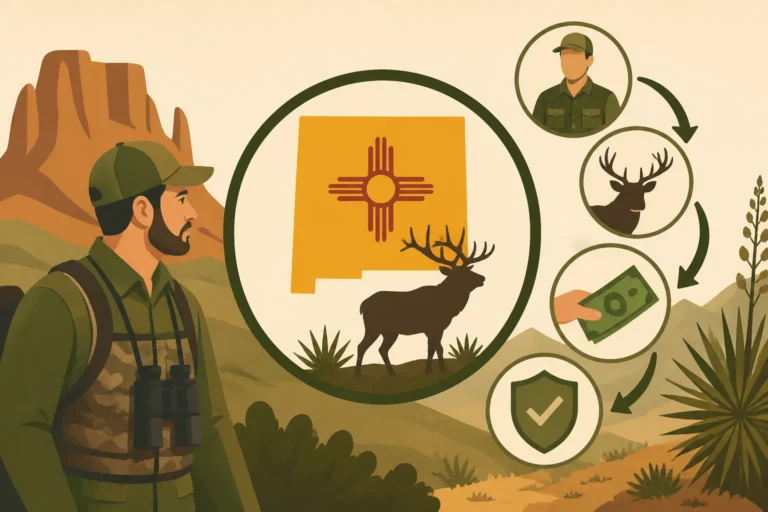
Imagine applying for an elk tag through the state, where you're competing with tens of thousands of other applicants for a limited number of permits. On tribal land, that direct competition simply doesn't exist in the same way. Instead, you're looking at a system managed by the tribe, often involving direct purchase of permits or booking through tribal-sanctioned outfitters. The revenue generated from these hunts typically stays within the tribal community, supporting their economies, conservation efforts, and social programs, which is a powerful aspect to consider when choosing this route.
Accessing Tribal Hunting Opportunities
Accessing tribal lands for hunting is almost always facilitated through direct engagement with the specific tribal wildlife department or through a licensed outfitter or operator approved by the tribe. You can't just walk onto tribal land with a state license and expect to hunt; that would be considered trespassing. Each tribe has its own process, and while some may offer permits directly to the public, many operate through a system of exclusive guiding concessions or specific packages.
For instance, the Mescalero Apache, known for their exceptional elk hunting, typically offer hunts through their own enterprise or a select group of authorized operators. Similarly, the Jicarilla Apache also manage their hunts, which are highly sought after for trophy animals. This structure ensures that hunting pressure is managed, and the quality of the hunting experience remains high. It’s a closed system, which might feel unfamiliar at first, but it guarantees a more controlled and often higher-quality experience than many public land hunts.
How Tribal Hunts Differ from State-Issued Tags
The differences between a state-issued hunting tag and a tribal land permit are fundamental and impact everything from the application process to the on-the-ground hunting experience. It's not just a matter of different paperwork; it's a different philosophy of access and wildlife management. These distinctions are crucial for any hunter considering tribal land.
Licensing and Permit Requirements
Perhaps the most significant difference lies in the licensing. When you hunt tribal land, you will typically need a permit issued directly by the tribe, not by the state of New Mexico. This tribal permit grants you the privilege to hunt within their sovereign territory, under their specific rules and seasons. These permits often come with an all-inclusive fee structure, covering the cost of the permit itself, guide services, and sometimes lodging or meals.
It's vital to remember that while the tribal permit allows you to hunt, you will still usually need a valid New Mexico state hunting license, often called a Game Hunting License (GHL), to legally transport your harvested game off tribal lands. This is a common point of confusion for hunters unfamiliar with tribal sovereignty. The state views the transportation of game across its borders as falling under its jurisdiction, so having the basic state license ensures compliance once you leave tribal territory. Always check with the specific tribe's wildlife department and the New Mexico Department of Game and Fish regulations to ensure you have all necessary documentation. You can often find specifics on required state licenses by reading the New Mexico Rules and Info Booklet.
| Feature | New Mexico State Hunt | New Mexico Tribal Land Hunt (General) |
|---|---|---|
| Permit Issuance | State draw, over-the-counter, or EPLUS | Issued directly by Tribe/Tribal Enterprise/Authorized Outfitter |
| Access | Public lands (National Forest, BLM, State Trust) | Specific tribal lands |
| Competition | High draw odds for desirable tags | Limited tags, often direct purchase or outfitter booking |
| Cost Structure | License + Application fees + Tag fees | Often all-inclusive package fee (permit, guide, some amenities) |
| State License Needed | Yes, for all hunting | Typically required for game transport off tribal lands |
| Draw System | Random draw, no preference points in New Mexico | No state draw; tribes have their own allocation methods |
| Rules & Seasons | Set by NM Department of Game and Fish | Set by individual Tribal wildlife departments |
| Guiding | Optional for most public land hunts | Often mandatory and included in package |
Bypassing the State Draw System
One of the most appealing aspects of tribal hunting for many non-resident and resident hunters alike is the ability to bypass the often-frustrating New Mexico state draw system. New Mexico does not use preference points, meaning every applicant, regardless of how many times they've applied, has the same odds each year for a specific tag. This can lead to years of unsuccessful applications for highly coveted tags in top units. Why New Mexico Draw Odds Do Not Improve With Time explains this in more detail.
On tribal lands, you typically don't apply to a random draw. Instead, you purchase a permit directly from the tribal entity or book a hunt package with an approved outfitter. This means your success in acquiring a tag isn't left to chance; it's a direct transaction. This certainty of a tag is a huge draw for hunters who are tired of playing the lottery, especially if they're traveling a long distance and need to plan their trip well in advance. While the price point is generally higher than a DIY public land hunt, the guaranteed access to prime hunting grounds for species like elk can be worth the investment for many.
Different Season Structures and Species Opportunities
Tribal wildlife departments establish their own hunting seasons, which may or may not align with state seasons. This can sometimes create unique opportunities. For example, a tribe might have an archery elk season that opens earlier or runs later than the state season, or they might offer different muzzleloader or rifle hunt dates. This flexibility can be a major advantage, allowing hunters to schedule trips that avoid peak pressure periods on public land or to secure a hunt during a prime rut phase that might be harder to draw through the state.
Furthermore, the quality of game on tribal lands can be exceptional. Many tribes actively manage their herds for trophy potential, implementing conservative harvest quotas and habitat improvement projects. Species like elk, mule deer, and bear thrive in these often less-pressured environments. The Jicarilla Apache, for instance, are renowned for their trophy mule deer and elk, drawing hunters from across the country specifically for these opportunities. Similarly, the Mescalero Apache lands are famous for producing very large bulls, a testament to their dedicated wildlife management programs.
Navigating the Application and Booking Process
Booking a hunt on tribal land is less like entering a state lottery and more like booking a specialized adventure package. It requires direct communication, often through an outfitter, and understanding the unique requirements set forth by each tribe.
Finding and Vetting Tribal Operators
The first step in hunting tribal land is identifying which tribes offer public hunting opportunities and how they structure them. Some tribes, like the Mescalero Apache, operate their own hunting enterprises directly. Others, like the Jicarilla Apache, work with a select list of authorized outfitters who hold concessions on their land. Finding these operators might involve researching tribal websites, attending hunting expos, or leveraging reputable online platforms.
When looking for an operator, platforms like BookYourHunt can sometimes list tribal land opportunities or connect you with outfitters who specialize in these areas. It's crucial to thoroughly vet any outfitter you consider. Ask for references from past clients, inquire about their success rates, and understand their experience specific to the tribal land you're interested in. Reputable operators will be transparent about their services, costs, and the specific tribal regulations they adhere to. Remember, a good outfitter is your gateway to a successful tribal hunt.
Understanding the Contract and Financial Commitments
Once you've identified an outfitter or tribal enterprise, the next step involves understanding their hunt packages and signing a contract. Unlike the state draw where you pay an application fee and then the tag fee upon success, tribal hunts usually involve a significant upfront payment for the entire package. This package typically includes the tribal permit, guiding services, and sometimes meals, lodging, and field transportation.
The cost for a tribal hunt can vary widely based on the species, duration, trophy potential, and level of service. Expect these hunts to be a substantial investment, often in line with or exceeding the cost of a fully guided hunt on private land. It's not uncommon for high-demand tribal elk hunts to command prices that reflect the trophy potential and guaranteed tag. Be sure to clarify what is and isn't included in the price, such as meat processing, taxidermy, or additional permits like the state Game Hunting License for transport. What a Guided New Mexico Elk Hunt Costs provides a general idea of guided hunt expenses, and tribal land hunts can be on the higher end of that spectrum.
Specific Tribal Permit Requirements
Each tribe will have its own specific requirements for their permits. This can include:
- Age restrictions: Some tribes might have different age limits for youth hunters than the state.
- Weapon restrictions: While broadly similar to state regulations, a tribe might have specific rules regarding muzzleloader scopes or archery draw weights. Are Crossbows Legal for Big Game? and Broadhead Requirements for Bowhunting might be good starting points for general knowledge, but tribal rules override.
- Proof of hunter education: Even if the state exempts you, a tribe might require proof of hunter education.
- Booking deadlines: While not a "draw deadline," operators will have their own booking deadlines, often many months in advance due to limited availability.
It’s paramount to get all these details directly from the tribal wildlife department or your chosen outfitter. Do not assume state regulations automatically apply. Your outfitter should be your primary resource for navigating these specific rules, and they will ensure you comply with all tribal requirements. Misunderstanding or ignoring tribal regulations can lead to serious consequences, including fines and forfeiture of your hunt.
What to Expect from a Tribal Land Outfitter
When you book a tribal land hunt through an operator, you're not just buying a tag; you're investing in a complete hunting experience. The role of the outfitter is central to this, providing expertise, logistics, and guidance that are often mandatory on tribal lands.
Guide-Client Relationship and Expectations
The relationship between you and your guide is paramount on a tribal hunt. In most cases, guiding is mandatory and included in your package. These guides are typically very familiar with the specific tribal lands, their wildlife patterns, and the best tactics for success. They are your eyes and ears in the field, responsible for leading you to game, helping with tracking, and ensuring you adhere to all tribal regulations.
You can expect your guide to be a knowledgeable professional, often a tribal member or someone with extensive experience on that specific land. They know the terrain intimately, understand the animal behavior, and can read sign that a casual hunter might miss. This expertise is invaluable, especially in vast, unfamiliar territory. Be prepared to communicate your expectations, physical capabilities, and desired hunting style clearly with your outfitter and guide before and during the hunt. This open dialogue helps ensure everyone is on the same page for a successful and enjoyable trip. For instance, if you're hunting elk during the rut, your guide will know the best strategies for Bugling Bulls Through New Mexico's Mid-September Rut.
Services Typically Included in a Package
Tribal land hunt packages vary, but they generally offer a comprehensive suite of services that go beyond just securing a permit. Common inclusions might be:
- Professional Guiding: One-on-one or two-on-one guiding, ensuring personalized attention.
- Field Transportation: Access to hunting areas, often using ATVs, UTVs, or 4×4 vehicles where permitted, or horseback.
- Meals and Lodging: Many packages include comfortable accommodations, which could range from rustic cabins to modern lodges, and all meals during the hunt.
- Field Care of Game: Assistance with field dressing, caping, and packing out your animal.
- Trophy Preparation: Basic caping for taxidermy and quartering of meat for transport.
What’s usually not included are personal hunting gear, licenses for other species, meat processing beyond field care, taxidermy services, or gratuities for guides. It's crucial to confirm the full list of inclusions and exclusions with your outfitter to avoid any surprises. Remember that any state license required for transportation of game or for hunting predators on the side is also typically not included and is your responsibility.
Outfitter Success Rates and Ethical Considerations
When evaluating tribal operators, inquire about their success rates. Many tribal outfitters pride themselves on high opportunity and harvest rates, especially for trophy animals, due to their controlled access and dedicated management. However, success is never guaranteed in hunting, and ethical considerations are paramount. A reputable outfitter will prioritize fair chase principles and sustainable hunting practices.
Part of this ethical consideration often involves how they handle wounded animals. Discuss with your outfitter their policy on tracking wounded game, the effort they put in, and what happens if an animal is wounded but not recovered. This is a critical aspect of responsible hunting. Also, be aware of any specific tribal rules regarding the harvest of cow elk versus bulls, or antler restrictions that may be in place to manage herd genetics. These ethical considerations ensure that the hunting experience is not only successful but also respectful of the land, the animals, and the tribal heritage.
Planning Your Trip: Logistics and Considerations
A tribal land hunt is a significant investment and adventure, requiring careful planning. Beyond the booking, you'll need to consider travel, gear, physical preparation, and local conditions to make the most of your experience.
Travel, Accommodation, and Logistics
Your travel plans will depend on which tribal lands you are hunting and where your outfitter's base camp is located. Most hunters flying in will arrive at Albuquerque International Sunport (ABQ), then rent a vehicle for the drive to the hunting area, which could be several hours. Coordinate pick-up or meeting points with your outfitter well in advance. Some outfitters might offer airport shuttle services, but this is less common for general packages.
For accommodation, if it's not included in your package, you might need to arrange lodging in a nearby town before or after your hunt. Many tribal operations, however, are all-inclusive regarding lodging once the hunt starts. Discuss camp arrangements with your outfitter: Will it be wall tents, cabins, or a modern lodge? Understanding these details helps you pack appropriately. If you're coming from a lower elevation, remember that many of New Mexico's prime hunting areas are at significant altitudes, so Altitude Preparation for a Gila Elk Hunt can be very relevant, even if you're not in the Gila specifically.
Required Gear and Physical Preparation
Your outfitter will typically provide a detailed gear list, and it's essential to follow it closely. This list will cover everything from clothing layers suitable for New Mexico's variable weather to optics, firearms or bows, and personal hygiene items. Given the challenging terrain on many tribal lands, investing in quality boots and appropriate clothing is crucial.
Physical preparation is non-negotiable for success on many tribal hunts, especially for species like elk or mountain deer. While outfitters will tailor the hunt to your abilities, being in good physical condition will significantly enhance your experience and increase your chances of success. Expect to walk long distances, climb steep hills, and potentially pack out heavy game. Programs like GoHunt often have resources for physical conditioning that can be adapted for any big game hunt, providing a solid foundation even if their primary focus is state draws. Training routines for Preparing Physically for a High Elevation Hunt are a good place to start.
Understanding the Local Environment and Conditions
New Mexico's diverse landscapes mean that tribal lands can range from high alpine forests to arid desert regions. Understanding the specific environment of your hunt is critical. For example, a hunt on the Mescalero Apache reservation, nestled in the Sacramento Mountains, will have very different environmental considerations than an off-range oryx hunt in southern New Mexico. Factors like weather patterns, water availability, and potential wildlife hazards (like rattlesnakes on early season hunts) all play a role.
Always consult with your outfitter about the expected conditions for your hunt dates. They can advise on typical temperatures, precipitation, and any specific challenges like wildfire smoke or drought conditions. Being prepared for varying conditions, from warm afternoons to cold nights, and understanding the local flora and fauna, will contribute to a safer and more enjoyable experience. Don't forget to ask about cell service or satellite communication options, especially if you're in a remote area.
Disclaimer
This article is for general informational purposes only and does not constitute professional advice. Laws, prices and regulations vary by location and change over time. Consult a qualified professional for guidance on your specific situation.